It had been a long 4 years since I’d last joined any Relative Hills Society (RHSoc) trips and with this year’s AGM a mere hop, skip and a jump away in Kintail in late May it would have been rude not to pop along and catch up with some good old friends from the 2014-2019 period covered in this previous reflections post of mine.
For me, the spare time during the few days in the area was reserved for exploring some nice walking routes both in Kintail and on Skye. There was also a couple of very successful boat trips to the Bracadale Islands and Soay from Elgol as well as an evening trip to Iosaigh on Loch Dunvegan. It was great to be back out on the water again with the chilled out ‘baggers of all things’ as a boatman once referred to them.
Rather fortunately one of the baggers, Jonathan, had purchased an inflatable boat with an outboard engine and, as the days progressed he was off out shipping people to otherwise inaccessible islands.
After passing through the Kyle of Lochalsh a good few times that week, the idea of getting a closer look at the little flat pack lighthouse on Eileanan Dubha East to the east of the Skye bridge crept into my mind. I approached Jonathan with this opportunity and he was happy to help out so I gathered interest from others wishing to head out during the RHSoc AGM and evening meal.
A merry band of us (or not so merry as was the case for myself and one or two others after one – or five – too many drinks the night before) gathered at Kyle of Lochalsh on the Sunday morning and Jonathan prepared our chariot for the short ride across to Eileanan Dubha East.
The skipper preparing the vessel
Off we set, two at a time, and the calm water and fresh air did wonders at bringing me closer to some sort of sensible state. It didn’t do a huge amount for my energy levels though as, once I’d navigated my way across the rocks to the lighthouse, that was where I stayed for the duration of the visit. I had to borrow pictures to help populate this post!
Eileanan Dubha Lighthouse
It was an excellent spot to just sit and watch as others made their way over and went off exploring whether the tide was low enough to get to one of the neighbouring islands in the Eileanan Dubha group. The glass-bottomed boat from Kyleakin went past at one point, with passengers enjoying watching the seals on another island – and probably wondering what we were up to as well.
Skye provides a dramatic backdrop to this little island
I clearly wasn’t the only one enjoying watching the world go by from that tiny island as the others, rather unusually, also took to sitting around, chatting and just generally enjoying that Sunday morning chilled feeling. Once we (or I) had mustered up some energy we used the opportunity to give the light a group hug, which went rather well. It’s always a fun activity to introduce people to and makes for some great pictures too, even if it is impossible to get everyone in the picture.
The lighthouse hug in action
Eileanan Dubha marks the east entrance to Kyle Akin, the relatively short stretch of water separating Skye from the mainland. At the west end of the Kyle is the now inactive Eilean Ban, or Kyleakin, Lighthouse which is very much overshadowed now by the bridge.
The lighthouse and Loch Alsh
Further along the Eileanan Dubh group is the teeny tiny Eight Metre Rock Lighthouse, or so it says anyway. In my view it’s a couple of little cabinets with a light on top of one of them, so doesn’t hold anywhere near as much interest.
Eight Metre Rock Lighthouse
With a journey back home ahead that day it was time to head back and bid a fond farewell to Eileanan Dubha East which had provided a little piece of calm and quiet on a day where it was very much needed 🙂
Since Autumn 2018 I have been organising trips for the Association of Lighthouse Keepers (ALK). The first year went relatively well, but as you can probably imagine March 2020 did it’s Covid-y thing and put a stop to such events. Prior to that I’d been working away on the ALK’s Annual General Meeting weekend, which always comprises far more than just a meeting. We’d got the go ahead to proceed with Belfast as the location for 2020 and suddenly the brakes went on and rescheduling for 2021 became necessary.
Fast forward a year and we faced another period of uncertainty with on/off restrictions and Covid cases still high. Recognising the importance of keeping everyone safe it was again agreed to postpone for a year.
At the time it meant much less work, that’s for sure, but time passes so fast these days that it wasn’t long before connections needed to be re-established, bookings confirmed and details shared.
To say Belfast was an ambitious location for the AGM would be something of an understatement. With around 70 members signed up and transport and a ferry to be arranged for most there was a lot to do. Establishing some kind of relationship and trust with Irish Lights was important too. As a result, this post will be a bit different and hopefully give an insight into the trials and tribulations of event planning!
The first day was reserved for the formal meeting and dinner, although I did get a quick visit to Greencastle in with Bob, Steve and Lianne to see Haulbowline Lighthouse in Carlingford Lough. It’s always one that’s so close, but still too far away.
Haulbowline Lighthouse in Carlingford Lough
Between the meeting and dinner I joined other members as we went to take a look at the ‘Great Light’ on the Titanic Walkway. This hyper radial lens was previously located at the top of the Mew Island Lighthouse tower, casting its incredibly powerful light over the sea surrounding the east coast. It’s really very impressive and is surrounded by plenty of lens-related information.
The Great Light in the Titanic Quarter
On the second day we all gathered at the wonderfully picturesque town of Donaghadee, arriving in two separate parties so as not to inundate the place in one big go. I’d organised boat trips for the groups to head out around Mew Island to see the lighthouse there – the former home of the lens seen the previous day. The boat trip also gave some views of the old lighthouse in the Copeland Islands group which is now in ruins.
Mew Island Lighthouse
The local attendant along with Irish Lights area manager opened up the harbour lighthouse for us there. Harbour lights are generally pretty small, but Donaghadee is an exception. It’s bright white exterior and horizontal band detailing gives it a really unique look. Being the organiser I was the last to go up the lighthouse and managed a private tour of my own when all the others had disappeared off to explore Donaghadee a bit more.
The lifeboat, our Mew Island boat and the lighthouse in Donaghadee
The LED and lens inside Donaghadee Lighthouse
The interesting ‘cupcake cases’ at the top of Donaghadee Lighthouse
The RNLI team in Donaghadee had very kindly opened up their station for us to look around and also provided tea and coffee. Among the ALK membership there are also a number of Lifeboat enthusiasts so this went down rather well. They were great hosts too.
An excellent mural close to the Donaghadee Lifeboat station
It became clear quite early on that the boat trips around Mew Island were running late so it wasn’t a surprise when the boatman announced he wouldn’t be able to take the last group out due to the fading light. After a moment of panic I worked out a solution with the boatman which meant the final handful of ALK members went out the following morning instead. Just one of perils of event organising!
On the Monday we set off for Blackhead Lighthouse. When the coach company announced they wouldn’t be able to get along the access road to the lighthouse I was delighted personally as it meant we’d get to walk along the coast from Whitehead. Obviously, with my event organiser head on though I was concerned about those who weren’t able to manage the walk, but thankfully we got them sorted with lifts on cars and all turned out well in the end.
Heading for Blackhead Lighthouse
The great view looking south towards Whitehead
Blackhead is a great place to hang out and even standing around at the bottom of the short tower making sure everyone got a chance to go up offered plenty of opportunities to catch up with the members as they came and went. Joy and Patrick Tubby who were staying in one of the cottages along with others were excellent hosts with food and drink on offer once people had taken a look around the lighthouse.
Arriving at Blackhead Lighthouse
Once again, I was the last to go up and it had all got very chilled out by that point so I was able to amble around up the tower with Patrick and John before heading up to the cottage.
The lens at Blackhead
The light mechanism at Blackhead
We also got the chance to see inside one of the old lighthouse buildings which contains information boards about the area
After bidding farewell to the final members as they made their way back along the coast to the coach, the rest of that day was reserved for drinking wine with friends at Blackhead. Probably not wise given that the following day was the biggest of all, but also good fun.
The final day arrived and the members gathered for the journey up to Ballycastle to catch the ferry over to Rathlin Island. Taking a group of around 50 people over was no mean feat, but thankfully everyone behaved and the herding of the cats was straightforward enough. The only problem was a couple of our former lighthouse keeper members were caught in traffic, but thankfully the ferry crew knew them well and so it was no trouble at all to leave a bit late to make sure they got on board. Gerald Butler who lives at Galley Head Lighthouse was among the latecomers and his ability to charm the socks off anyone once again worked its magic!
My detailed transport plan, developed in partnership with Bert’s Puffin Bus, for getting two groups around with just one bus worked very well indeed and the first group set off for Rathlin West Lighthouse. When the bus returned I joined the second group for the journey to the East Lighthouse. For me this was an exciting one to get inside. It’s an absolute beauty from the outside and the light operates 24 hours a day, although at the time of our visit it was operating on the emergency light outside as maintenance work was in progress.
Rathlin East Lighthouse, including its old low lantern
Once again I timed my visit to the top, among the last lot again having had the job of being that annoying person at the door who had to tell the general public they couldn’t come in as it was a private visit.
The view of the cottages from a lighthouse window
The emergency light in operation on the gallery at Rathlin East Lighthouse
The view from the top of Rathlin East Lighthouse
Looking west from the top of Rathlin East Lighthouse
The glorious view to the south from the top of Rathlin East Lighthouse
Instructions at Rathlin East Lighthouse
Inside the old low lantern at Rathlin East
When you get former keepers together the conversation just flows and flows so I had the pleasure of listening to Gerald and Eddie chatting to Noel, the attendant keeper for Rathlin. The fondness with which they speak is always a joy to hear.
Gerald and Noel having a catch up
When the bus returned it was time to head for the West Lighthouse – the upside down light. This is such a special place to visit and not only for the lighthouse, which involves going down copious amounts of staircases to get to the lantern.
Rathlin West foghorn and the top of the lighthouse tower
Rathlin West Lighthouse
The view to the south at Rathlin West
Plenty of concrete at Rathlin West
Perhaps my favourite bit at Rathlin West though are the incredible views looking north from the grounds of the lighthouse. The cliffs are fantastic and I could easily have spent an extended period of time gazing at that view had time allowed.
My favourite view, looking north
Once everyone had enjoyed the tea and coffee provided by the RSPB team there and been coaxed back up the lighthouse we set off back for the ferry terminal where we got a great group photo, minus the few who decided to go to the pub!
The merry band almost ready to head back to Ballycastle
After the return ferry and coach journey it was time to bid farewell to everyone. It had been a busy few days, but luckily with no major problems. For many of the ALK members attending, this was one of the first times they had visited lighthouses in Ireland and I’m pleased to say the wonderful Irish hospitality and charm worked a treat! There was plenty of appetite among the members to spend more time exploring lighthouses in other parts of Ireland too.
Although it was a relief when the event was over, it was also a massively rewarding experience and I was receiving gifts through the post for weeks afterwards, paid for by contributions from all of those who attended the event. It was a pleasure and a really excellent way of getting better engaged with the ALK’s Irish members as well as Irish Lights 🙂
On Sunday we decided to make the most of the good weather and set off from St Abbs for Seahouses. My dad was keen to go and see the puffins, the Farne islands being best place for them in the area. Sadly last weekend due to the ongoing devastation avian flu is causing, they announced that there would be no landing on either Inner Farne or Staple Island. This was a shame as I’ve been wanting to take a closer look at their respective lighthouses, but the bird-focussed boat trip took us around both as well as close to Brownsman Island and Longstone too.
The obligatory pictures of the lighthouse at Seahouses
The Farne islands are quite a special place if you are into lighthouses. There is plenty of history with 7 lighthouses in total gracing these small islands over time. The oldest was introduced on Staple Island in 1776, 100 years after permission was first granted for lights to be built on the Farne islands. Prior to this attempts at lighting the islands for navigation were limited to two fire baskets on Inner Farne. The Great Storm of 1784 unfortunately claimed the Staple Island tower, and it is believed that a second tower was then constructed to replace it. The remains of what could well be one of these towers can still be seen on the island, although I am unable to find confirmation that this is definitely the case.
This could be the remains of one of the first lighthouses in the Farne Islands
Fast forward eleven years and the first tower on Brownsman Island had been constructed. The remains of this tower are still visible as the tallest structure on the island.
The square tower of the first lighthouse on Brownsman Island
In 1809 Trinity House built the lighthouse on Inner Farne, which is still in operation today. Just two years later this became the High Light after a lower light was added to warn ships away from the nearby Megstone island. This low light was removed in 1911 when the high lighthouse was automated.
Inner Farne Lighthouse
Meanwhile there was navigational development on Brownsman Island too with the introduction of a new lighthouse and attached building in 1810. This tower shared the same design as the Inner Farne light and contained a revolving reflector which burned paraffin oil.
The remains of the round lighthouse and attached building on Brownsman Island
By 1825 it had become clear that the lighthouse on Brownstone wasn’t preventing shipwrecks and the decision was taken to construct a lighthouse on Longstone.
Longstone Lighthouse
Today Longstone and Inner Farne are the only two lighthouses still operating on the islands. The trip was a good opportunity to see these two again. Landing on Staple Island and Inner Farne will wait for another time 🙂
With a day to get home from Preston, a bit of a detour en route felt necessary to clear up a few things lighthouse-related. I had yet to see a couple of the lights along the south coast of Cumbria, along the north bank of Morecambe Bay as well as the Walney Channel.
Living where I do in the far north of Scotland, and the vast amounts of time I have spent in areas with big, wave-battered cliffs, the relatively flat landscape and the resulting fast-moving tides of this area fascinates me. To me it somehow seems more dangerous than spending time on coastal routes in areas with more dramatic scenery, and this is all to do with those tides. To spend a second day in an area where lighthouse bagging is so impacted by the tide is a really interesting experience.
Before we get to that though, our first stop of the day was Ulverston. I’d stopped here briefly during my 2012 lighthouse tour and the reason any lighthouse bagger visits the town is surely for the Sir John Barrow Monument. Generally monuments aren’t lighthouses (although I can think of a few), but this one in Ulverston has a couple of interesting connections.
The Sir John Barrow Monument is clearly visible from the centre of Ulverston
When it was built in 1850 its construction costs totalling £1,250 were mostly paid for by donations from the public. However, £100 was paid for by Trinity House (the lighthouse authority for England and Wales) and the reason for this was it would be used as a seamark. There are conflicting stories related to this with some sources stating that Trinity House contributed based on it it being a seamark alone – though the original plans included a room in the basement that would act as the ‘lighthouse keeper’s’ living quarters. Others suggest that the funds from Trinity House were given in case the tower ever needed to bear a light for navigation purposes, and another that the donation from Trinity House was to ensure that the tower would never bear a light. It is all rather confusing.
On the way up Hoad Hill
That is not the only link though between the monument and lighthouses. The tower design is based on that of John Smeaton’s Eddystone lighthouse, which can now be seen on Plymouth Hoe. So, in a way, when you visit it does feel a little like you are visiting a lighthouse. I should add at this point that you may well be wondering who Sir John Barrow was, which is exactly what I was asking too. Sir John Barrow was born and raised in Ulverston and went on to become an explorer, a writer and – perhaps most relevant – Second Secretary to the Admiralty for 41 years. He passed away two years before the monument was constructed.
The Sir John Barrow Monument up close
It was a pretty hot morning actually and so the walk up Hoad Hill to the monument, especially given that Bob insisted on using the steepest paths, was a good way to work off the remnants of alcohol left in my system from the previous day. The views were great as you got higher though, with those looking out towards the sea being of most interest to me. Chapel Island stood out for me as this big rock in the middle of the sea. I have since discovered that it is possible to access it at low tides, but with real care and from the east bank of the River Leven.
Chapel Island can be seen on the far right out to sea
The monument is really impressive and quite beautiful actually. It does have a lighthouse vibe about it, which probably has a lot to do with the original design inspiration. It is possible to climb the tower on certain days between Easter and October. A good sign that the tower is open is if the flag is flying, but it is well worth walking up even if it’s not.
Joe the Drone had a wonderful time flying around the monument, pictured here with some glorious Cumbrian hills in the distance
Back down off the hill, it was time to head for some lighthouses with lights! The first of these was Rampside, a wonderful skinny little brick tower known locally as ‘The Needle’. This tower, built in 1875 to guide ships into Barrow-in-Furness, is the last remaining one of thirteen of this same type.
Rampside Lighthouse, also known as The Needle
The lighthouse is really easy to spot, sitting just off the road at Rampside on the way to Roa Island. Though it is close to the road, it is another one to be careful near due to those tides. The tide was pretty low while we were there, but there were still little puddles of unknown depth around that you need to watch out for. The fact that it has a ladder up to the door also is a good indication that the sea can impact access to it.
The ladder leading up to the door is visible here
It’s a sweet tower and with most of it being red brick I was imagining it wouldn’t really be a very useful daymark, but seeing it later on from a different angle, it really is quite noticeable. This is another one with great views across to Foulney, Roa, Piel and Walney islands.
Rampside Lighthouse’s daymark features are more obvious from the seaward side
Speaking of Foulney Island, this was the next destination. Thankfully the tide times worked in our favour that day as this one really is tidal. Foulney Island is a shingle spit (with some grass) that reaches out 2 miles into Morecambe Bay. It is a nature reserve and an important area for birds during nesting season so some areas of the spit are cordoned off at certain times of the year.
The first part of the walk to Foulney Island is easy enough
It wasn’t necessary to walk the full 2 miles to reach the lighthouse here and it is clearly visible from the parking area at the entrance to the island. The walk out here was initially a little wet with many (thankfully successful) attempt at avoiding get our feet wet in the muddy puddles presumably caused by the area being flooded at high tide. Then it was onto the shingle, which gets a bit tough going after a while. There are the remains of a 19th century stone causeway here, which was constructed to prevent the silting up of the Walney Channel. With the state of some sections of this causeway now though it would be more like boulder hopping to walk along it.
Here you can see the rocky causeway leading out to Foulney Island
The lighthouse here is a funny thing, even I will admit that. It’s an oddly shaped white glass reinforced plastic tower, which is very much a different coloured version of the light at Cardiff Barrage. Probably understandably there’s not a lot of information out there about it.
Foulney Island light with Roa Island and its Lifeboat station in the distance
This turned out to be an excellent area for Joe the Drone to stretch his blades and grab some great shots with the tidal sections of the islands all around exposed at that point. There are the remains of an old stone building just beyond the lighthouse. It’s not clear what purpose this would have served. Beyond that, although we didn’t venture that far, you can begin to see the first of many pile lights in the area just off the end of Foulney Island. It was one of these type of lights I was keen to see next.
Foulney Island from above
In researching my book, one of the resources I’d used was the fantastic Online List of Lights website. The owner of this site aims to have a picture of every active aid to navigation listed in the Admiralty List of Lights. This is quite an undertaking as it is ever-changing and covers the whole world. I could, and have, spent hours scanning through this site taking a look at the lights of all shapes and sizes. It was on this site that I came across the Walney Channel West Pile light and you can see its entry here. It doesn’t look like much, but the little white hut on top of the pile structure was what caught my attention. It was time for me to take a look at it for myself.
Passing through Barrow-in-Furness we arrived on Walney Island and found somewhere relatively sensible to abandon the car in Biggar. The OS map showed a footpath running down to the east coast of the island from here and this was really straightforward to find, passing along a narrow grassy area between two fields. Initially the walk was easy enough once we got to the coast, heading north and then east. After a while it began to get a bit wetter underfoot and I was very grateful to have had my wellies available for this walk. Again, it’s another area that becomes flooded at high tide. We stuck to fence line though to try and avoid, as much as possible, the wettest areas. At one point we needed to cross a stream about a metre wide and Bob checked it out first to test how deep it was. Fortunately it wasn’t high enough to go over the top of our wellies so we carefully waded through it and then continued on our way.
The area combines grass with lots of salt marsh
Rounding the corner we spotted a whole range of pile lights ahead of us. Quickly recognising that, even at low tide, the land between us and any of these lights was pretty saturated in many places, we decided to send Joe in to investigate from the sky. It was unclear which light I was actually looking for here, which was the first sign that something had changed in terms of the light structure.
Walney Channel and the surrounding area look great from above
After inspecting both Joe’s photos and the grid reference against the map, I was a little sad to have to confess that this one was a lighthouse demotion. The light being investigated is now possibly the most unimpressive of all of them. Some have some very fancy coloured daymark triangles on them, but this one was just a pile structure with a light on a stick coming up out of the top.
The somewhat disappointing Walney Channel West Pile light
It wasn’t the most exciting or joyful end to the day’s bagging, but to go to these places to check things out always feels worthwhile whatever the outcome is. It was also quite fun to wander around to which is really a big part of the adventure of lighthouse bagging.
This marked the final day of a week’s worth of lighthouse visits. It really was quite a week and one that saw me visit those lights I had left to see on the Isle of Man and in North West England, so I returned home with a nice sense of achievement having reached this goal and explored yet more of our amazing country’s (and the Manx) coastline. 🙂
Although the day I’m about to write about wasn’t all about the tidal island and not all about being tipsy either, I just couldn’t resist the title.
I arrived back on the ferry from the Isle of Man following the recent lighthouse bonanza over there, and was met by Bob at Heysham. I’d made some lighthouse plans for later that day and we had a little time to kill beforehand.
While in the area we decided to pay Hale Lighthouse a visit. I’d not been here since my 2012 tour and I felt I hadn’t really explored the area properly on that occasion. Hale Lighthouse was built in 1906, replacing an 1838 light in the same location. The light was introduced to help guide ships safely around Hale Head as they approached the Mersey. This area is renowned for its fast moving tides and the ever changing sandbanks that can sit just below the water level, a hidden danger to shipping.
Approaching Hale Lighthouse
When the original lighthouse here was built there was already a private bathing house in this location and with the introduction of the first lighthouse, this house was converted into the keepers cottage. This cottage was demolished shortly after the lighthouse was decommissioned in 1958 when the need for the light was no longer essential owing to the reduction in trade in the area and the use of that particular shipping channel.
Hale Lighthouse with the modern bungalow coming into view
The cottage has now been replaced with a new property and this, along with the lighthouse, is now in private ownership. There is plenty in the area to suggest that, although a public bridleway runs along here, visitors to the area aren’t necessarily welcome. However, you can see why this might be the case judging by the amount of graffiti on the wall to the seaward side of the lighthouse.
Signs that the coast near Hale lighthouse is a popular spot for some
Getting around down here involved a little hop over a bit of fencing (we later found the actual way down), wandering around on some rocks, and then trying to avoid getting stuck in the mud just below the lighthouse. Our shoes didn’t thank us for that that bit!
Hale lighthouse with clear signs of erosion nearby
With the big plans still ahead for the day it was time to get a shift on down towards the Wirral. Thankfully there was a little time to spare which allowed us to take a swing by Ellesmere Port. On my original 2012 lighthouse tour I’d not managed to get to this one and I recall reading that it was part of the National Waterways Museum, so I’d assumed that I could turn up there and get to see it. I am not sure to what extent it is a part of the museum, but the land it is on is now private with the building owned by a fire brigade union. Having done my research though I knew where we needed to go to get the best view of it and so it was a relatively straightforward visit.
The best publicly accessible view of Whitby Lighthouse at Ellesmere Port
This lighthouse, built in 1880, is also (rather confusingly to my mind) known as Whitby Lighthouse. The village of Whitby in the area has, in more recent years, merged with other neighbouring villages to form Ellesmere Port. There is a wonderfully detailed explanation around why the lighthouse was originally built and its relationship to the waterways in this area on the excellent Lighthouse Accommodation website.
There is a fantastic old picture on the Ships Nostalgia website showing the lighthouse when it marked the entrance to the Shropshire Union Docks and Canal. Sadly the introduction of the Manchester Ship Canal in 1894 meant the lighthouse became surplus to requirement after only 14 years.
Ellesmere Port, or Whitby, Lighthouse can be seen behind the tree in this view from a nearby loch on the canal
It was time to head for the exciting afternoon we had planned. In my role as Events Coordinator for the Association of Lighthouse Keepers I’d come into contact with the owner of the lighthouse in Hoylake, which is now a private home. I’d made contact with him ahead of this trip and had also mentioned our intention of heading over to Hilbre Island while in the area. He very kindly offered to walk over to Hilbre with us and show us around the Hilbre Island Canoe Club’s base there, which seemed like an opportunity not to be missed.
First though he (Charlie) had invited us to meet him at his home and, of course, I couldn’t resist the chance to take a look inside such a beautiful building and lighthouse. For a start the garden is just glorious and so well kept. To see the lighthouse towering out of the top of the very grand looking house makes for such a fantastic scene. Charlie explained to us which parts of the house would have been there when the lighthouse was operational and how the building was split into two with a shared access hall when it housed the keepers and their families.
The magnificent Hoylake (High) Lighthouse
Hoylake Lighthouse was originally the high light, working in partnership with a low light that has since been demolished. Charlie has a wonderful map on his wall showing the area and you can clearly see how these lights, which appear relatively inland, would have helped to guide ships. The navigation on the Wirral is particularly interesting as running through a series of lining up lights was necessary for safe passage.
The view of Hoylake Lighthouse tower from the back of the property
The existing lighthouse was completed in 1866, replacing its predecessor which had been operating for just over 100 years by that point. The light was discontinued in 1886. When Charlie purchased the house he also inherited the old lighthouse log book which, as you can probably imagine, is a wonderful thick tome just full of history.
The old log book offers a fascinating insight into the history of the lighthouse and the people who lived there
I won’t say too much about the house itself as it is a (beautifully decorated) private home, so I will skip ahead to the tower. It’s a really unique tower, very open and the type that those without a head for heights would really struggle with. There is no central column, just open space, and the spiral staircase is made up of fantastic lattice metal stairs which allow you to see right through them to the area both below and above. There is definitely nothing enclosed about this lighthouse tower.
Looking up the tower. The stairs in the lighthouse almost create an optical illusion.
And the view back down Hoylake lighthouse
Just below the lantern there is the usual small room where, these days, operational lighthouses would have a couple of boxes that keep the light going. Then it’s just a climb up a ladder to get to the lamp room. What a space that is! Again it’s very open and bright with 360 degree views. What amazed me most up the top though was the width of the gallery. The railings around the gallery are pretty low so you do need to be a bit careful, but it is such a wide space compared to those I have been to before that I was quite impressed. Again, it’s all about the space at Hoylake.
The wide gallery at Hoylake Lighthouse with the view over the houses towards Hilbre Island, and Wales beyond
Charlie had very kindly carried his wonderful and heavy old binoculars up the stairs (no mean feat) and set them up so we could see a number of the other lighthouses in the area, including Talacre (Point of Ayr), Bidston and Leasowe, the latter of which could be seen quite clearly with the naked eye that day. We could also see across to Hilbre Island and this served as a reminder that we should probably start heading that way to ensure we caught the tides right.
Charlie’s wonderful binoculars in the lamp room at Hoylake lighthouse
Hilbre Island, or the Hilbre Islands (actually three tidal islands, with Hilbre being the biggest) sit just off the coast at Hoylake. Although it is recommended to go from West Kirby at low tide, Charlie said that walking from Hoylake was fine as long as you knew which way to go. The timing for Hilbre is key as there is plenty to see on the island and you definitely don’t want to be only just starting the walk back with the tide already coming in.
Hilbre, here we come
Considering it’s a small island it has a really interesting history. There’s a great piece on the Hilbre Island website that gives masses of information on various aspects of its past. My interest in visiting was largely a result of the light over there, but I got somewhat waylaid when Charlie showed us the Hilbre Island Canoe Club building. He is a member of the club and the building is full of a variety of pictures from past and present.
Arriving at Hilbre Island and one of its many very interesting areas
While Bob flew Joe the Drone around the island, Charlie showed me a photo album which gives a wonderful overview of the club’s past – oh, and the wine came out!
The Hilbre Canoe Club and lighthouse from above
A bird’s (or Joe’s) eye view of HIlbre Island
There was so much conversation about the Club and other topics that I almost forgot what I was there for, but we did eventually make it to the lighthouse. I’d had a couple of discussions before with my lighthouse pal John about whether or not the light on Hilbre met the criteria for inclusion in my book. As a result, my first priority was to check that it did and that it was actually big enough for a person to be able to get inside. As you will see from the picture, the door is considerably taller than me. There may not be room to swing a cat in there, but it could fit a person inside. I would give it a good go!
The size comparison between me and Hilbre Island Lighthouse
Around 1810, two wooden markers were installed at the north end of Hilbre to help guide ships into the Hilbre Swash at the entrance to the River Dee. In 1840 these were replaced by new markers on Little Eye (the middle of the three Hilbre Islands) and just offshore at Hoylake. After being replaced at some point they were eventually demolished during WWII to avoid the enemy using them as landmarks.
A navigation light, an acetylene gas-powered light on a lattice tower initially, was first introduced by the Mersey Docks and Harbour Board Authority in 1927 to mark the Hilbre Swash. It was later replaced by the existing steel structure and ownership of the light changed to Trinity House in 1973.
Hilbre Island Lighthouse
Joe the Drone’s view of the north end of Hilbre Island with Hoylake in the background
Close to the lighthouse is the old telegraph station, which was the second station on the island (the original was a wooden structure). This was one in a long chain of stations used to communicate messages from as far as Holyhead to Liverpool. A couple of other lighthouse locations were involved in this process, those being Great Orme and Bidston Hill. The telegraph station on Hilbre was completed in 1841 with the system continuing to be used until 1860.
Hilbre Island telegraph station
We then had a great walk around the island.
The beautiful west coast of Hilbre Island
Then it was back to the Canoe Club where I proceeded to gulp down another glass of wine. When you are on a tidal island you can’t be hanging around for too long sipping on a glass of wine! The walk back across to Hoylake was thankfully very refreshing. On arrival back at Charlie’s we discovered his lovely wife Ali was back so we popped in and I enjoyed even more wine.
I had arranged to stop off at Bidston Lighthouse that evening to collect something and poor Stephen and Mandy ended up waiting very patiently for our arrival only for me to turn up a little worse for wear. As far as I could tell they didn’t seem to mind too much though and very kindly gave me coffee. The visit to Bidston was actually very well timed as it is currently one of four lighthouses currently lit up with beautiful moving light designs by Hendrick’s Gin, which seems like a wonderful image to leave you with at the end of this long and crazy day 🙂
The Hendrick’s Gin light display on Bidston Lighthouse
As mentioned in my last post, the Association of Lighthouse Keepers‘ Isle of Man event was over, but I still had one more task to do before I left the island. I’d arrived on the Isle of Man with five lighthouses left to get a close look at. With the lights in Ramsey and Laxey now visited, it just left the slightly trickier Derbyhaven light to reach. The only reason Derbyhaven Lighthouse can be difficult to reach is that it is on a tidal breakwater that was built to allow shelter for Derbyhaven Bay. More on that later though.
The closest view of Derbyhaven breakwater and lighthouse I’d had prior to the visit. There was’t time to visit on this day.
With low tide predicted to be around 4.30pm there were plenty of hours to play with before heading to Derbyhaven. I’d agreed to spend the day with John, Steve and Lianne as they continued their trig-bagging adventures. They had three in mind and it didn’t get off to a great start with the first trig surrounded by cows and calves. After satisfying ourselves with seeing it from a distance, not wanting to disturb the cows if they were going to get funny, we set off for the next one. Parking near the entrance to the beach at Sartfield near Jurby we set off heading south and it quickly became clear that a bit of a climb up the grassy bank was required to reach the trig here. I was quite happy at this point to sit on the empty beach and just enjoy the sights and sounds (while also dealing with emails relating to the second Isle of Man trip which was starting just a few days later), and let the others get on with it.
The beautiful beach near Jurby
Cronk ny Arrey Laa was the final trig pillar on the list for the day and it was a great walk up to it from the nearest road. The views from the top of this hill were superb and it is clearly frequently visited as the large cairn at the top is surrounded by some clear little paths that allow you to enjoy the view from every single angle.
The final trig pillar of the day on Cronk ny Arrey Laa
After lunch in Kirk Michael it was time to head for Derbyhaven. We stopped at a little grassy area and parked up and it seemed like the tide was low enough to walk across without getting wet feet. It’s always a bit of a worry with walking on tidal sections of a beach as you never know how soft the sand might be, but thankfully it was okay here and I didn’t at one point wish I had my wellies with me, which is always a good sign. We took a slight detour on the way out to avoid the worst of the puddles that remained, but it was all quite straightforward.
A little green, slimy and wet, but an easy enough stroll
The breakwater is much bigger than it appears from the shore, but it does have a very handy slipway leading up to it. It’s actually a really impressive structure. I’ve done a little research about the light and the pier in the general. When it was constructed in 1842-3 it was built, at a cost of £3,524 on the solid foundations of the North Rock. This, presumably, would have helped no end in the construction process. Originally the plan had been to build a larger breakwater like the one in Plymouth which would only leave gaps for ships to pass through on either side, but the smaller design was chosen instead.
Arriving on Derbyhaven breakwater
While we walked along the breakwater John said that it looked like the breakwater could do with a bit of pointing as there are gaps between each of the large stones. I’ve since found an IOMToday article from 2020 though that suggests that instead of pointing the breakwater, which is in need of repair, ‘there are now plans to drill some 4,000 holes into the blocks to anchor steel reinforcing mesh and then entomb the carefully-crafted stone blocks in a ’concrete overcoat’.’ This seems a real shame to me as it looks great close up.
On Derbyhaven breakwater
Though the Manx Electric Railway Society website features an article stating that a light exhibited in Derbyhaven from 1650 was the first navigation light on the Isle of Man, the current breakwater light was not added until 1946, as confirmed by the date engraved above its door. It’s another very Manx-style harbour light, much the same as the Peel Castle Jetty light and the pair in Laxey.
The little lighthouse on Derbyhaven breakwater
I was quite sad to see that the lighthouse is now disused. I wasn’t aware that this was the case. I’ve done some research into when the lighthouse was replaced by the LED on a skinny tripod (not as catchy as ‘lantern on legs’, but you get the idea). It seems the new LED light was already in place in 2020 and I imagine it wasn’t long before that it was introduced. It’s a great shame. Of course the tower is still used as a daymark, but it would have been nice for the LED to at least been placed inside the lighthouse rather than separately.
The old and new Derbyhaven breakwater lights
Still, it was my final Manx lighthouse and I had reached it. Eventually bidding the Derbyhaven farewell, it was time to head back to Douglas and get ready to leave the island the following morning after what had been a brilliant five days doing one of my most favourite things. There is nothing like a good lighthouse bagging trip with likeminded people to really get you back into the swing! 🙂
The Calf of Man boat trip was always going to be the only ‘Will we? Won’t we?’ part of the Association of Lighthouse Keepers’ Isle of Man event. Almost as expected, the schedule for the trip needed to be changed just a couple of days before it started to allow the boat trip to take place on the calmest of the four days, which looked to be the Tuesday. It actually turned out rather well though and the saying ‘save the best ‘til last’ was very apt here.
Before we set off on the boat though there was a little time to pay Port Erin a visit. Every harbour village or town on the Isle of Man has its own charm and the pairings of lighthouses only adds to this. In Port Erin though it’s really extra special in my mind with two very unique lighthouses.
The Raglan Pier light is what I often refer to as ‘a lantern on legs’ but this one has plenty more character than your average one of this type.
Port Erin’s Raglan Pier Lighthouse
Funnily enough my ‘group hug a lighthouse’ really seemed to have taken off by this point and Stephen from Bidston instigated this one, which worked really rather well with the legs and being able to see people on the other side too.
The Raglan Pier Lighthouse hug in action
If this little one wasn’t quirky enough, someone noticed a couple of drawings on the lighthouse. Now, I’m not a supporter of graffiti in general but with Mr Bump on one of the River Avon lights the other day I do sometimes quite like a little drawing. This one had a little smiley face on it with the word ‘smile’ underneath. What was even better though was the snail, which was rather nicely drawn just underneath some text which read ‘Follow the snail too happiness’. I’ll ignore the rogue ‘o’ on ‘to’ here because it was a sweet little thing.
Grafitti on the Raglan Pier Lighthouse
I should say though that drawing on lighthouses isn’t advisable. They do belong to someone, whether it’s the Northern Lighthouse Board or Trinity House, or a port authority, council or even a private home, so they are best left alone.
We had a little while then to walk to the front light on the beach (the rear of this pair is a light on a stick). I chose the beach walk option rather than walking along the promenade.
The view from Port Erin beach including the Raglan Pier lighthouse and, in the distance, Milner’s Tower on Bradda Head
I really like all of the little Manx lighthouses, but this one is definitely my favourite. I worry about it though as it’s on a west-facing beach so the crazy storms will cause some big old waves in the area.
Port Erin Front light
This one had to have a group hug too, of course. It was actually getting to the point now where I didn’t even need to encourage people, someone else would quite often mention it.
The hug at the Port Erin Front light was a bit trickier with the steps
We had a little spare time before we needed to be in Port St Mary for the boat trip so we headed along through Cregneash – spotting the old radio signal station which was used, in part, for signalling with Chicken Rock Lighthouse and later housed some of its keepers.
At the end of this road is what they call The Parade where you look across the Sound to the Calf of Man. We’d been blessed with amazing weather and great visibility so the views from there were fabulous. There were lots of seals around and birds which the others loved seeing. There’s a great cafe here too, which I recalled having great soup served in a crusty roll at when we’d been to the island a few years ago.
Our first view of the day of the Calf of Man across Calf Sound
It was time for the excitement to begin. We met Steve and Rob in Port St Mary and set off on their boat (Port St Mary Calf of Man Boat). Their boat is the tender for the island and has been for many years, previously being run by Steve’s father Juan.
Our chariot arriving at Port St Mary
It was a beautiful ride along the coast to reach the Calf with an incredible stack and caves. The bird watchers among the group were amazed by the number of razorbills both on the rocks and in the air. In fact, we all were.
One of the incredible views from the boat, which can get in all the nooks and crannies!
Passing around Thousla Rock with its beacon, we arrived at Cow Harbour on the Calf of Man. This is when it became very obvious that the boat fits perfectly in the harbour here and we were soon on the slipway and heading up to meet the wardens.
The Cow Harbour supply boat storage
The Calf of Man is looked after during the Spring, Summer and Autumn by a number of wardens and we were guided across the island with them. The weather was still fantastic and the views across the island and around the coast were idyllic.
The view down to the harbour with wild sheep, Thousla Rock and the Isle of Man beyond
There is almost a little community at the island’s bird observatory with a few buildings that the wardens stay in during their time on the island.
Approaching the Bird Observatory
Not too far after the Bird Observatory we began seeing the top of one of the old lighthouses and then suddenly there was the view that makes the Calf of Man such a special place for those of us with an interest in lighthouses.
The three lighthouses on the Calf of Man
With three lighthouses so close together plus a rock lighthouse visible not far offshore, the question as to why there are so many of them is a valid one. Well, it all came about due to the hazard Chicken Rock presented to shipping. The two oldest towers on the island first shone in 1819 and aimed, by working as leading lights flashing in unison, to guide vessels clear of the rock. They are stunning buildings and clearly incredibly well-built, it’s just a great shame they are no longer being maintained.
The old Low Light on the Calf of Man with Chicken Rock visible offshore
As is so often the case though, with older towers at higher elevations, they are routinely obscured by fog and in bad weather. This is the case in a number of other locations, St Catherine’s Oratory on the Isle of Wight and the original tower on Little Cumbrae immediately come to mind as two other examples. The solution to this, as decided by the Northern Lighthouse Board, was to build a tower on Chicken Rock itself. By that point they would have had both Bell Rock and Skerryvore lighthouses under their belts so the prospect may not have been quite so terrifying to them.
Calf of Man Old Low Lighthouse
Chicken Rock Lighthouse was completed in 1875 and operated successfully until 1960 when it was damaged by fire. At this point the decision was taken to automate Chicken Rock Lighthouse and also to build a more powerful lighthouse on the Calf of Man – hence the third tower.
The modern Calf of Man Lighthouse
This light was first exhibited in 1968 as the very last of the Northern Lighthouse Board’s manned stations to be built. A 2005 review of aids to navigation concluded that this modern light should be discontinued and Chicken Rock Lighthouse upgraded. The lighthouse was decommissioned two years later.
The sheltered courtyard within the 1968 lighthouse complex
It was this 1960s lighthouse that I had managed to arrange access to for this trip. Sadly, for health and safety reasons, we weren’t able to go up into the light tower, but we could still have a wander around the hallways, peering into the old bedrooms, kitchen and the engine room. The accommodation here is still used at times. When we visited a team of people fixing the dry stone walls on the island were staying there.
One of the basic, but completely functional bedrooms in the modern lighthouse
Some of the old foghorn equipment can still be seen close to the old low lighthouse as well and the views from this area were just stunning. We – or the boatman, in fact – couldn’t have chosen a better day.
The old foghorn equipment (looks like a brass band to me) on the Calf of Man
The buildings attached to the old high lighthouse is sadly not looking as well as its low counterpart, but the tower itself is still just as wonderful nonetheless.
Calf of Man High Lighthouse. The missing roof on the accommodation can be seen behind
Then there was THE view!
All four lighthouses in one shot
There wasn’t much time to hang around as there was the highlight of the day (or so we hoped) still to visit and another group were waiting back in Port St Mary for their turn. The walk back to The Cow landing was just amazing and the view of Calf Sound as you head down the final stretch towards the landing is just beautiful. I could easily look at that view for hours.
Returning to Cow Harbour
With a quick swap over, we were off again with all our fingers crossed that we would make it out to see the wonderful Chicken Rock Lighthouse close up. One of the boatman had said they’d been out in that area that morning and it had been pretty choppy so it was definitely a case of being on tenterhooks. As we rounded the corner below the lighthouses on the Calf though, we spotted Chicken Rock Lighthouse in a lovely gap between the island and a stack.
Chicken Rock Lighthouse coming into view
From that point we only got closer and closer and closer. I’m fact, I was very very pleasantly surprised to find just how close Steve was able to take the boat to the tower.
Chicken Rock Lighthouse
It must have been a lower tide as the rock was visible and the landing steps were just there, begging to be landed on. Though this visit was never going to be for landing, but we got as close as we could have done without landing.
Chicken Rock – close enough to touch, nearly
We did two laps of the lighthouse, both close in and further out, with the latter round giving some incredible views of the four lighthouses in the reverse view of what I had been taking a picture of less than an hour before.
Chicken Rock Lighthouse and the Calf of Man lights beyond
It was such a pleasure to see Chicken Rock Lighthouse so close and on a really nice day too when the sun was shining on the tower. I always find with these unpainted granite towers, like Skerryvore and Ardnamurchan, you really need to see them with the sun on them to really appreciate just how beautiful they are. It’s silhouette wasn’t too shabby either!
Chicken Rock Lighthouse in silhouette
Once we were all satisfied that we’d got exactly what we wanted from the visit – and then some – we started our journey back to Port St Mary. There was even more glorious rock formations to be seen on the coast of the Calf of Man as we sailed by.
The ‘drinking dragon’, or the Burroo, at the south end of the Calf of Man
Disembarking at Port St Mary, I had a chance to properly visit the Isle of Man’s newest little lighthouse. The small tower at the end of Alfred Pier, or the Outer Breakwater, was installed in 2018. Its predecessor was washed away and it had temporarily been replaced by a light on a stick. Interestingly, although the tower is built to the shape of a traditional lighthouse, it appears that the light itself is just a modern LED with solar panels mounted on top of what would be the lantern.
The relatively new Port St Mary Alfred Pier light
The second light at Port St Mary also needed a revisit so I headed to that one too before retiring to the pub for a much-needed drink. This one had, rather unfortunately, been branded ‘the silo’ by one of the other group members.
The lighthouse on the Inner Pier in Port St Mary
Finishing up the day a couple of hours later, waiting on the shoreline for the second group to arrive back was a really great end to the official Association of Lighthouse Keepers event, which saw us visit (or at least see) every Manx lighthouse. It was an excellent adventure with a really great bunch of people whose company I enjoyed immensely.
The event may have been over, but I still had one more objective before I could even think about leaving Manx soil! More on that coming very soon… 🙂
Monday was a busy day on the Isle of Man for day three of the Association of Lighthouse Keepers event. We started off at Langness Lighthouse with visits inside the tower, courtesy of the Northern Lighthouse Board and their Retained Lighthouse Keeper for the island. I’ve always liked Langness and it’s really been the landscape that surrounds it tied in with the lighthouse that makes it so special. Seeing these places when the sea is relatively calm and there’s no strong wind really gives you the feeling that it must be wonderful there all the time, and of course that’s not the case. Storms at Langness, which is a relatively narrow peninsula, must make it a particularly unpleasant place to be. The access road to the lighthouse sustained some damage over the winter and it’s easy to see why as the sea isn’t so far away on either side of the road.
The sea can be seen here on either side of the narrow section of the Langness peninsula
The lighthouse though looks fantastic and its location enabled us to see Chicken Rock Lighthouse in the distance sticking out of the sea to the west. There is a lot of sea around Langness and there are some beautiful geos in the area with clear evidence of the sea’s wild ways. It would be a great place to wander around and the former lighthouse cottages are now available as holiday lets so would make an excellent base for doing some exploring of the area.
Langness Lighthouse
The lighthouse was quite surprising, with a lot more ladders to the top than I’d expected. It was particularly interesting looking around with Stephen from Bidston Lighthouse as this lighthouse was built just seven years after his own lighthouse. There were some great discussions at the top of the tower about many aspects of the building, including the acoustics in the lantern room which are really noticeable in some towers. I always remember spending quite a bit of time at the top of Bressay Lighthouse in Shetland being fascinated by how the acoustics changed if you took a small step back or forwards.
The views from the top of the tower were, as expected, stunning. Sea for miles, but also the view back inland was wonderful with plenty of green fields, the golf course and the Herring Tower. The sun was thinking about coming out at that point too which always helps.
Looking west from the top of the tower
Before leaving Langness I took a wander over to the old foghorn. It looks like a new bridge to the foghorn has been installed since I was last there in 2015. It’s always great to see foghorns still in situ even if they are now silent.
The foghorn at Langness
From here I stopped briefly at the Herring Tower before returning to the minibus. The Herring Tower is great. The entrance is still there and an internal spiral staircase leading up the inside of the walls is still visible.
The Herring Tower in Langness
Before heading to Castletown we paid a brief visit to Derbyhaven to get some long-distance views of the little lighthouse on the end of Derbyhaven breakwater, which can only be accessed at low tide. That is my one remaining Isle of Man light left to get close to. Watch this space!
Looking across to Derbyhaven Breakwater
Castletown was our lunch stop for the day and, of course, we had to walk to the two harbour lighthouses here. The New Pier lighthouse, the most southerly of the two, was much bigger than I remembered it being, but it’s actually quite a unique shape compared to many of the others on the island.
The smaller Irish Quay light is much more like we’d been getting used to and as I was approaching the pier I passed my lighthouse pal John who said, ‘Now that is definitely a Sarah-sized lighthouse’.
The Castletown pier lights
I sat in the town square to eat lunch with another ALK member, Ed, who has cycled around the coastline of England and Wales, including some islands, visiting lighthouses to raise funds for a MS charity. His website The Beacon Bike is well worth checking out. We chatted in the sunshine before it was time to go back to the minibus. We then had a quick visit to the large item store belonging to the Manx Museum. We were met by Nicola who was so welcoming and showed us into the store. The main reason for this visit was to see the former Chicken Rock lens which we very quickly spotted when we went in. It was quite a bit smaller than many of us had expected, being what a few in the group felt was a fourth order lens.
The old lens from Chicken Rock Lighthouse
There was also a lot of the lighting mechanism and the lens from Douglas Head Lighthouse too! In fact there was a lot there. Nicola explained they have been trying only to take ownership of items or photos from only the Isle of Man and that space really prohibits them from displaying more in the museum itself. However, they are keen for the store to be available for the public to see and so they are happy to show people around upon request, just as they did for us. There is a real variety in there, from chairs and grandfather clocks, to old motorbikes, musical instruments, old fire engines and even an old night soil cart, which actually I never even knew existed until yesterday.
Some of the Douglas Head collection of artefacts at the Max Museum’s large item store
We could easily have spent hours at the large item store, but our final lighthouse of the day was calling, Douglas Head. We were dropped off at the top of Douglas Head and made our way down to the lighthouse. Unlike all of the other major lighthouses on the main island, there is no road access to Douglas Head, but although both options for walking to the lighthouse involve going down (and, more importantly, coming back up a series of steps it is not a long walk.
When you reach Douglas Head you can tell this would have been a station that keepers and their families probably enjoyed living at. There’s this wonderfully sheltered courtyard with all the buildings contained within it. They probably had a fantastic little community here and with its close proximity to Douglas itself and the wonderful rocks and tiny stoney beaches nearby it would have been a real hit for everyone I should imagine. Our coach driver showed me an old picture in which you could see a swimming pool area and I imagine this was heaven for the kids based at the lighthouse as it was for him.
The calm – on this day anyway – cove next to Douglas Head Lighthouse
The cottages here are now available as holiday lets and we were fortunate that the cottages weren’t occupied at that point so we had a good wander around outside the buildings. Between monitoring the groups going up the lighthouse in small numbers, I took a quick walk down to the old boat landing area. It may seem surprising that a lighthouse so close to a major town has a boat landing area, but the lack of road access would have meant that any large deliveries of items needed to be brought in by boat. This may in fact still be the case as there is no helipad here either. The landing area certainly doesn’t look in such a bad state compared to many of the others I have encountered, although there was a particularly dodgy-looking ladder there.
The boat landing area at Douglas Head Lighthouse
Finally it was my turn to explore inside the tower. The only problem with being the responsible adult on these trips is that you need to make sure everyone else gets a chance to go up and no random member of the public just turns up and climbs the tower. Then again, being in the last group to go up there are usually only a few left at that point so it’s easier to avoid getting people in your pictures when you don’t want them to be there.
The staircase inside Douglas Head Lighthouse
The tower is so well kept, both inside and outside. In fact the inside of all four of the main Manx lighthouses we’d visited were really well looked after by Fred, who I saw when I got to the top of the tower. The light here has been modernised with four of the “pudding” LED lights now installed. I also pointed out the dark filter used across the panes of glass on the landward side of the lantern. Fred wasn’t entirely sure, but suspected that when the character of the light had changed at some point, which meant it flashed more often, someone complained about the light shining across to Douglas more than it previously had, so this measure was to address that.
The light source now inside Douglas Head with the filter on some of the windows are visible here too
I always have, and probably always will, harp on about the views from the top of lighthouses, and Douglas Head Lighthouse is another one I will happily harp on about. Normally it’s the sea, the rocks or the coastline that I enjoy seeing and I did again. However, in this instance, the views back across towards Douglas were also very impressive and made a nice change.
Looking towards Douglas from the top of the tower
It was time to say goodbye to Fred and thank him for bearing with us, our questions and our general desire to hang about at the top of a lighthouse. From here we wandered back towards Douglas, hoping to get a closer look at the Battery Pier Lighthouse for some members of the group. Sadly the pier was closed off because a fuel boat was in refilling. It was still a nice walk back though as it got into early evening 🙂
Day two of the Association of Lighthouse Keepers event on the Isle of Man was all about the island’s little lights, and most importantly two new ones for me. These were to be found in Laxey. I’d visited on a previous occasion, but hadn’t been down to the harbour. It turns out I’d missed a real treat last time as the harbour here is wonderful. Before arriving at the piers though we were delighted to see replicas of the lighthouses in Laxey on the village’s new bridge. This bridge was built following the collapse of its predecessor in December 2015 followed a period of torrential rain and flooding. The collapse resulted in a double-decker bus ending up in the river. This new bridge was built to withstand the extra strain caused by flooding in the future. It’s a really lovely spot, with very picturesque views looking both out towards the harbour entrance and back inland too.
One of the replica lighthouses on the new Laxey bridge
Further on we arrived at the first of the two lighthouses, the pier light. In its own wonderful little way it has great character about it, and I am really rather fond of these little dumpy lights that are unique to the Isle of Man – or certainly I’ve not seen any exactly like them before elsewhere.
Laxey Pier Lighthouse
As at Point of Ayre yesterday, I had to get a picture of the others in the group hugging the lighthouse. However, this time I had the opposite problem to yesterday when I didn’t have enough people. Today I had a lot around so there was no need for the spreading out of arms. It was, as always, just a bit of fun.
The group “measuring” Laxey pier lighthouse
Though the little lighthouse on the breakwater in Laxey looks fairly close, just like those in Ramsey, it involves quite a walk to get to it and today’s was far more of a challenging walk than we’d had the day before getting between the two Ramsey lights. Firstly we needed to head back to the new bridge and from here cross the river and this was where it got a bit tiring. There are a series of steps, of very varying heights, contouring up the side of the hill. Some of these steps were almost too high for my little legs to manage and by the time I got to the top I think we were all glad of the break.
The view of Laxey harbour on the way to the breakwater light
A short walk from here though rewarded us with some glorious views looking down on the harbour entrance, Laxey beach and the coastline beyond. It was such a wonderful spot and you can see why they have put a bench up there as it would be an excellent place to spend some time just enjoying the view and taking it all in, all along this short grassy section.
The view from above Laxey harbour
What goes up must come down they say, and so it was to get onto Laxey breakwater. A track leading down, again contouring, with a handrail on one side was ready and waiting for our descent to the bottom where the entrance to the breakwater. We were immediately greeted by a duck and we let him wander past before proceeding to the light.
The welcome party on Laxey breakwater
They really are such sweet towers. At one point I stood in the doorway, which had a rather ginormous step up to it. The door, however, was less than ginormous with John referring to it as a ‘Sarah-sized lighthouse’. I’m not sure I could live in it for any length of time, but I’d give it a go. Although it was a fairly windy day, it was still quite calm, but I imagine it’s entirely different during wild weather from the west with waves breaking over the breakwater and pier. Today though it was fantastic. Just milling around at a lighthouse with friends is a great feeling. We are all there for the same reason and just enjoying taking in the scenery.
The Laxey breakwater light
A member of the group pointed out Snaefell, the highest hill on the Isle of Man, in the distance which gives a good idea of just how clear it was.
Laxey harbour as seen from the breakwater with Snaefell visible above the pier
It was time to head back up the hill to the coach as Peel was beckoning for the afternoon. We had plenty of time in Peel so very few of the group were in a hurry to see the lighthouses immediately here and lunch took priority. With full bellies – as the portions were huge, but excellent – we eventually set off in the direction of Peel Castle and the lighthouses. These two are significantly easier to get to simply by walking along the short pier and the large breakwater opposite the castle.
The breakwater and Castle Jetty lighthouses in Peel
The Castle Jetty Lighthouse is very similar to those in Laxey and, in fact, really interesting colours with very pale beige to match some of the other harbour buildings and then there are the green bands. It’s also the only lighthouse I’m aware of that has, what look like, traffic lights on it. The fellow ALK member I was with suggested that it is likely to be related to the tides and whether or not it is possible to gain access to the harbour. I’d noticed one or two others of these smaller harbour lights are showing signs of damage to the glass around the light which this one also has.
Peel Castle Jetty Lighthouse
The lighthouse on the end of the breakwater had been in view the whole time and it was time to head to it. Breakwater walks generally are longer, but in a way they are also better as you get so many different vantage points on the harbour, village or town as you walk along them. Peel breakwater was no exception.
Strangely this lighthouse, unlike in Ramsey and Laxey, was not a twin of the Castle Jetty light. It actually has a Cornish feel about it – a little like St Ives’ most modern harbour light without the gallery. It was a wonderful point for some gorgeous views across Peel, to the castle with the hills beyond, and far out to sea.
The view from the breakwater towards the castle and hills
I was keen to visit a locally-based ALK member and she suggested taking a look at the nearby cathedral after I left. Although it’s not lighthouse-related, I felt it worth including a few nice pictures here of the gardens surrounding the cathedral in Peel.
Two years ago I was due to go on an event to the Isle of Man organised by the Association of Lighthouse Keepers (which sort of means me as I’m their Events Coordinator). Then the pandemic began and it was put on hold. Another year went by without being able to hold the trip and so I was delighted to finally be able to go ahead with it this year alongside 21 other lighthouse fans.
Today we set off for Point of Ayre, the most northerly tip of the island. We’d prearranged to meet the Northern Lighthouse Board’s Retained Lighthouse Keeper, Fred Fox, here and after the safety briefing off we went with little groups heading up while others explored the surrounding area. There is plenty to see here with not only wonderful views of the main lighthouse, but also the old foghorn tower and little Winkie on the shingle. The geology of the island is worrying, but also fascinating. A lot of the coastline is being eroded and much of this eroded material is being washed up the island and gathering at Point of Ayre, meaning both lights here sit further inland now than they previously did.
Point of Ayre Lighthouse
Then it was my turn to go up the tower! Point of Ayre was a fairly brutal lighthouse to kick off with as it has a lot of steps to get to the top, but when you get there you are greeted by stunning views from every single angle. There is sea in almost every direction you look and where there isn’t sea it’s just land that stretches for miles and miles. The Isle of Man has a remarkably small population when you compare it to the much smaller Isle of Wight, and our coach driver explained that this is due to the Manx Government’s restrictions on building on a lot of the land there. As a result it has a much more vast and open feel about it.
The view north from the top of Point of Ayre Lighthouse…
…and looking south
The lens in Point of Ayre Lighthouse is wonderful and I was so pleased to hear that the Northern Lighthouse Board plan to retain it. In recent years they have been replacing the lenses with smaller, more energy efficient lights (more on that later) so hearing that this one is due to be kept in action was very welcome news.
Inside the Point of Ayre lens
After finishing up in the tower I took a quick stroll down to see the Winkie lighthouse and old foghorn tower.
The Winkie backed by the old foghorn tower and Point of Ayre Lighthouse
As always my zany ways always kick in somehow during a lighthouse visit. This time I was speaking to our coach driver whose wife is related to John Kermode, a former NLB lighthouse keeper. I recalled him being in the picture at Sule Skerry holding a small wind measuring device and was trying to find the picture online. Strangely a Google image search brought up a picture of a group of us from the West Coast Adventure in 2019 with our arms around Rona Lighthouse. I showed this to a few of the others and Stephen from Bidston Lighthouse suggested we should do the same at Point of Ayre Lighthouse. By the time I got back down the tower there weren’t so many people left as they’d headed back to the coach, but there were thankfully enough for me to recreate the Rona moment there. Many thanks to Christa, Joanna, Dave, Katka, Margaret, Kristy, Debbie and Paul for humouring me with this!
Craziness at Point of Ayre Lighthouse
Back on the coach it was time for some lunch in Ramsey. Well, for me that meant eating lunch whilst walking to the two small harbour lighthouses. I started this trip with five lighthouses left to visit on the island and the two in Ramsay were on that list so I was adamant I had to do them first before anything else. It was a windy old walk up the south pier, but with good company you can make light of these things and there was the usual jovial moans about people getting in each other’s pictures.
Ramsey South Pier Lighthouse
The light on the end of the north breakwater is only a short distance from the south pier as the crow flies, but it’s not quite as quick as it sounds getting between the two. It is necessary to head back inland and then cross the river over the swing bridge before heading back towards the harbour entrance.
The swing bridge in Ramsey
It was a really nice walk though and we’d been joking on the way about who was going to touch the lighthouse first, my lighthouse pal John or me. We had a bit of a race, which he won, but he did wait for me so we could touch it at the same time, so I couldn’t complain really.
Ramsey North Breakwater Lighthouse
The view from the north breakwater light is actually even better as you have the south pier in the foreground backed by Ramsey and then beyond a great hilly landscape.
The view south from Ramsey’s north pier
After a cup of tea we were back on the coach and headed for the most surprising part of the day. It wasn’t surprising in that it didn’t go as expected, more that I’d never given Maughold Head Lighthouse much credit. It’s not so easy to see, although there are fantastic views of it just before you enter Maughold village, and to spot the tower there is really only one space you can see it much closer and then is just off the approach road to the lighthouse. As it sits right on the edge of the cliff I wasn’t expecting there to be much there beyond a staircase going down to it and then just a lighthouse tower. On the face of it, that’s what it was, but it was also such an incredible place and one of those where everything just works so well together. The beautifully simple tower, that first glimpse of it as you start down the steps, the incredible cliffs around it and just the general feel of the place. It was glorious and I think we were all quite amazed by it and really just keen to spend as much time there as we could. Even standing in the base of the tower chatting to the other members was just really enjoyable and relaxed. There is definitely something about Maughold Head.
The wonderful staircase at Maughold Head
The view south from the top of Maughold Head Lighthouse
I mentioned previously that many of the lighthouse lenses across the UK are now being replaced by modern lights and Maughold is one of these. Around 2017 a new pair of modern LED lights were installed and the massive lens was covered with cloth, which it still is to this day. I’m going to assume that this may be because it would be incredibly difficult to remove the lens from the site with the staircase leading up outside, but I bet it’s a stunning lens. It was very warm in the lamp room today and after I pointed this out Fred recalled how it often felt like a sauna in summer when he used to be up there cleaning the lens, which must have been unbearable I should think.
The new lights in Maughold Head Lighthouse with some of the cloth covering the old lens visible on the right
I eventually managed to drag myself away from the lighthouse and marvelled at it one more time from a nice little area near the top of the steps. It’s a place that I could quite happily waste hours just enjoying, but it was time to start heading back to the coach.
Saying a very fond farewell to Maughold Head Lighthouse
Once back in Douglas and with a full stomach I decided to take a stroll towards the town’s two lighthouses, namely Battery Pier and Douglas Head. Both had been beckoning me since my arrival on the island and although the whole group will be visiting on Monday it seemed like a nice time to see them as the sun was getting low in the sky. It was a nice walk and I strolled along Battery Pier first to get a good look at it bathed in the beautiful yellow light of the setting sun. It’s such a great spot with a wonderful little platform behind it which gives you some excellent views out to sea and also across to Douglas.
Battery Pier Lighthouse in Douglas
I’d already decided not to walk all the way to Douglas Head, but thought I’d just take a quick look from a slight distance. What I hadn’t expected was the stunning view of it I got. All I can do to describe it really is just to share the picture.
Douglas Head Lighthouse
It was just glorious and a really perfect way to finish a truly excellent day out with friends 🙂
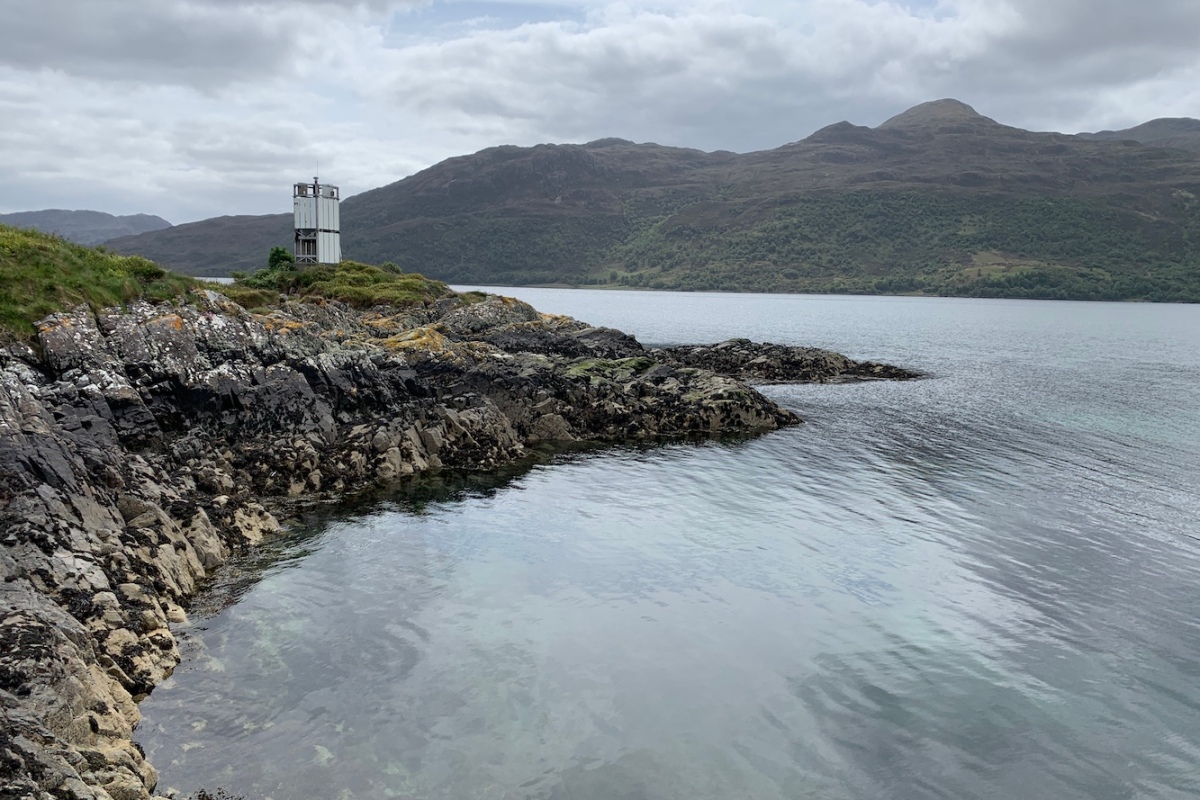

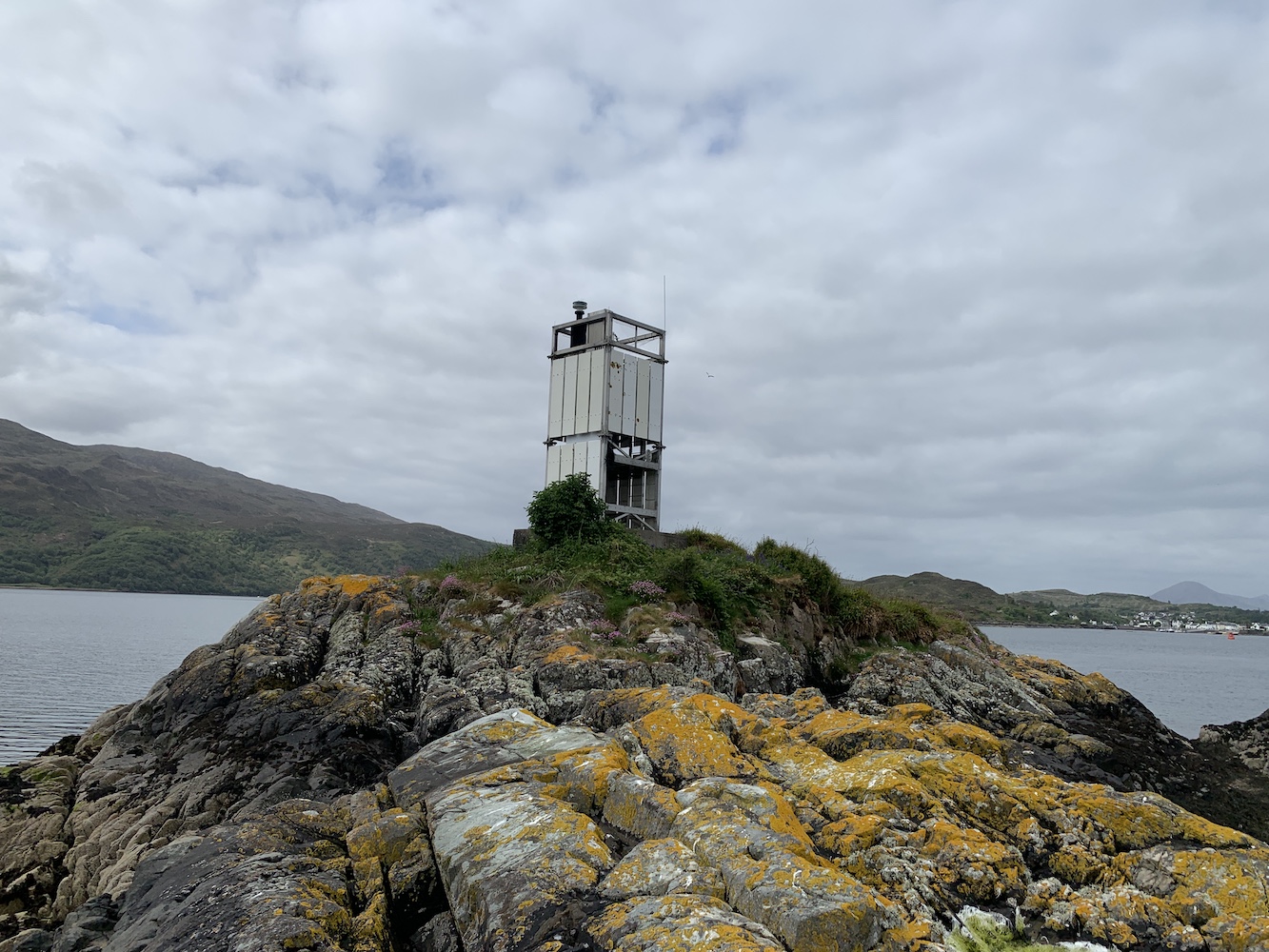

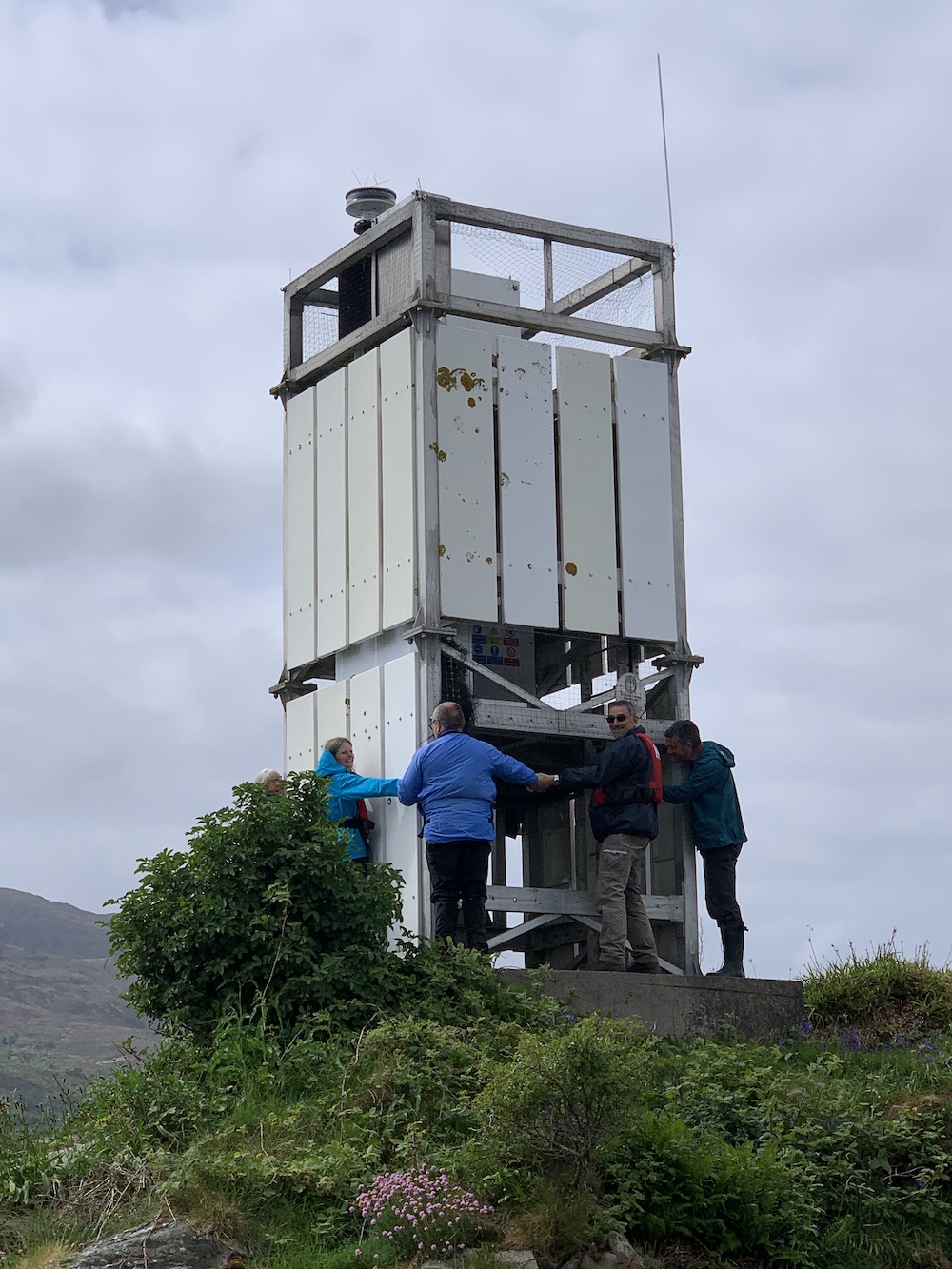
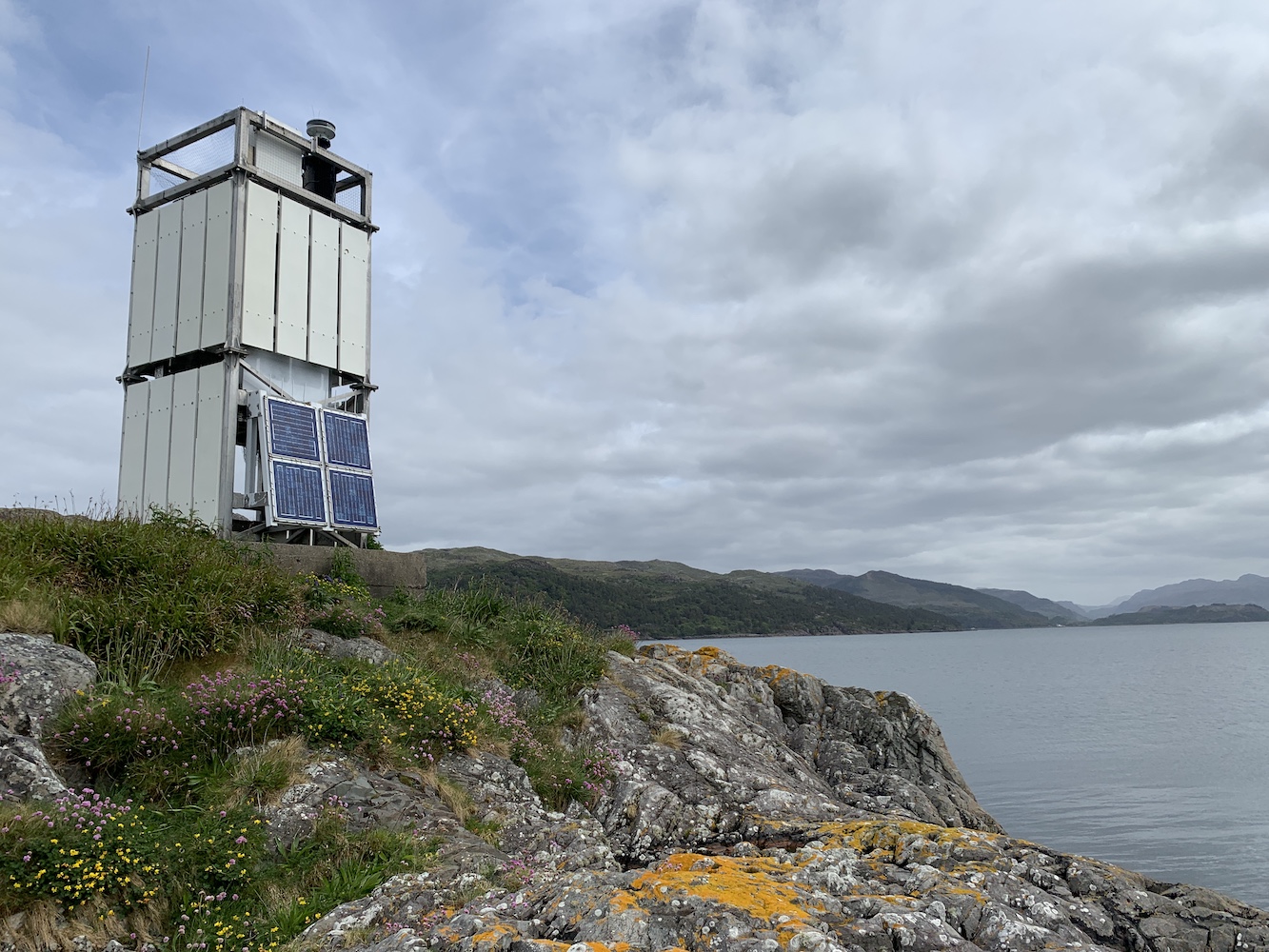
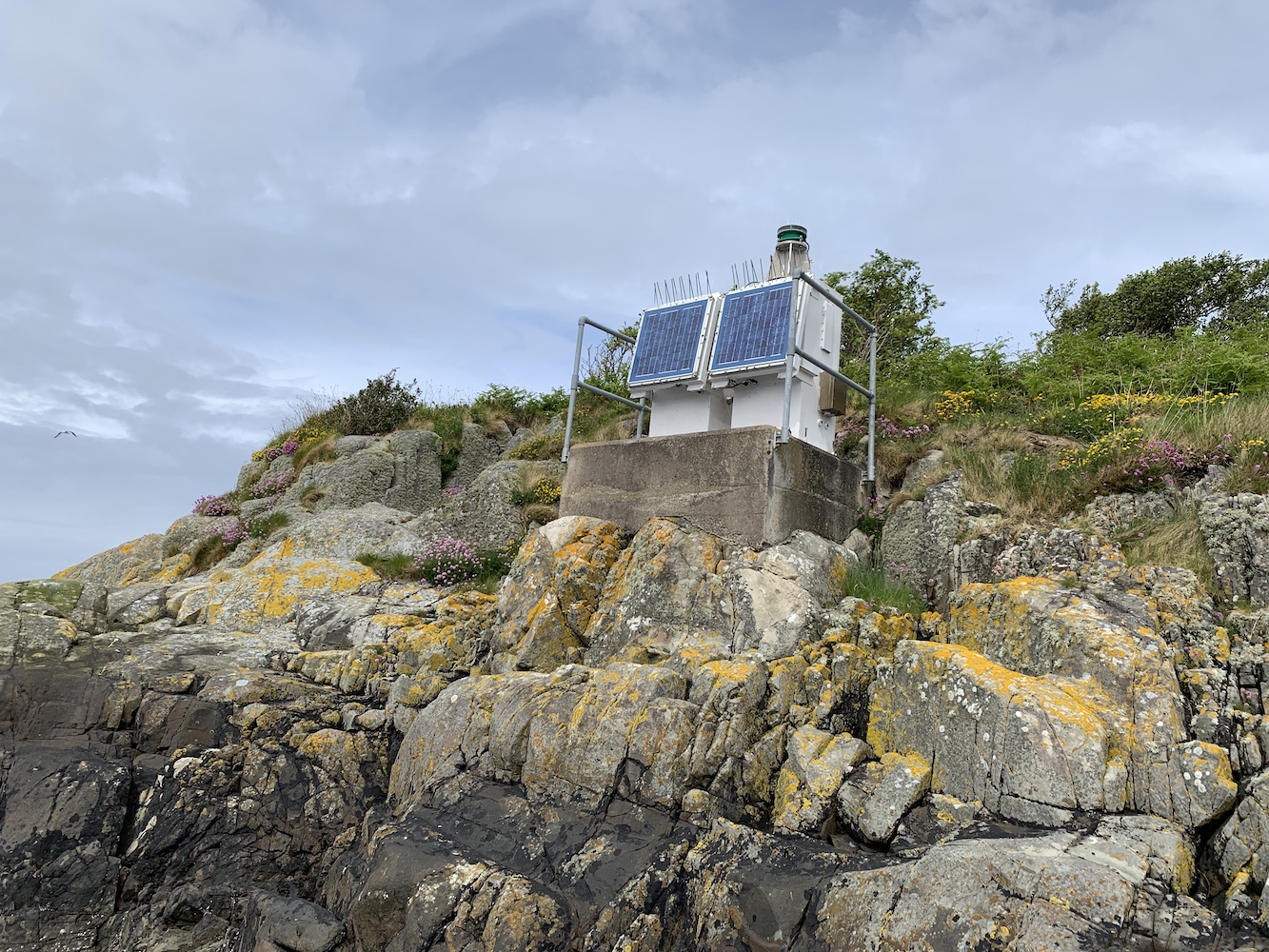
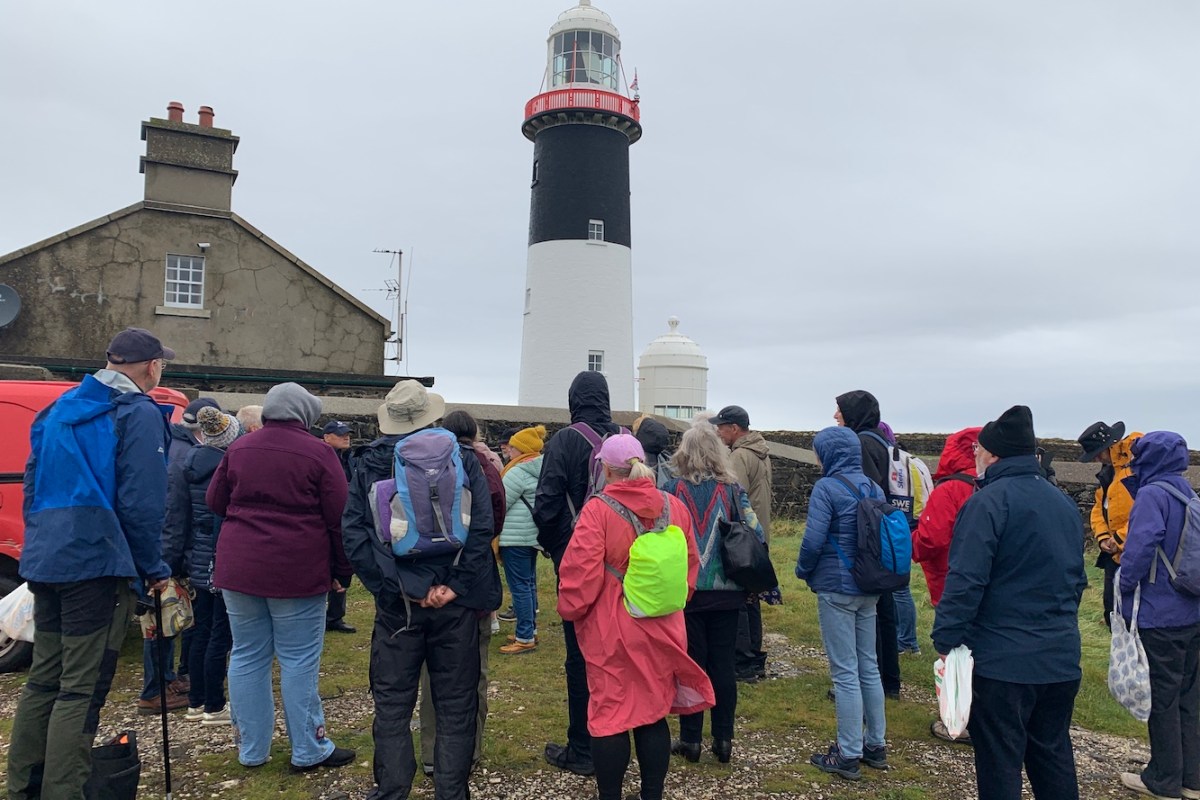
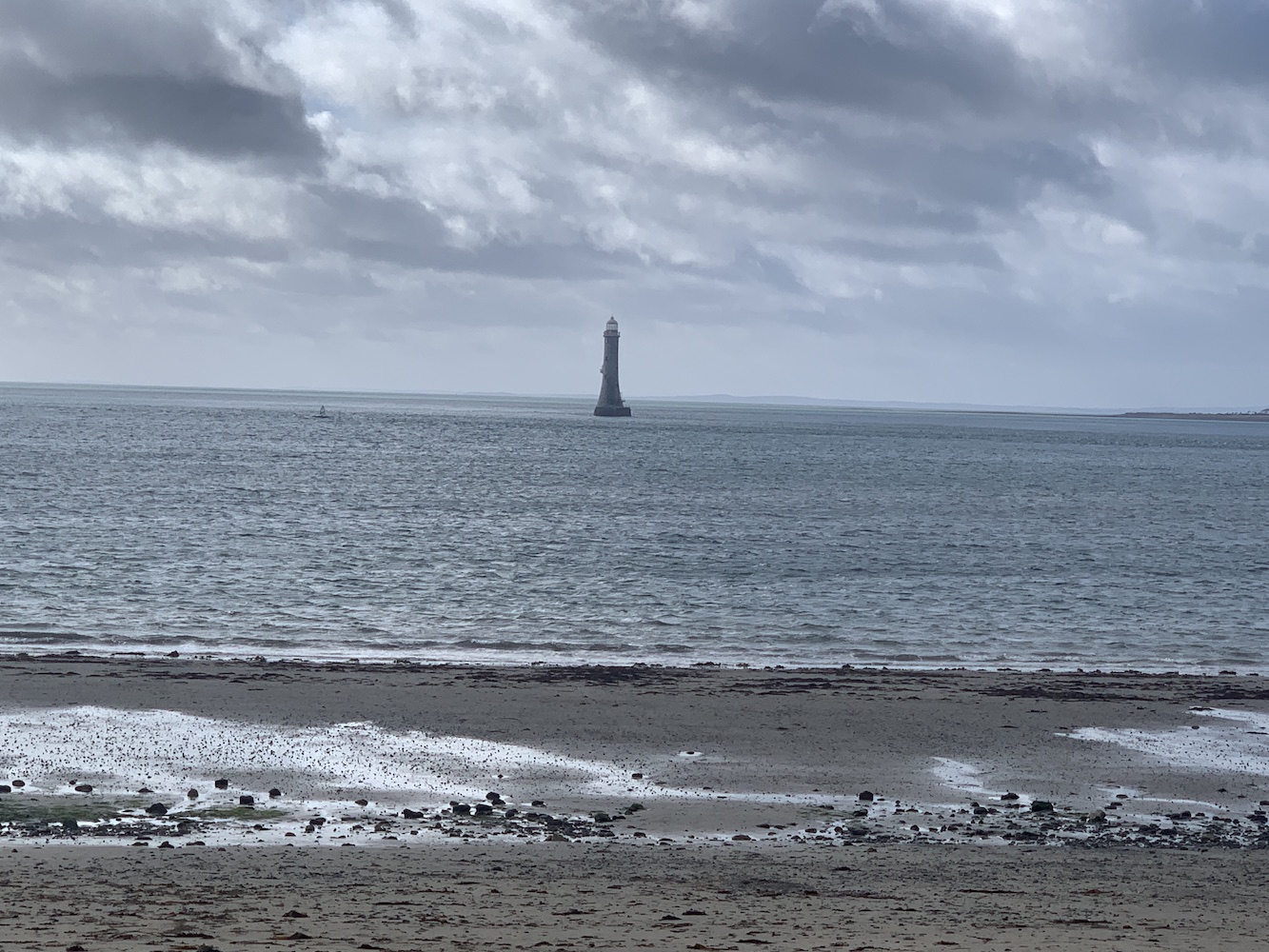
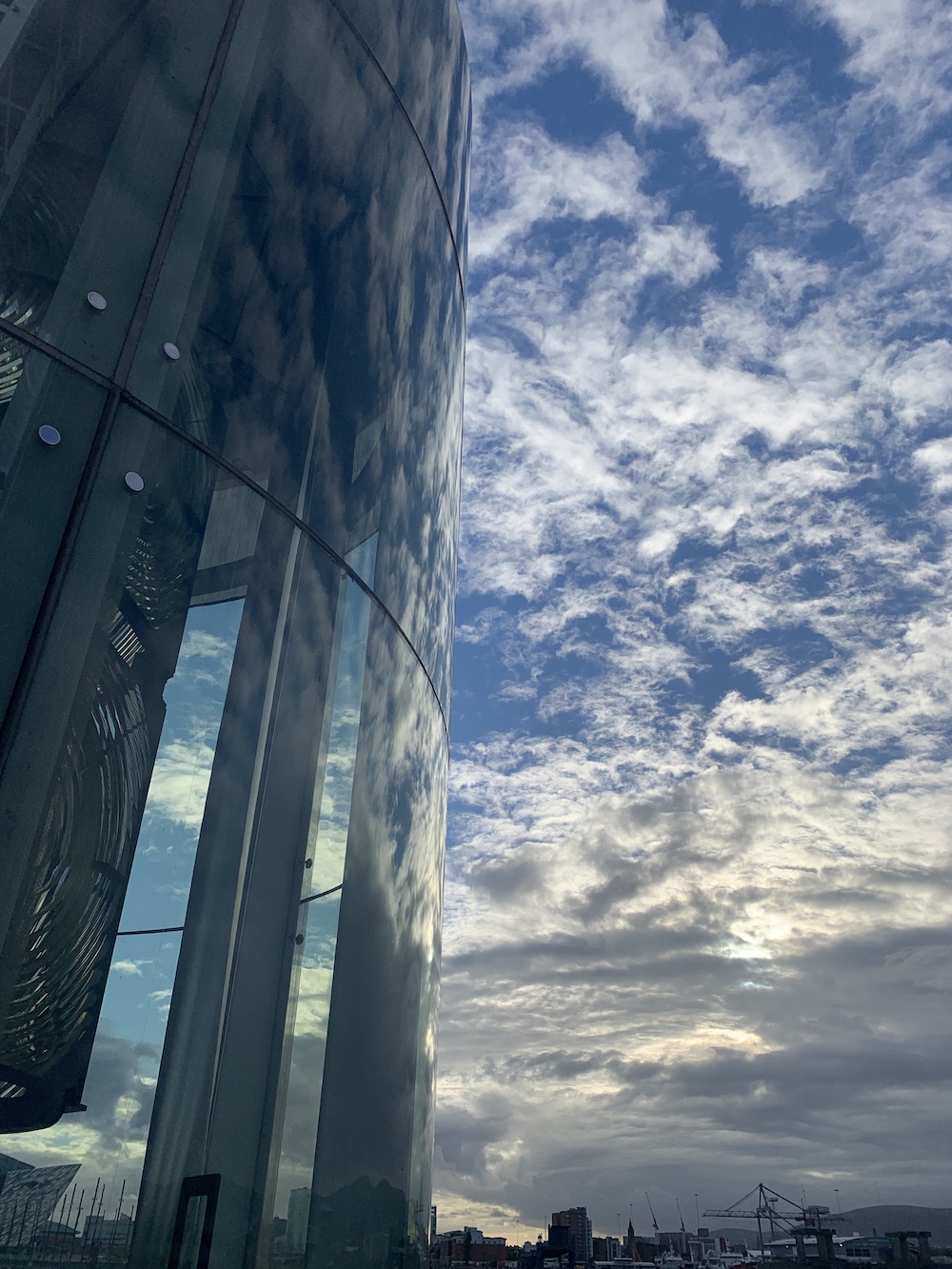

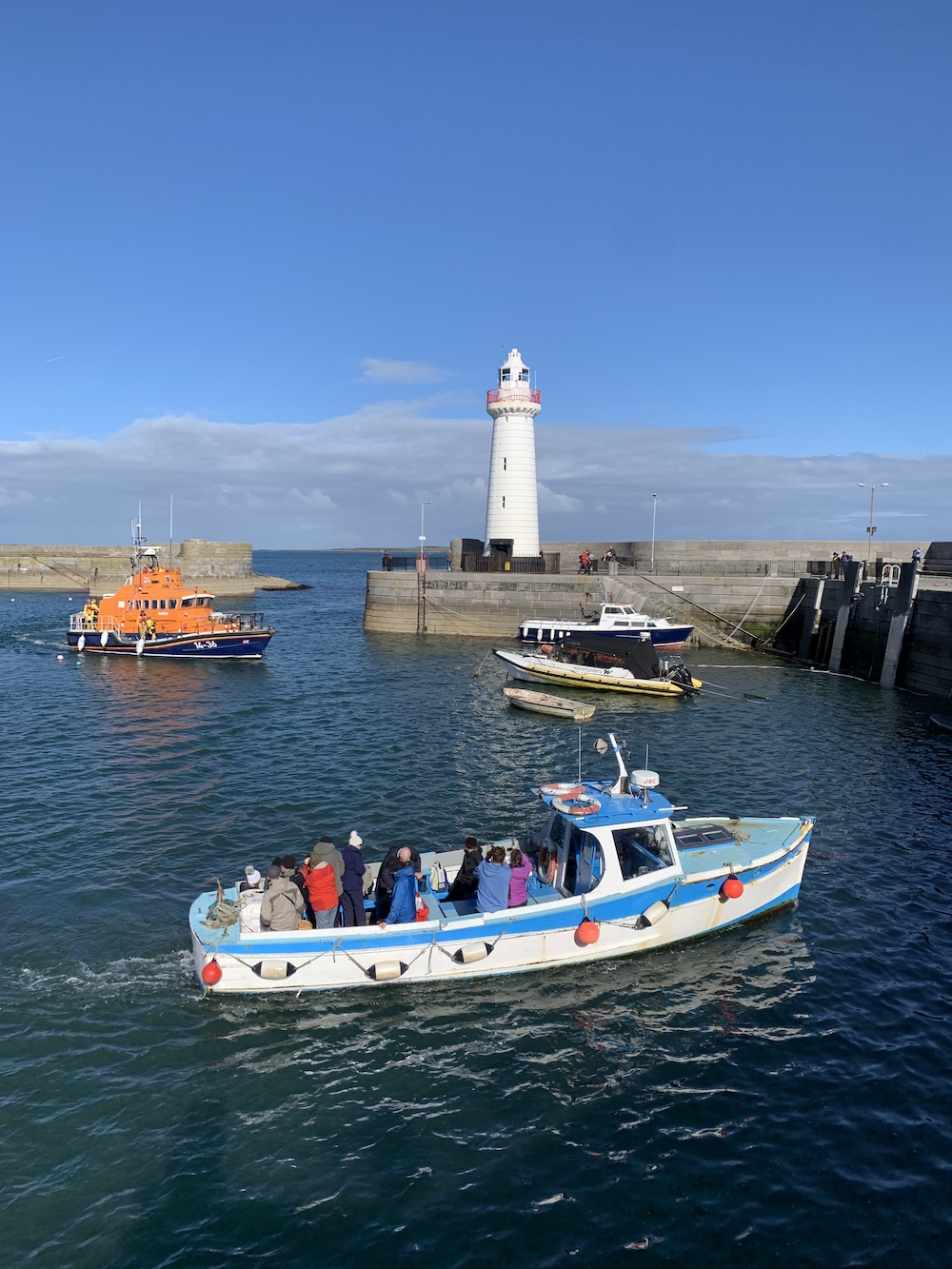
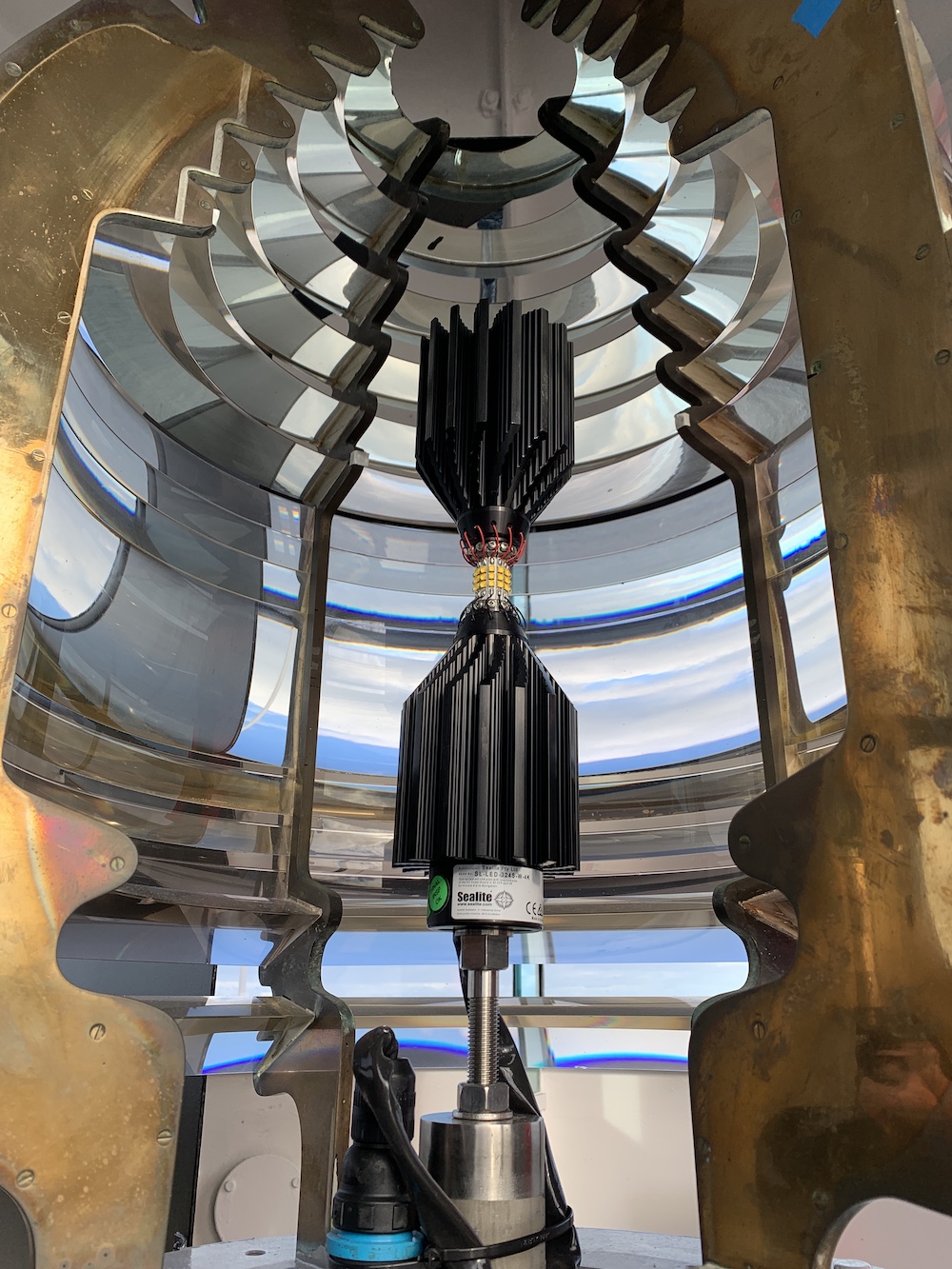
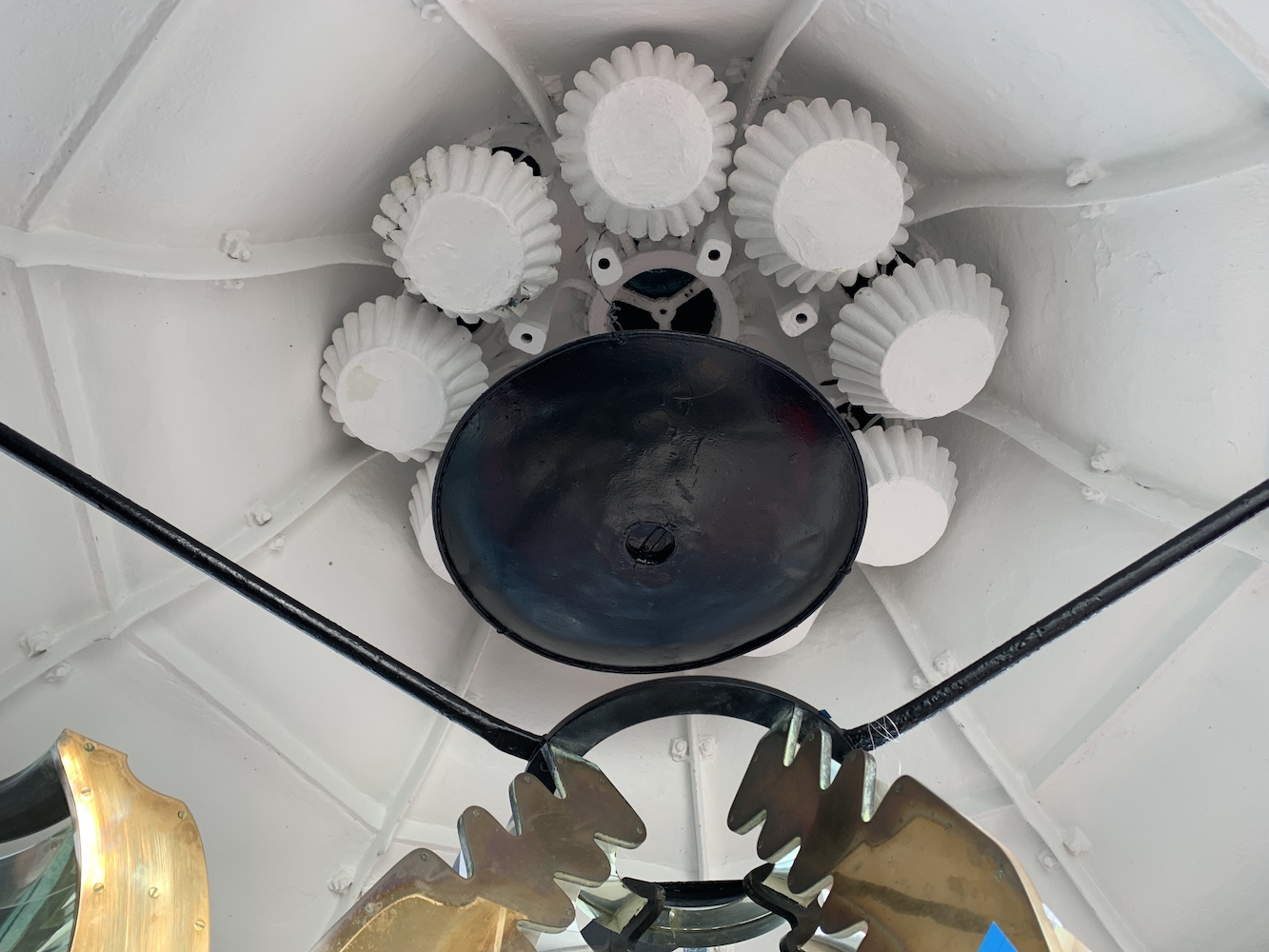
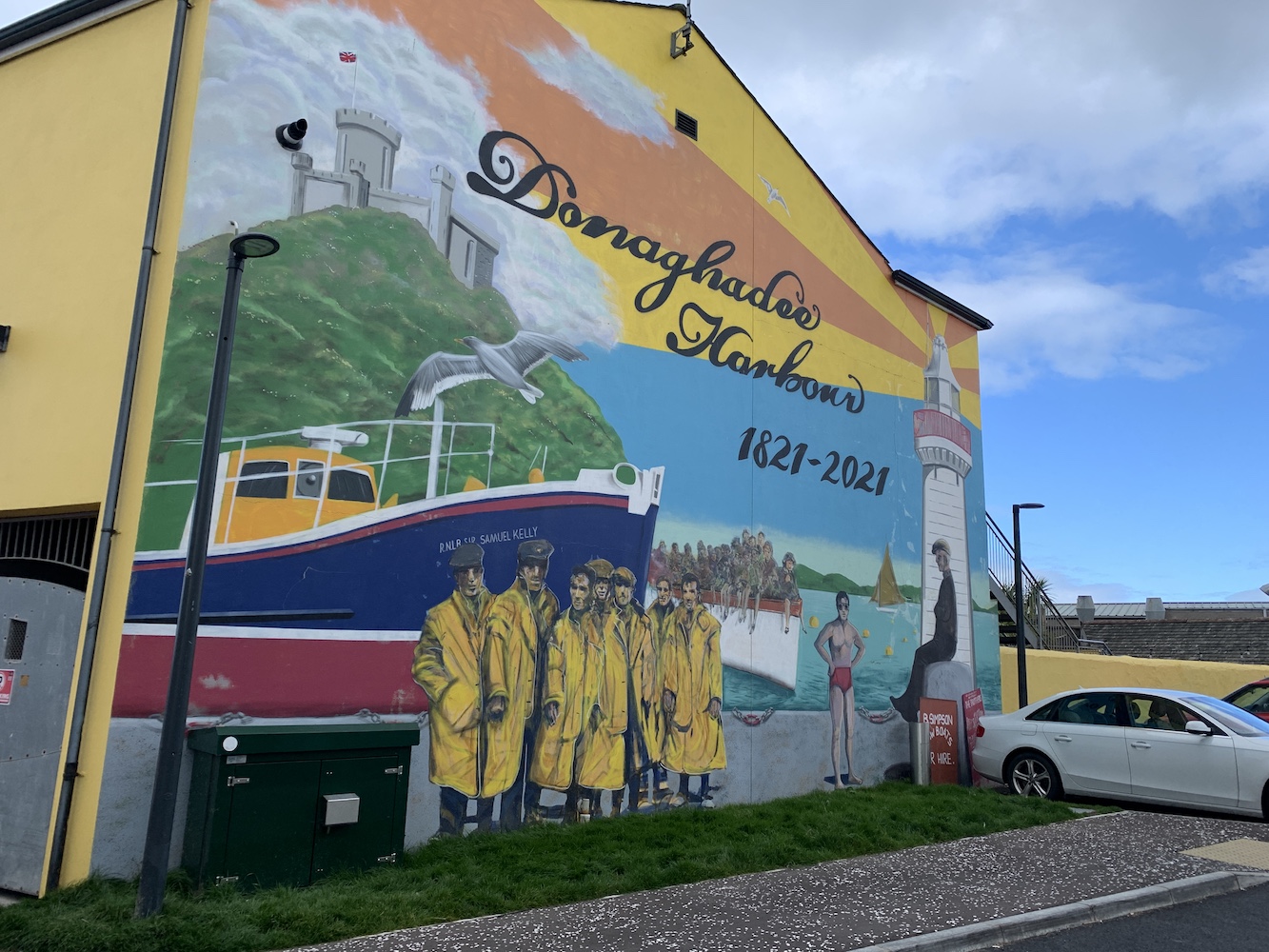
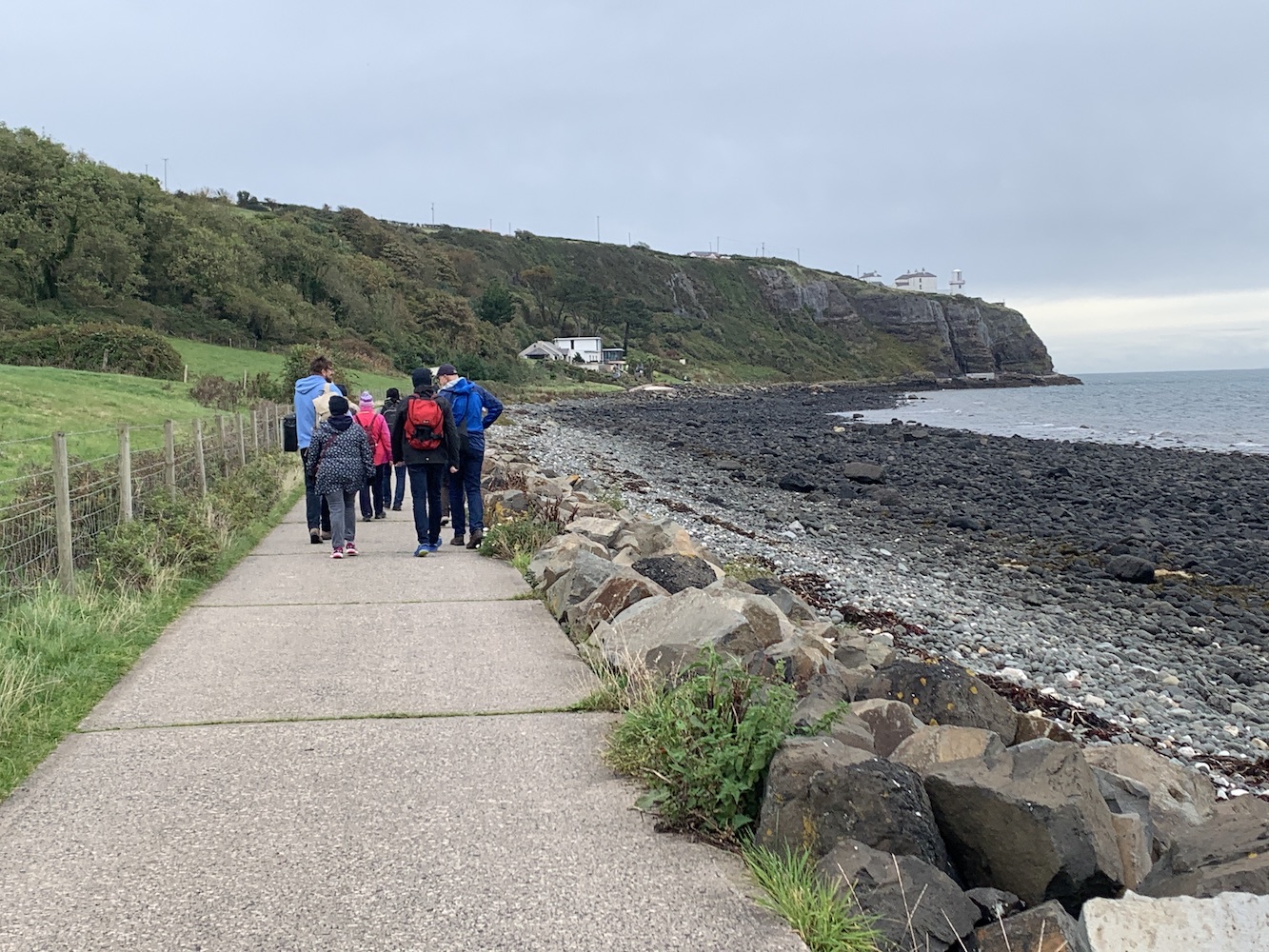


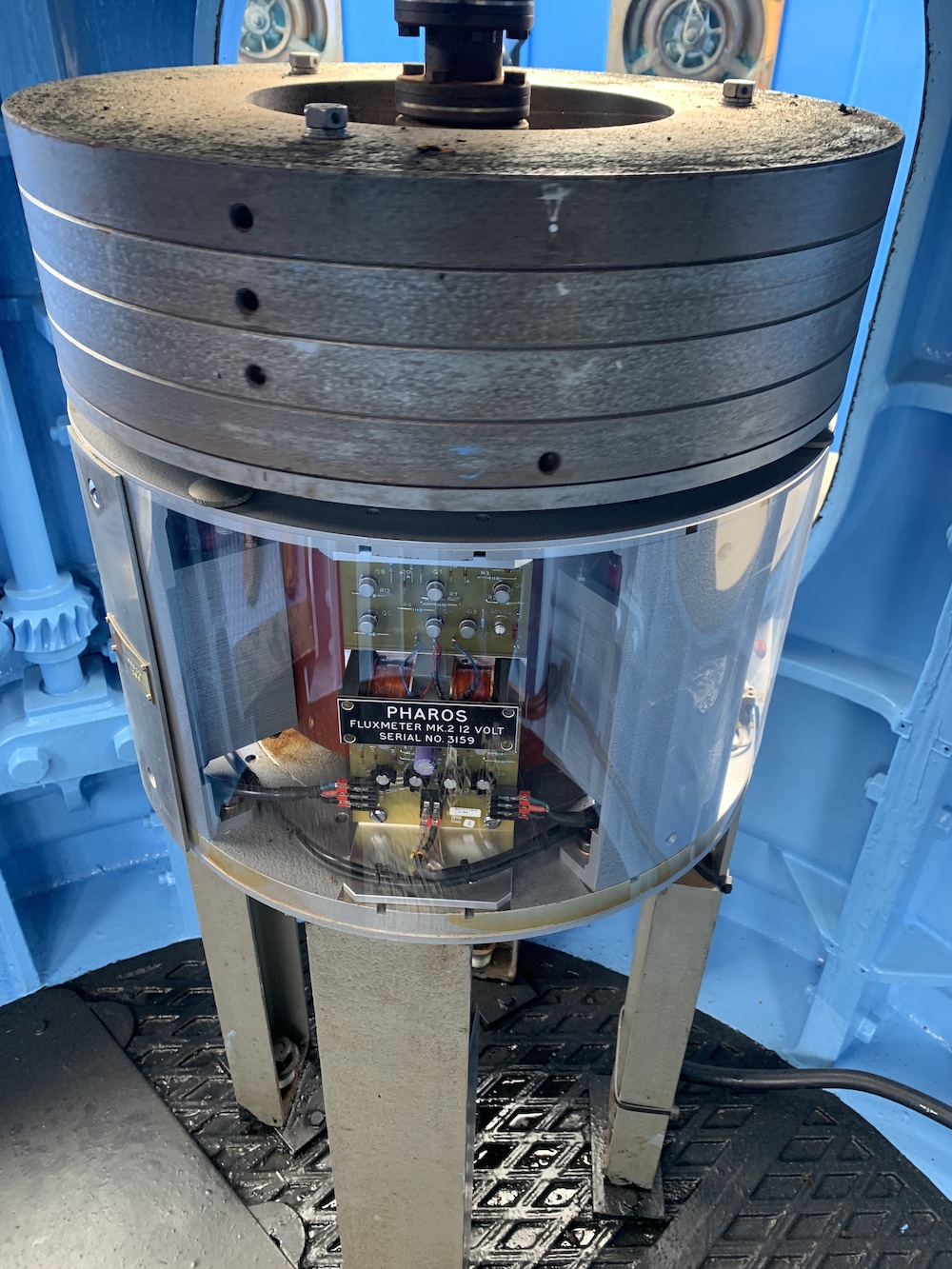
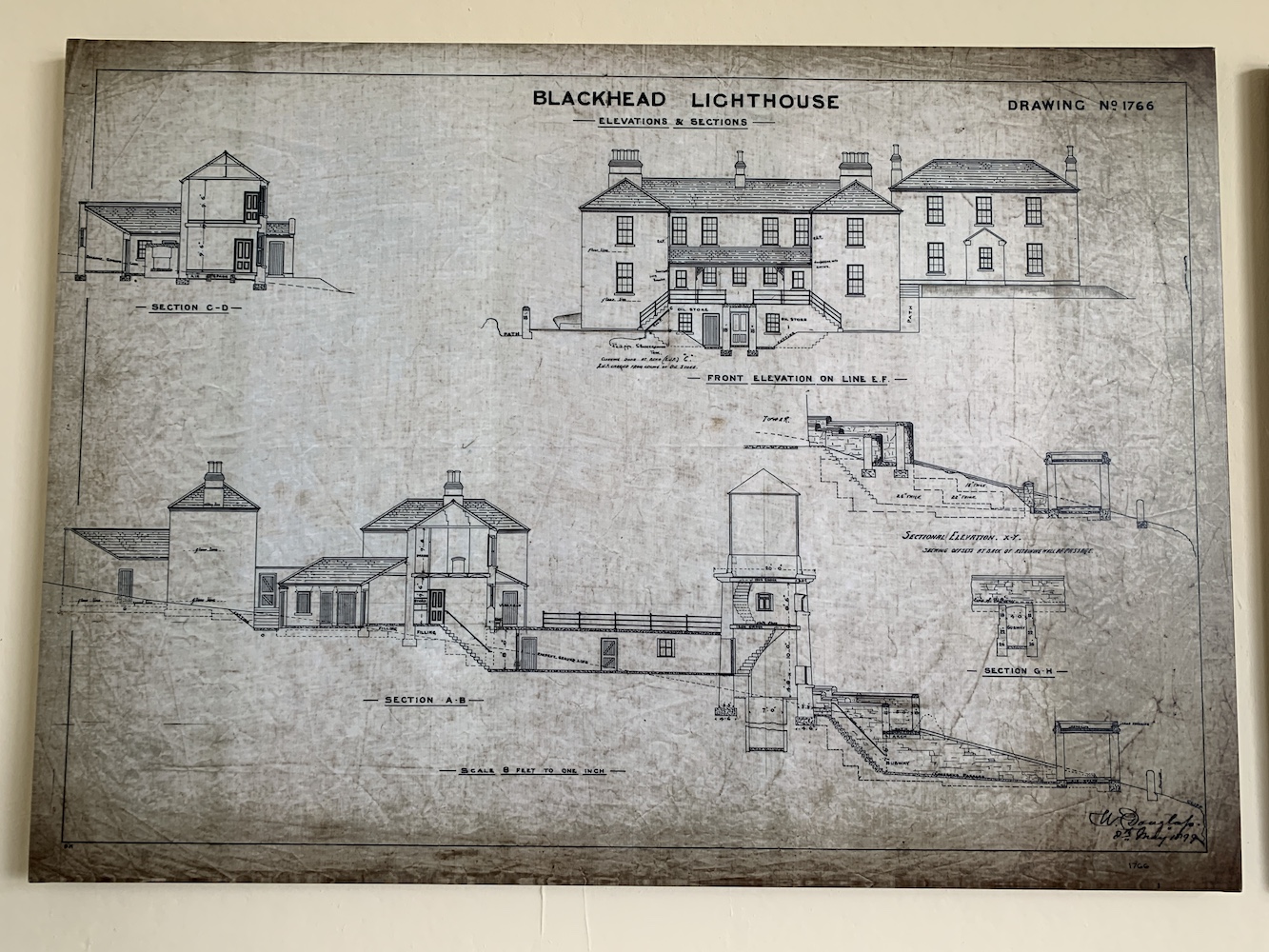


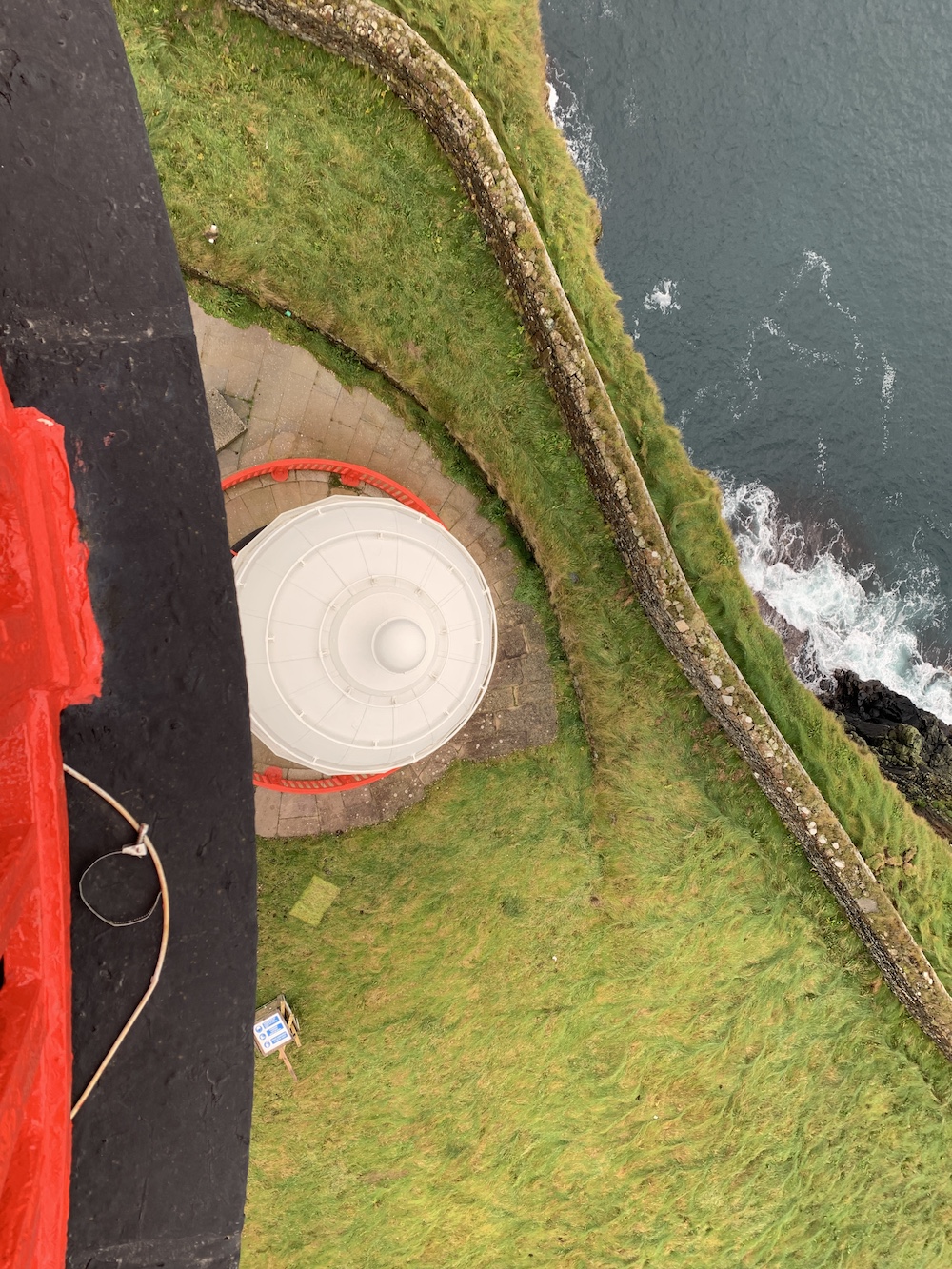
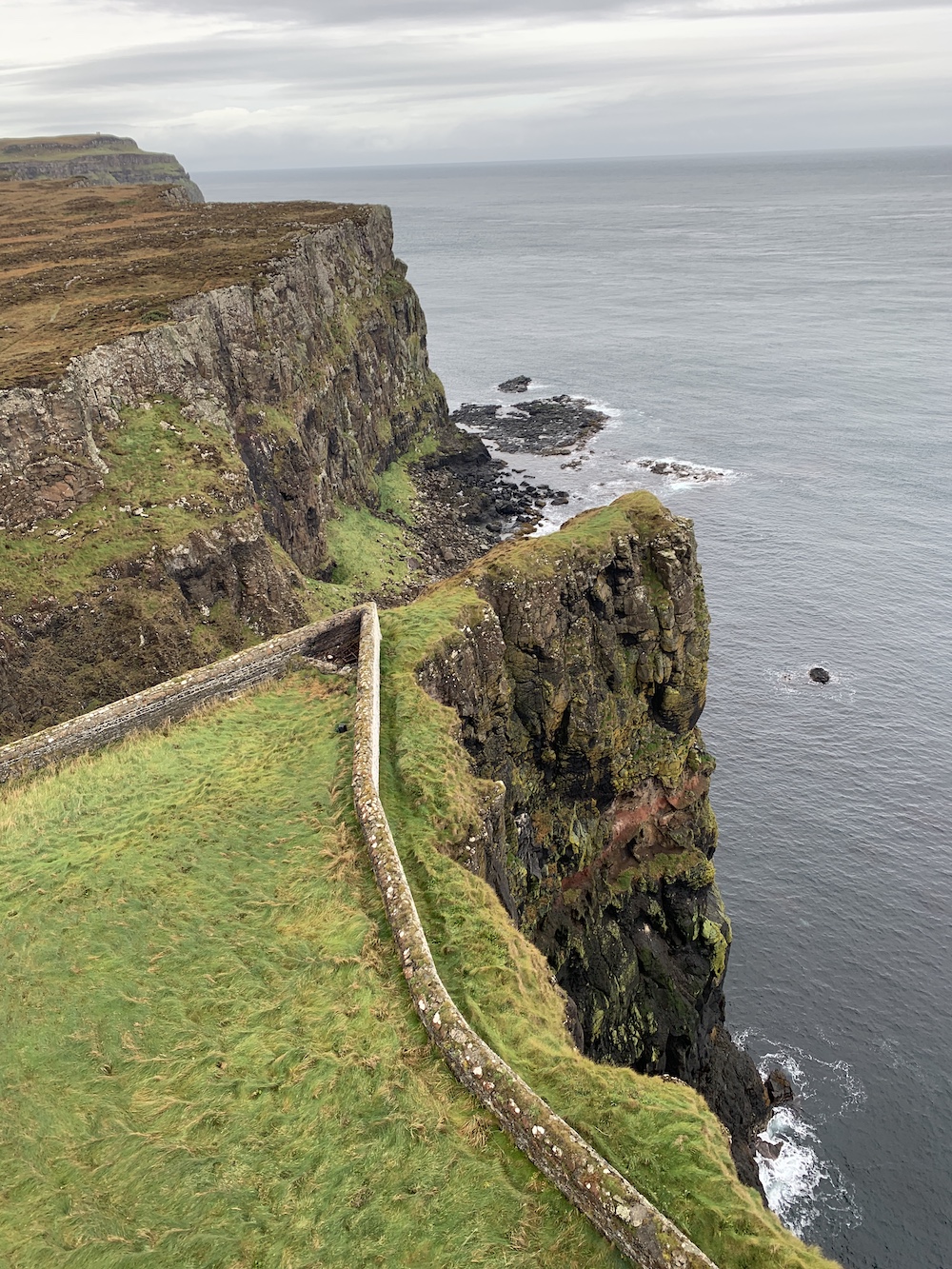

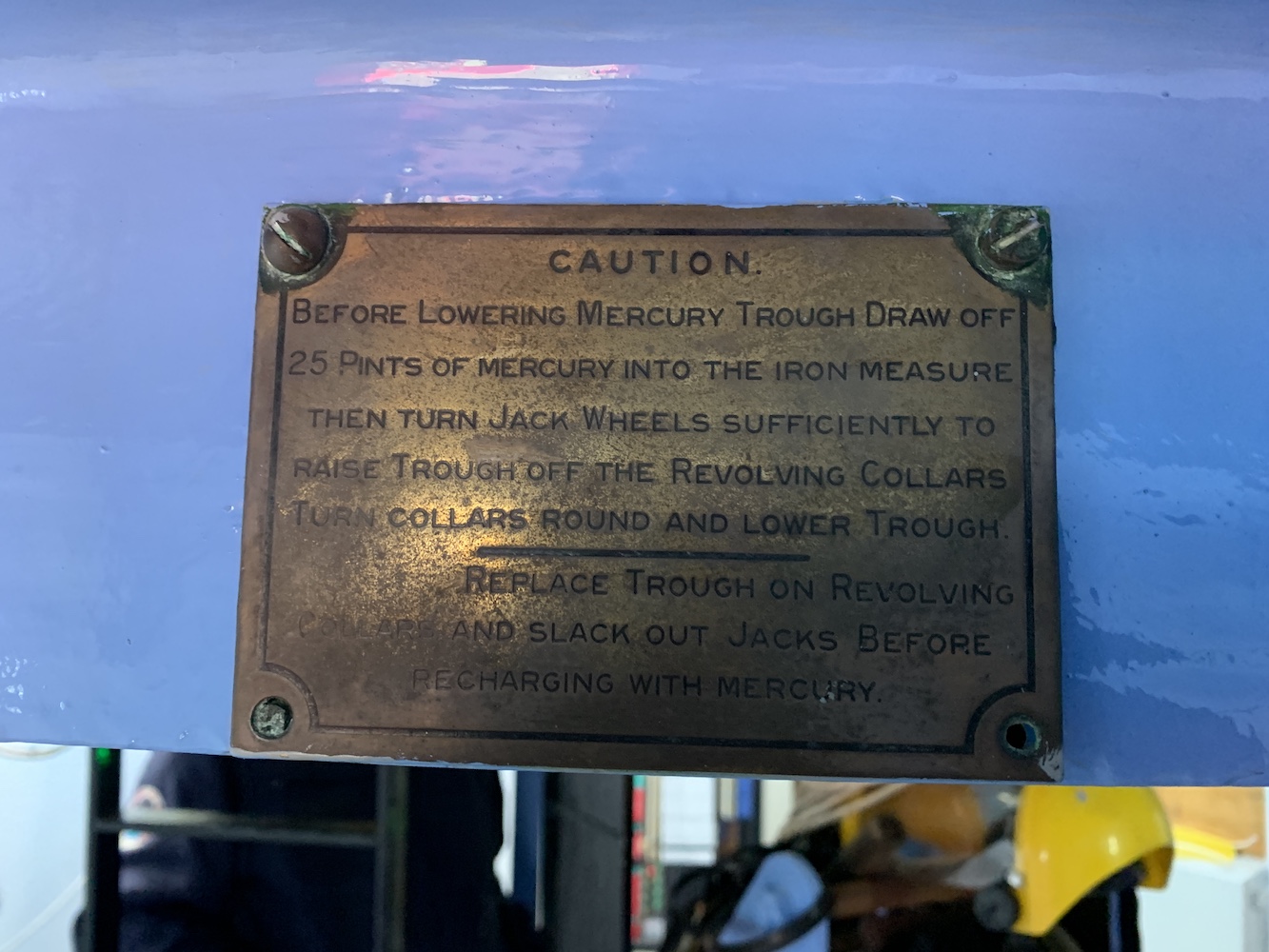
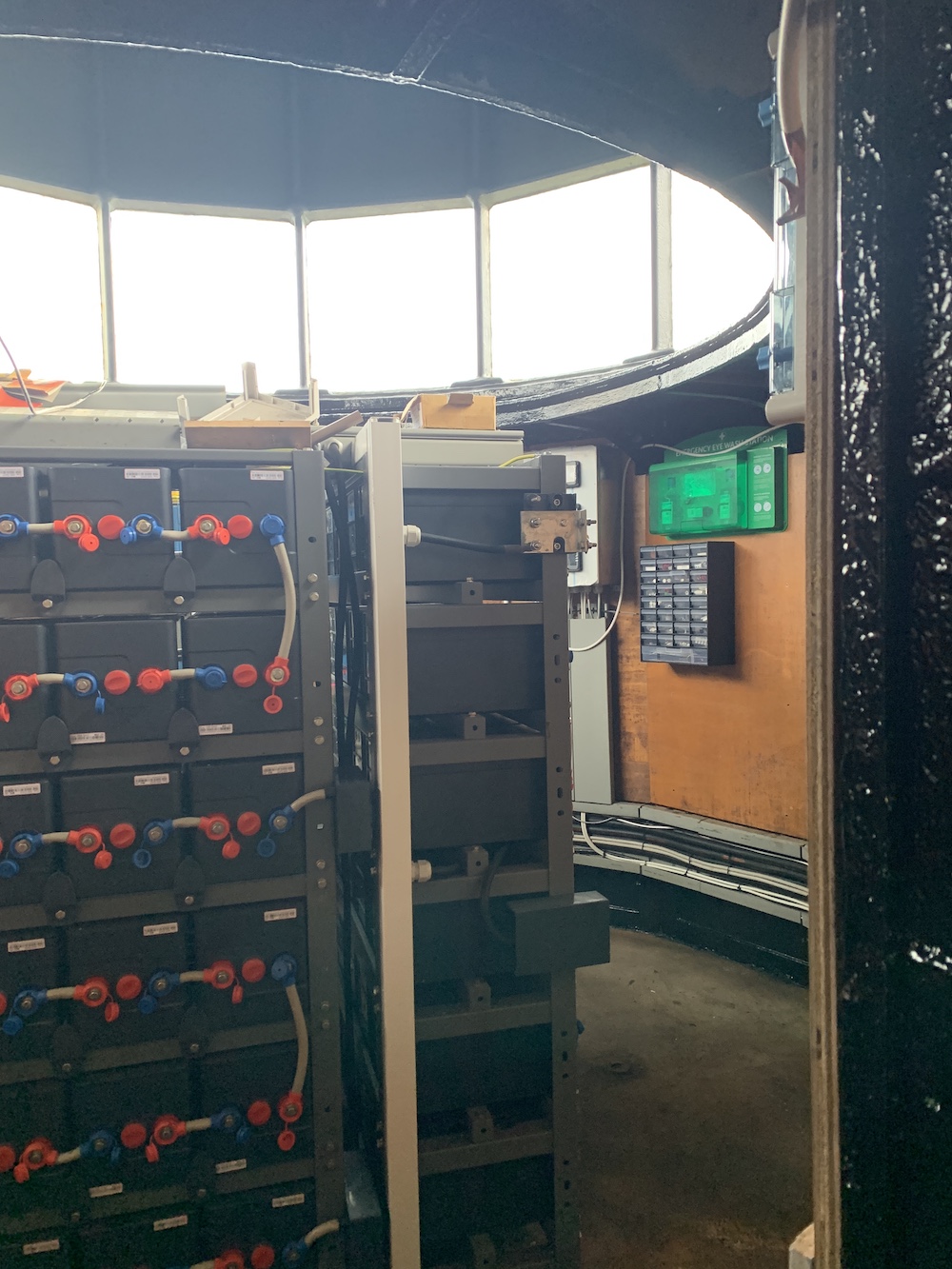

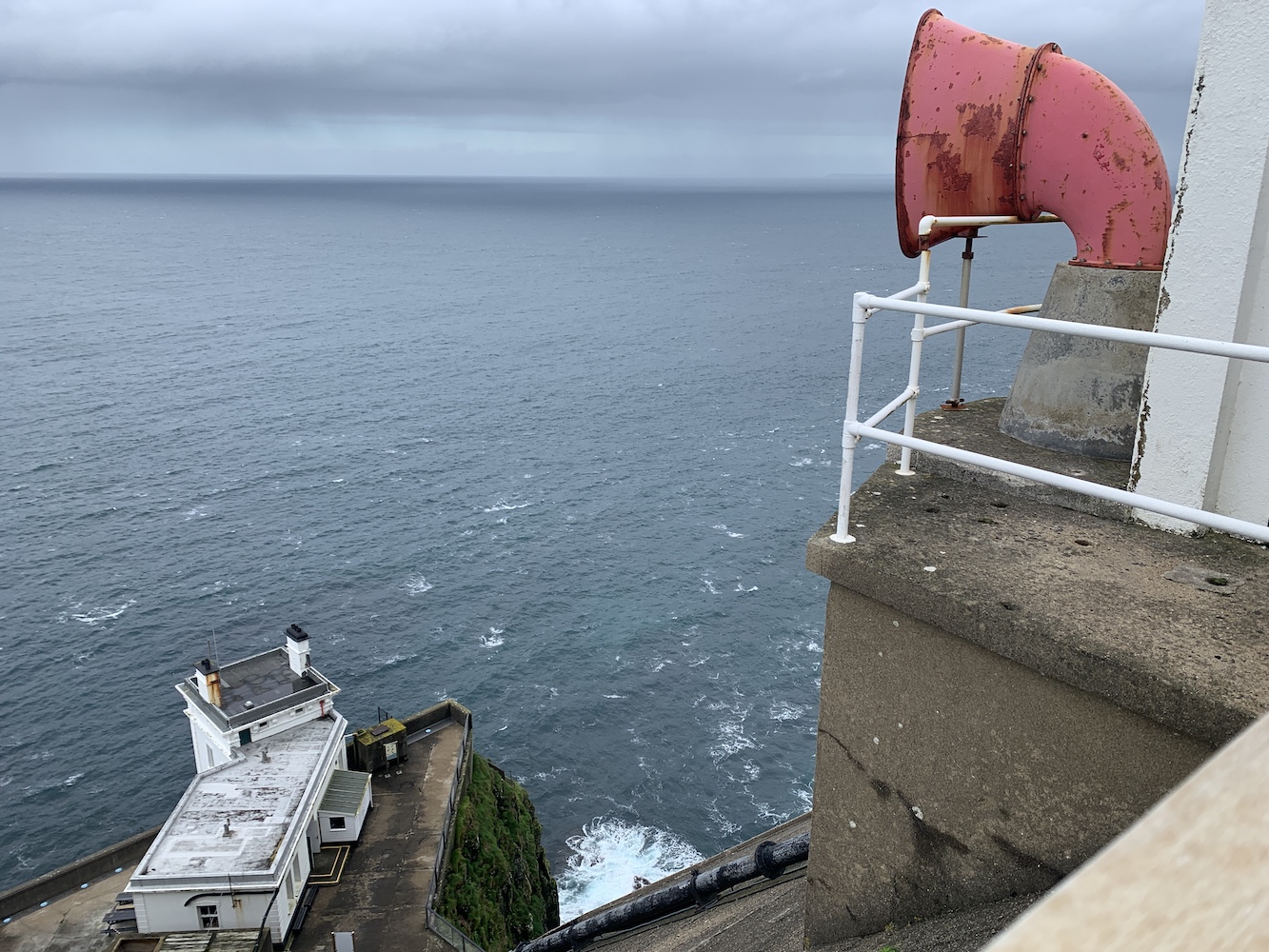

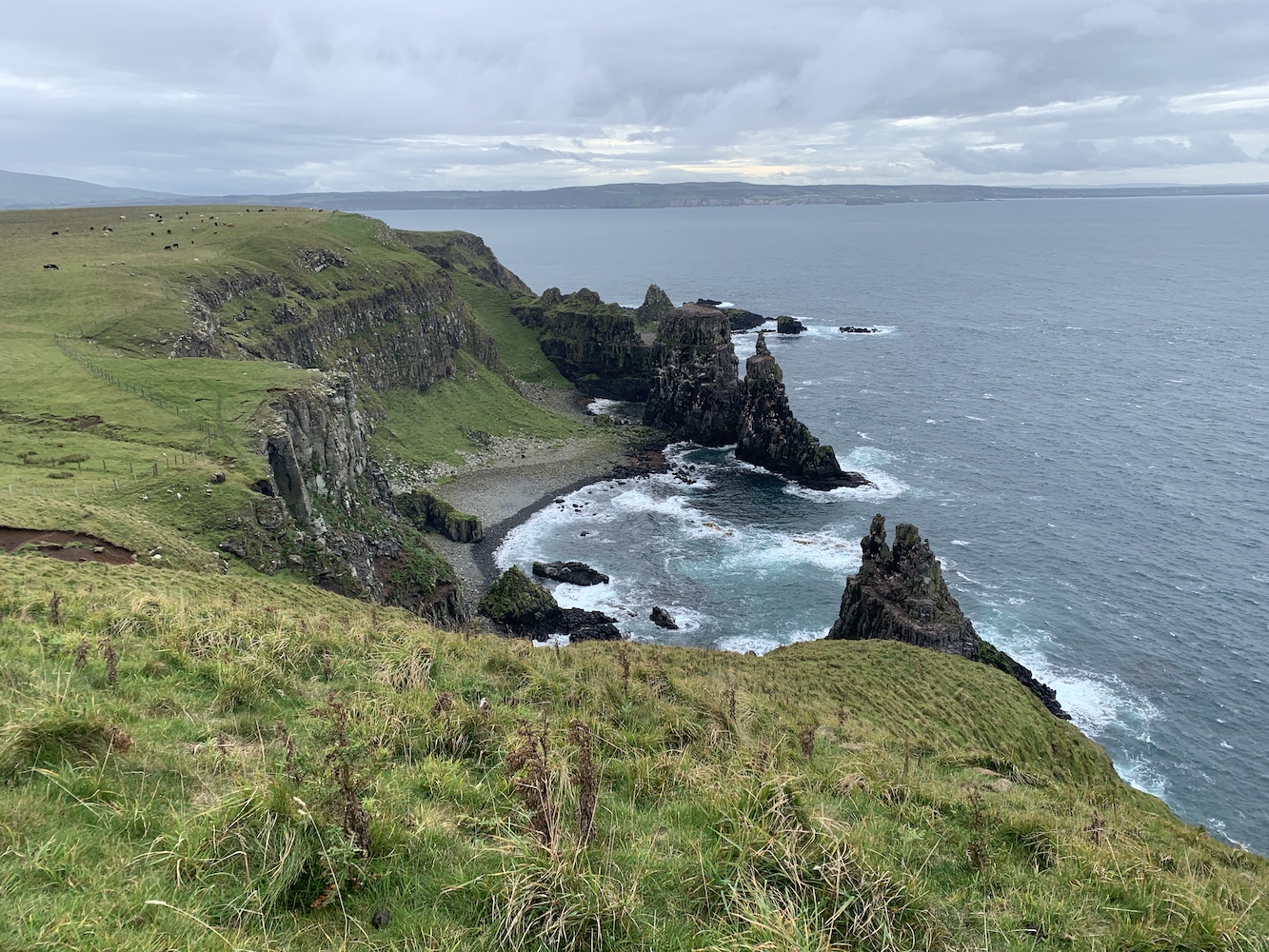
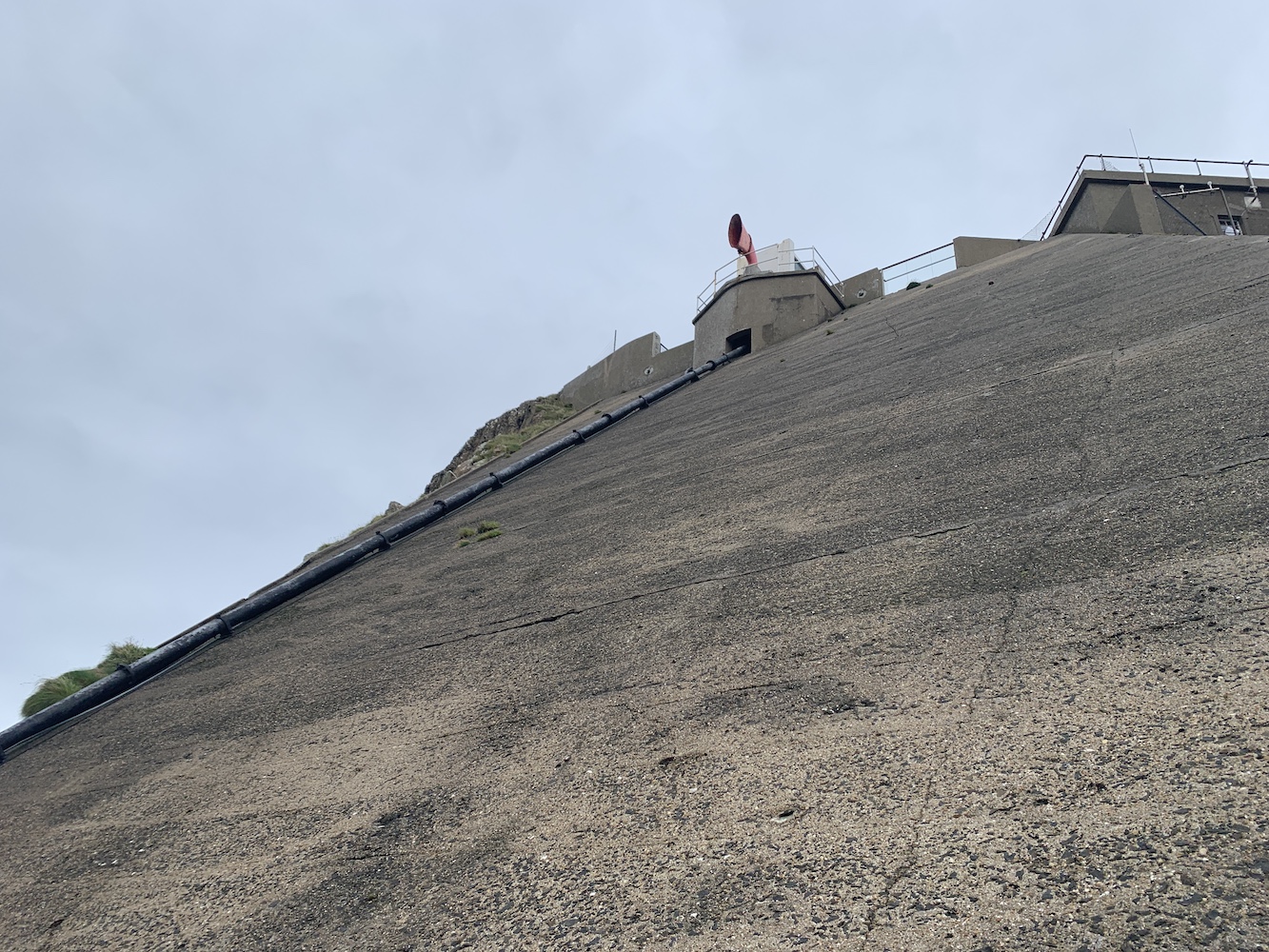

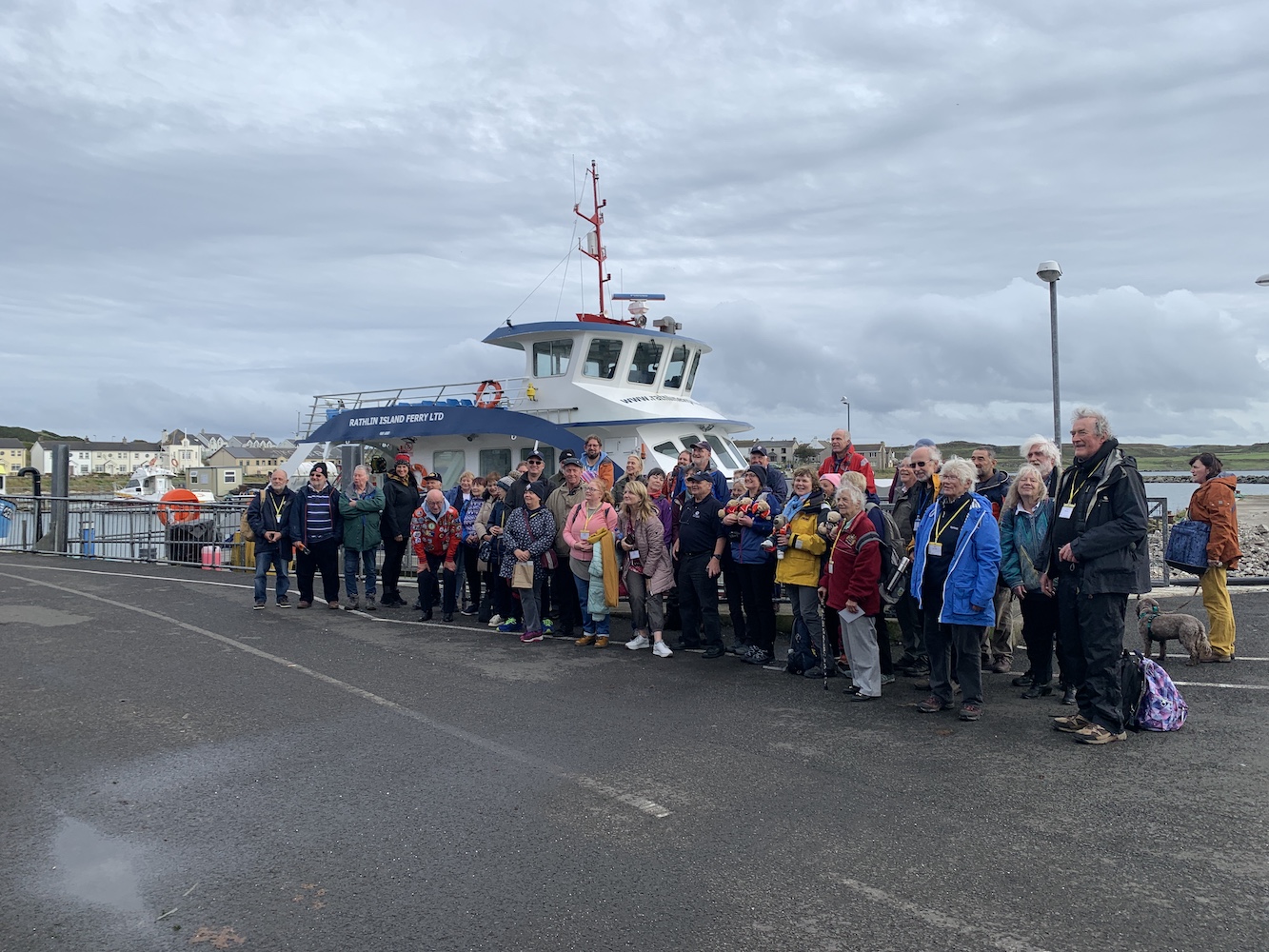
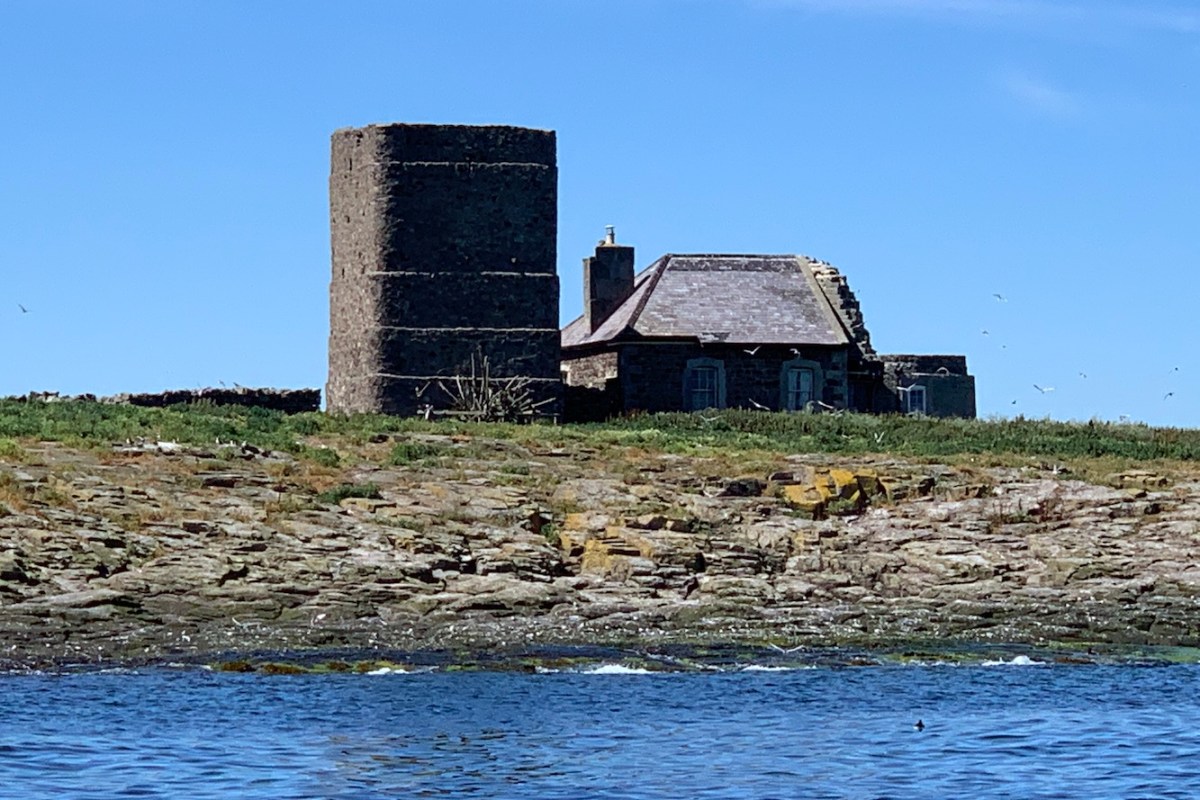
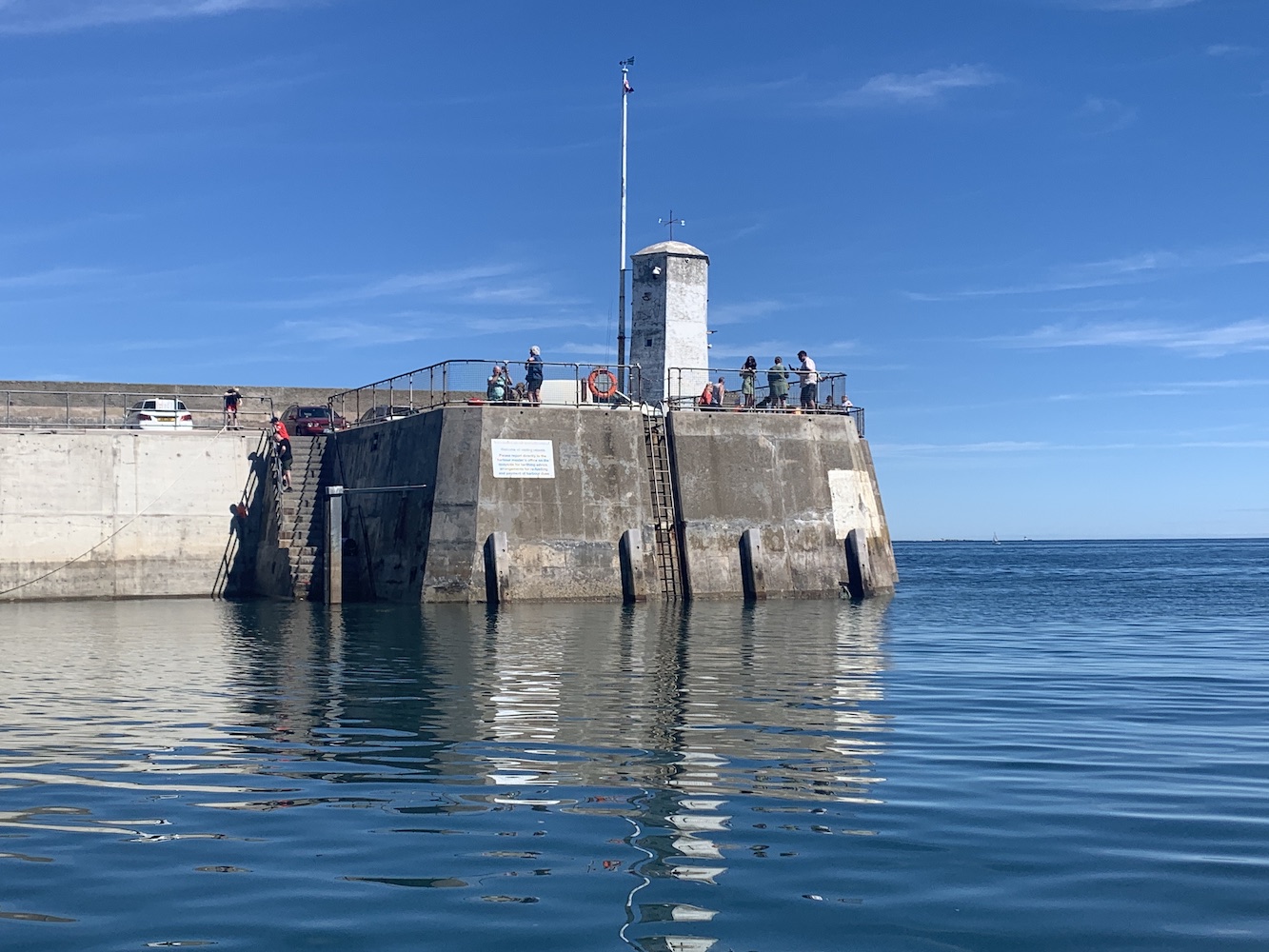
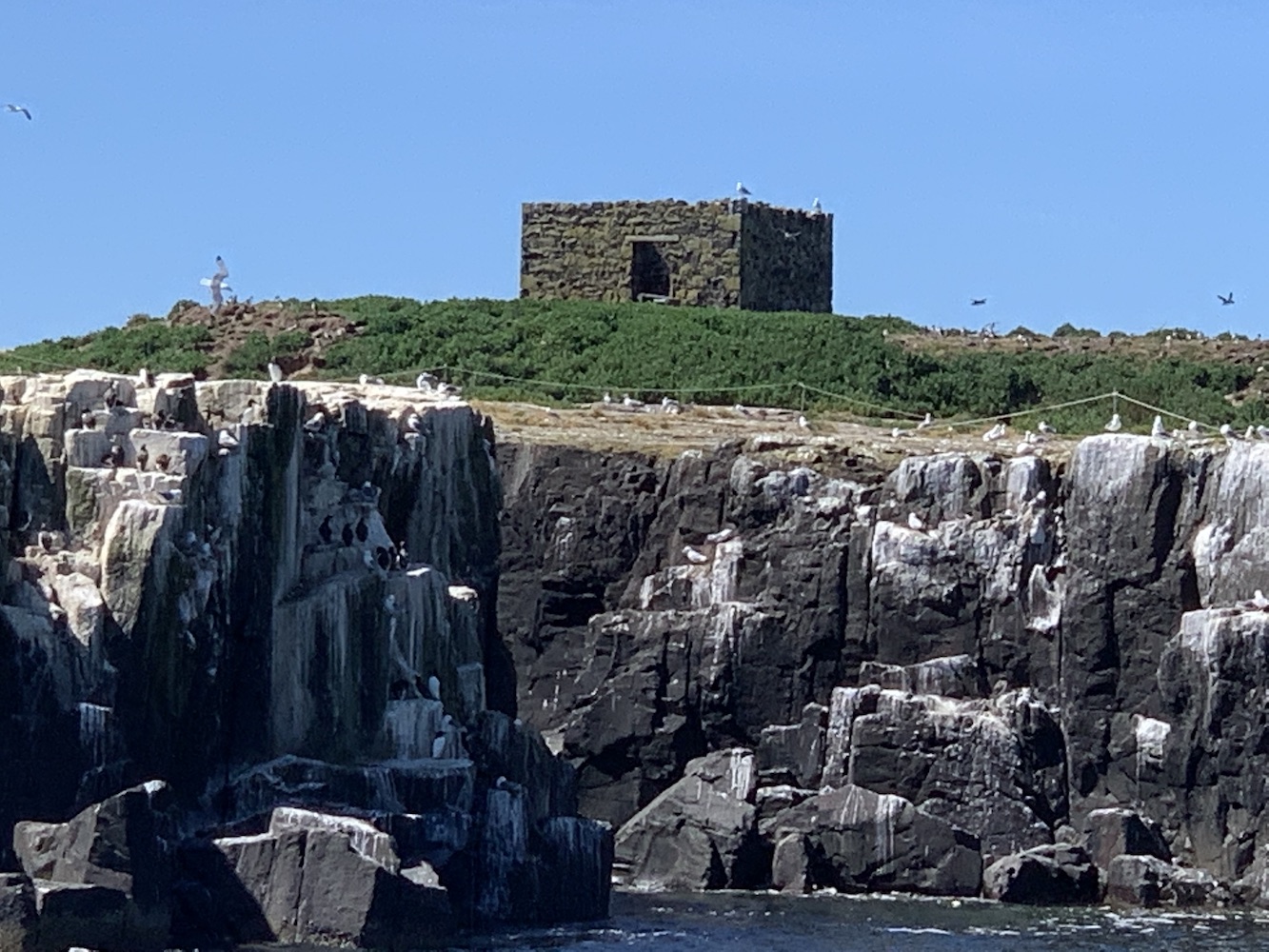

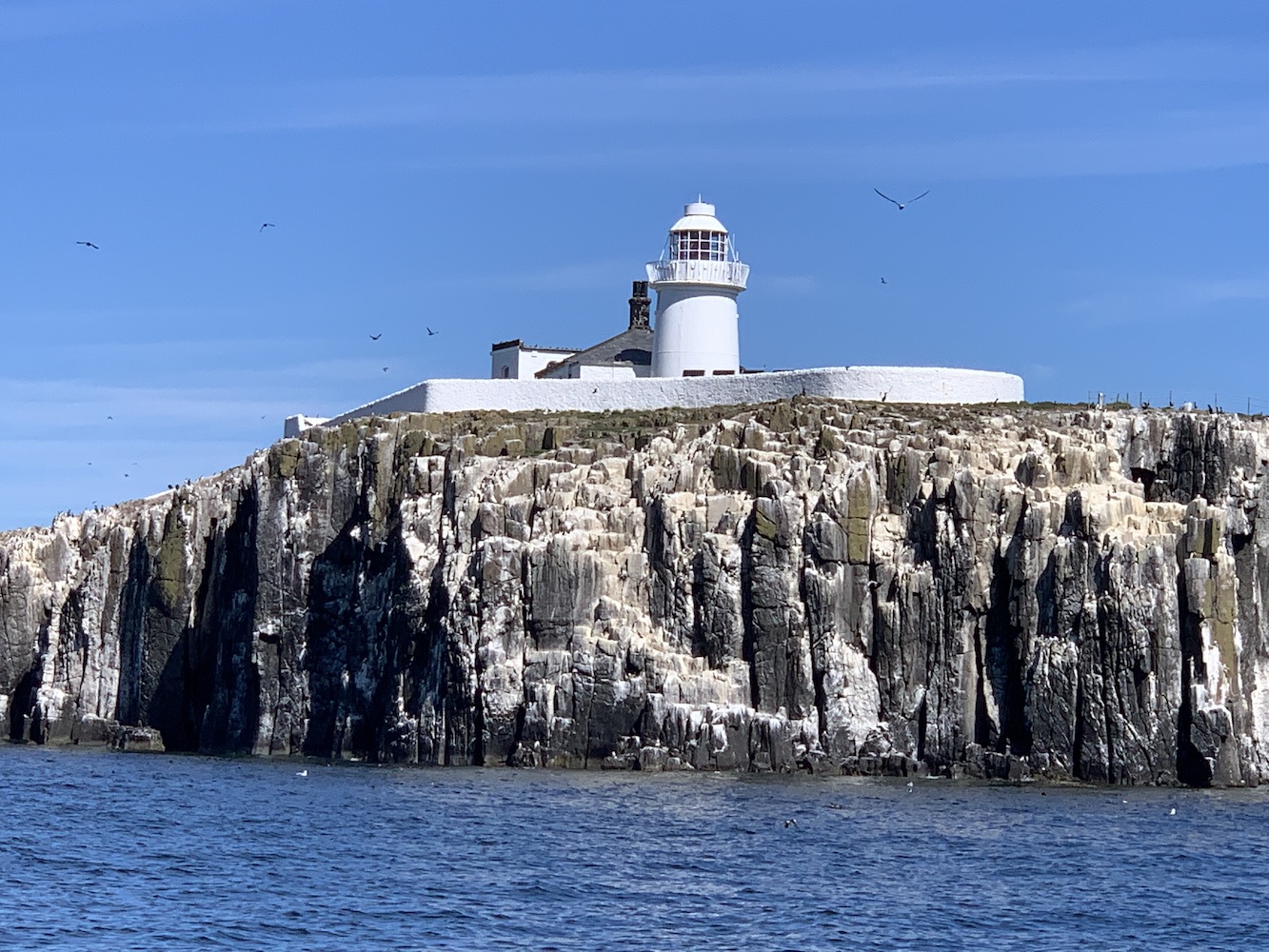

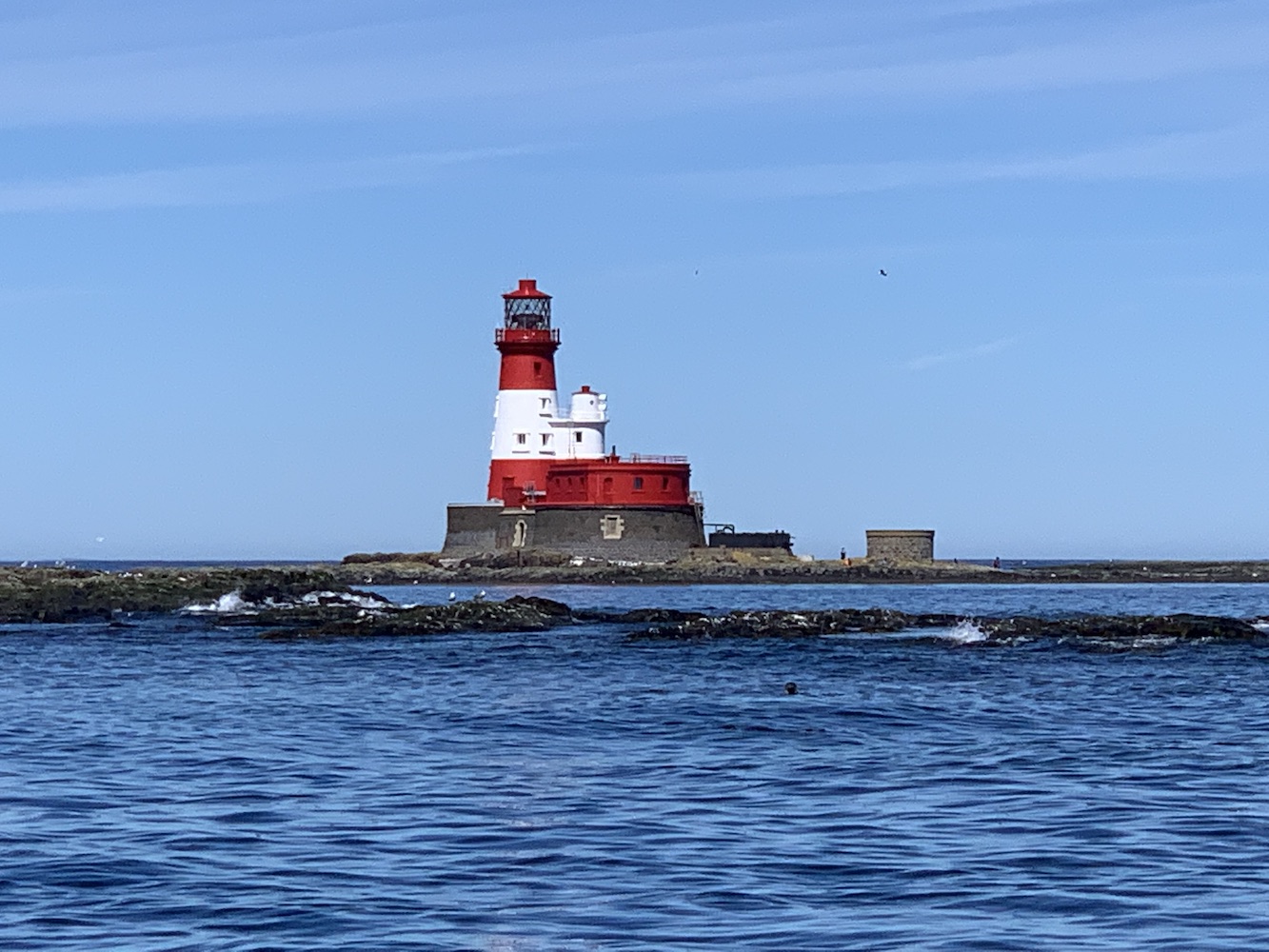
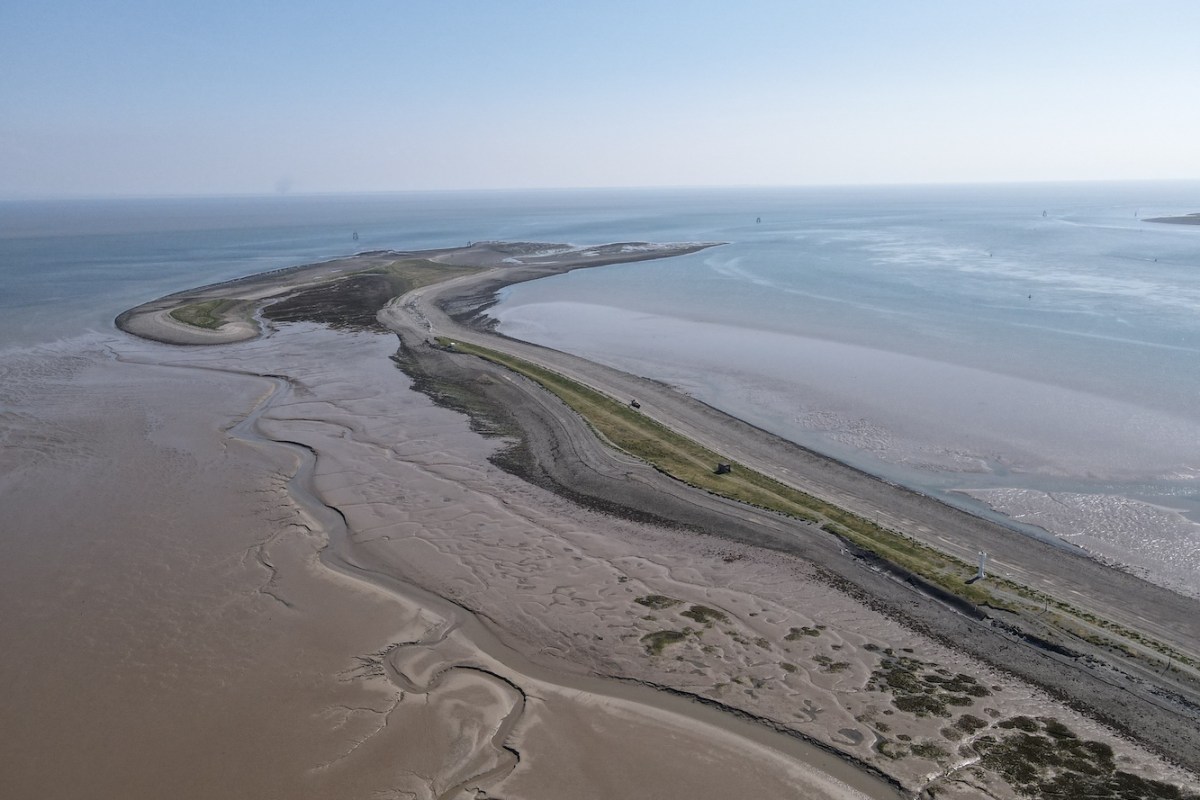
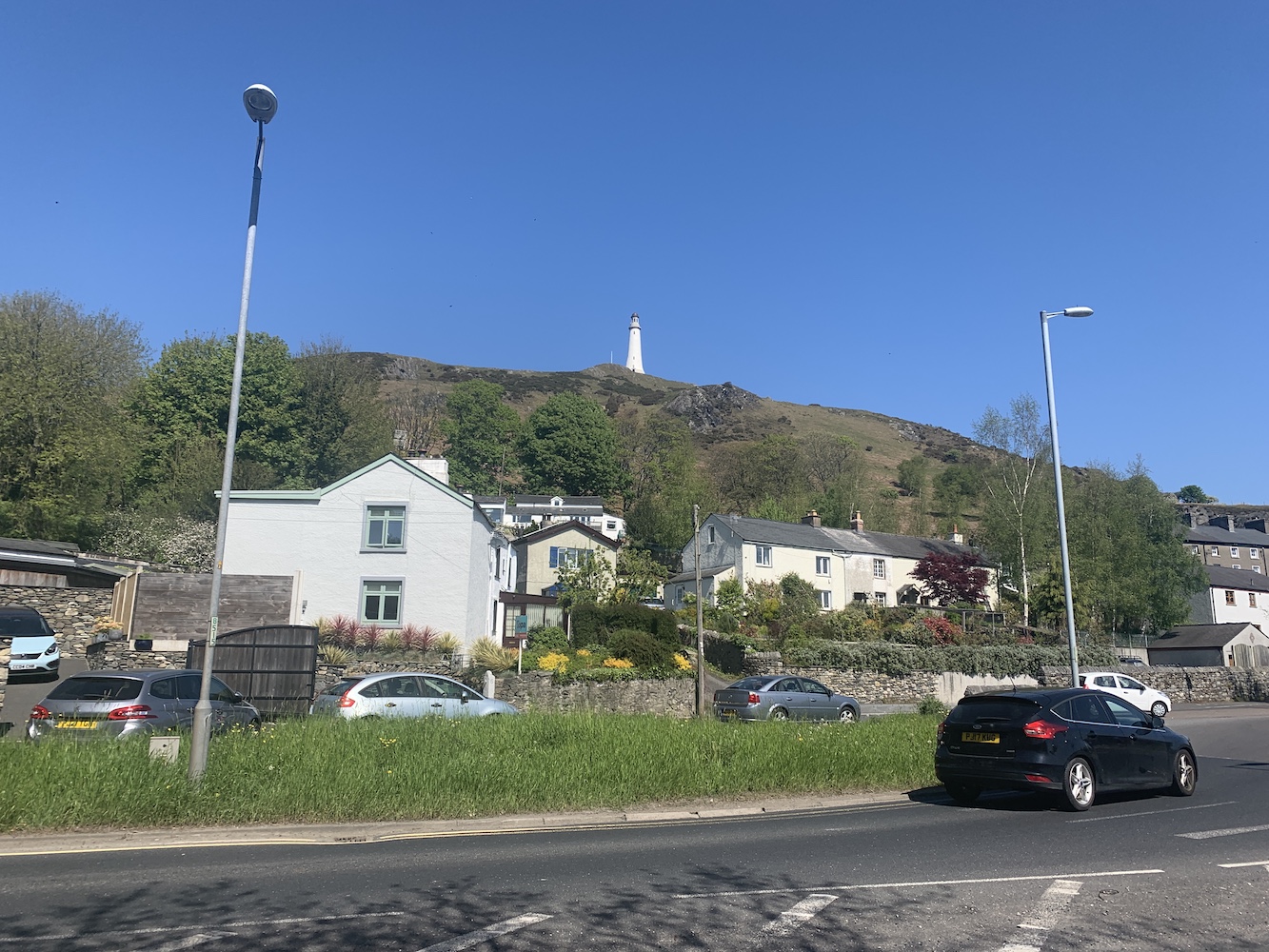
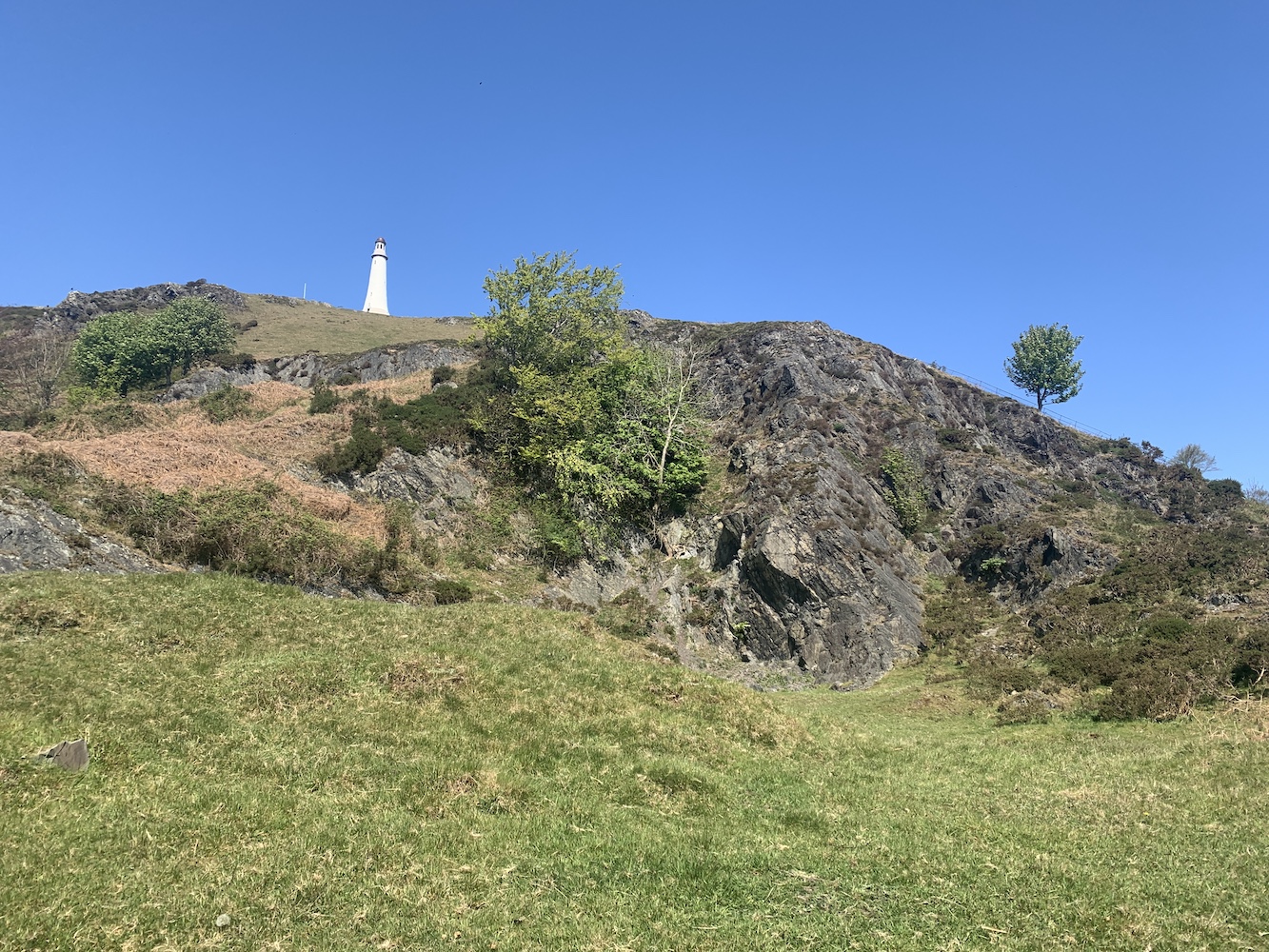
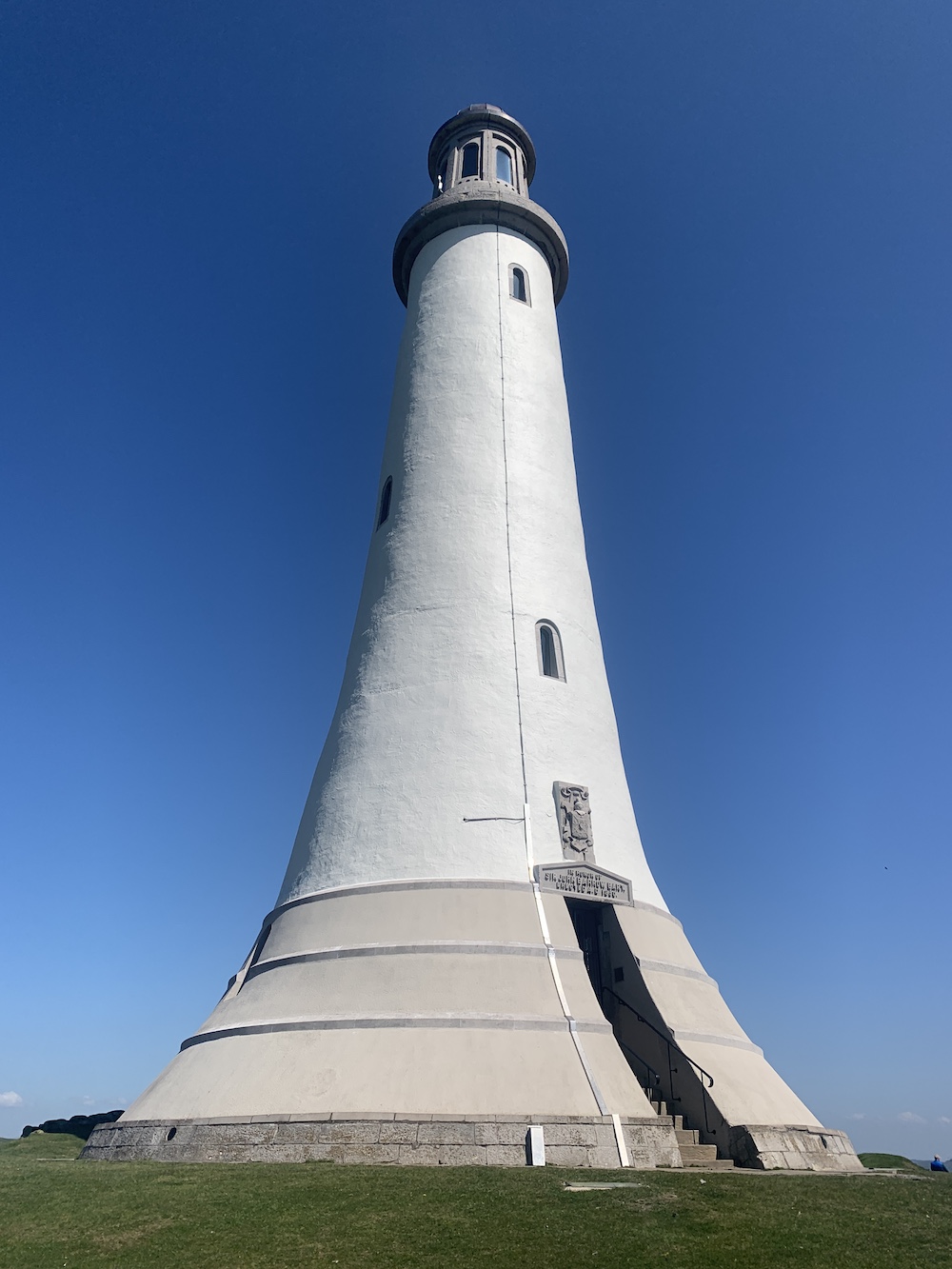
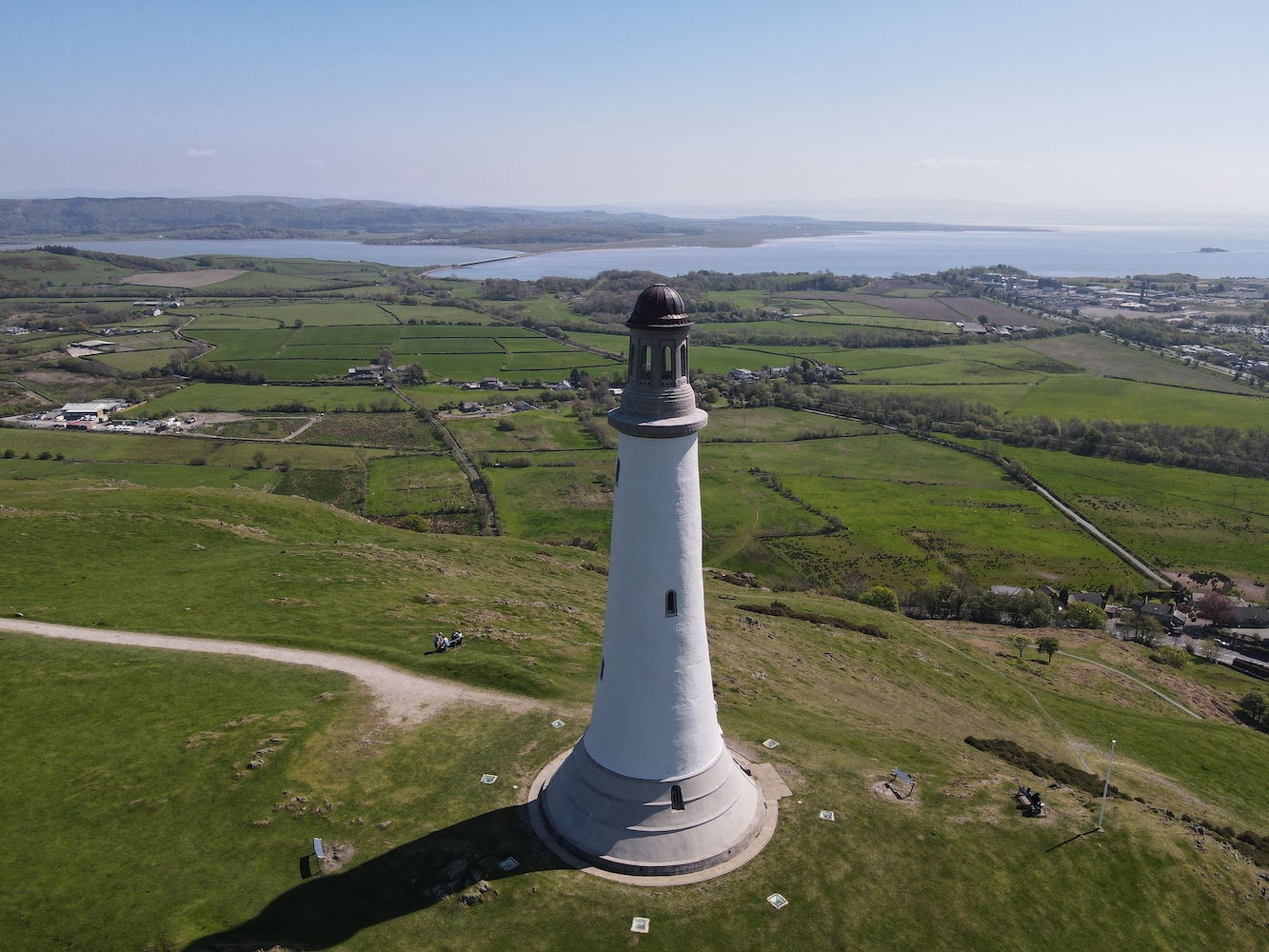


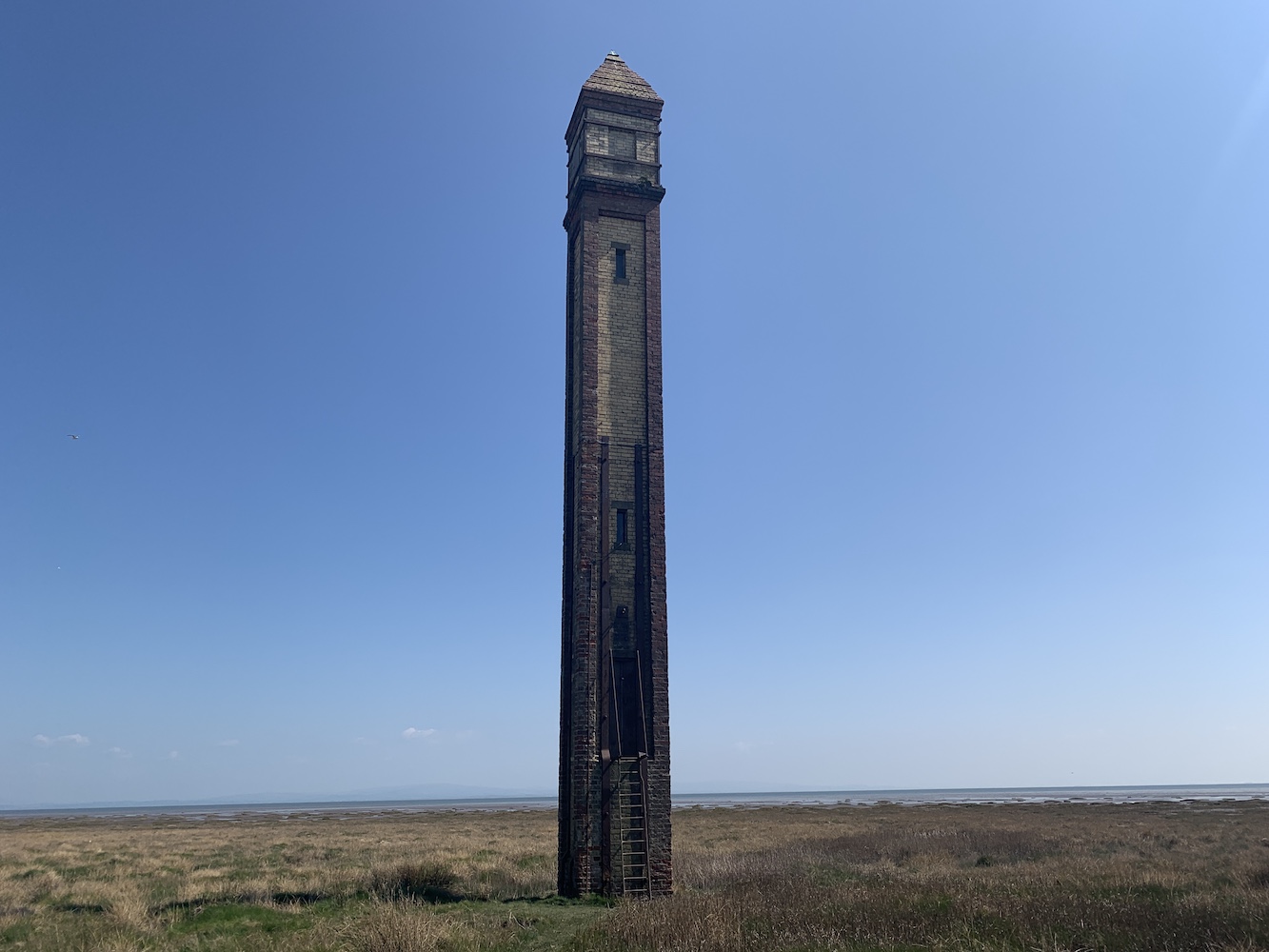

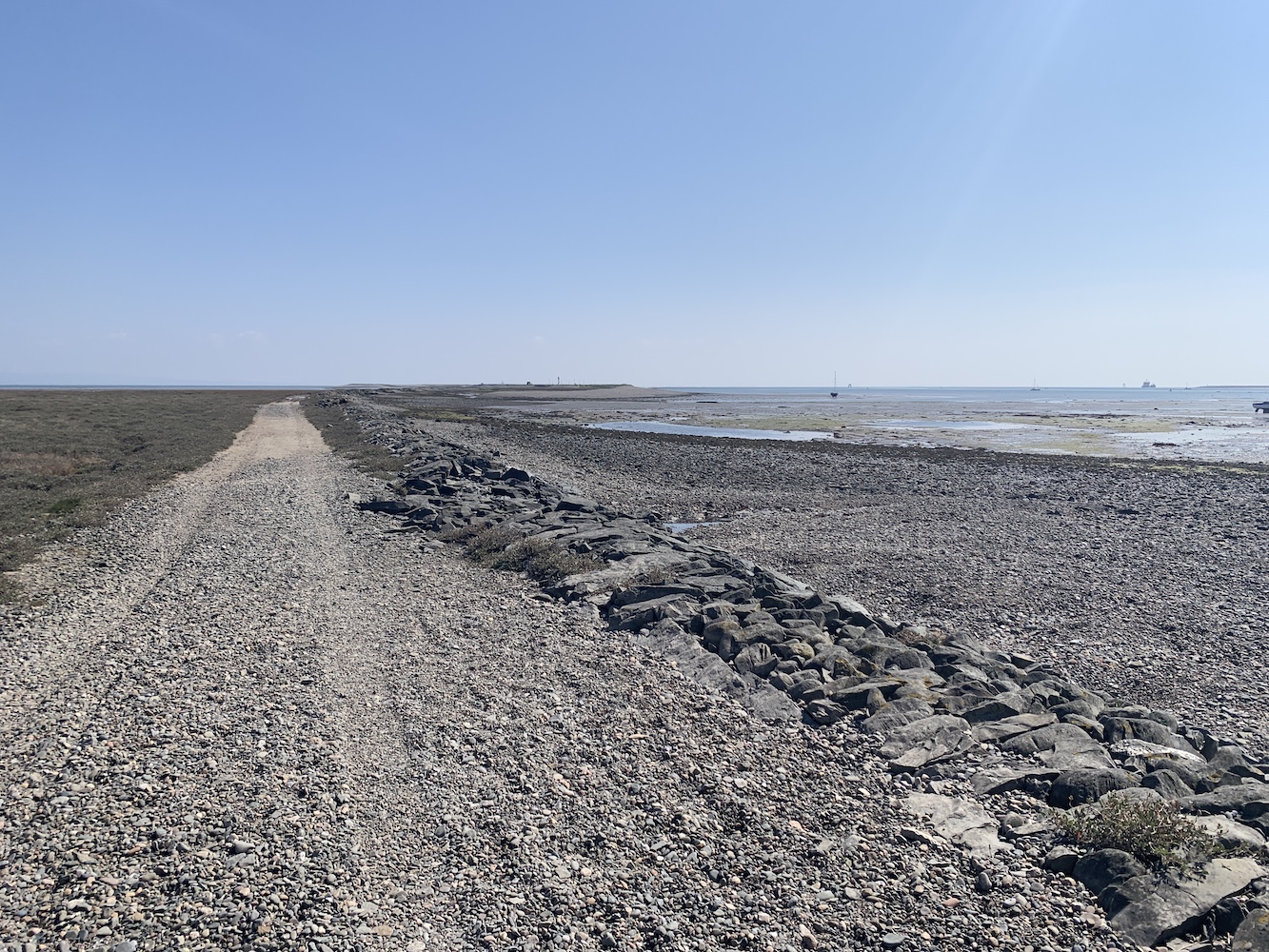
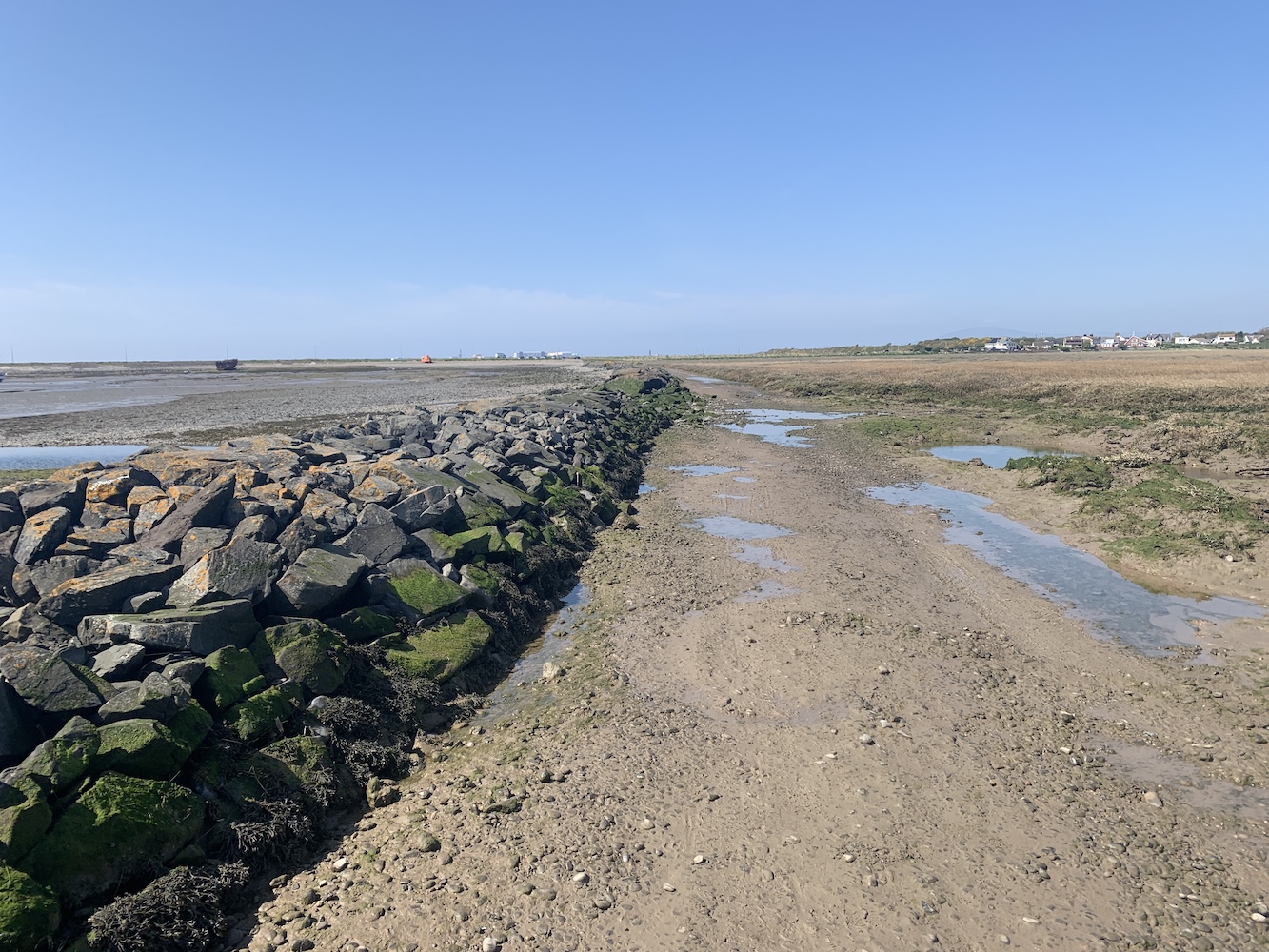
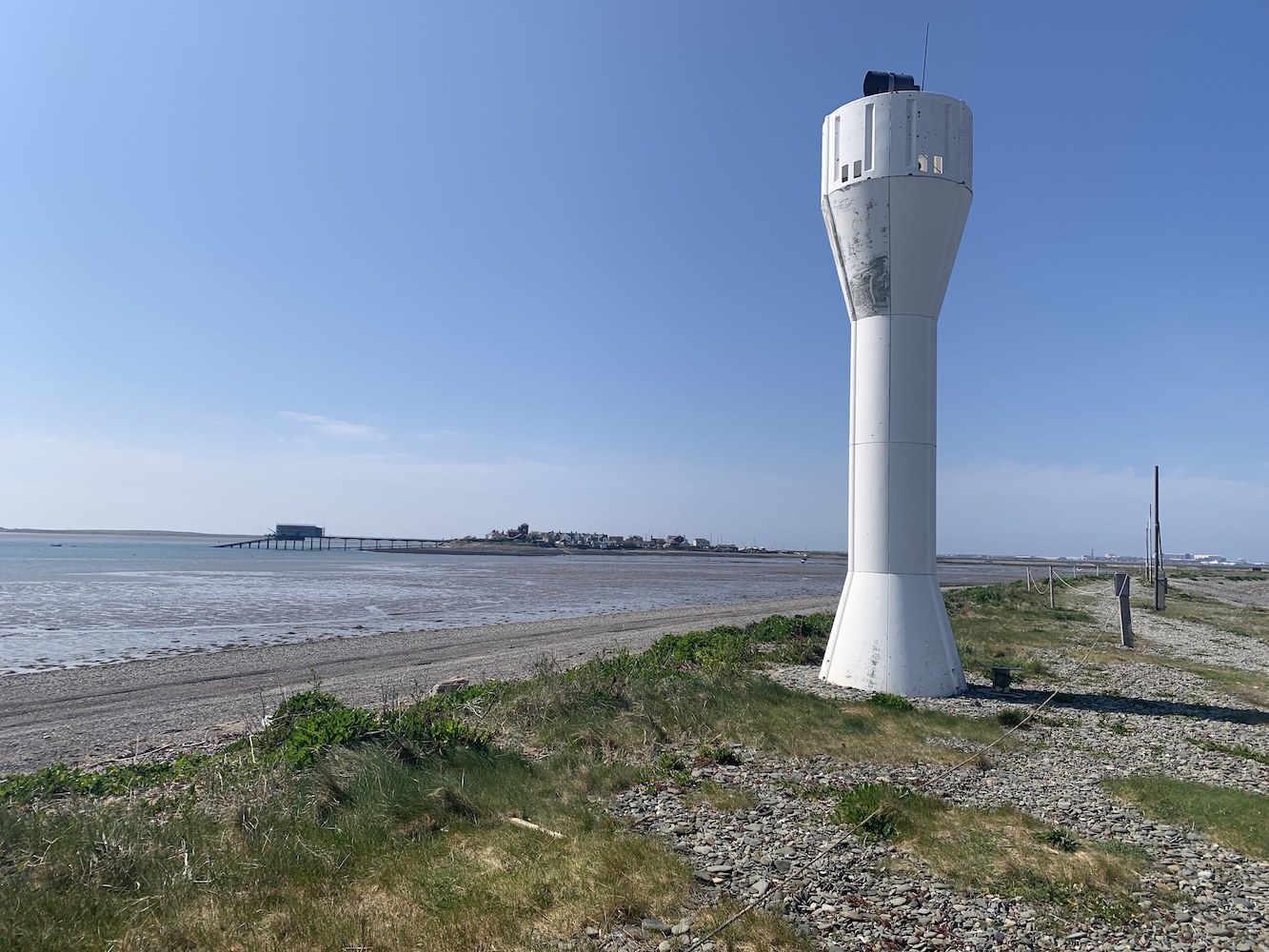


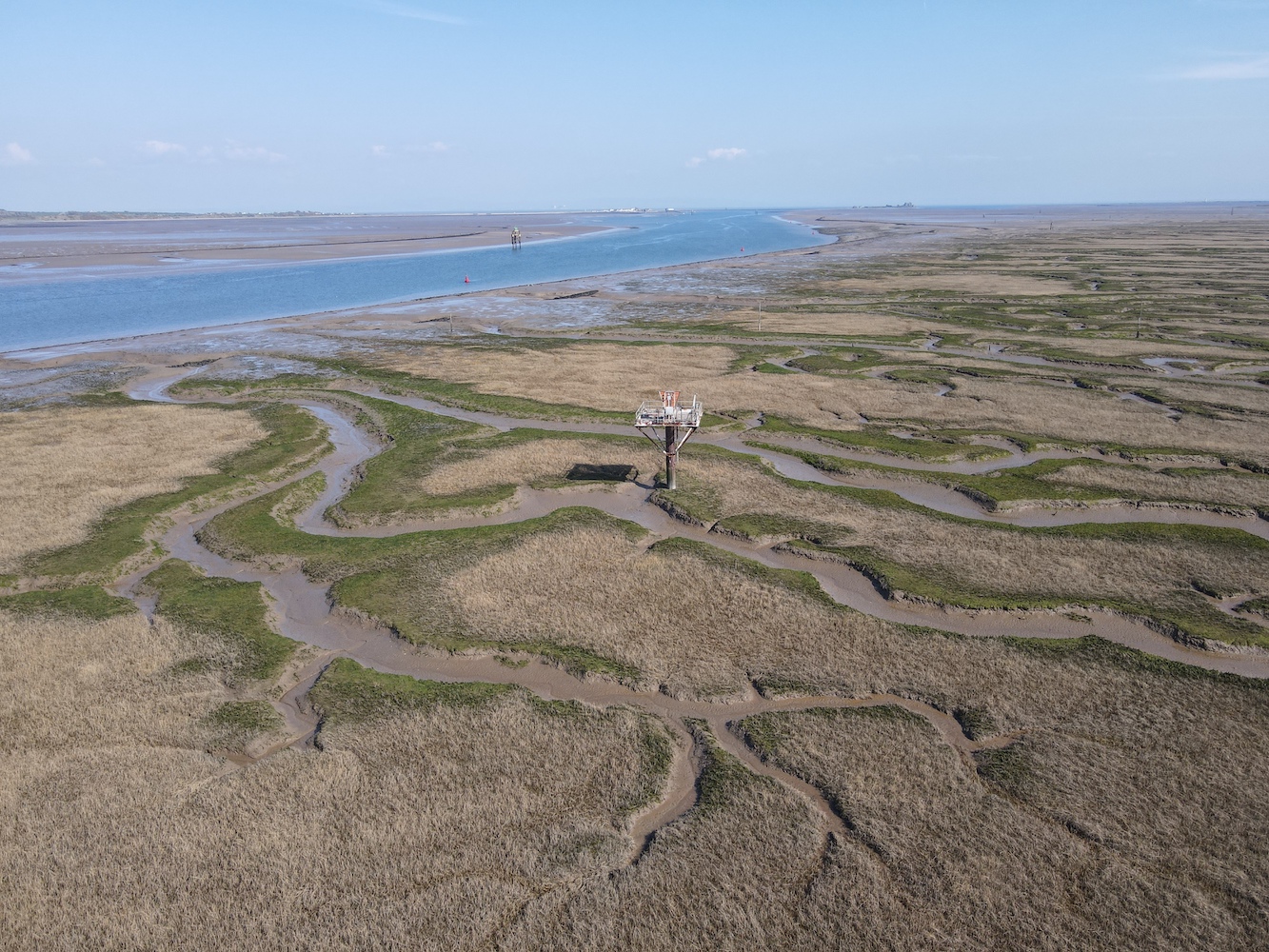
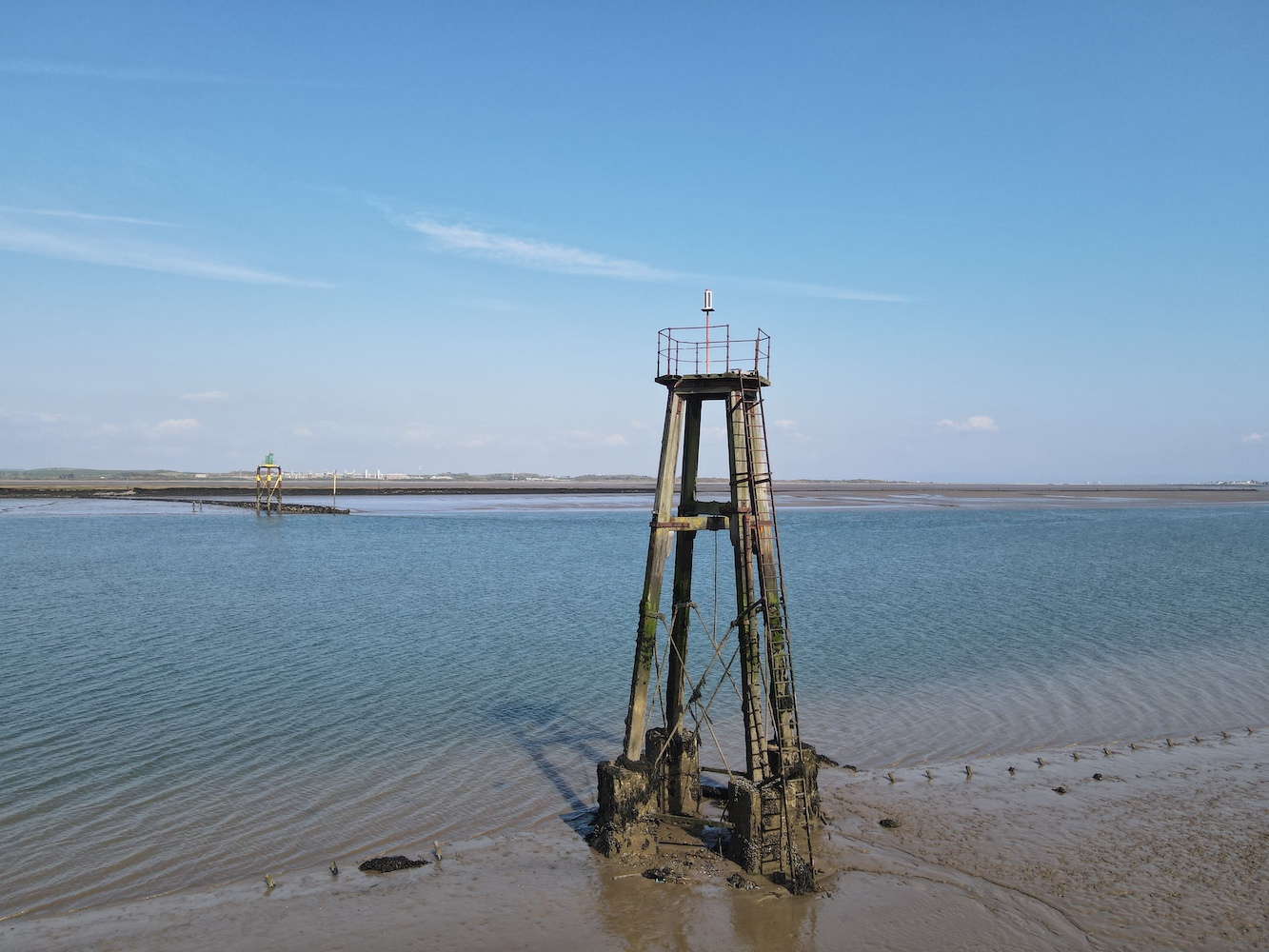
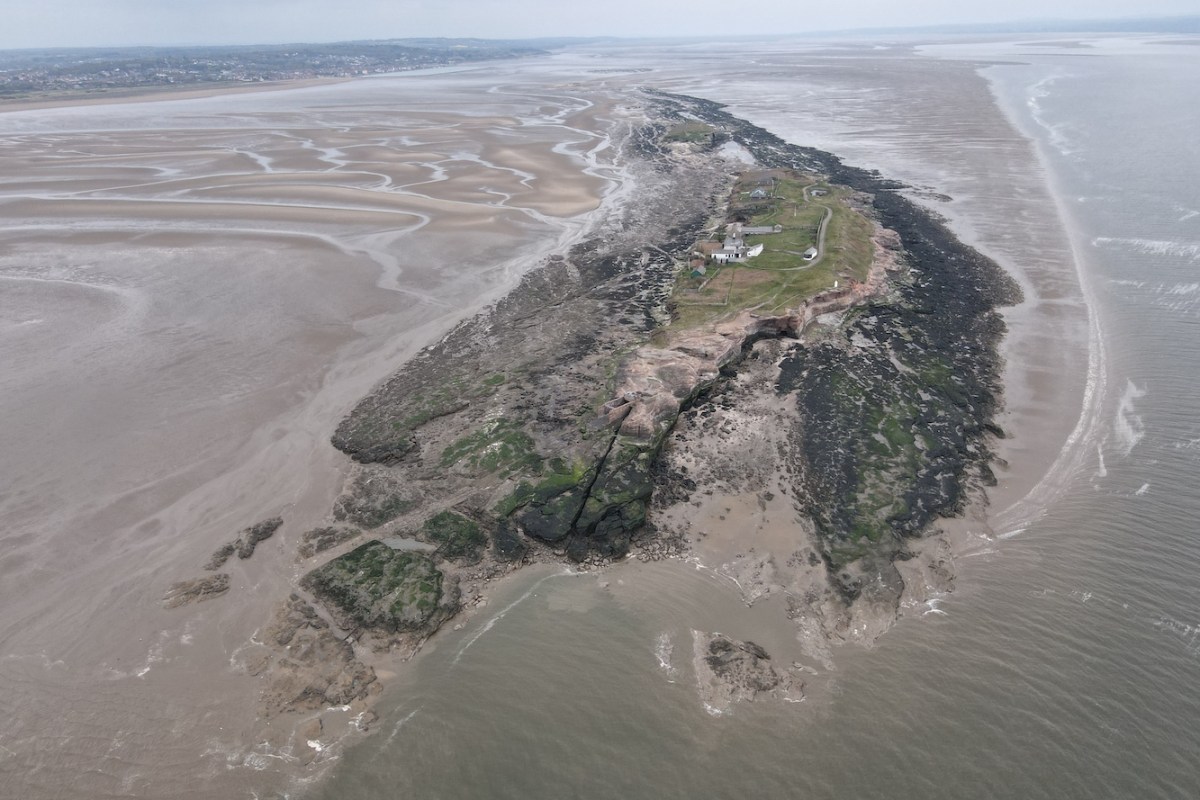
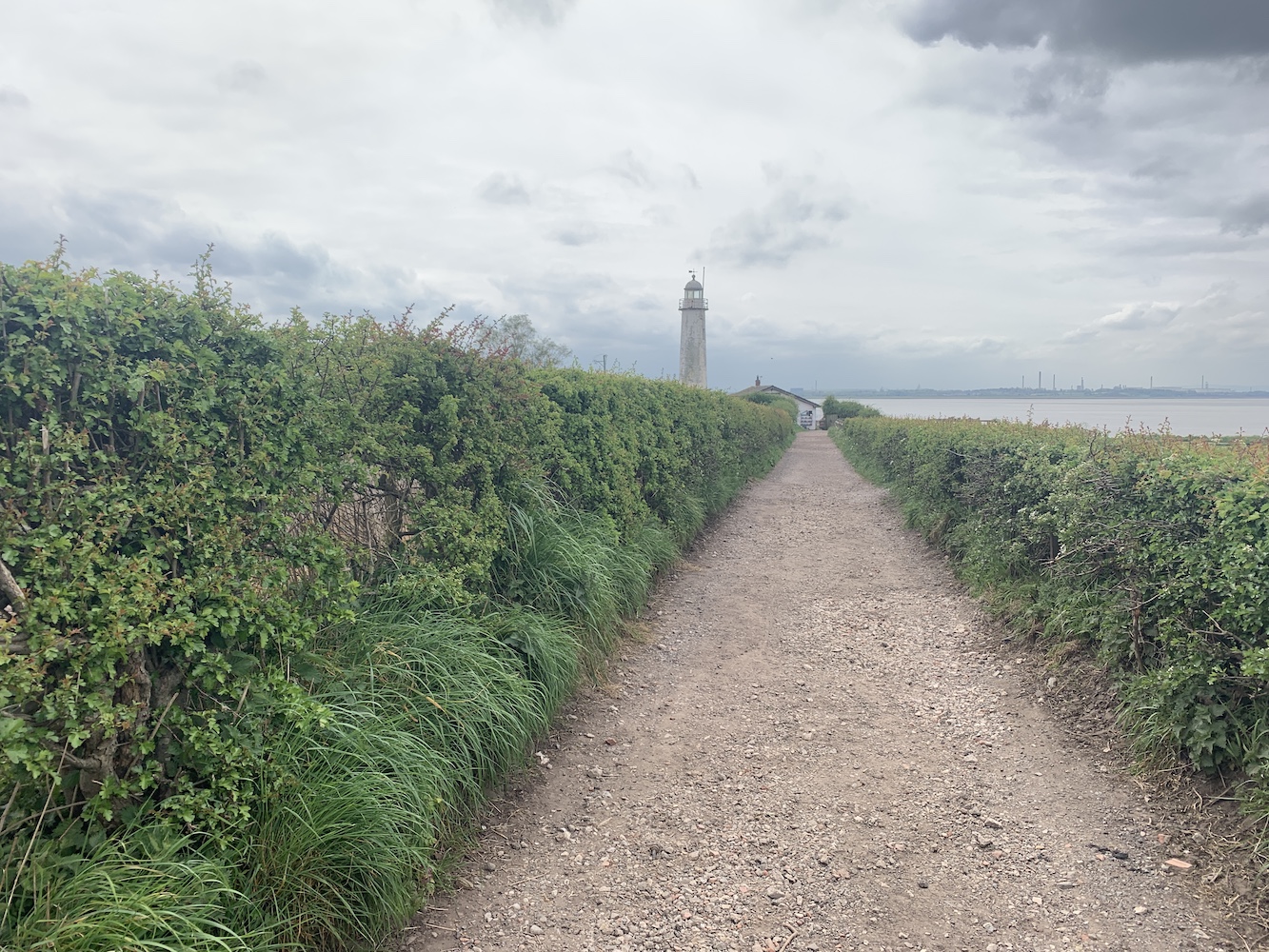
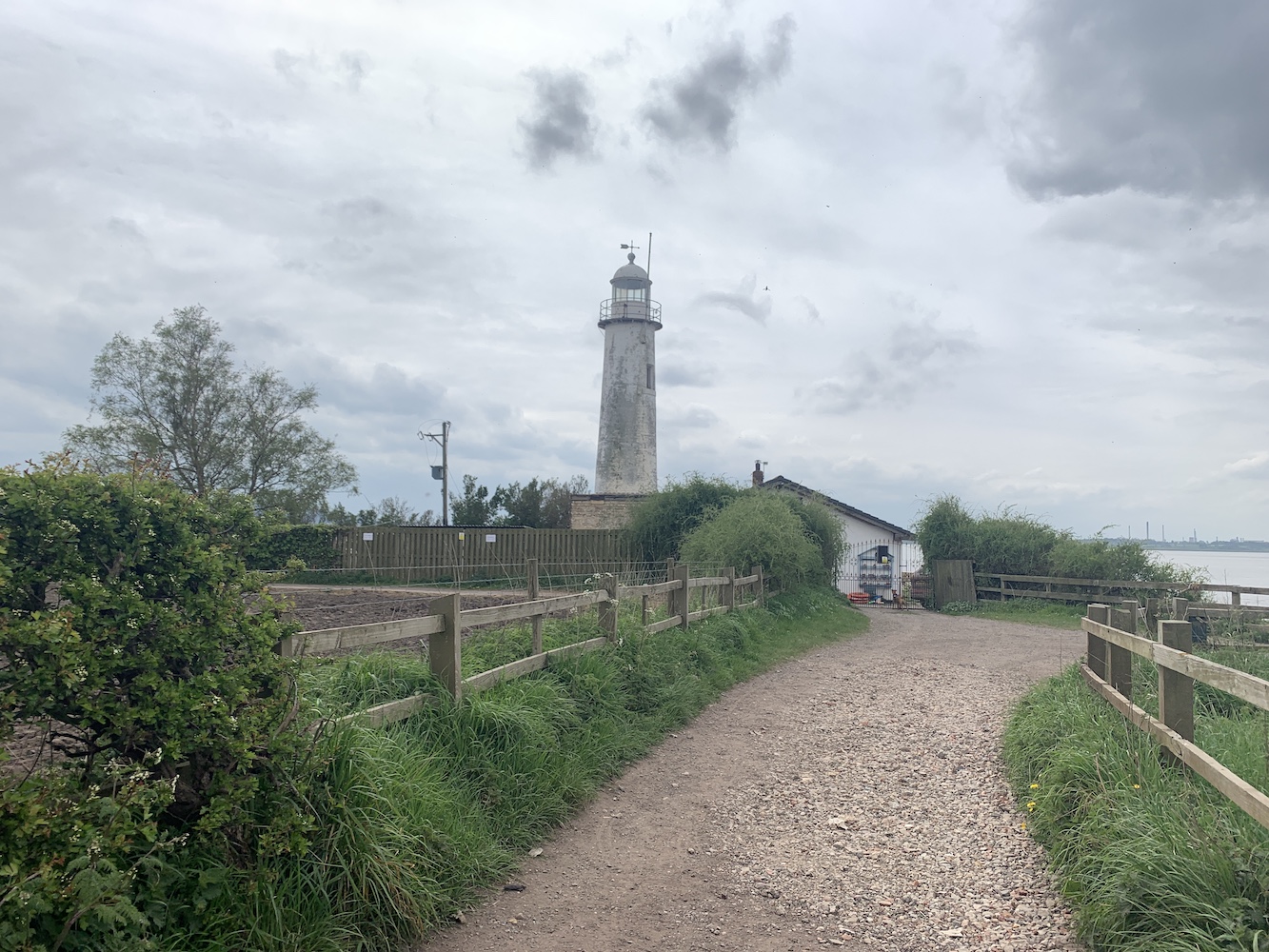
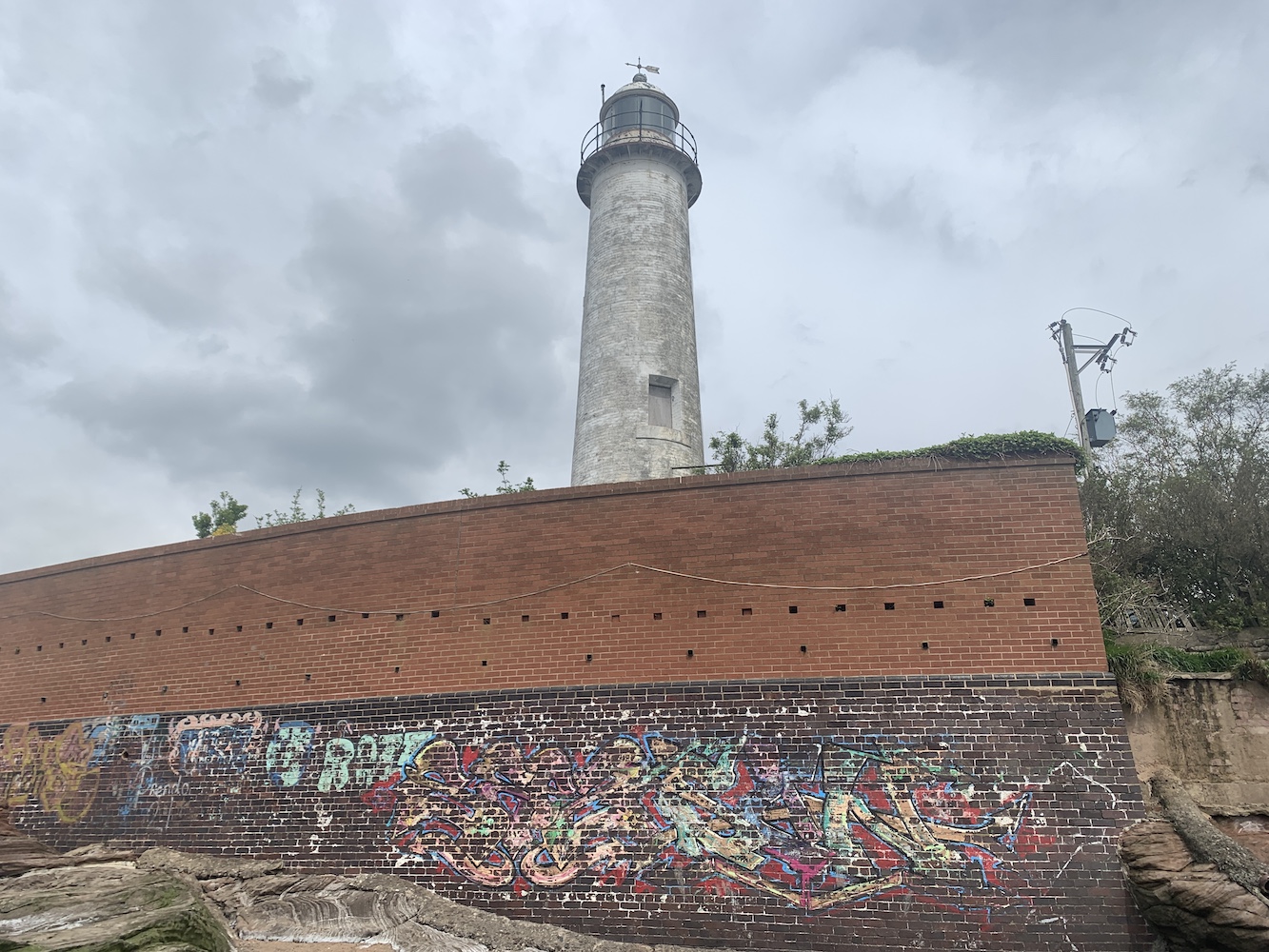
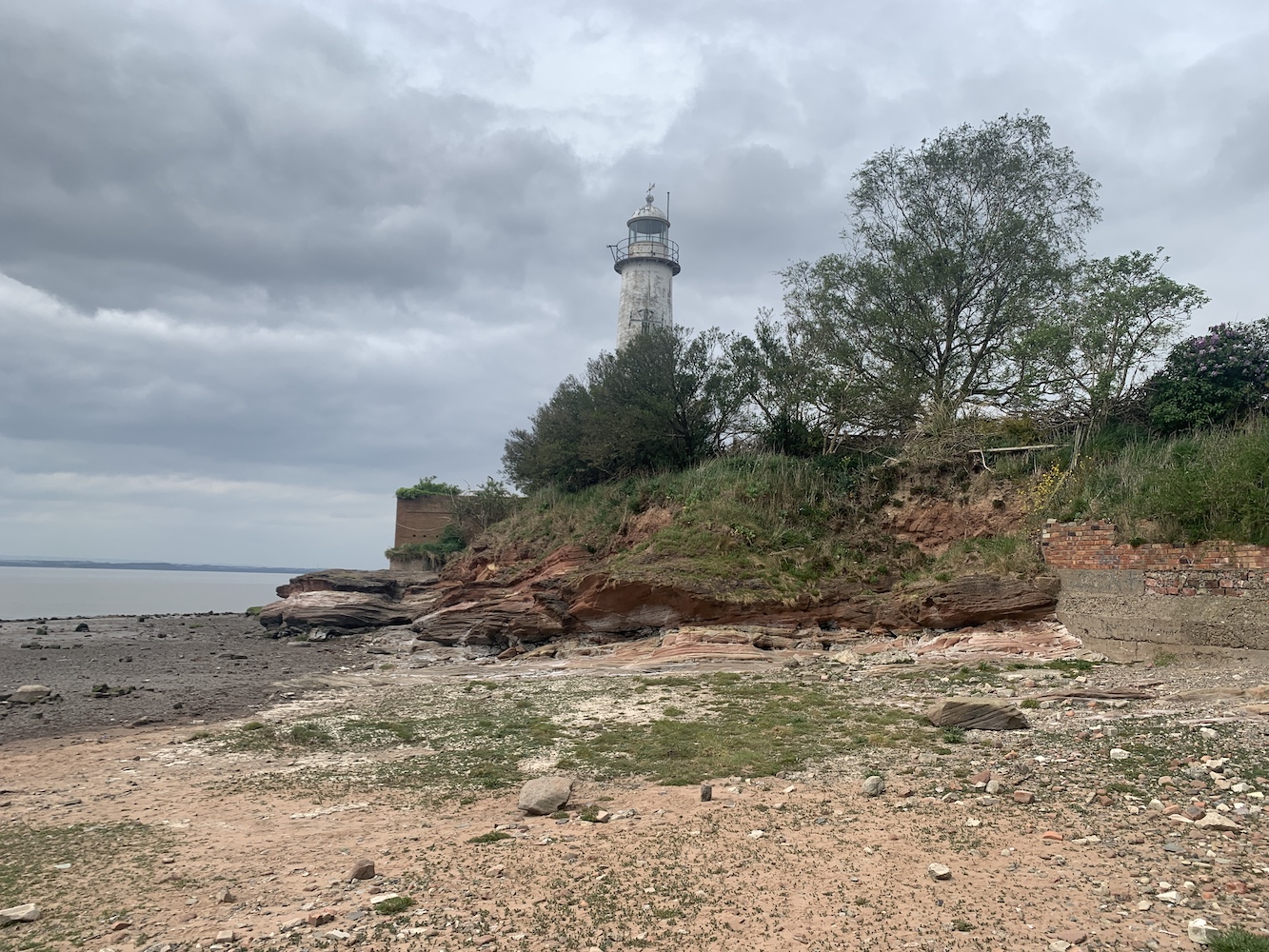
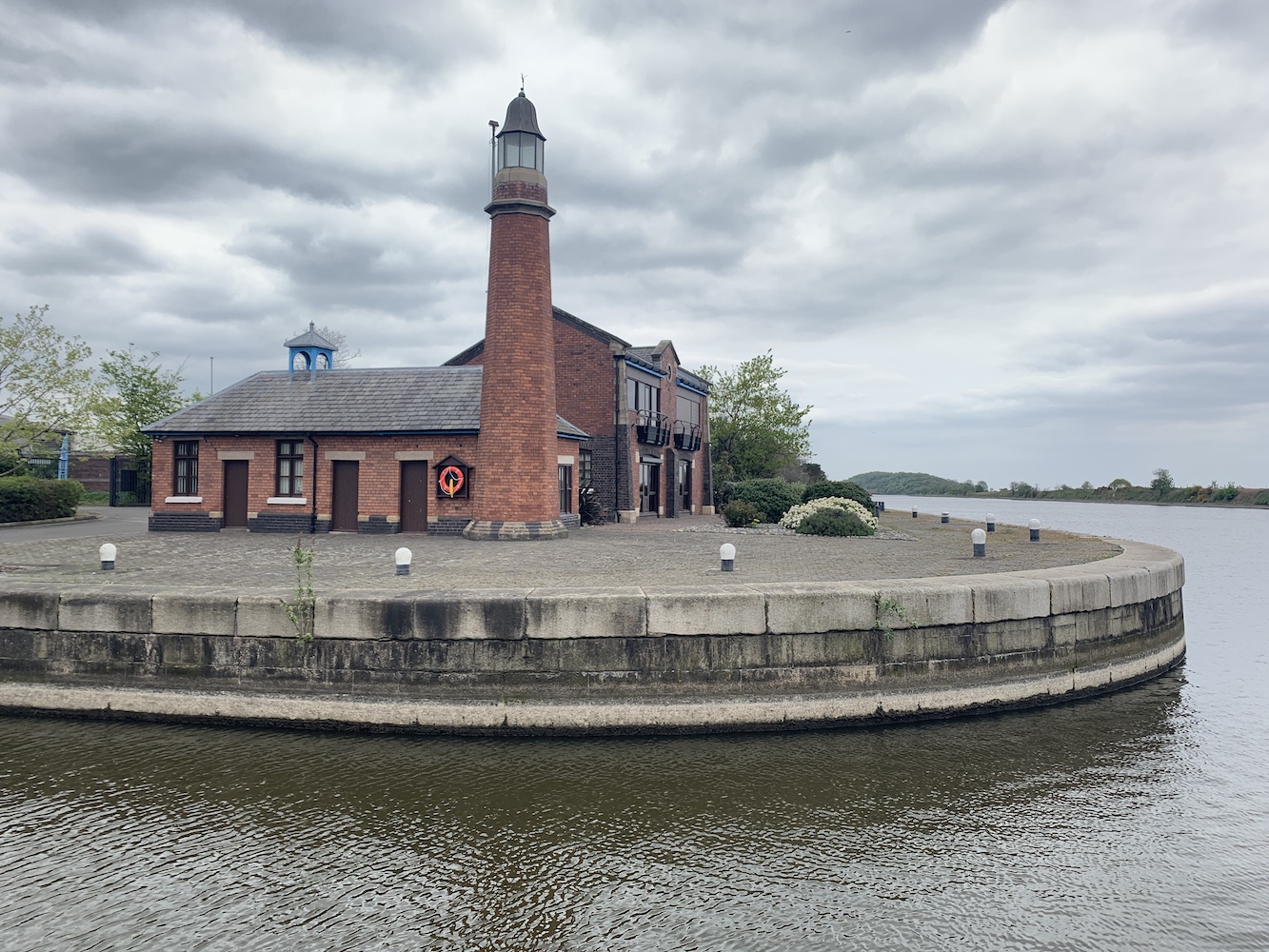
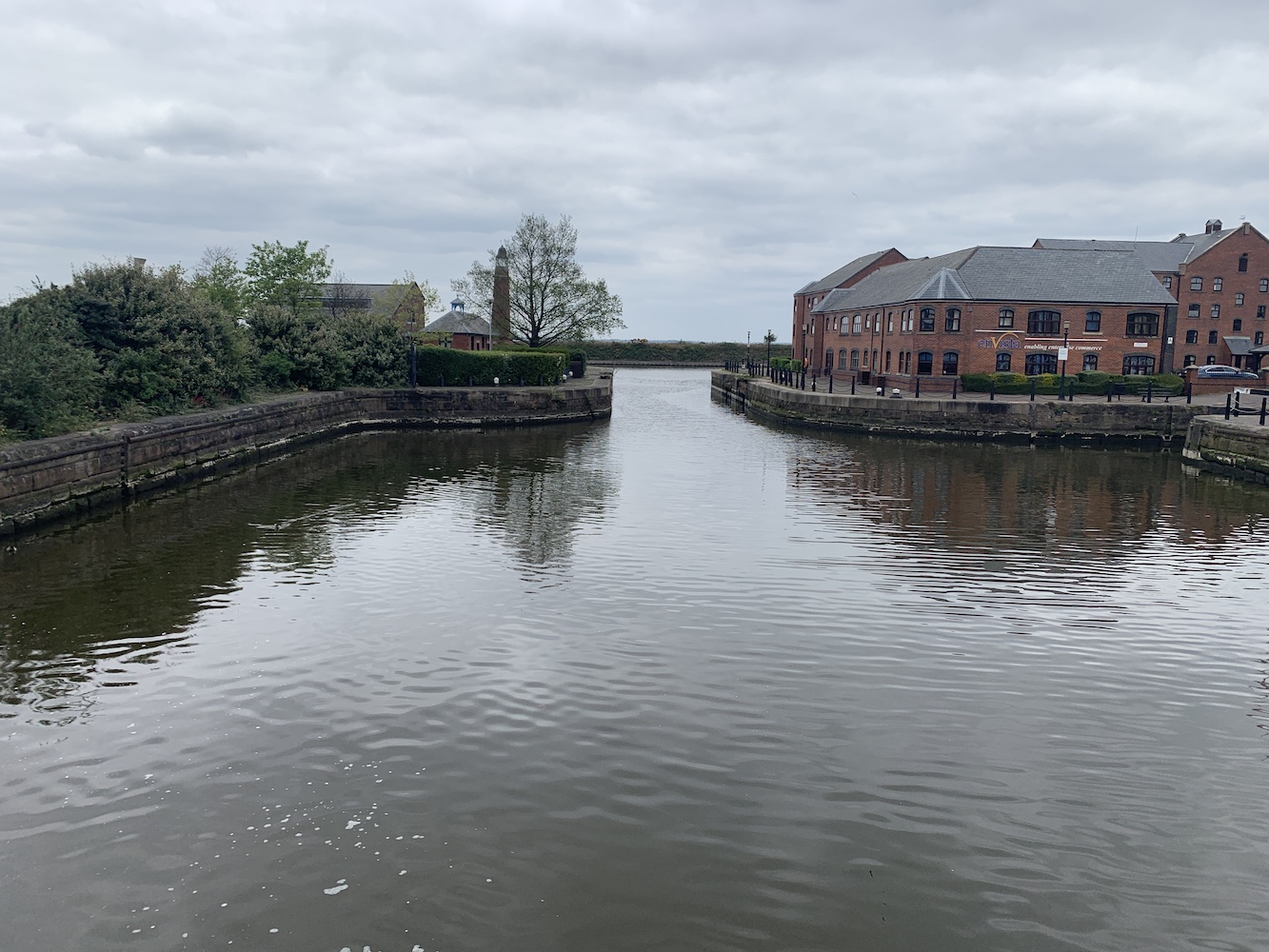
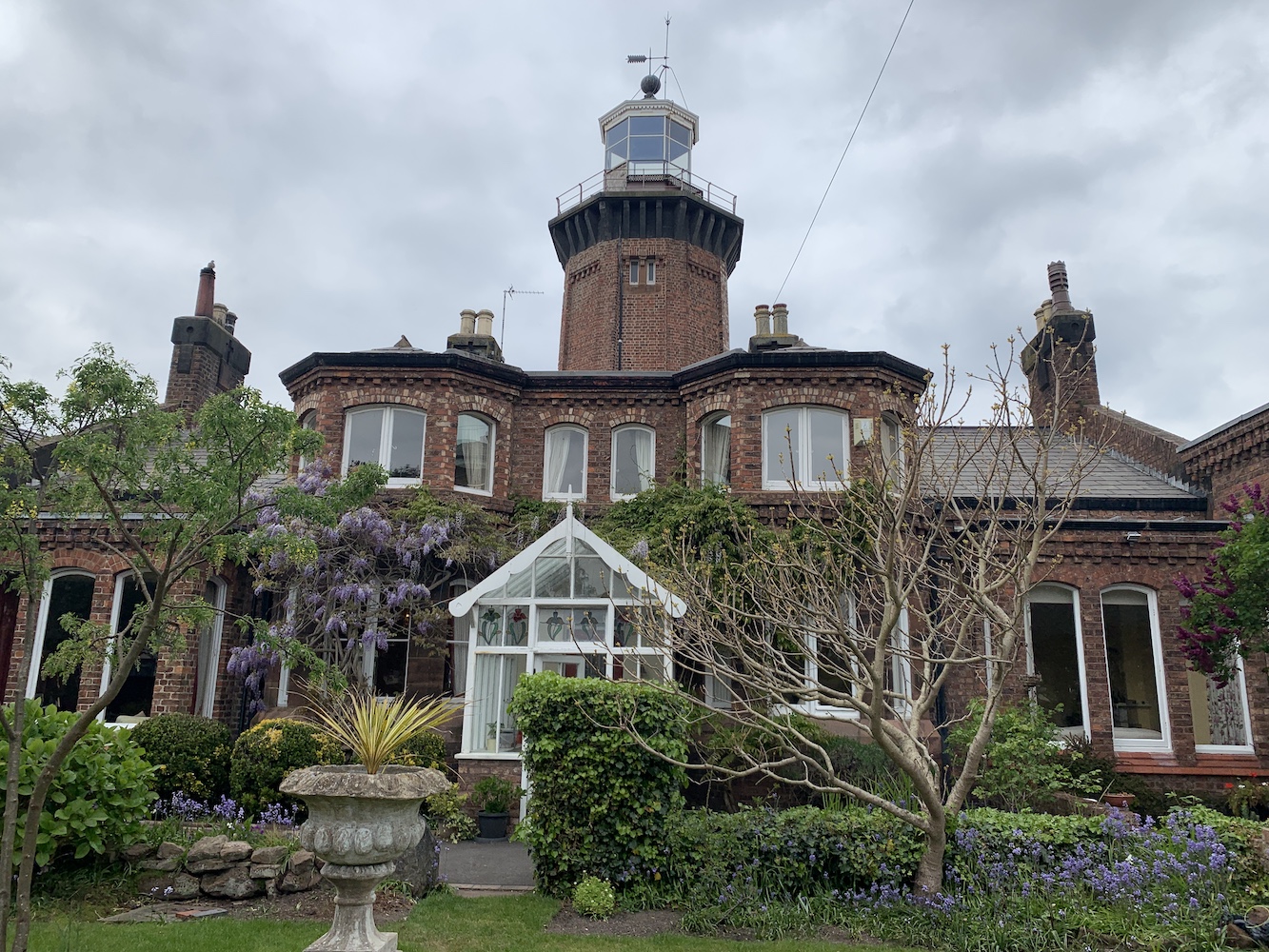
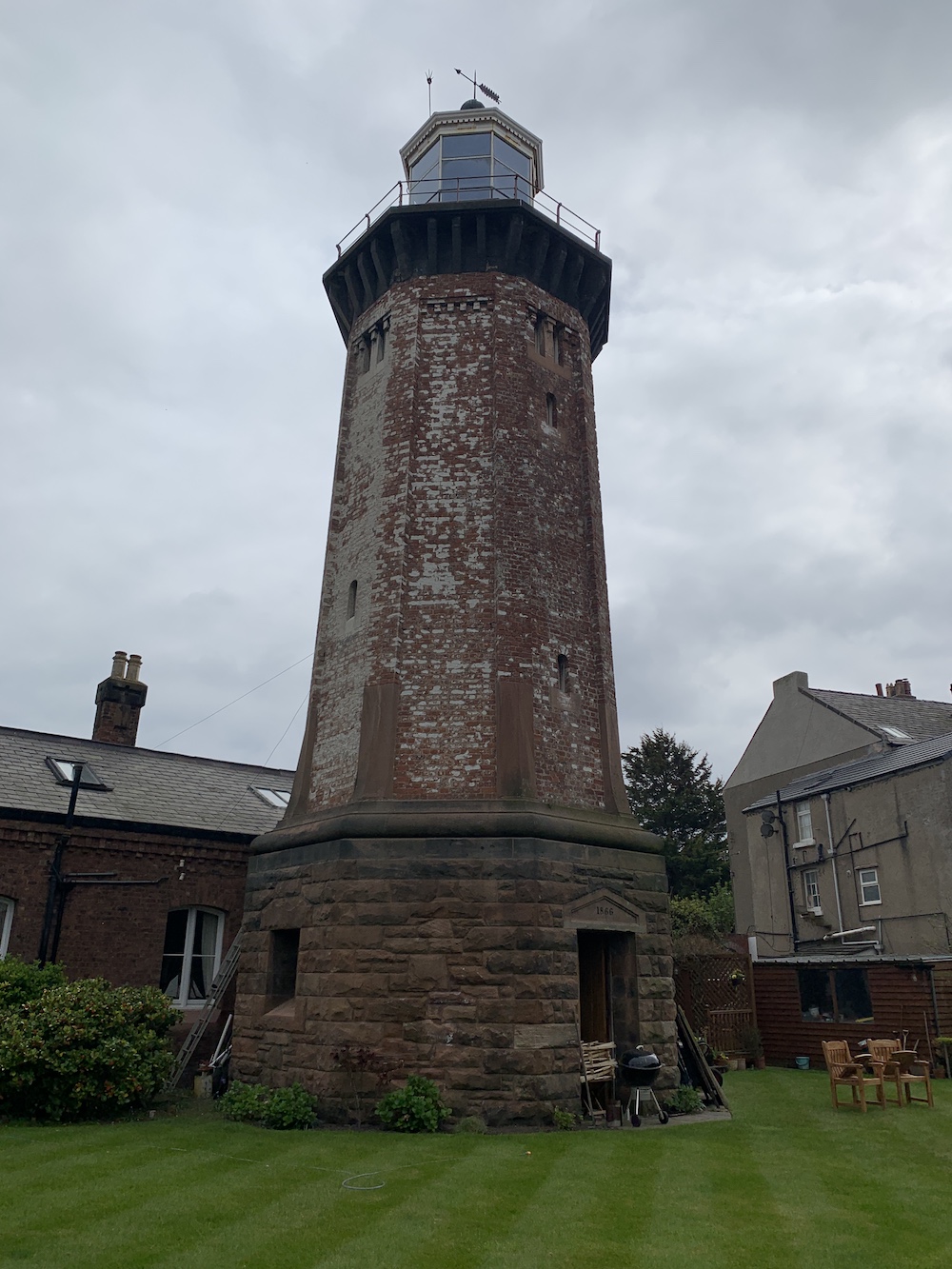
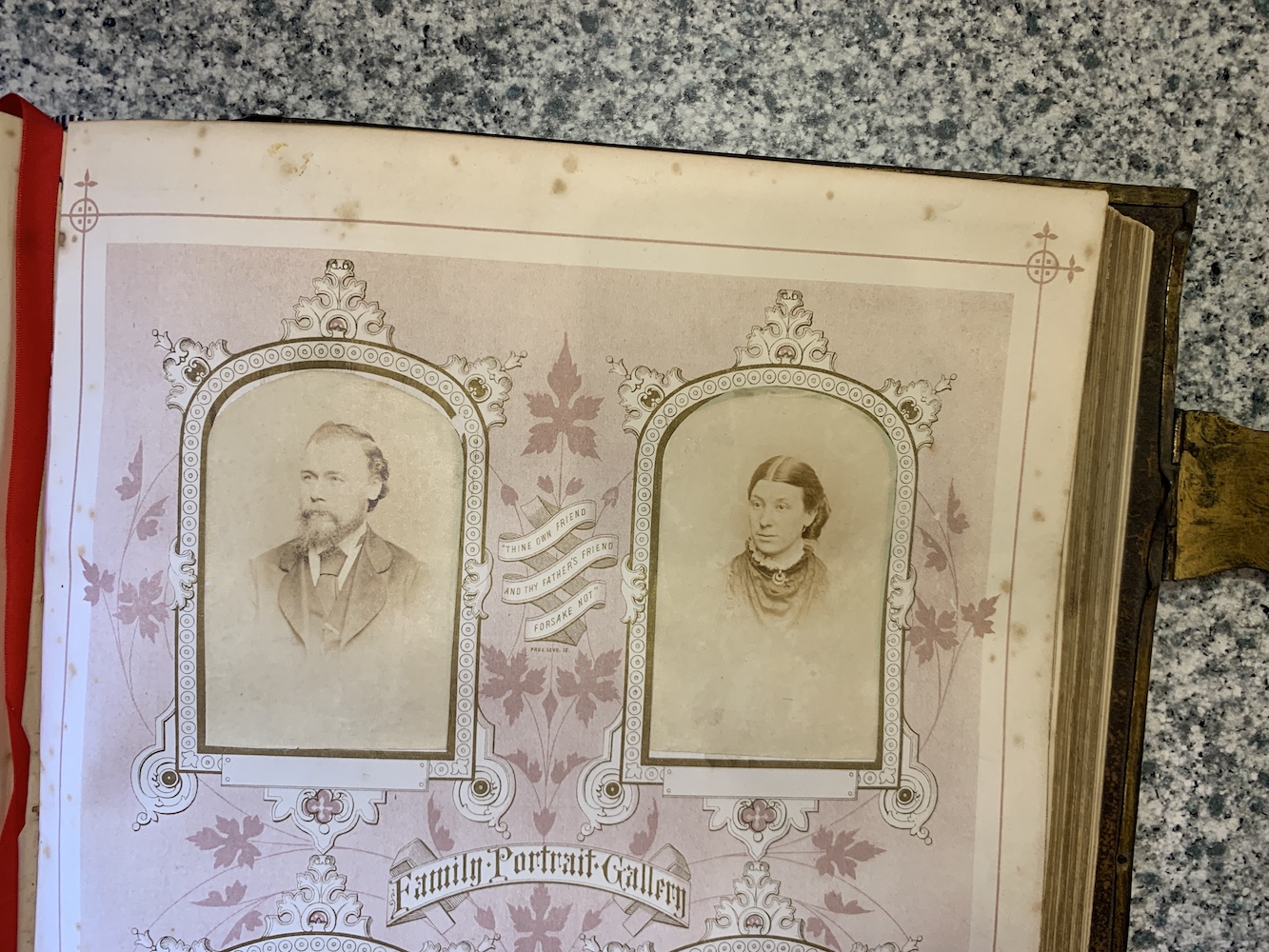
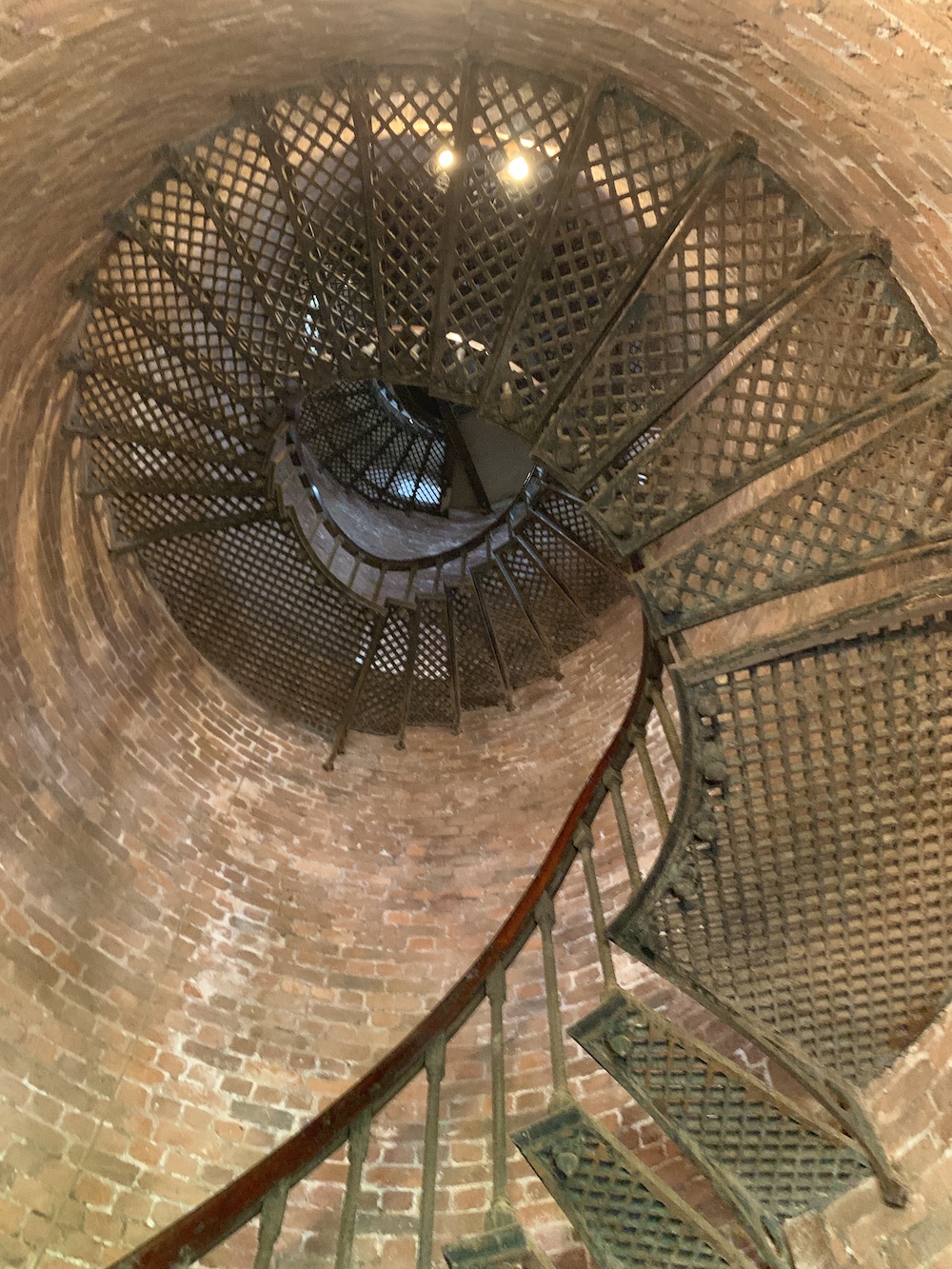
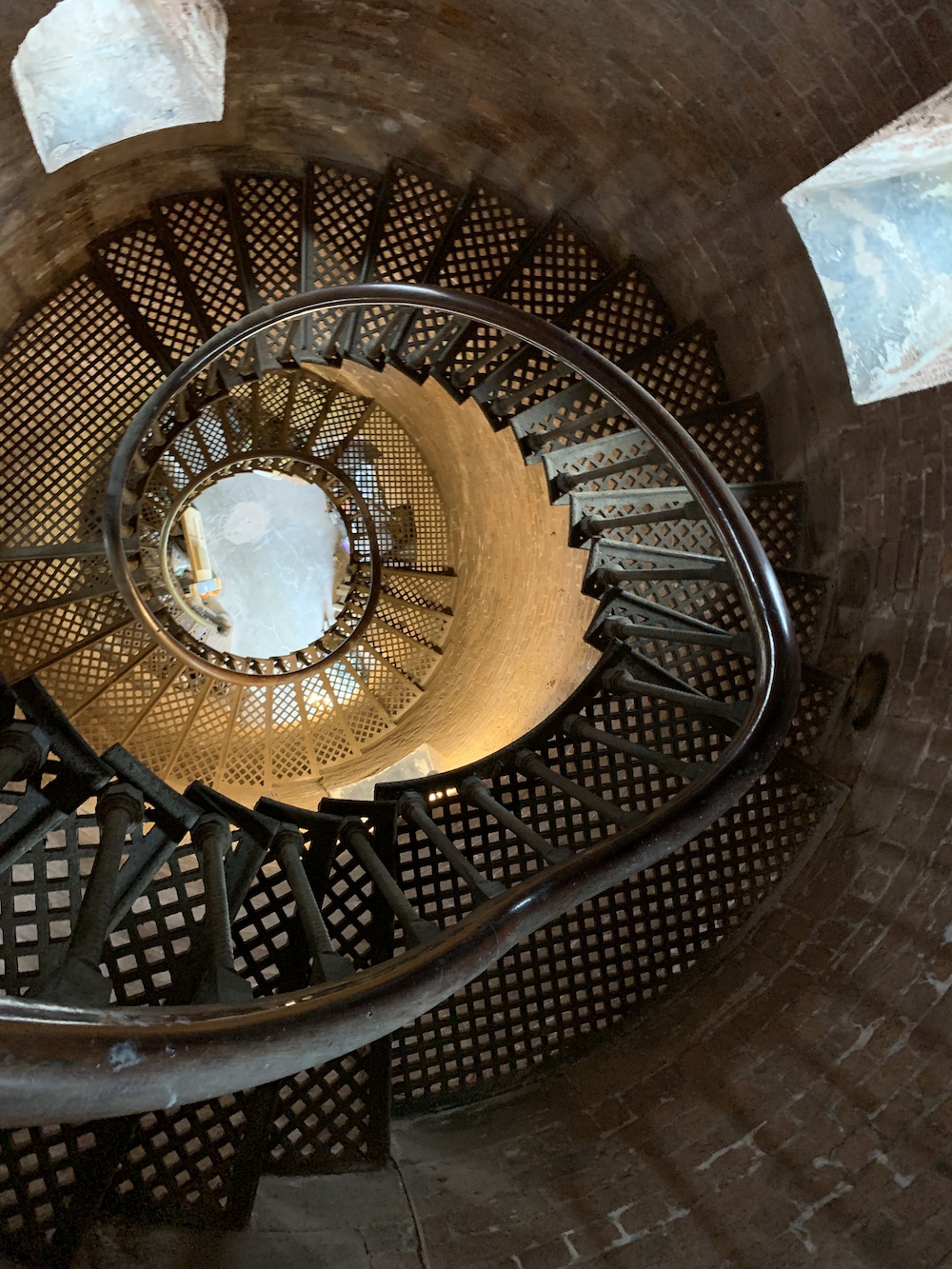
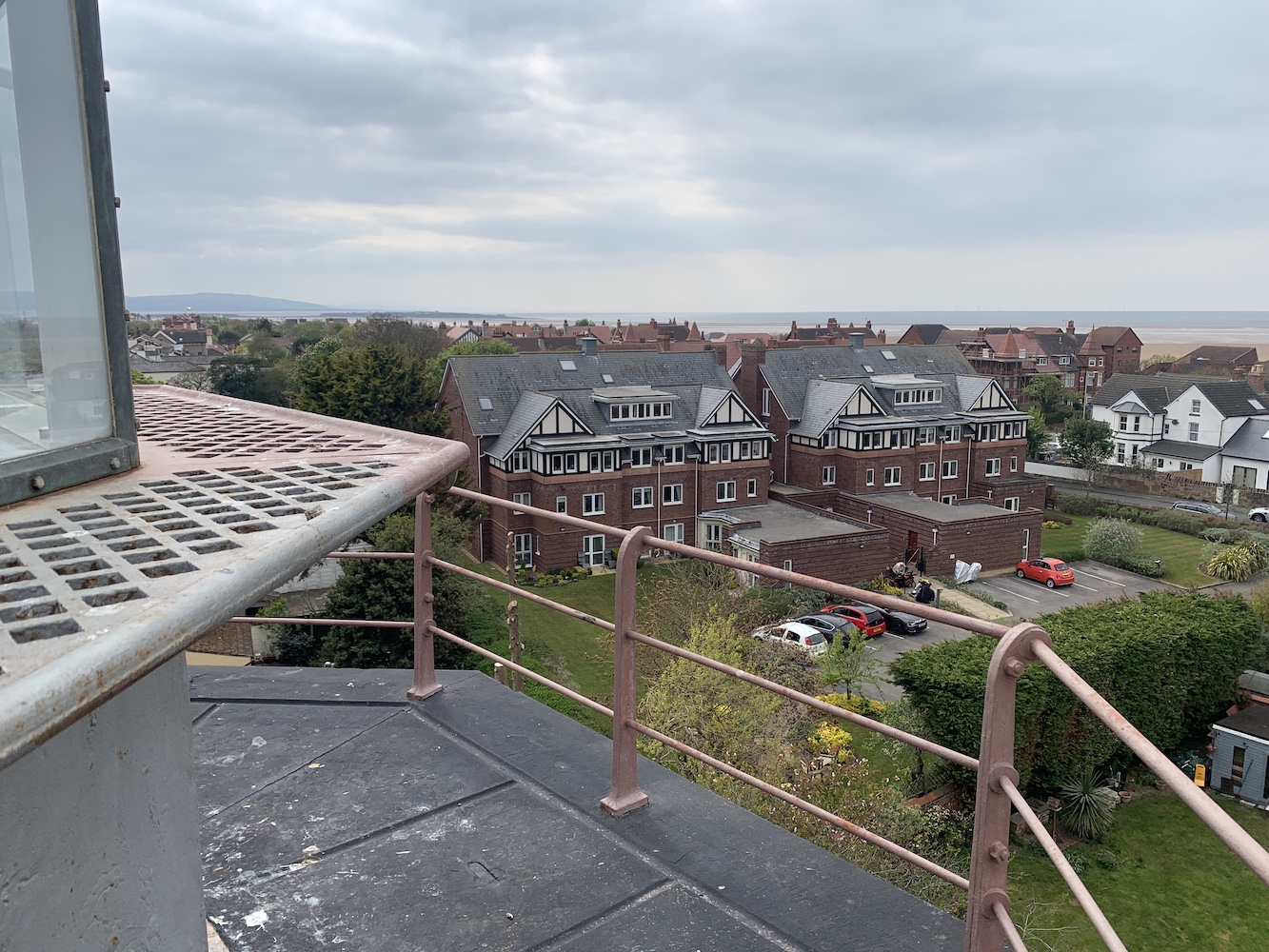
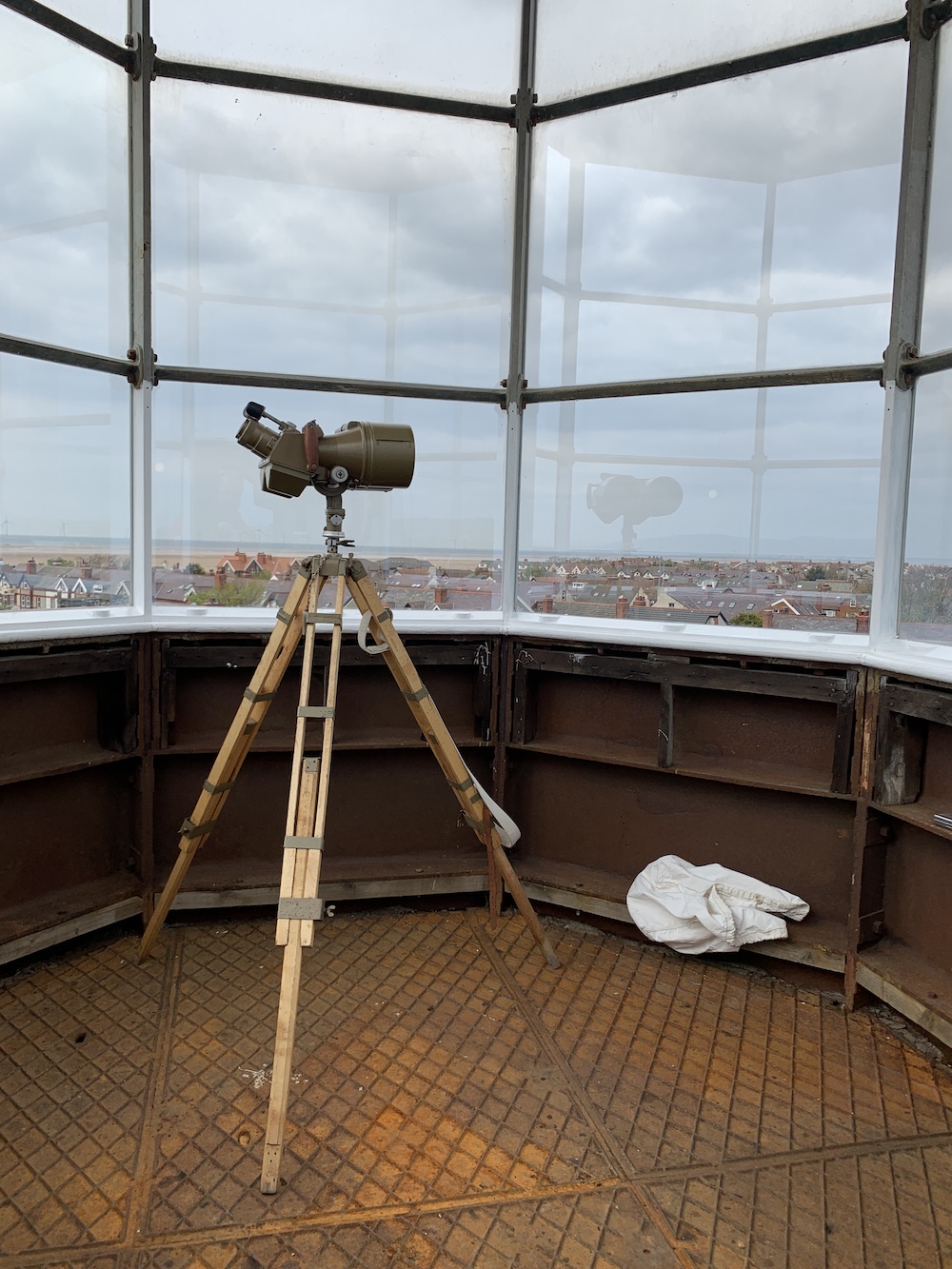
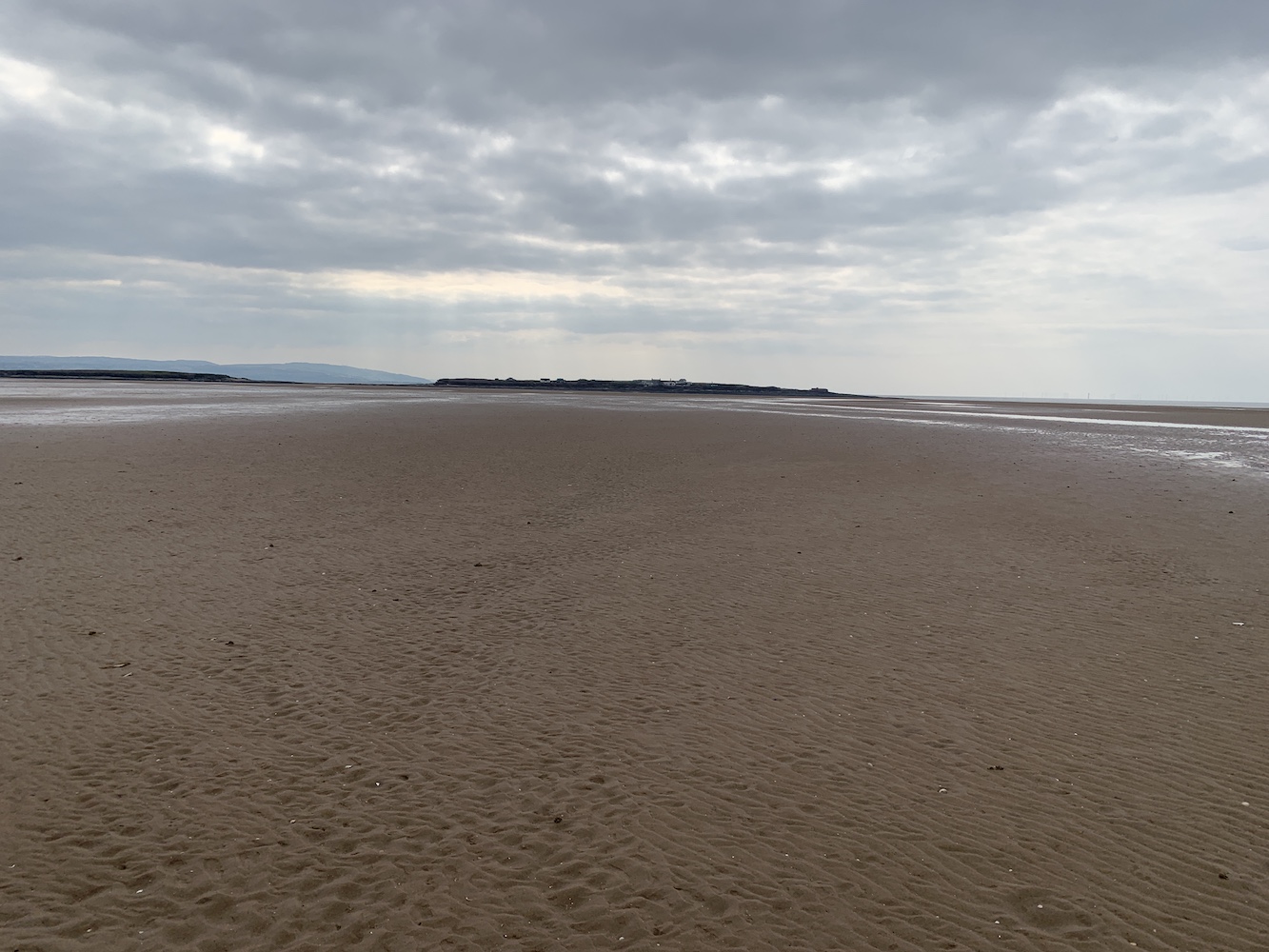
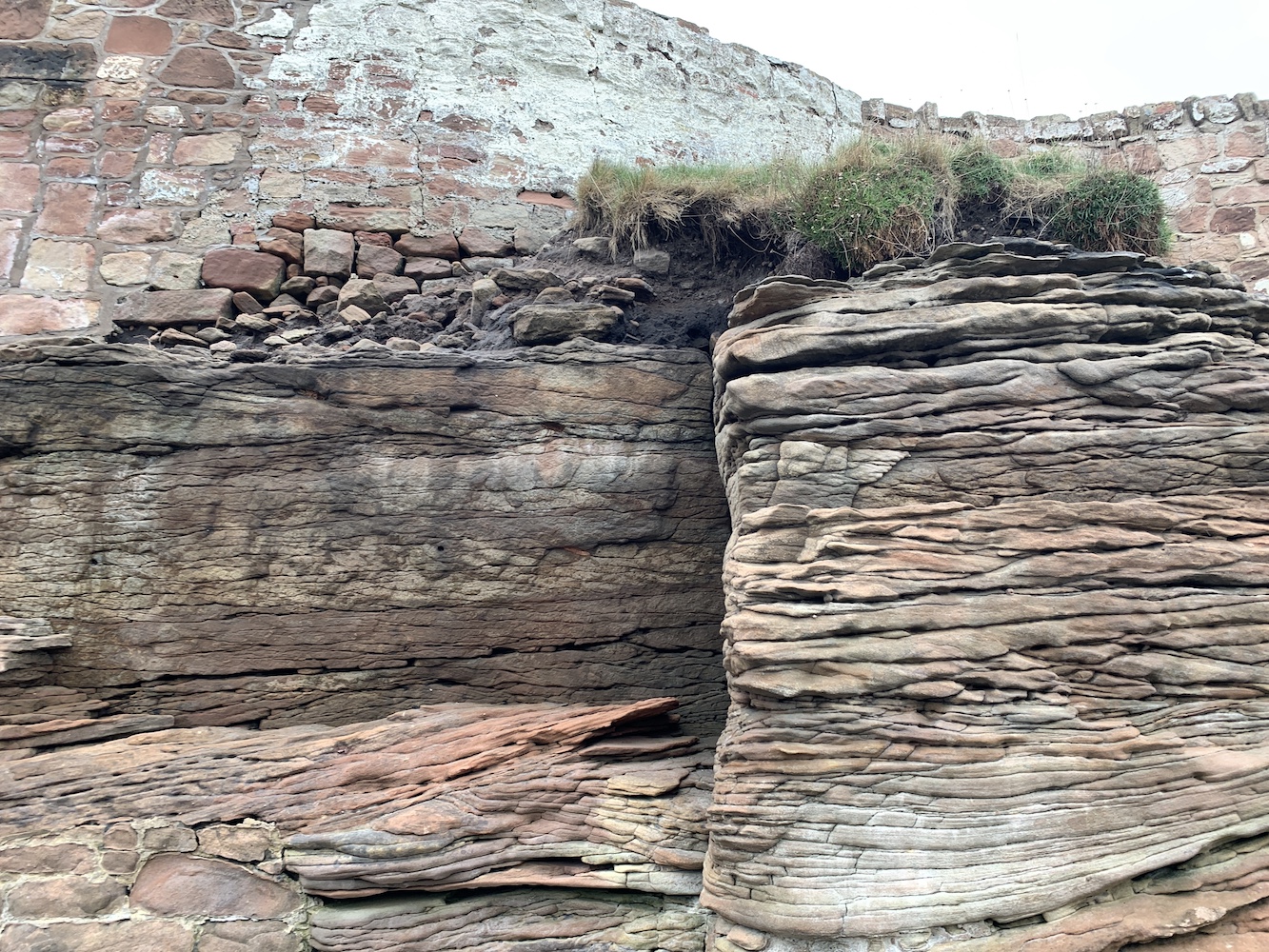
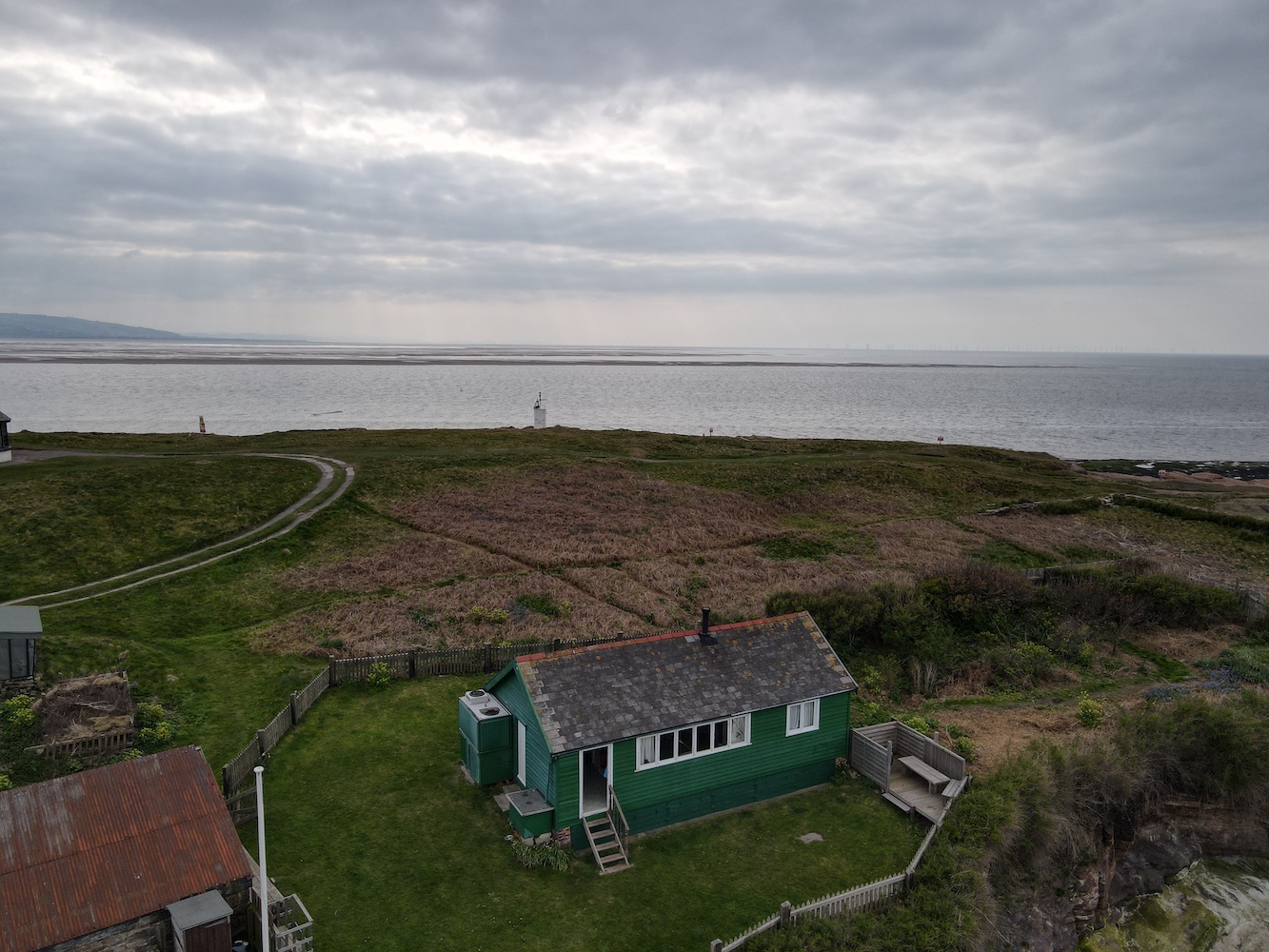
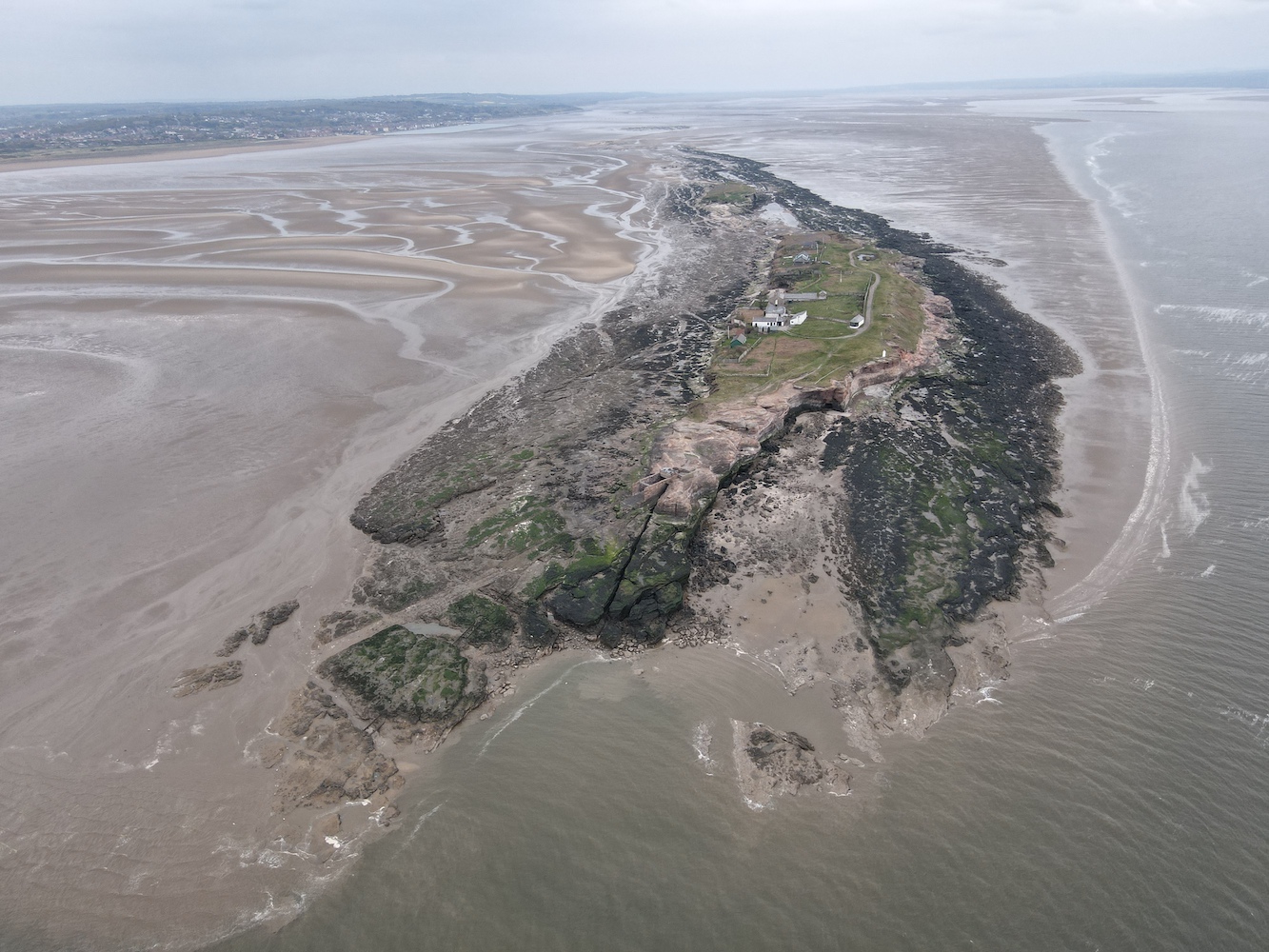
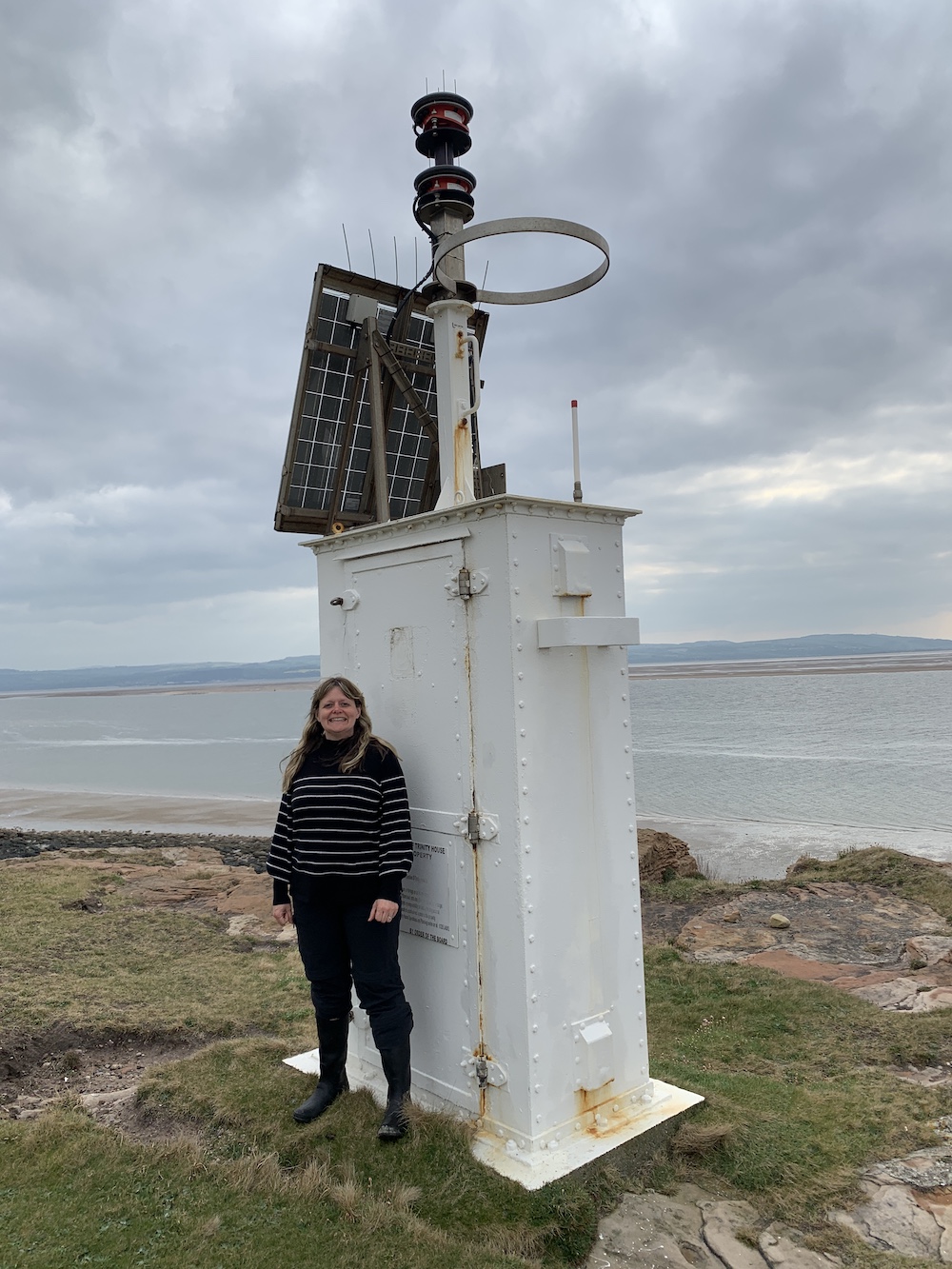
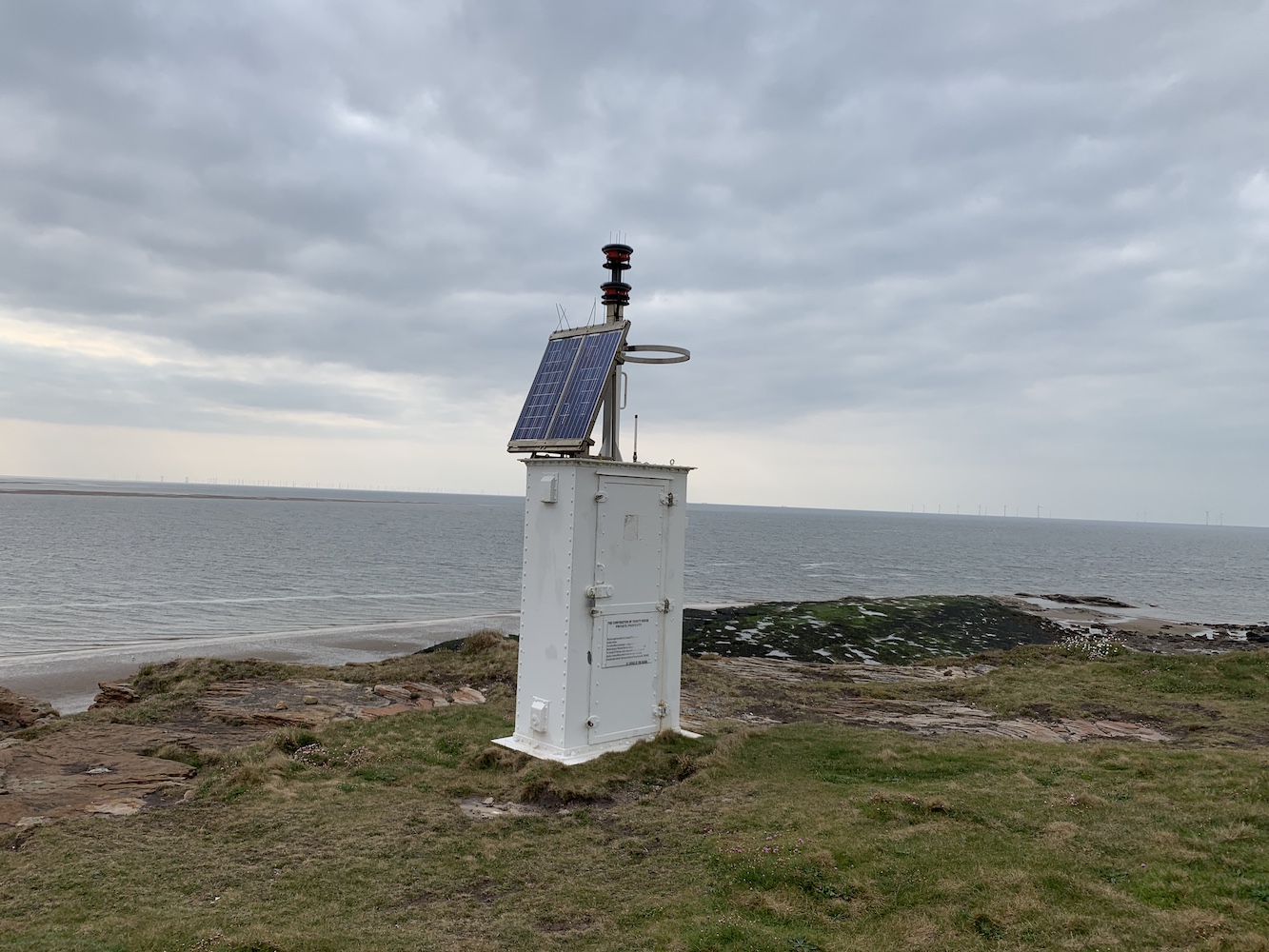
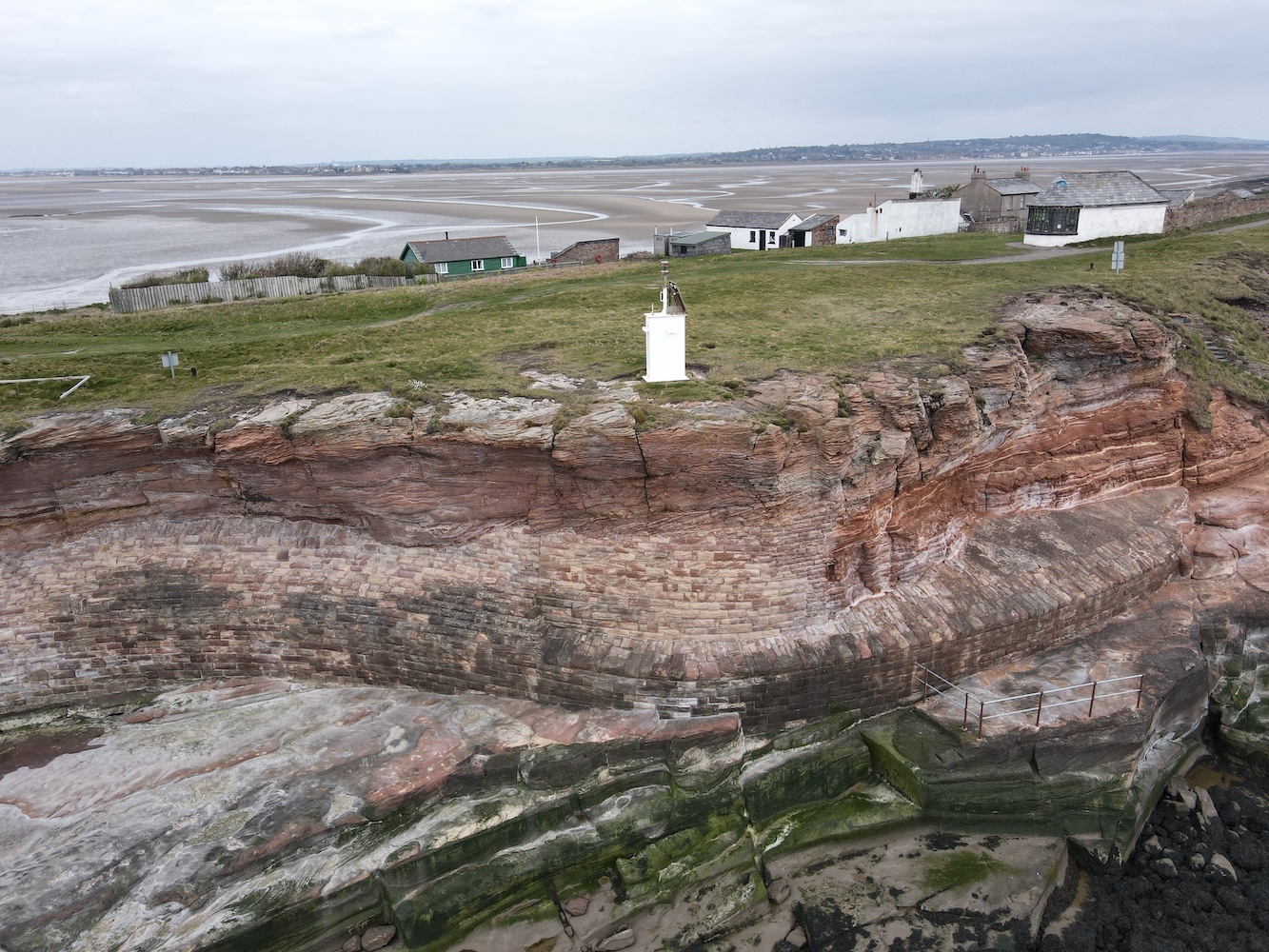
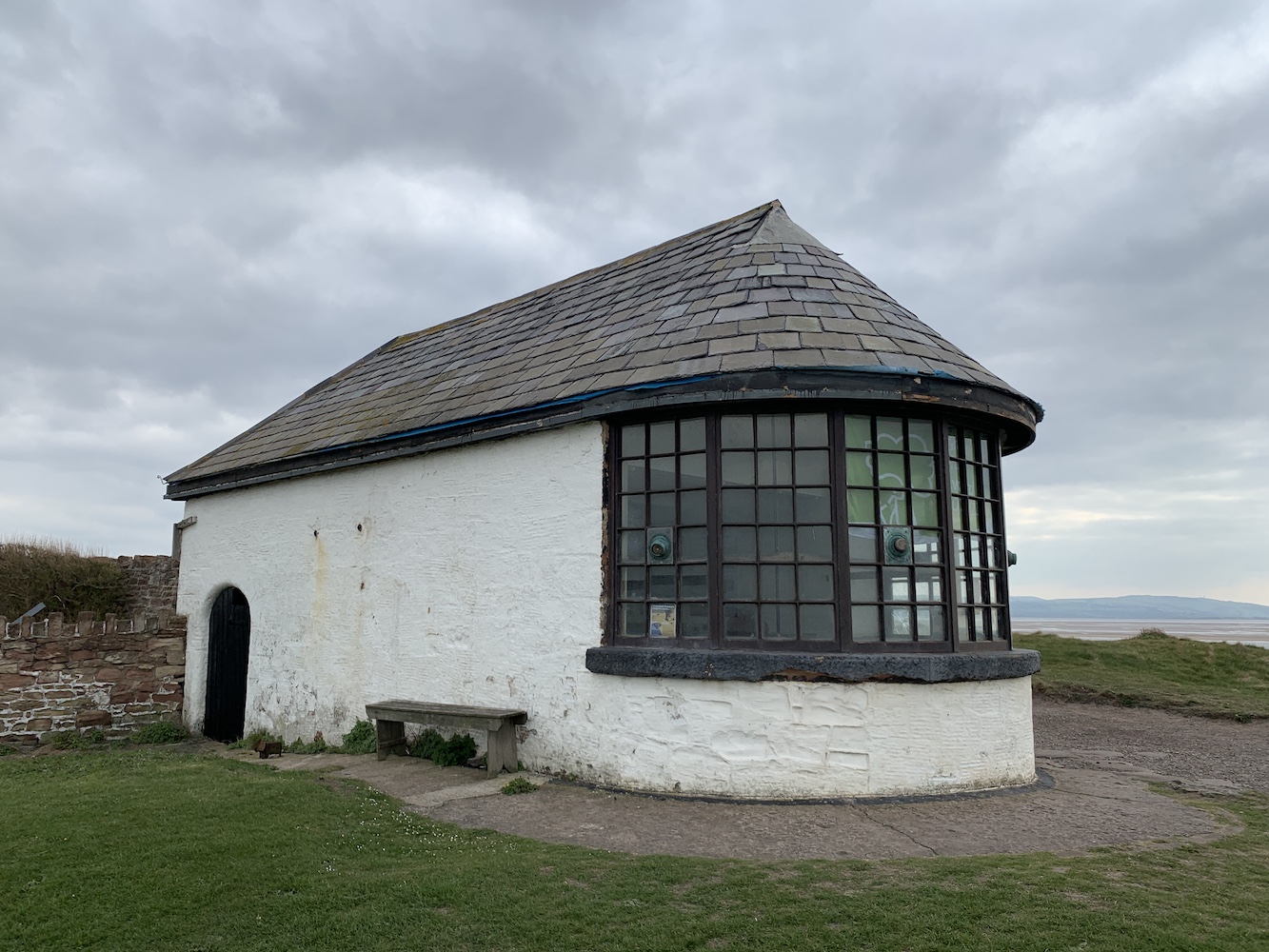
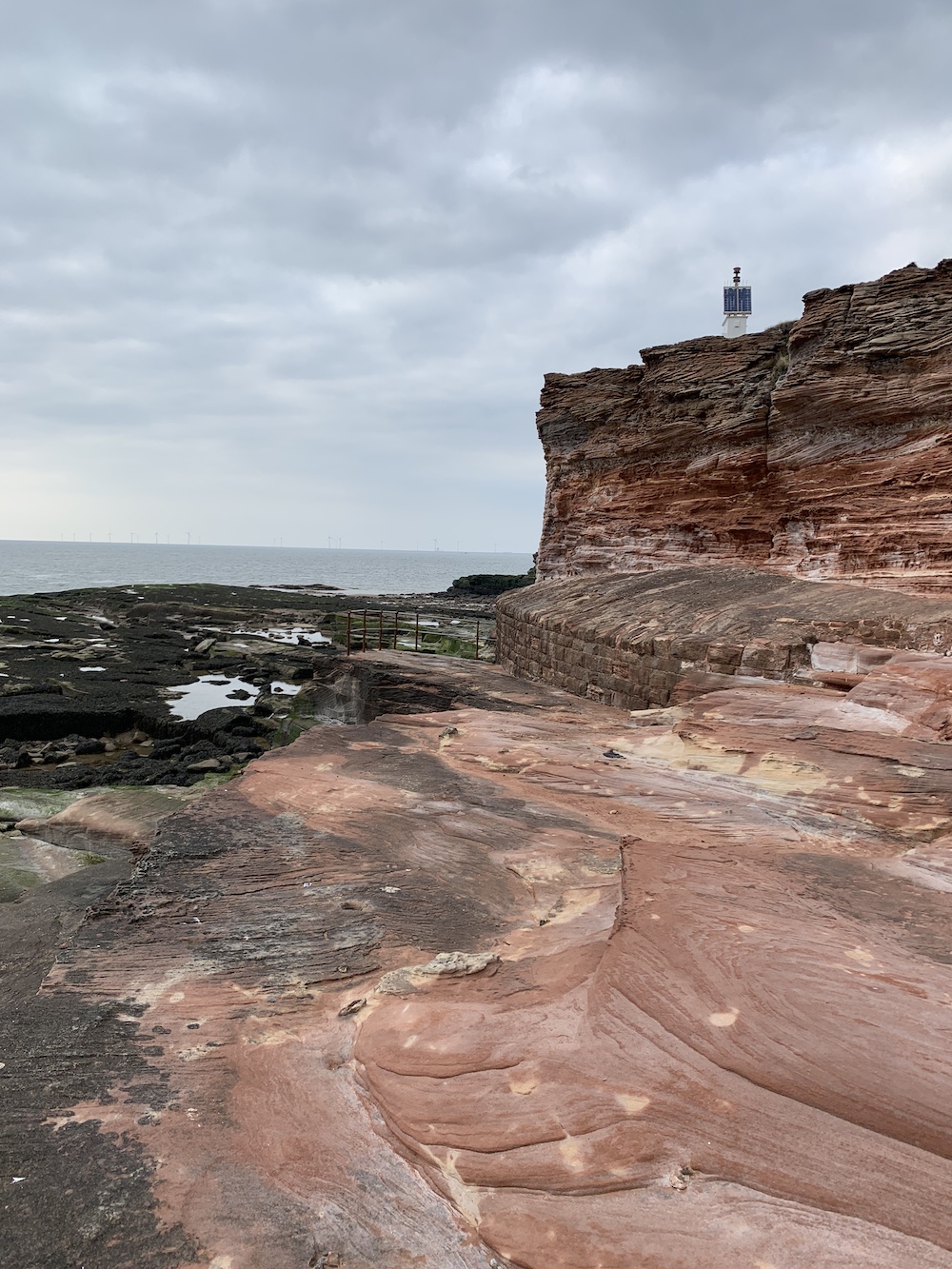
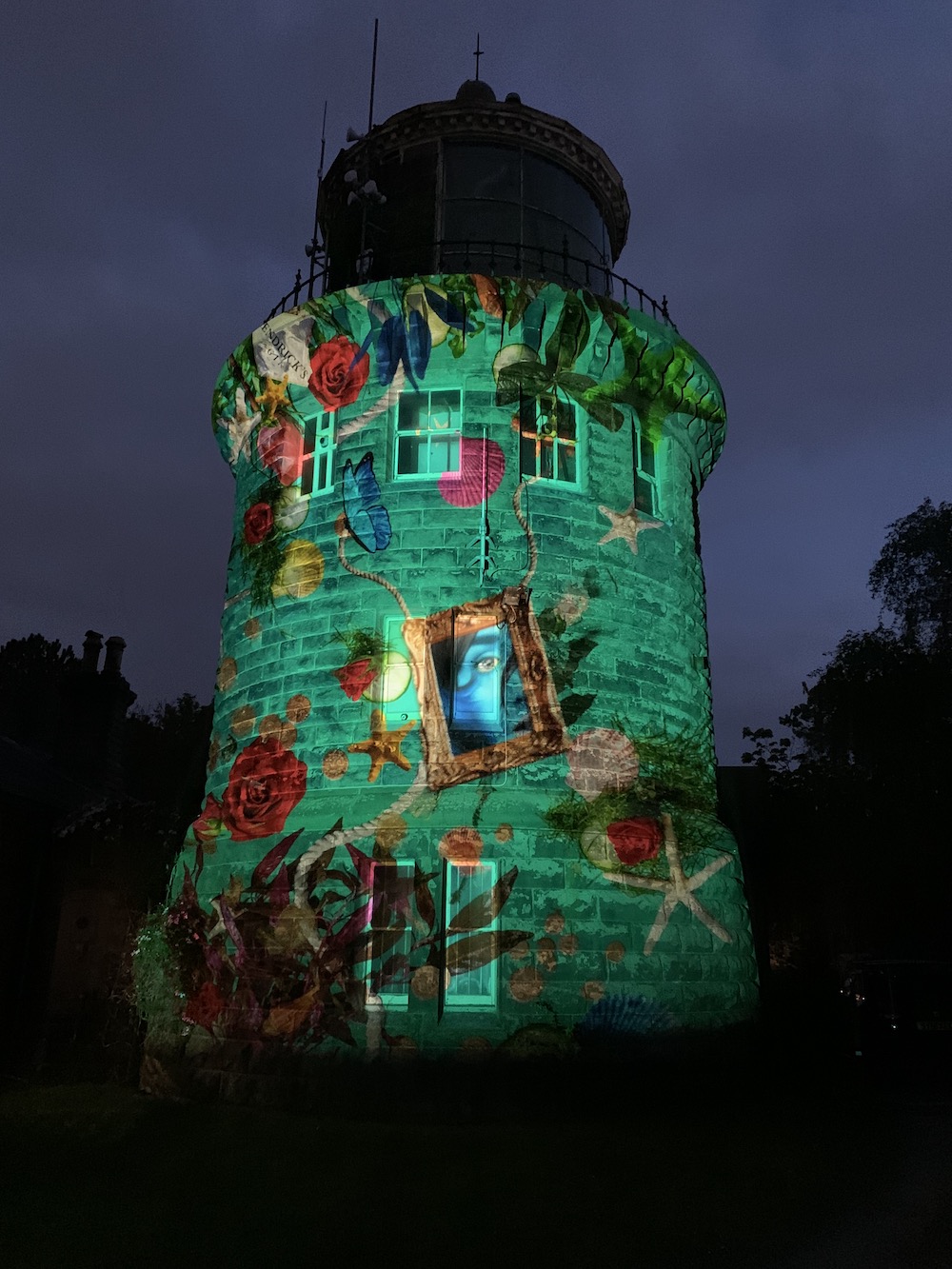
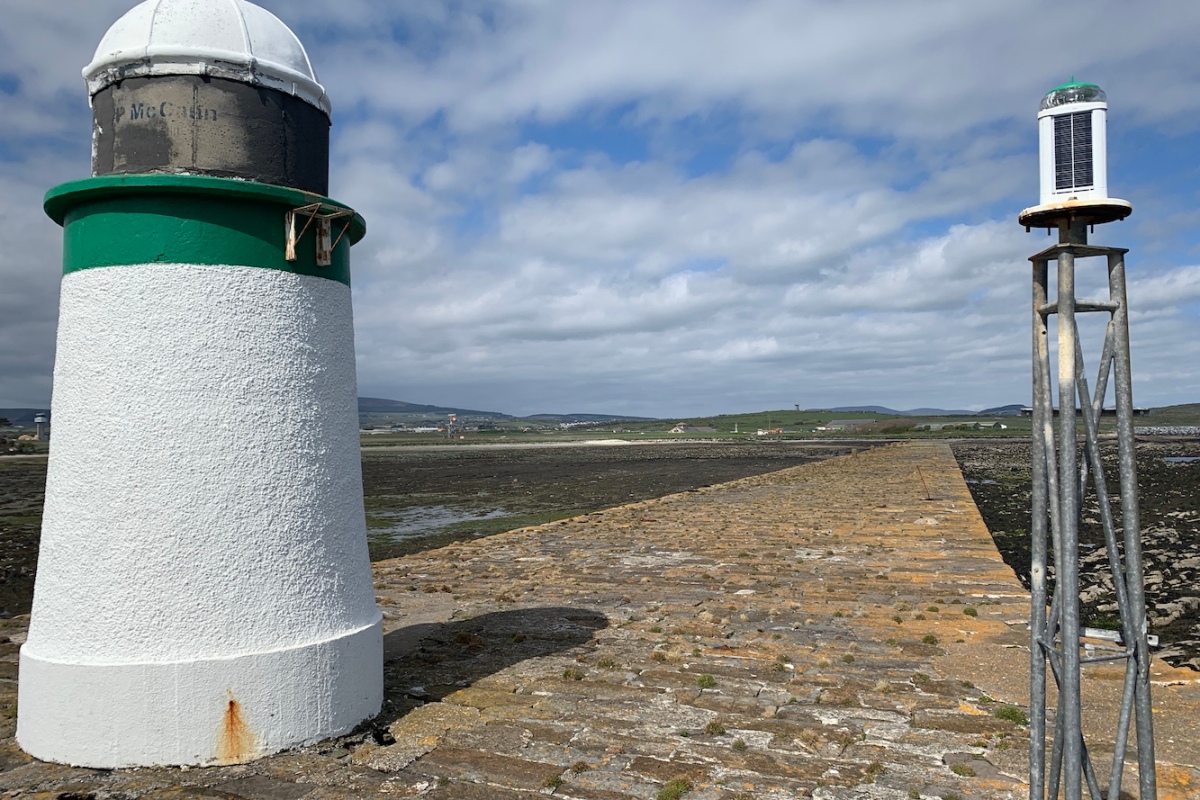
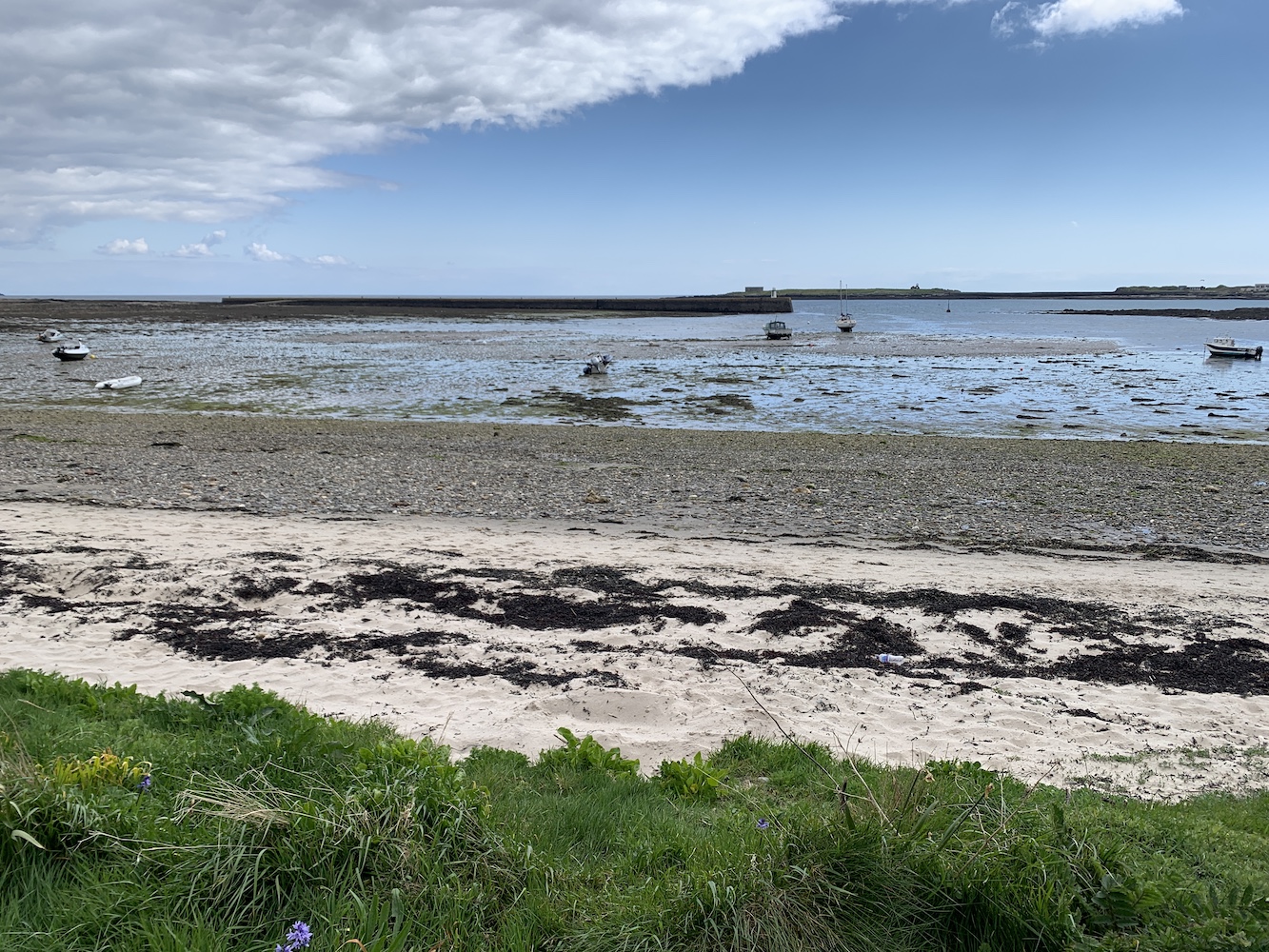
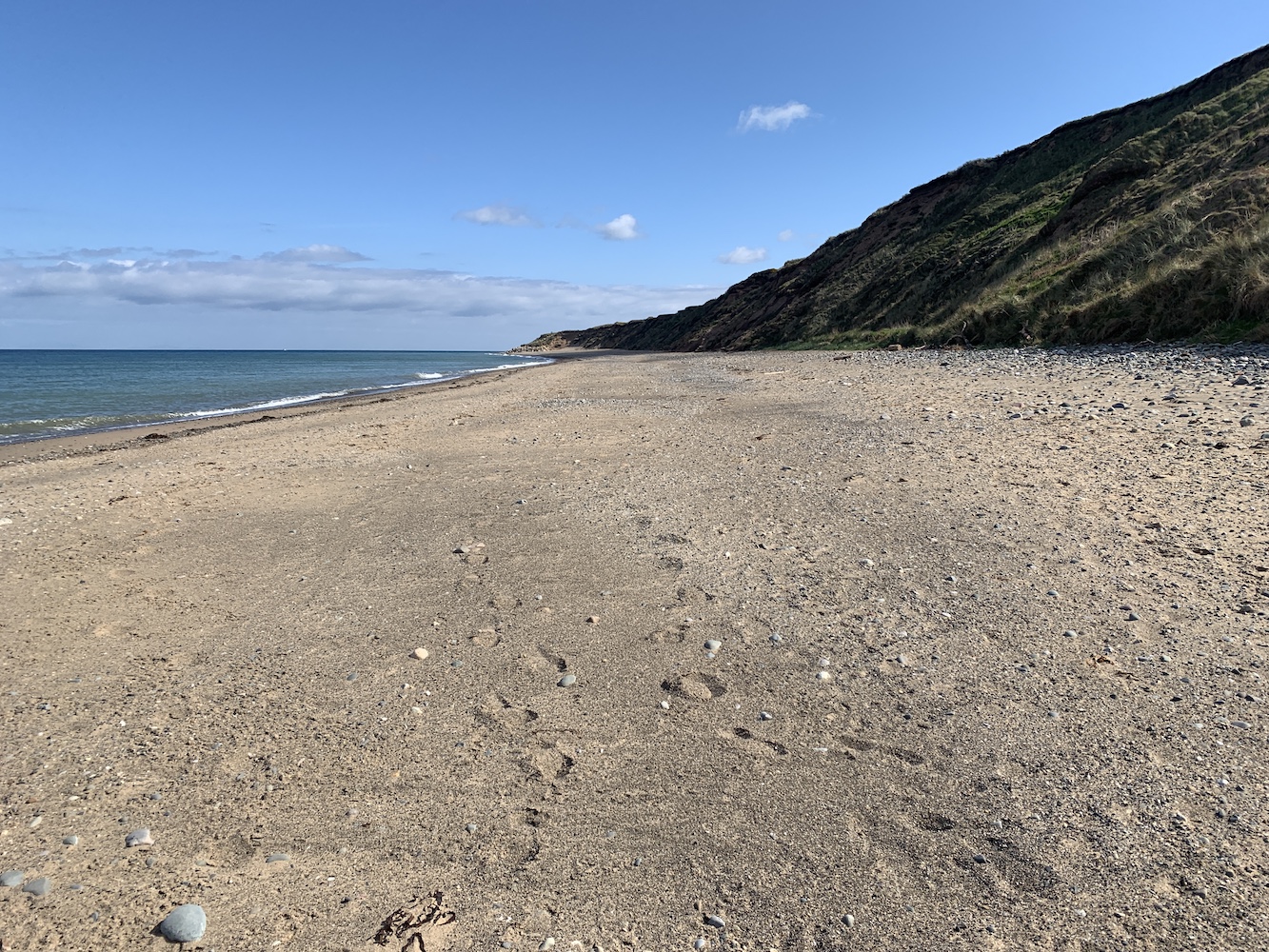
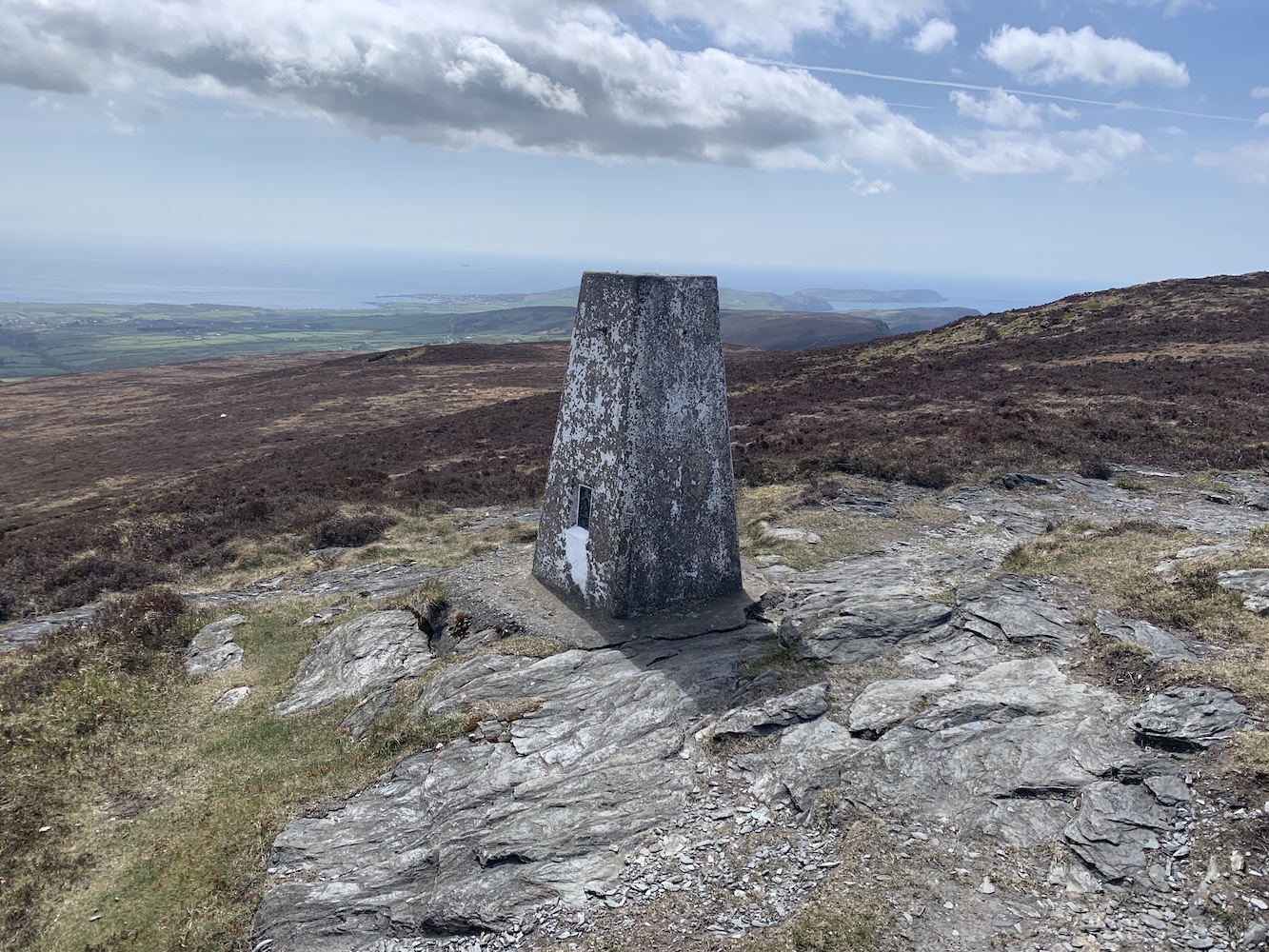
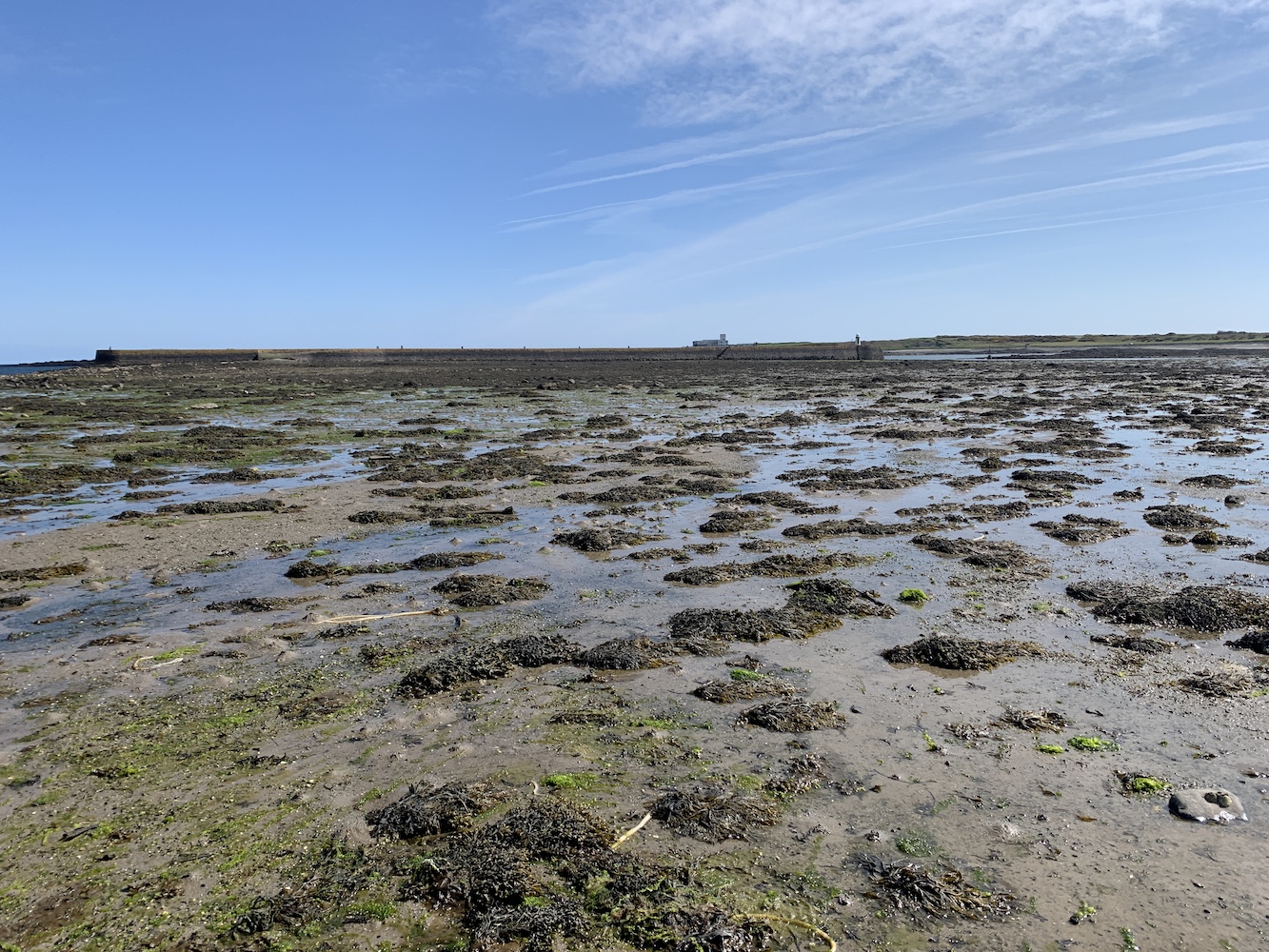
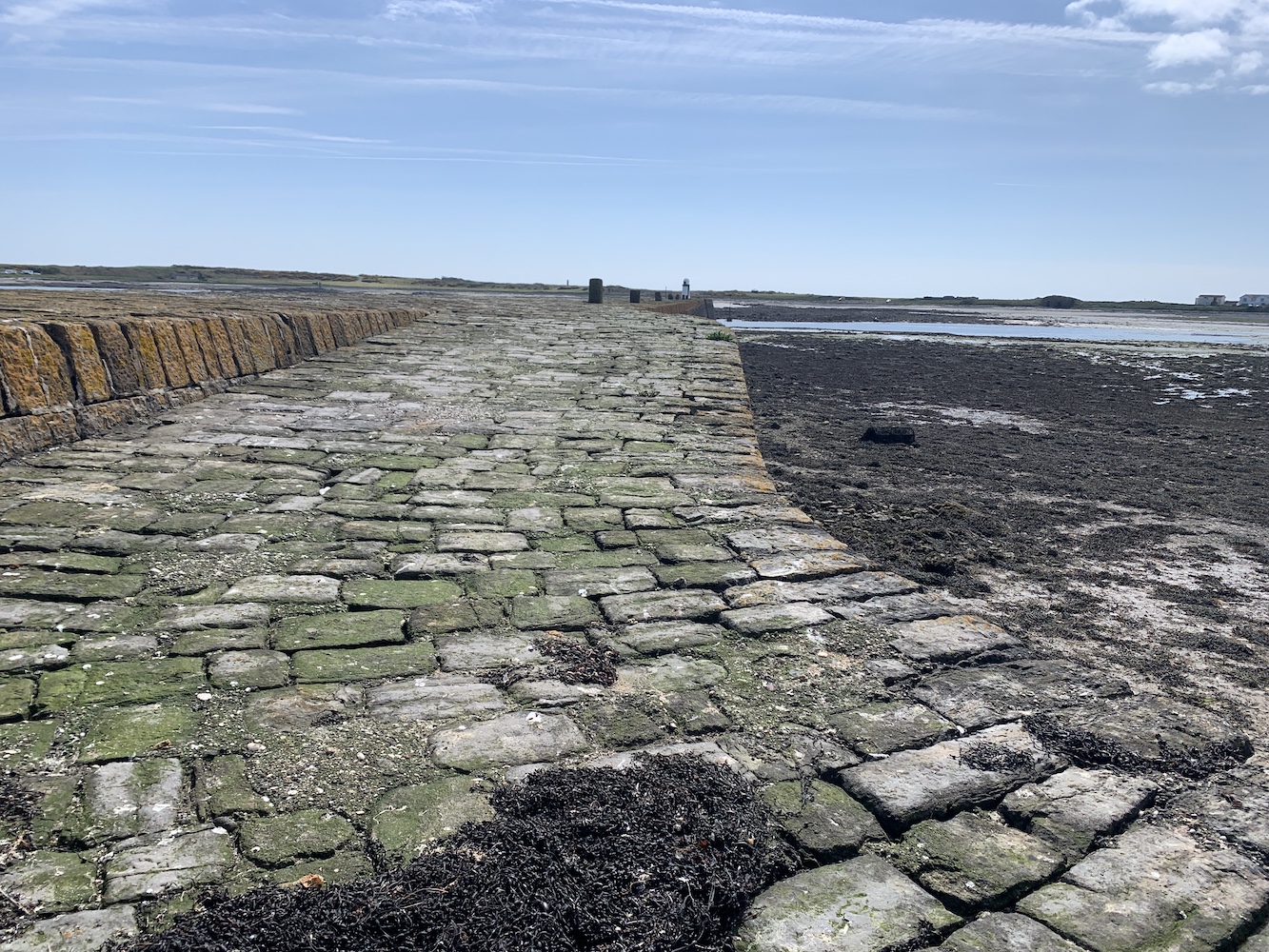
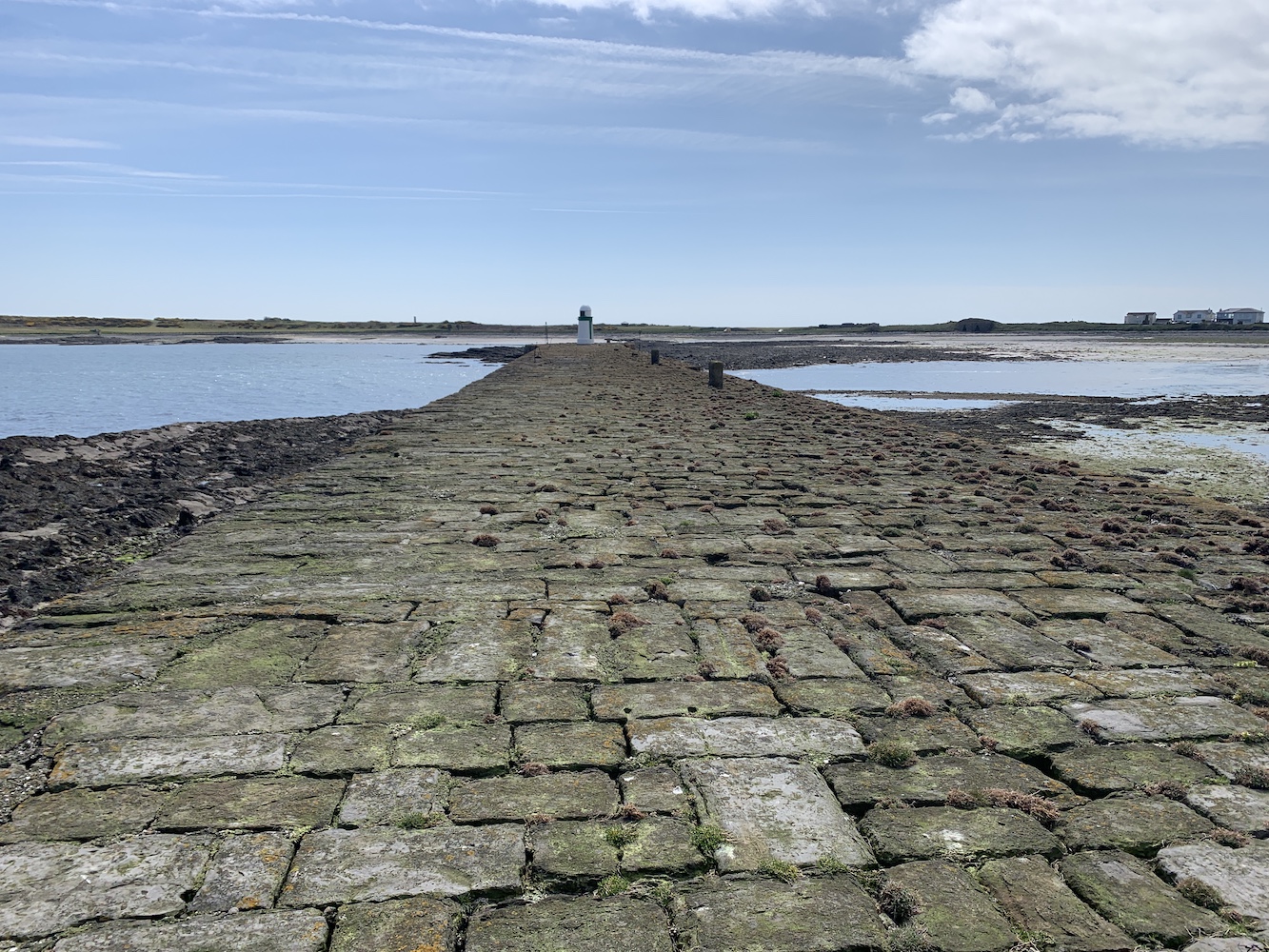
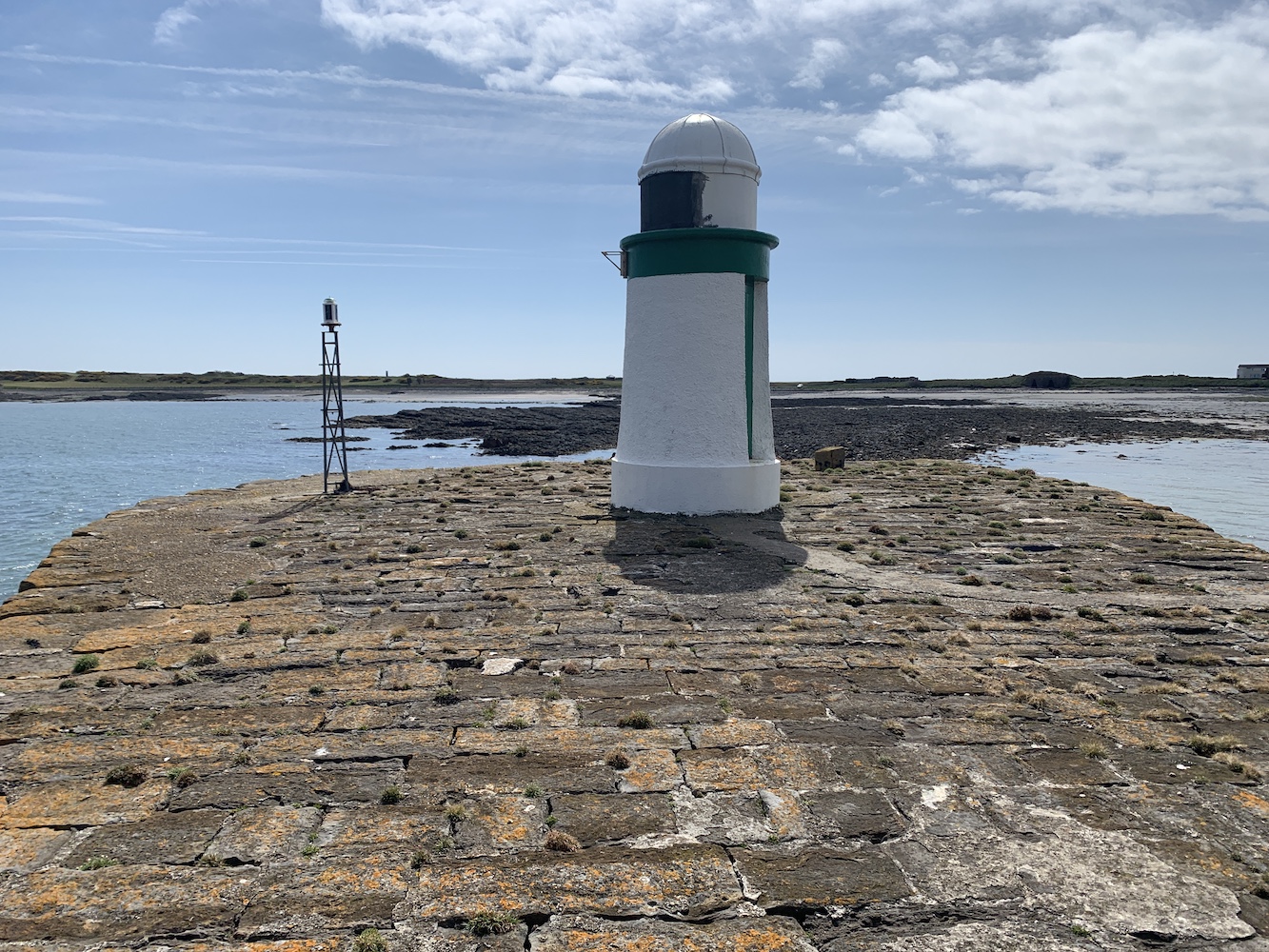
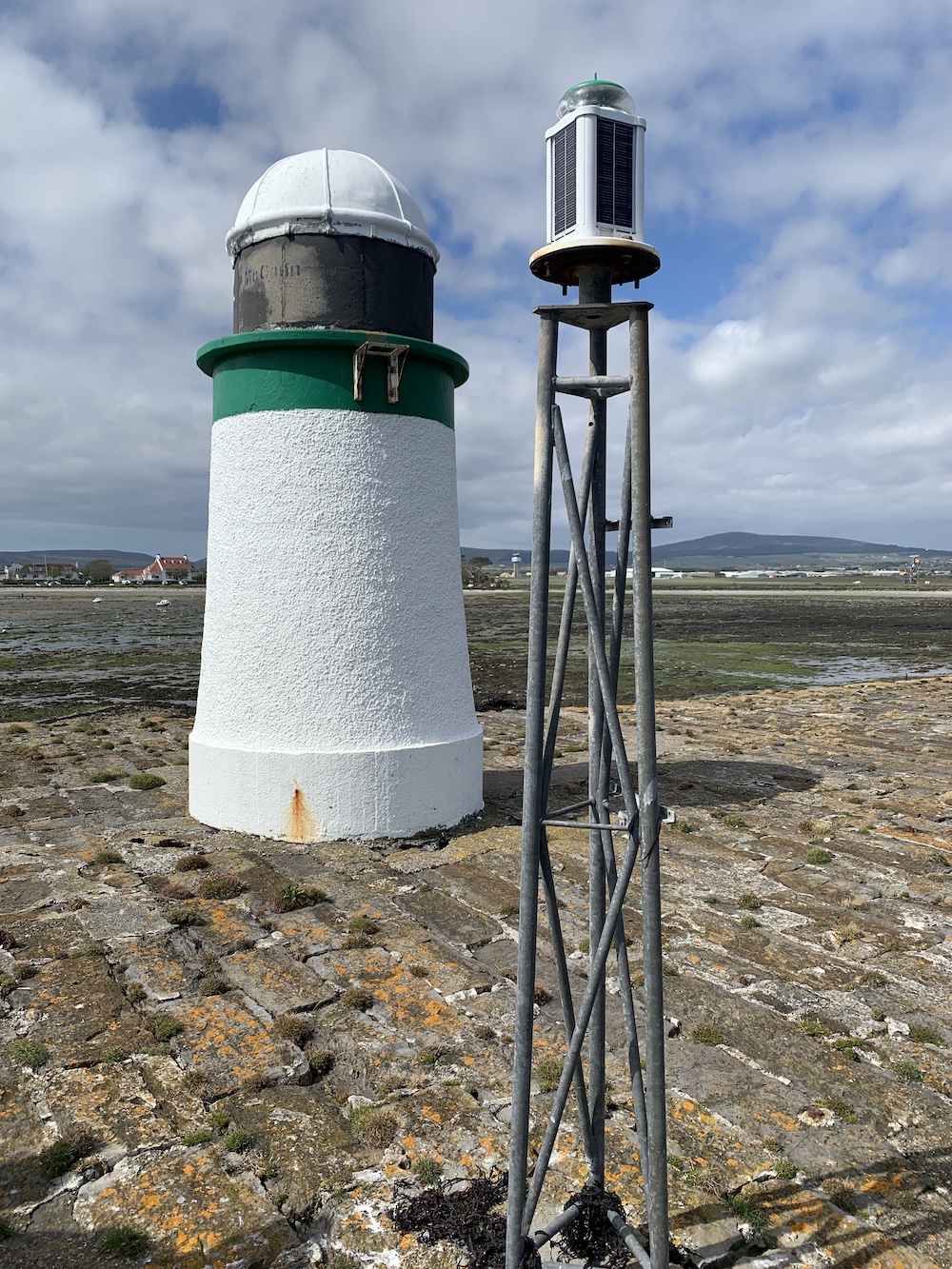
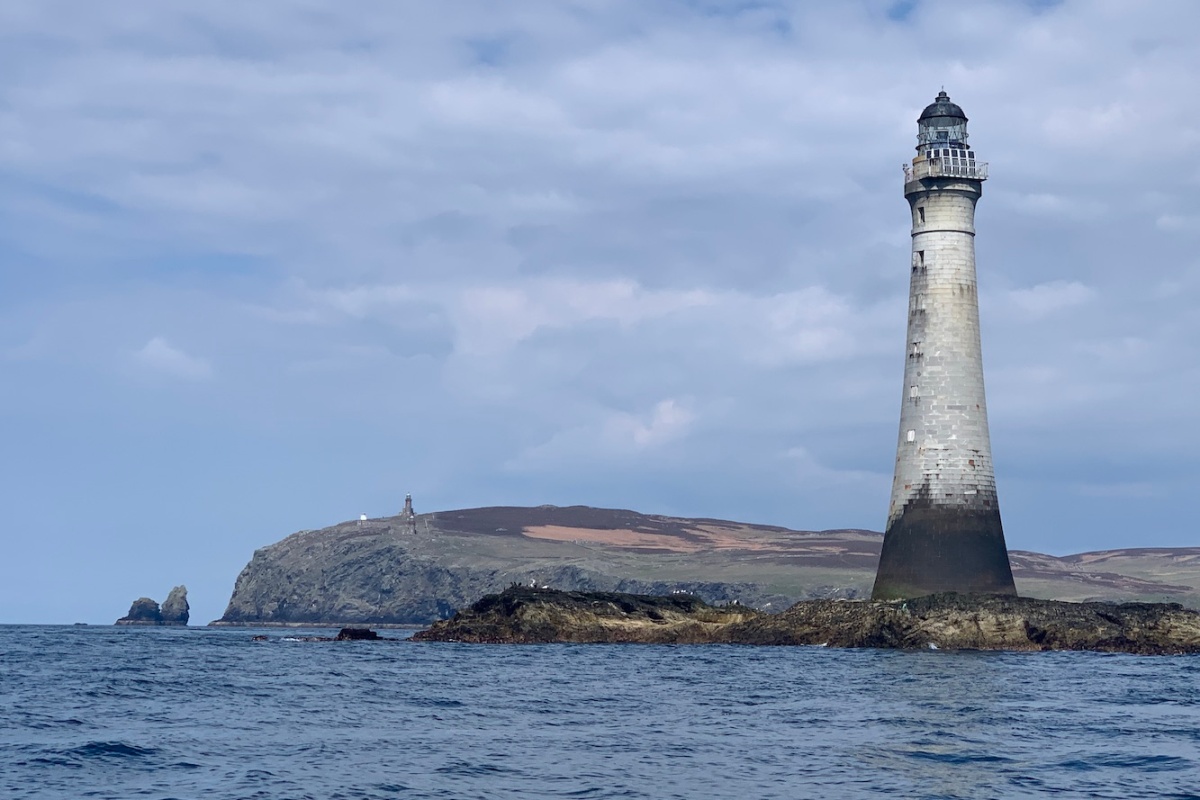
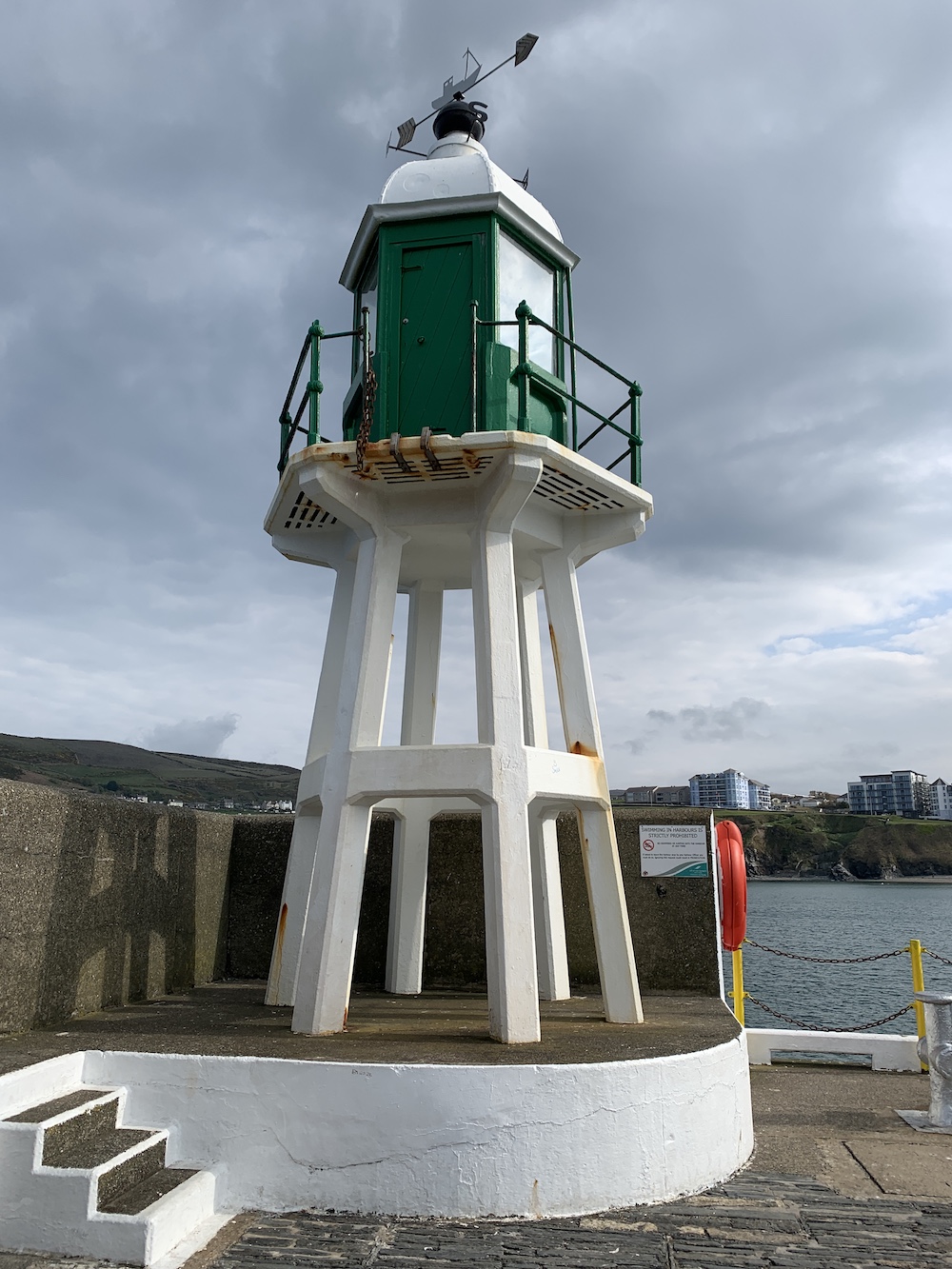
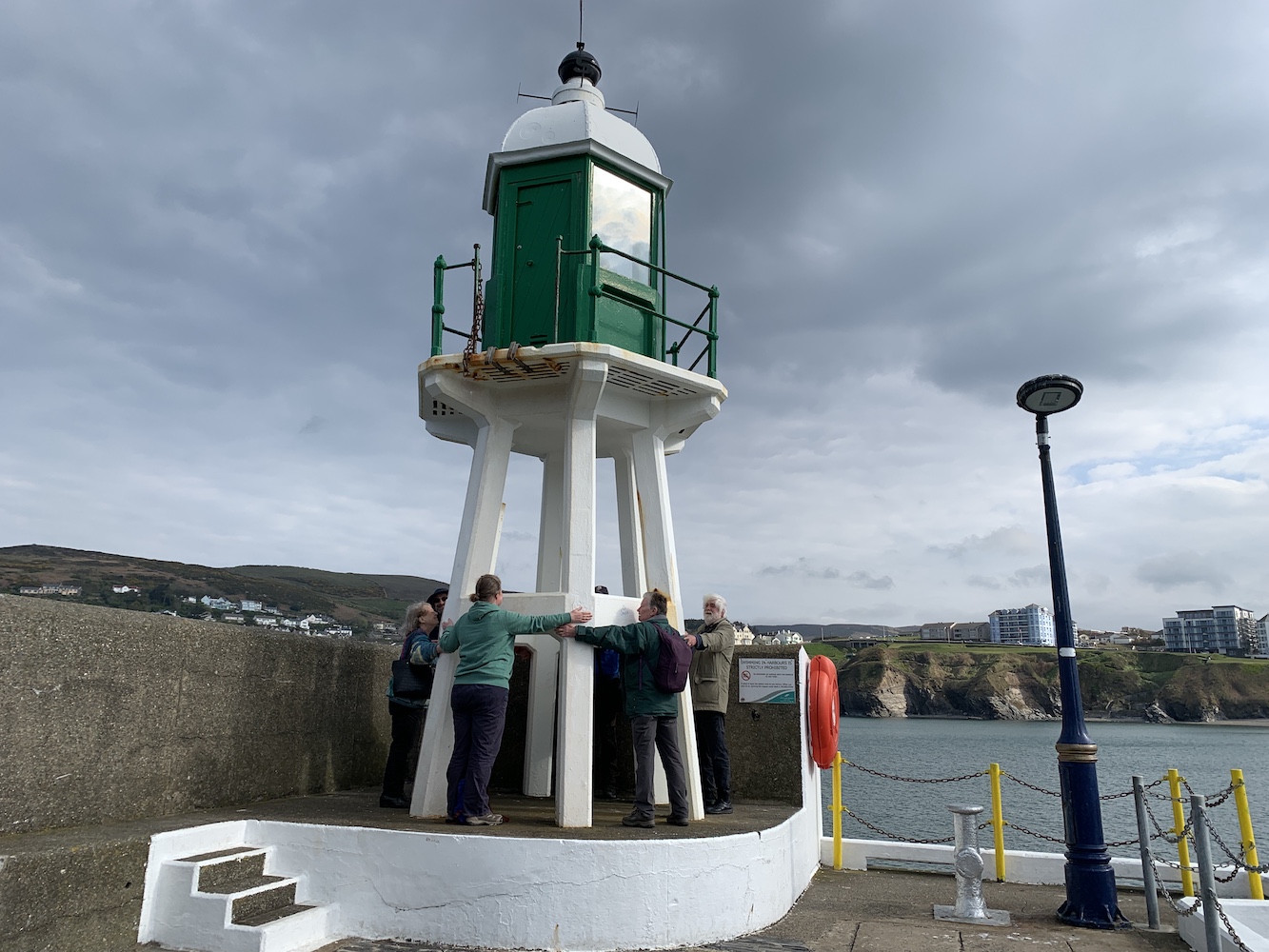
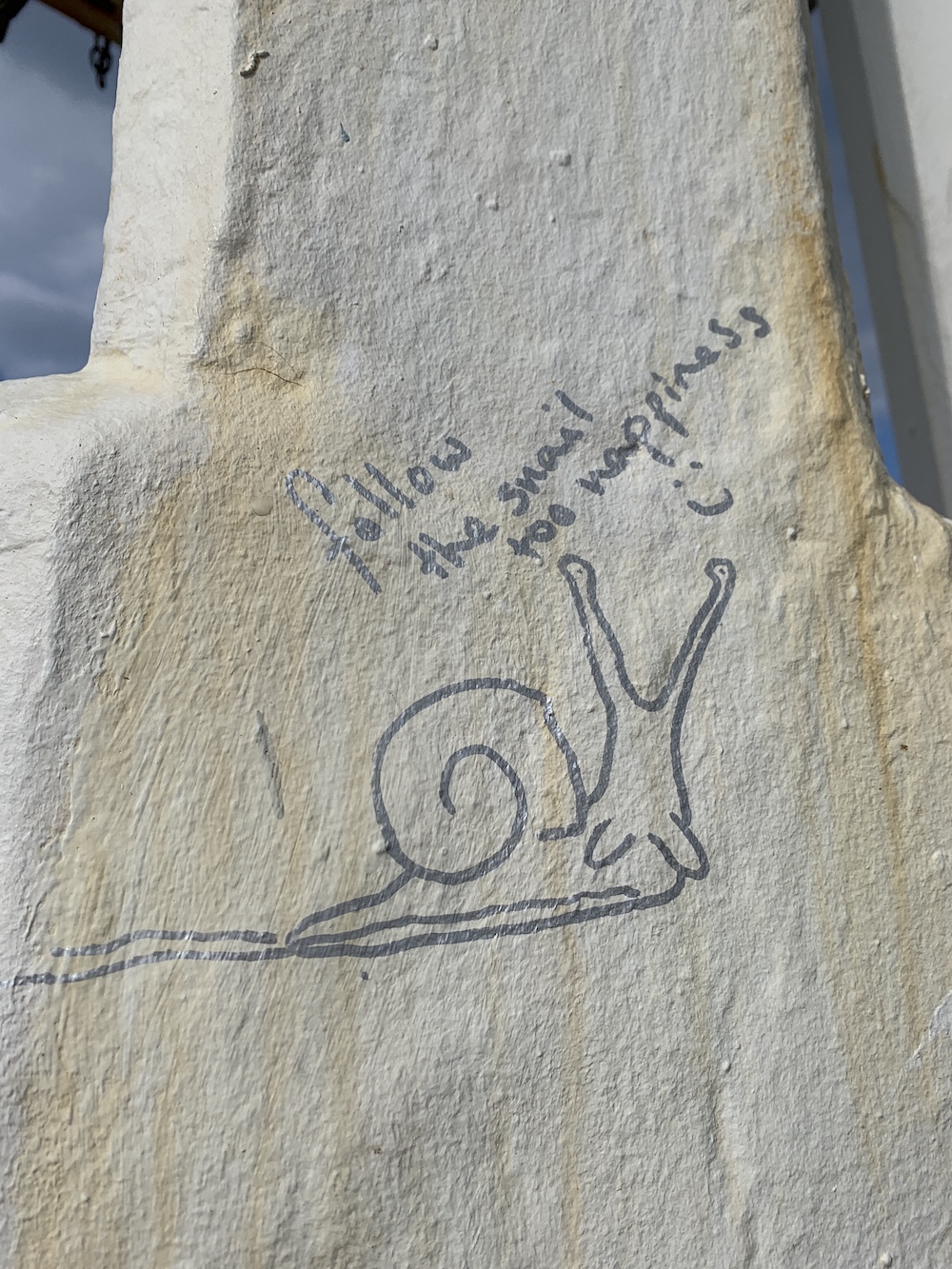
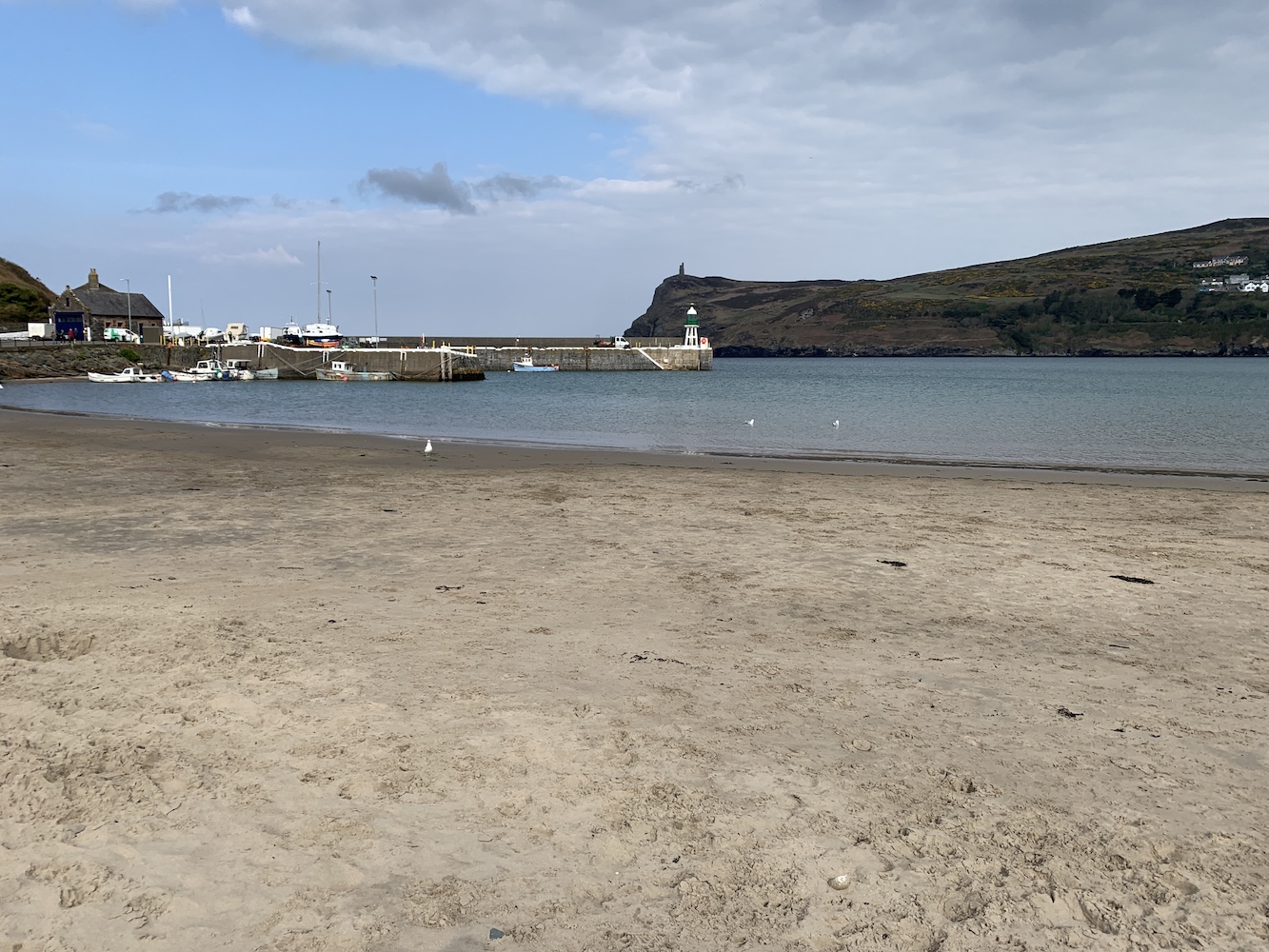
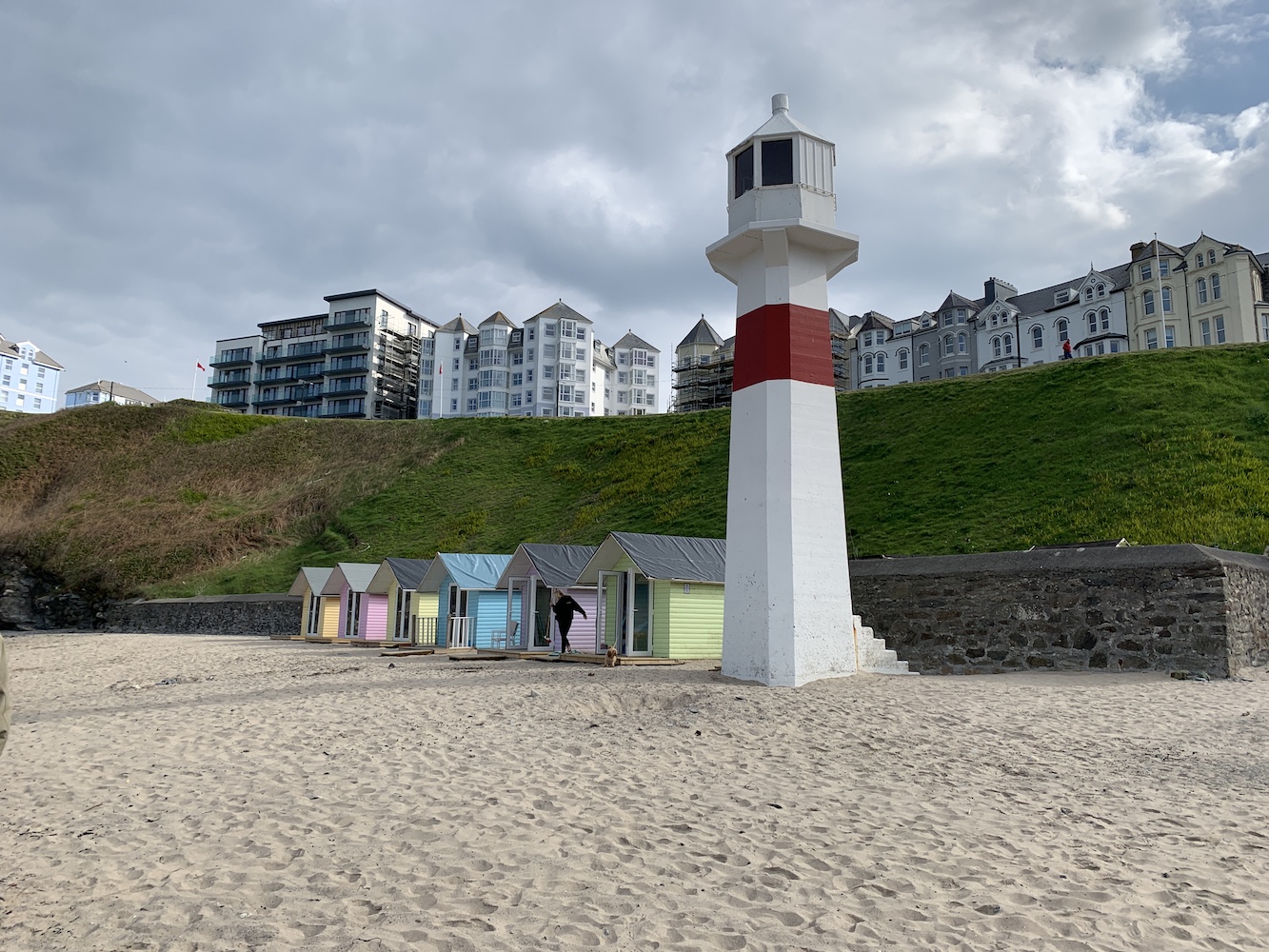
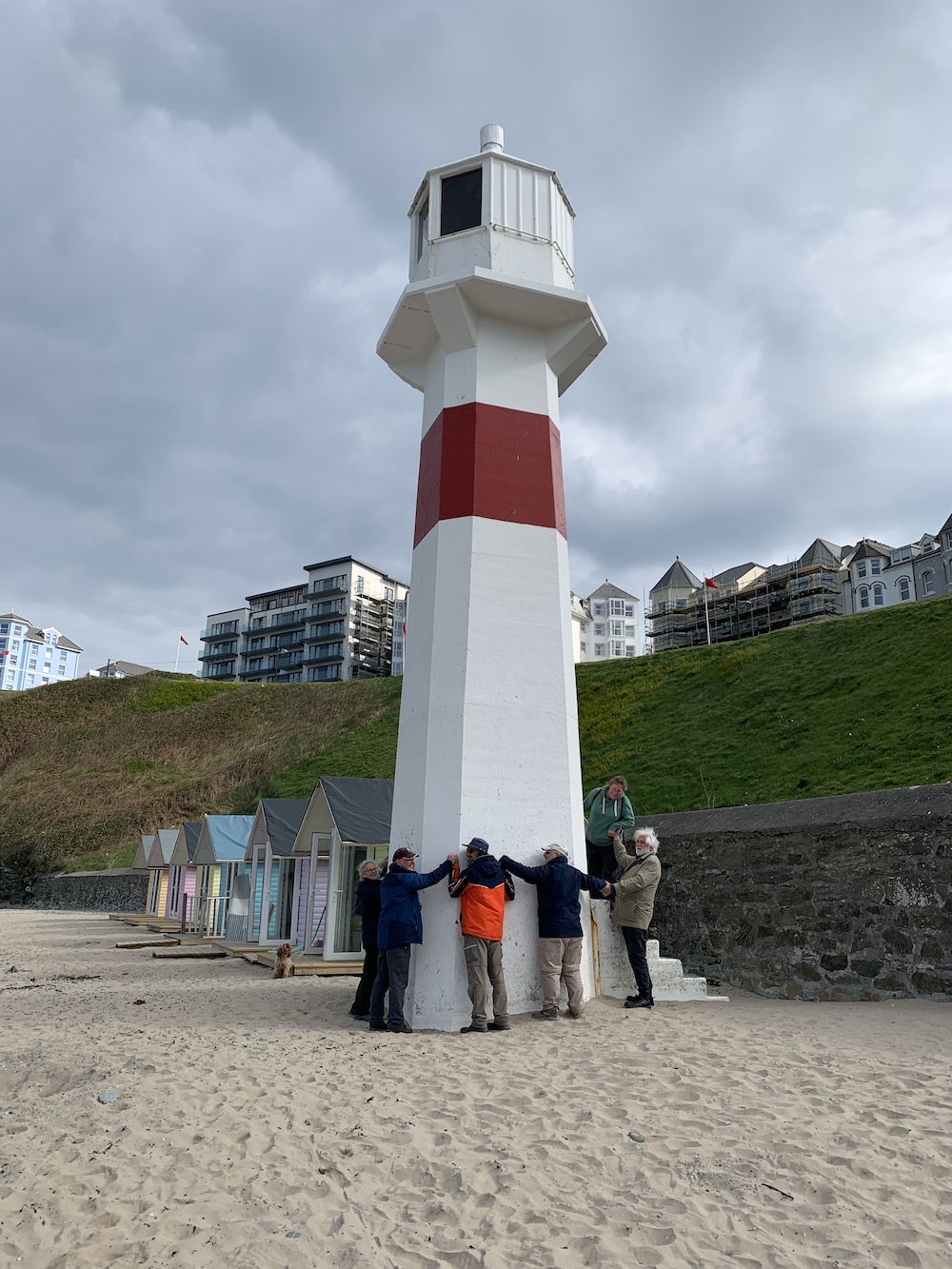
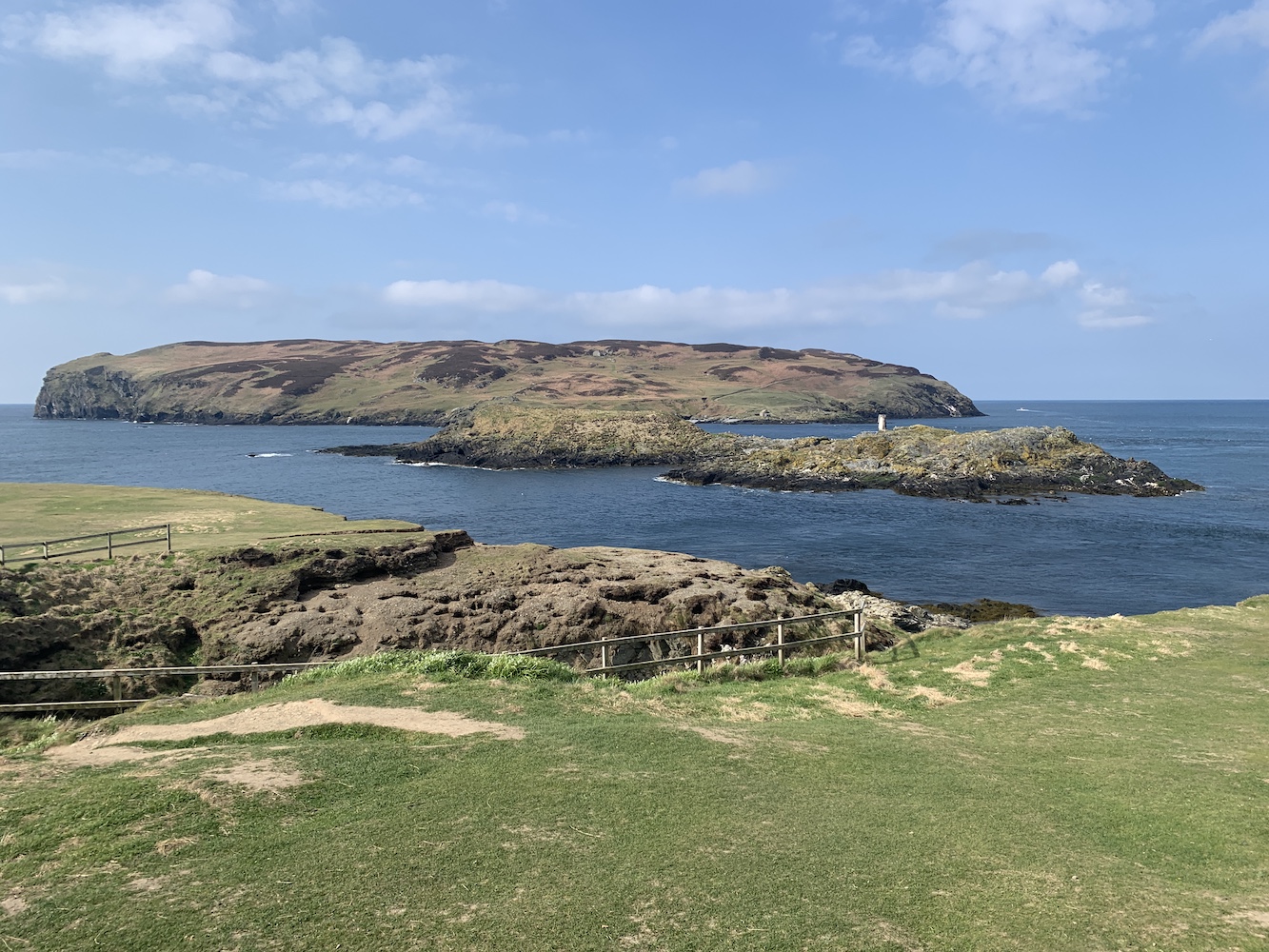
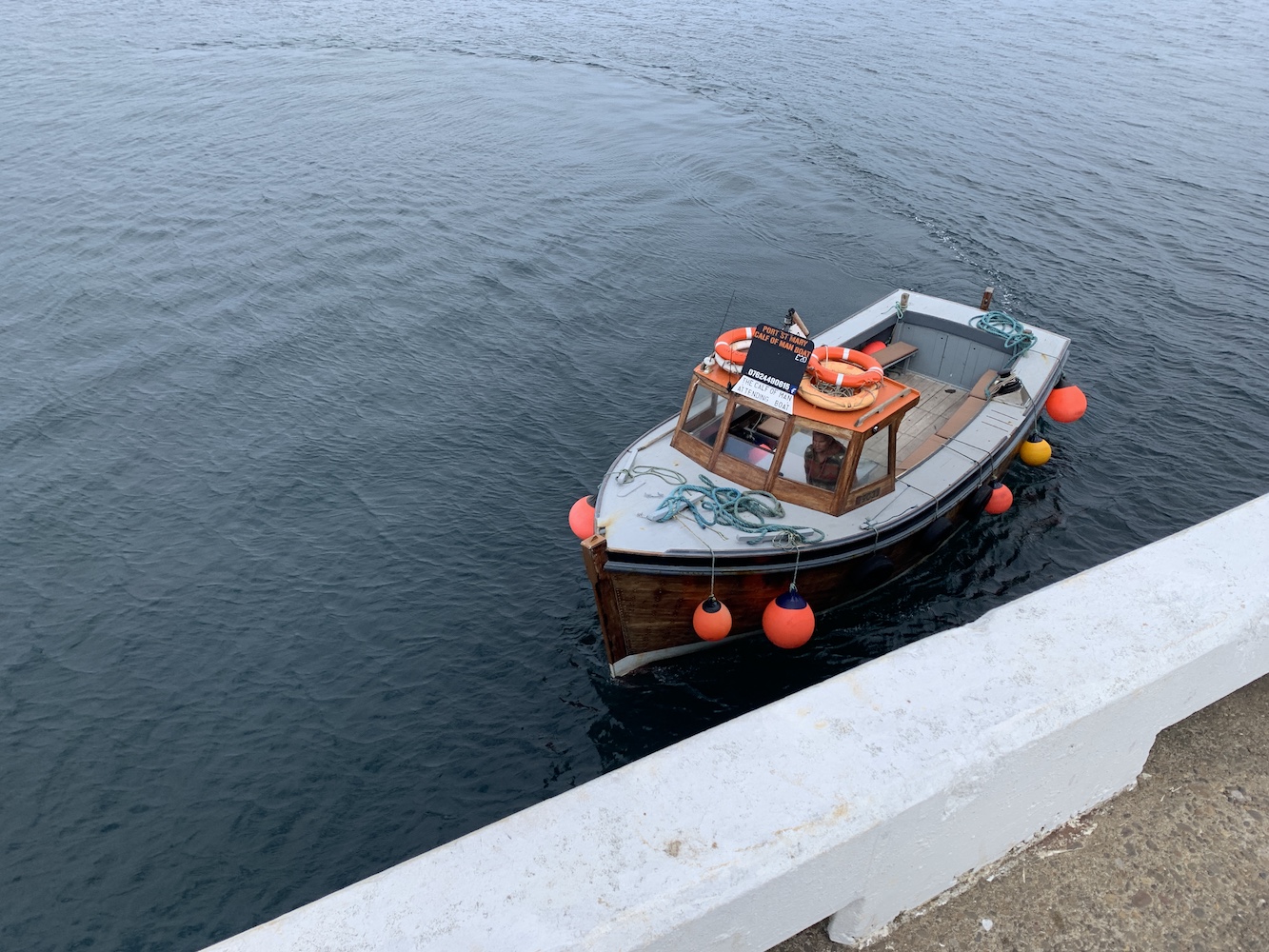
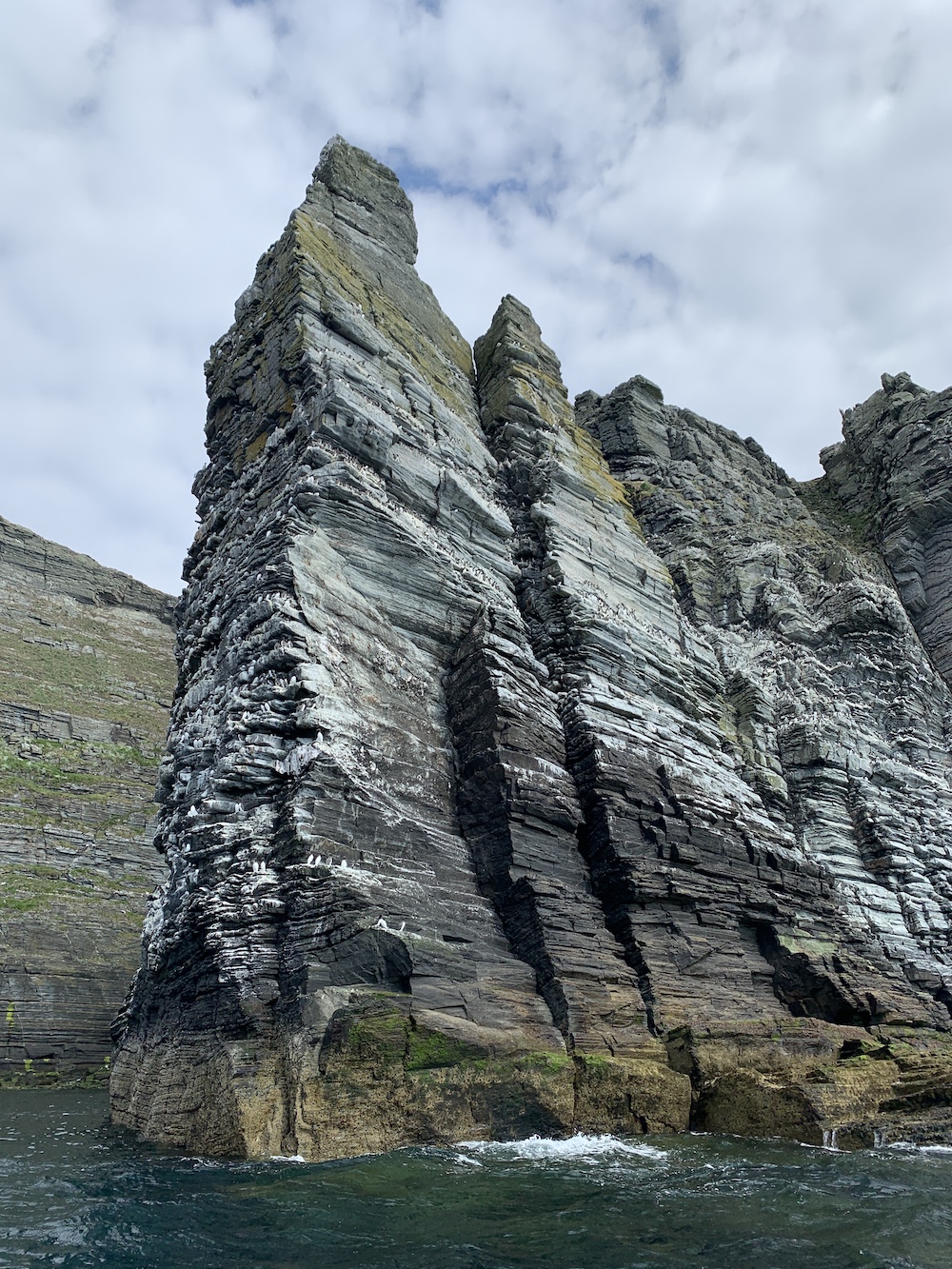
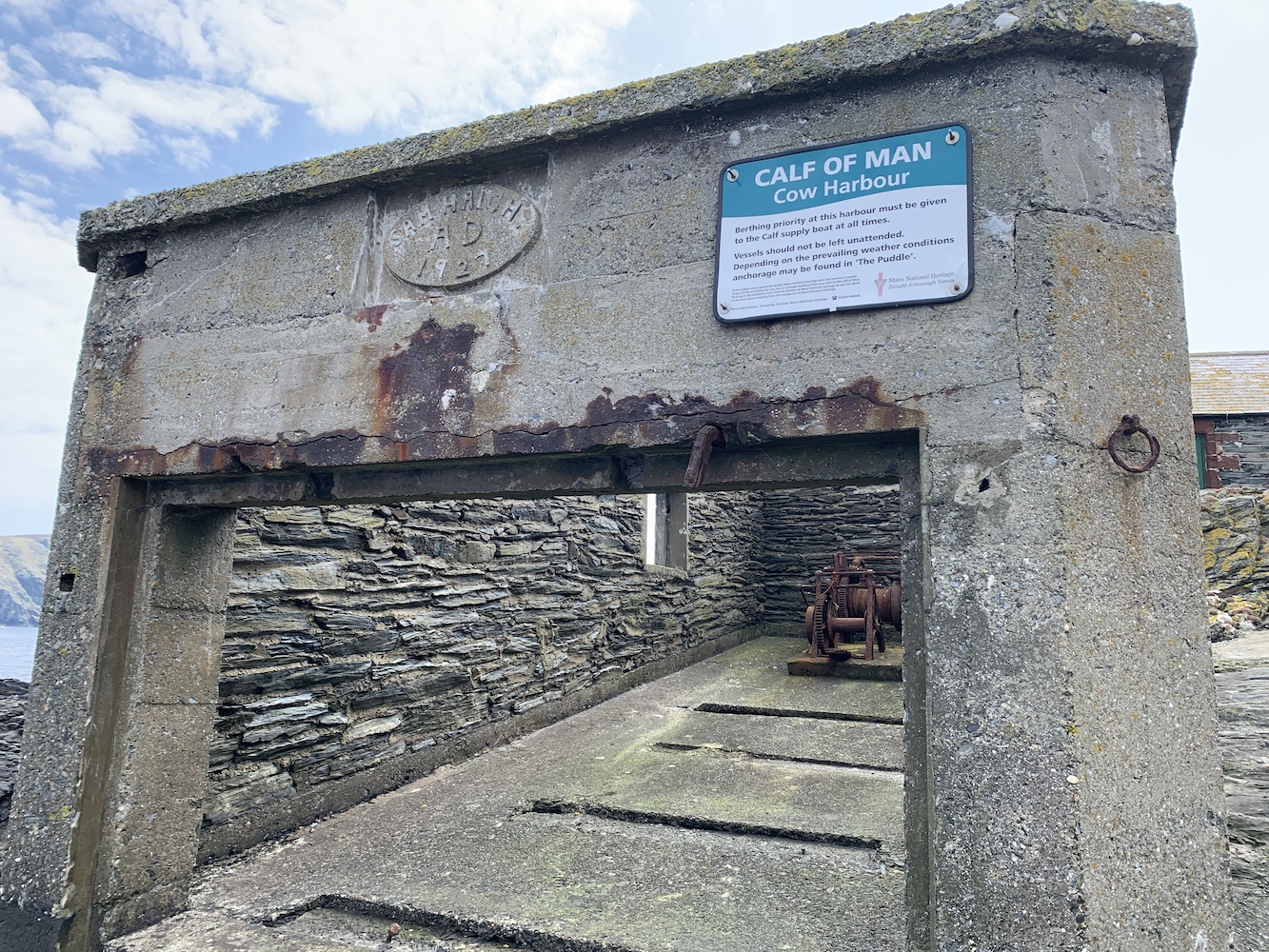
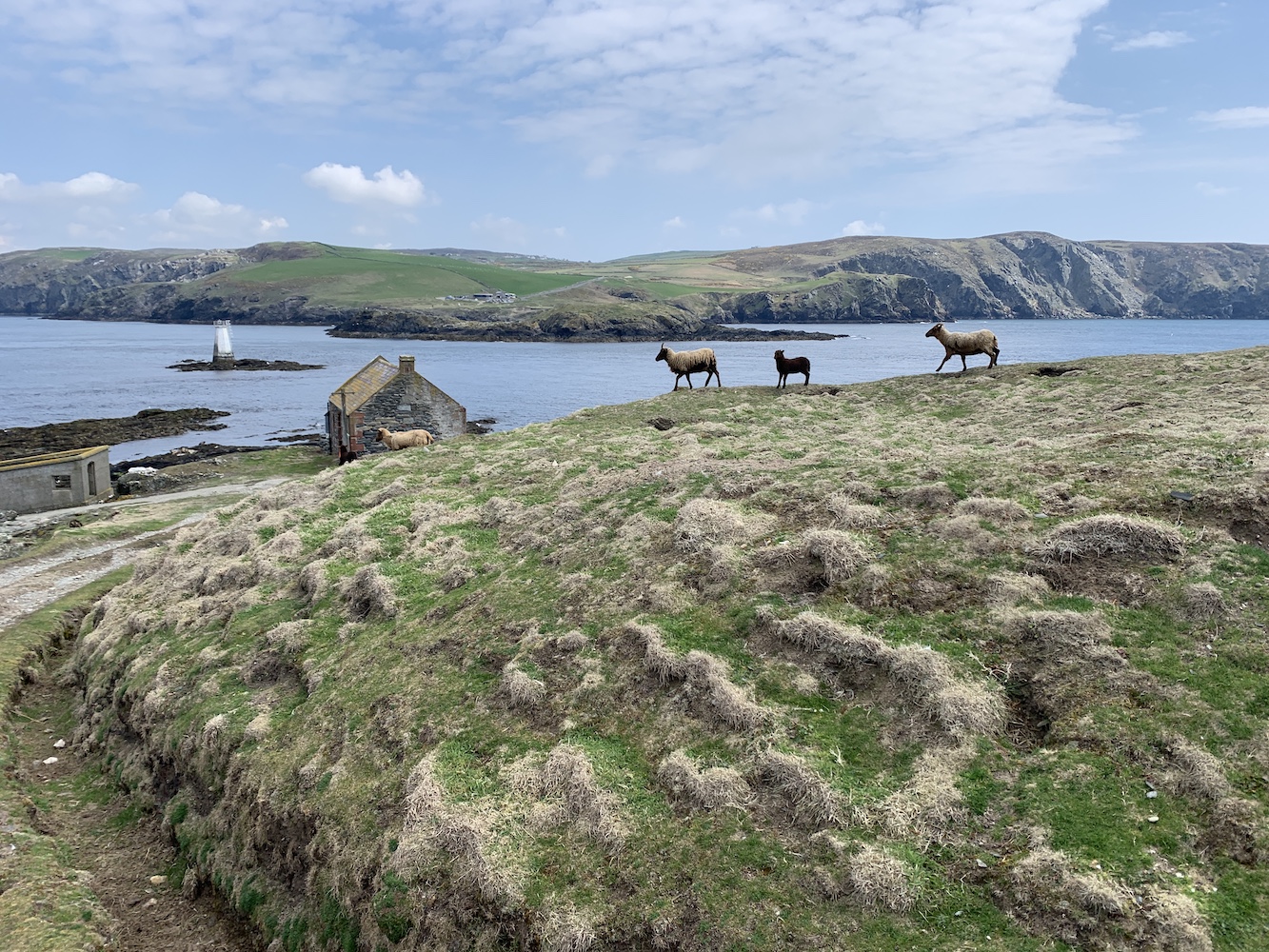
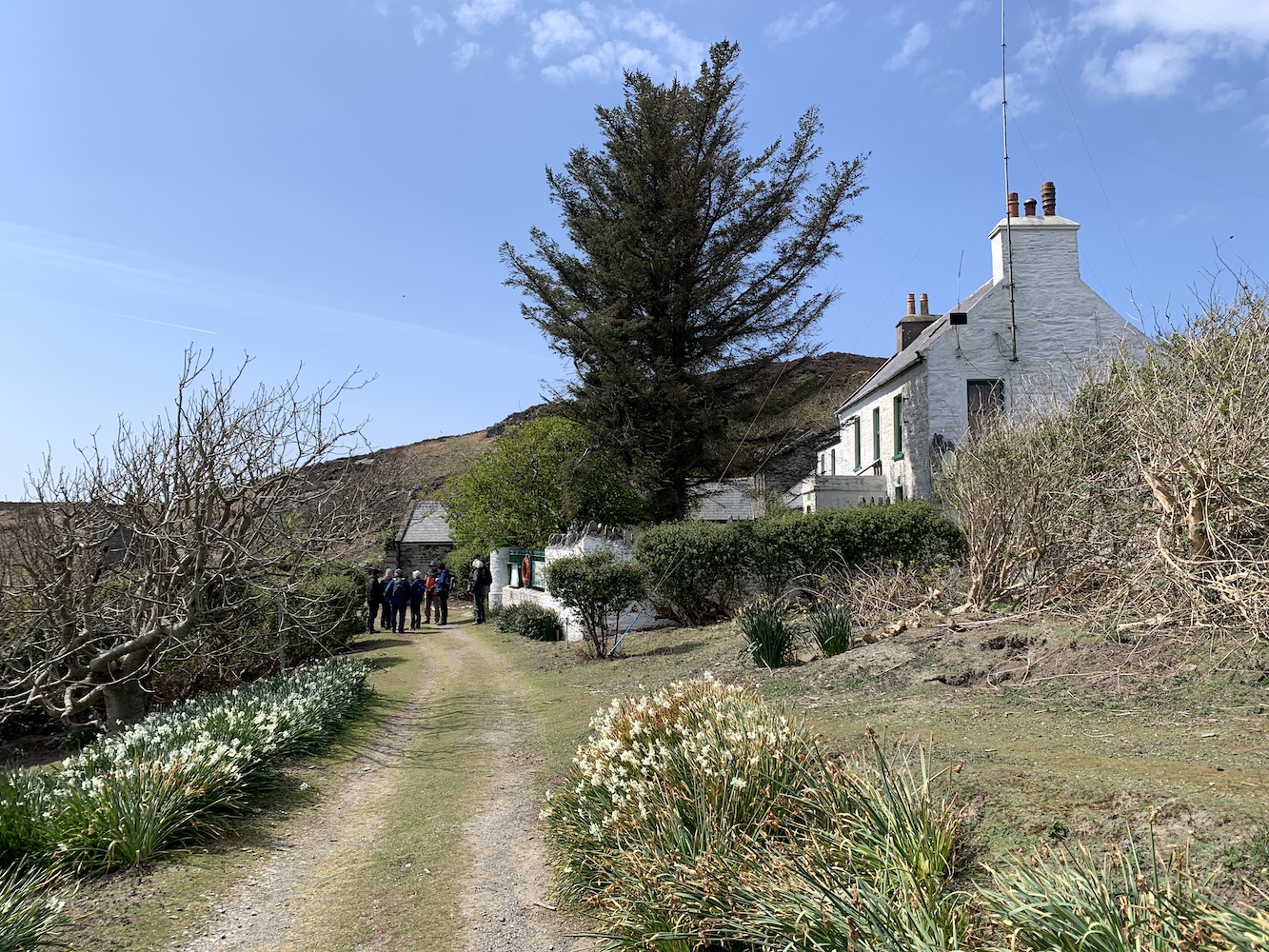
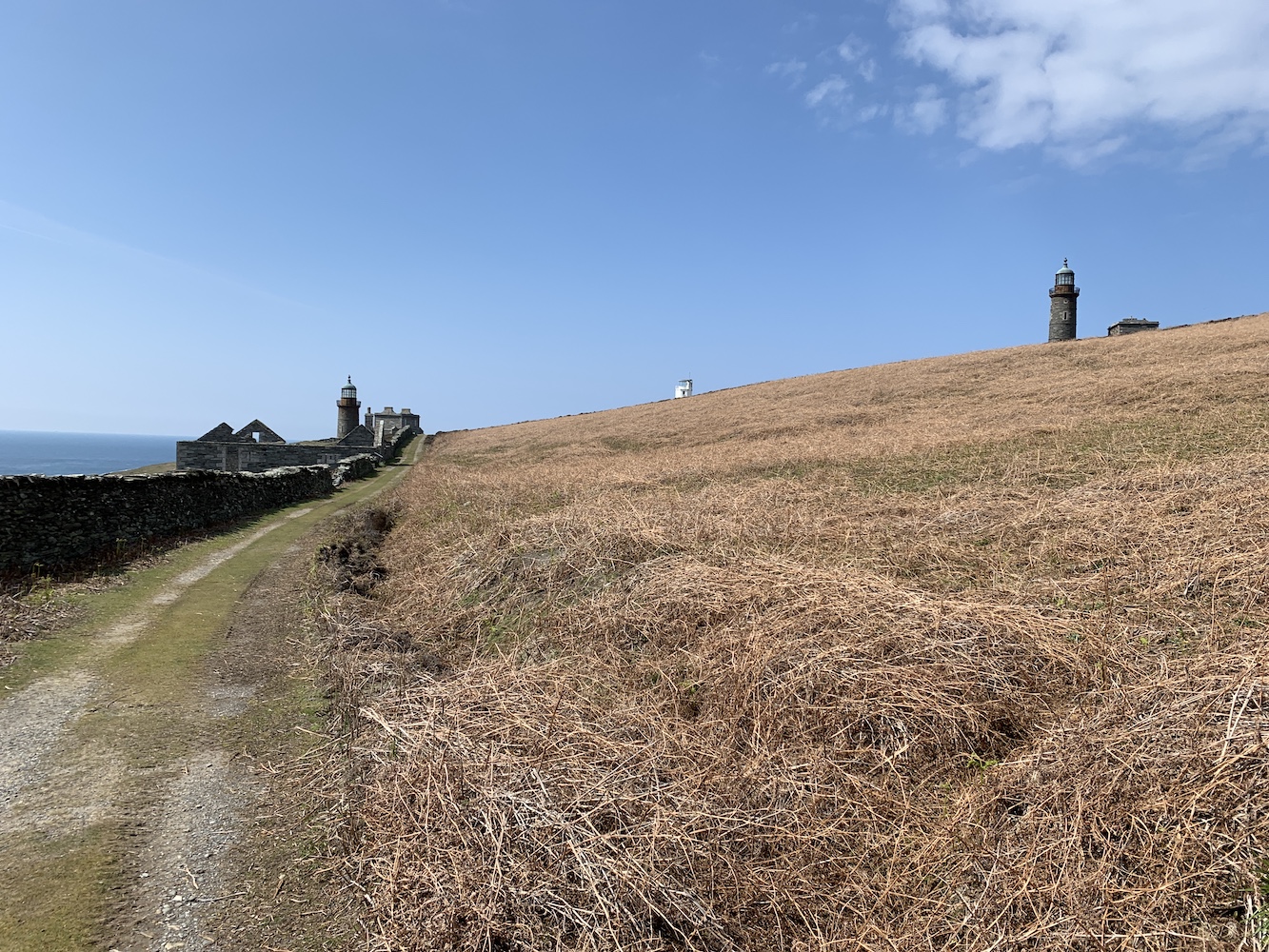
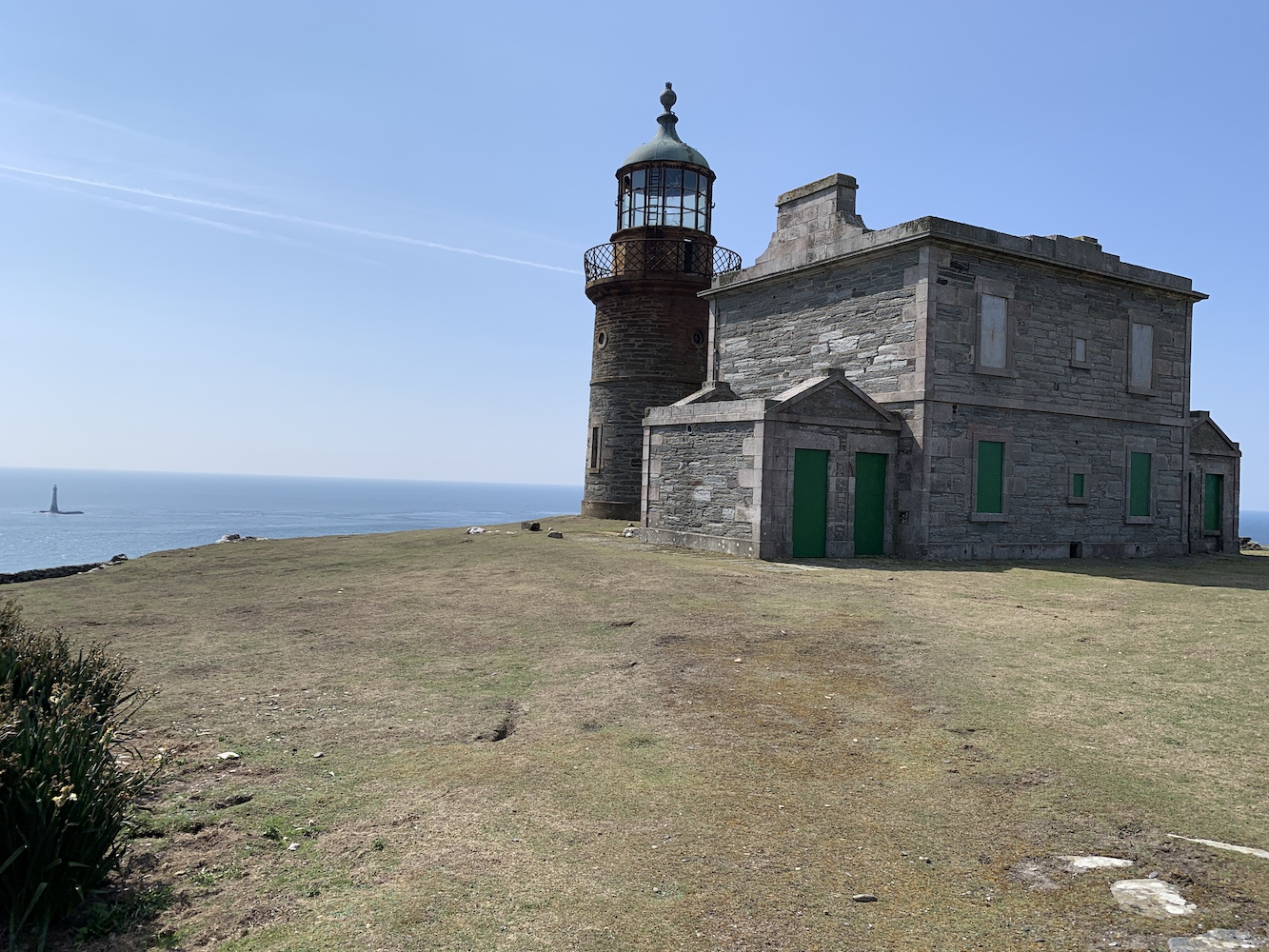
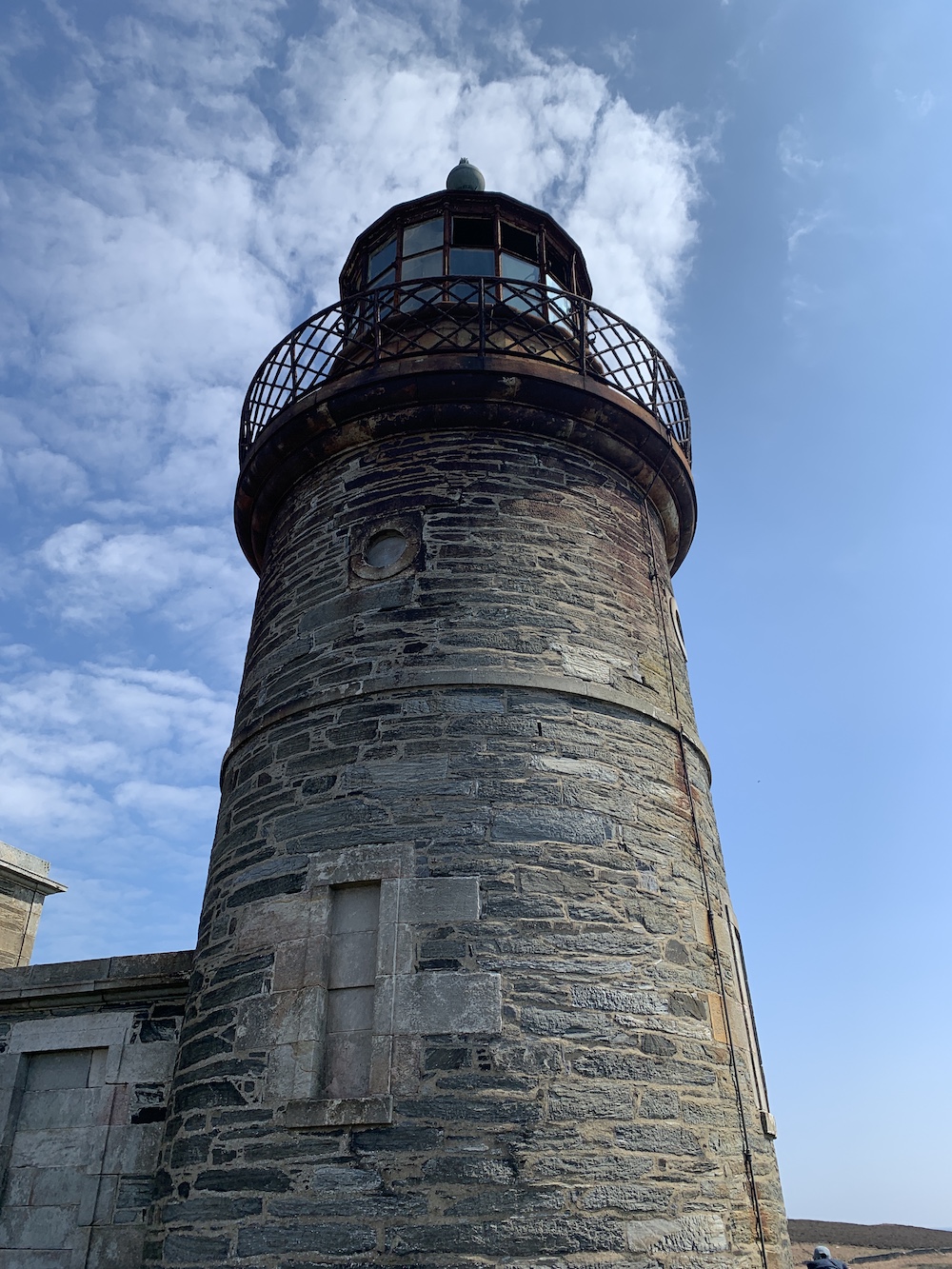
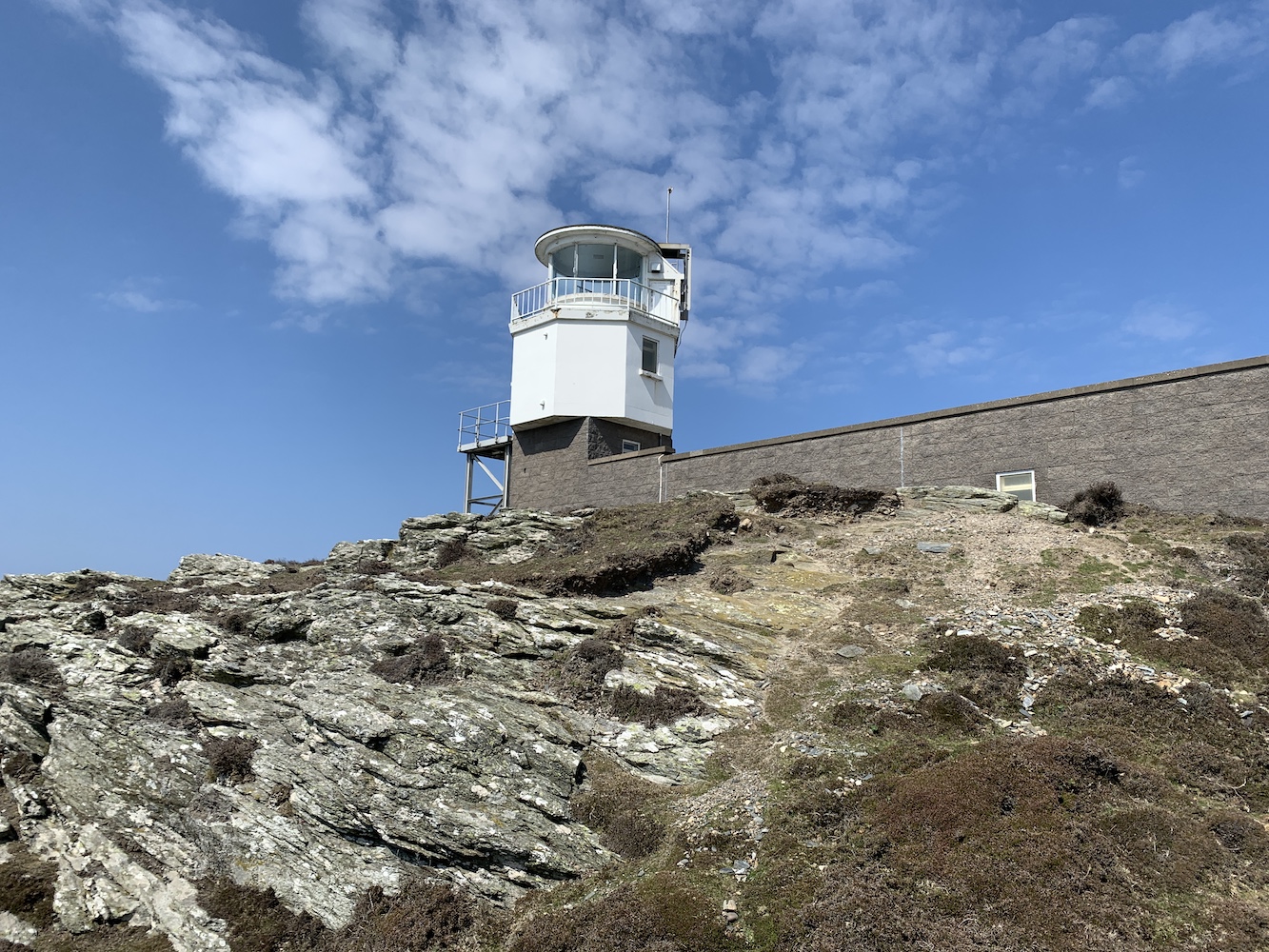
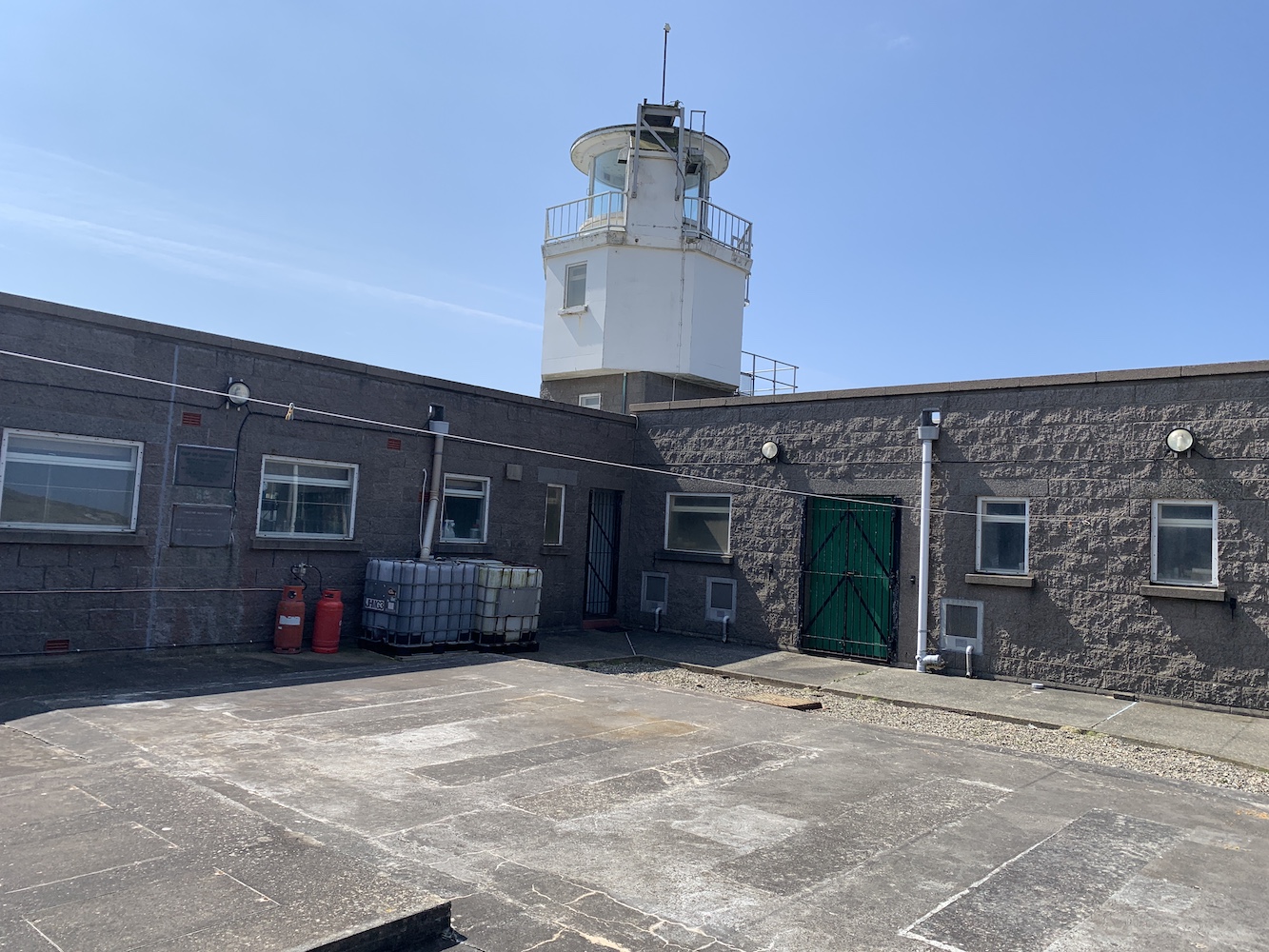
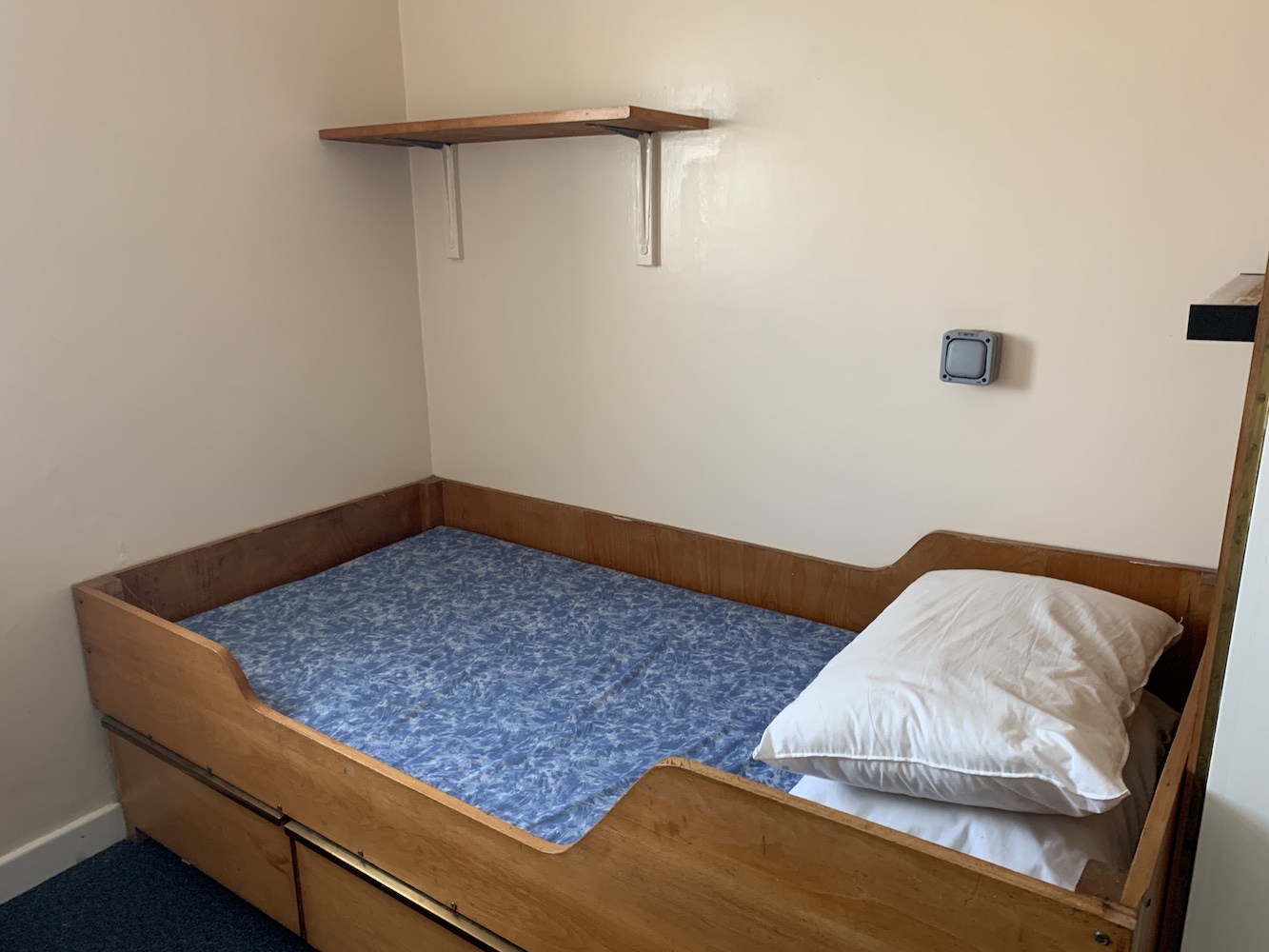
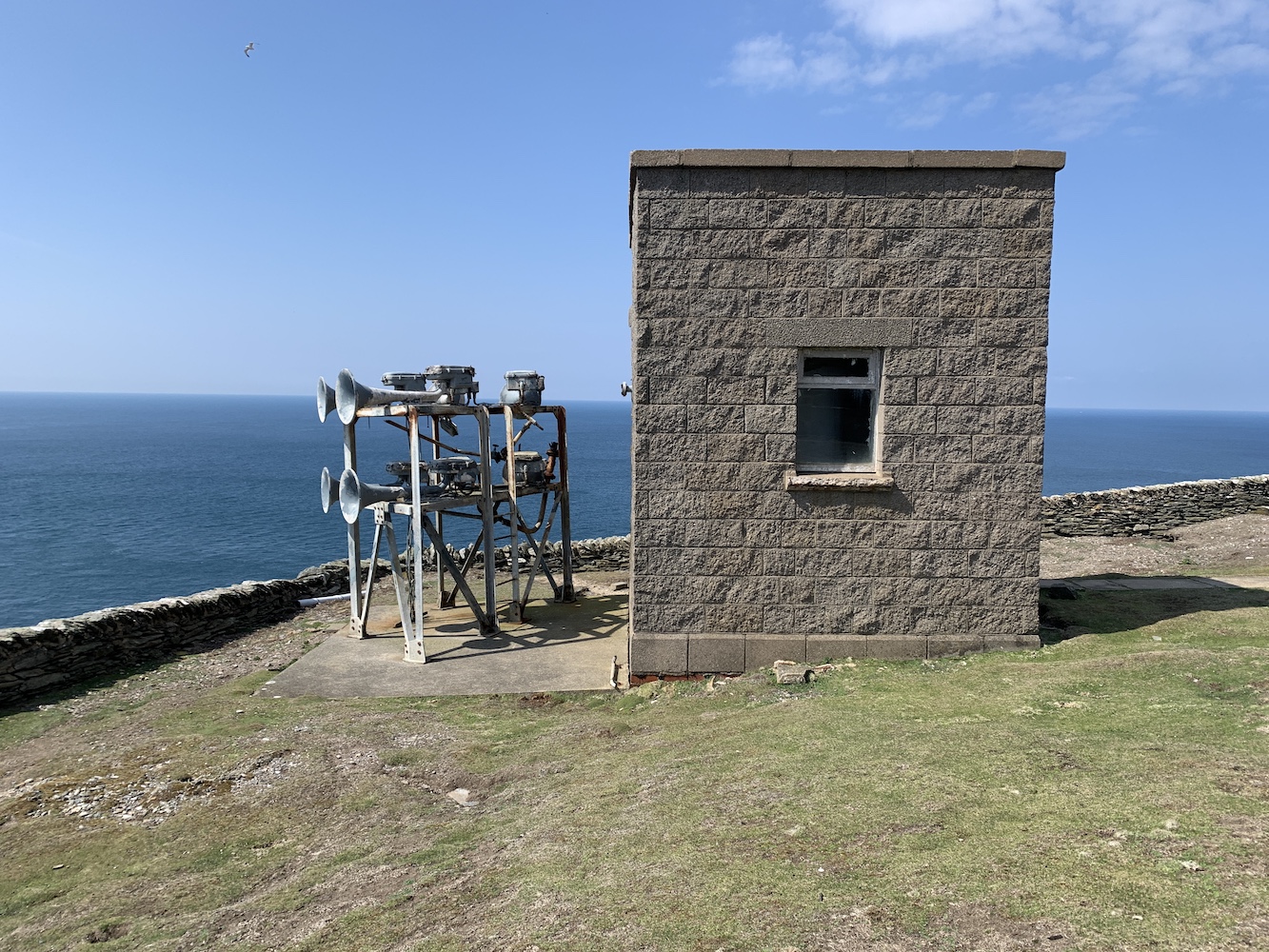
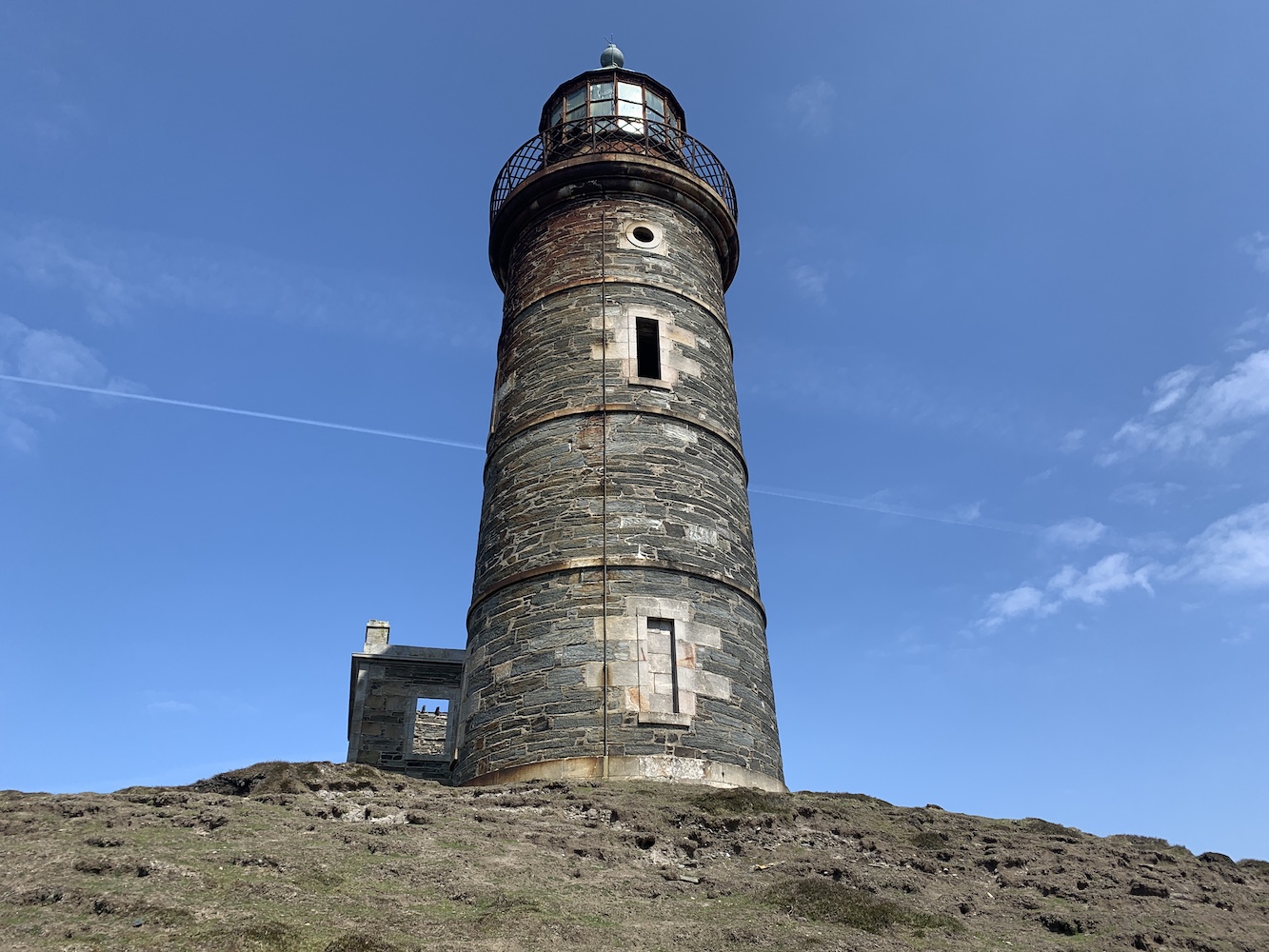
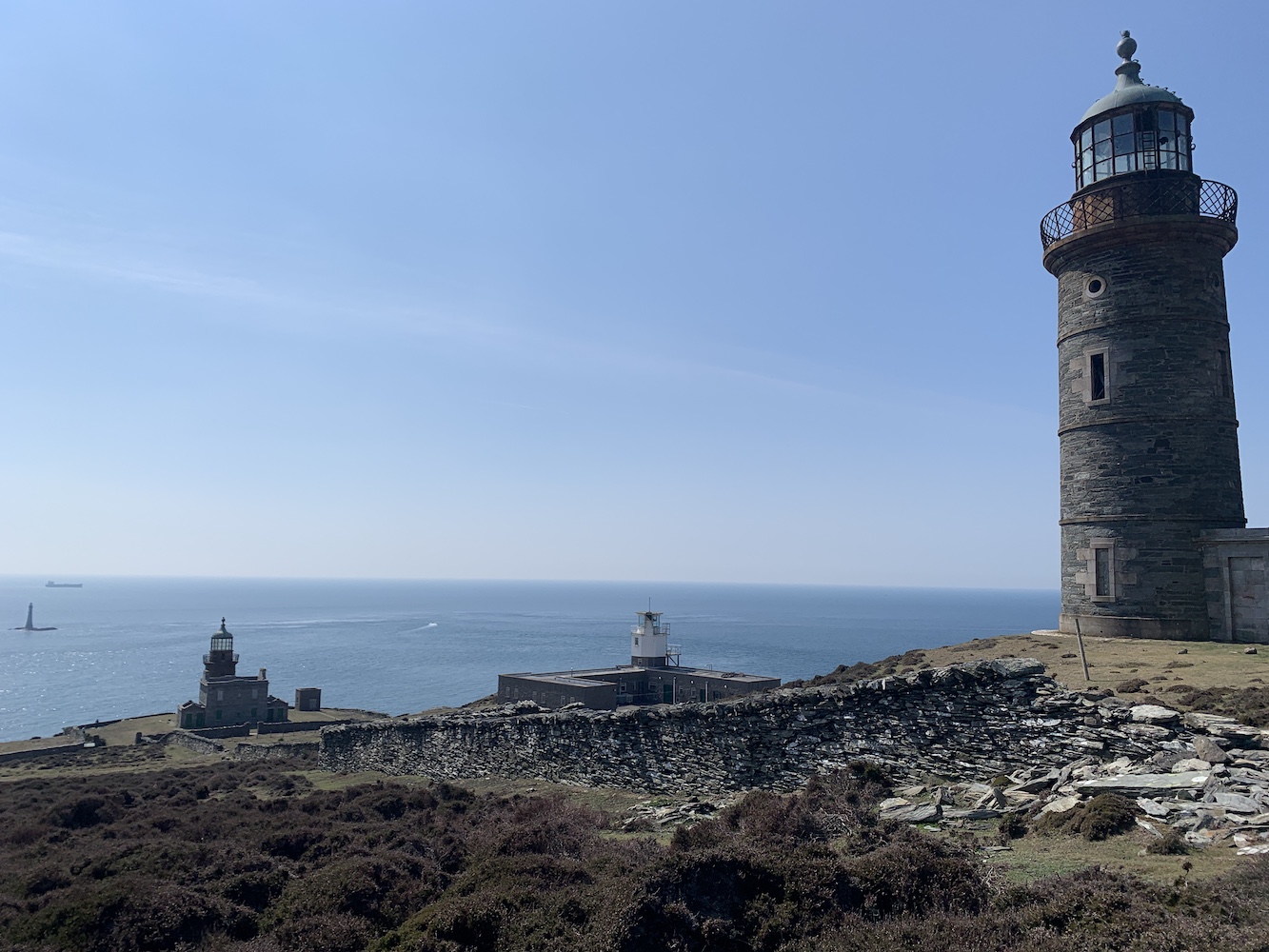
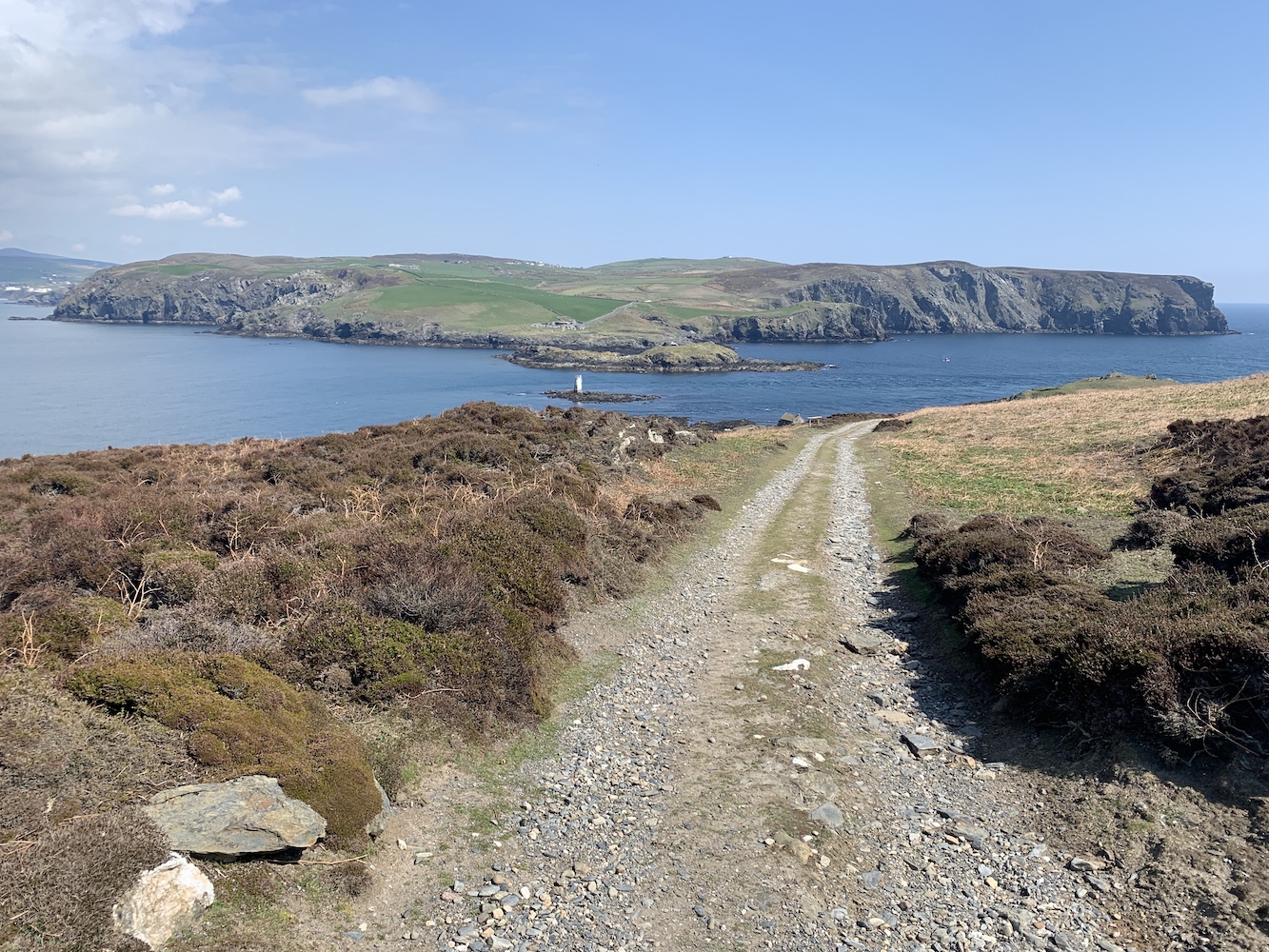
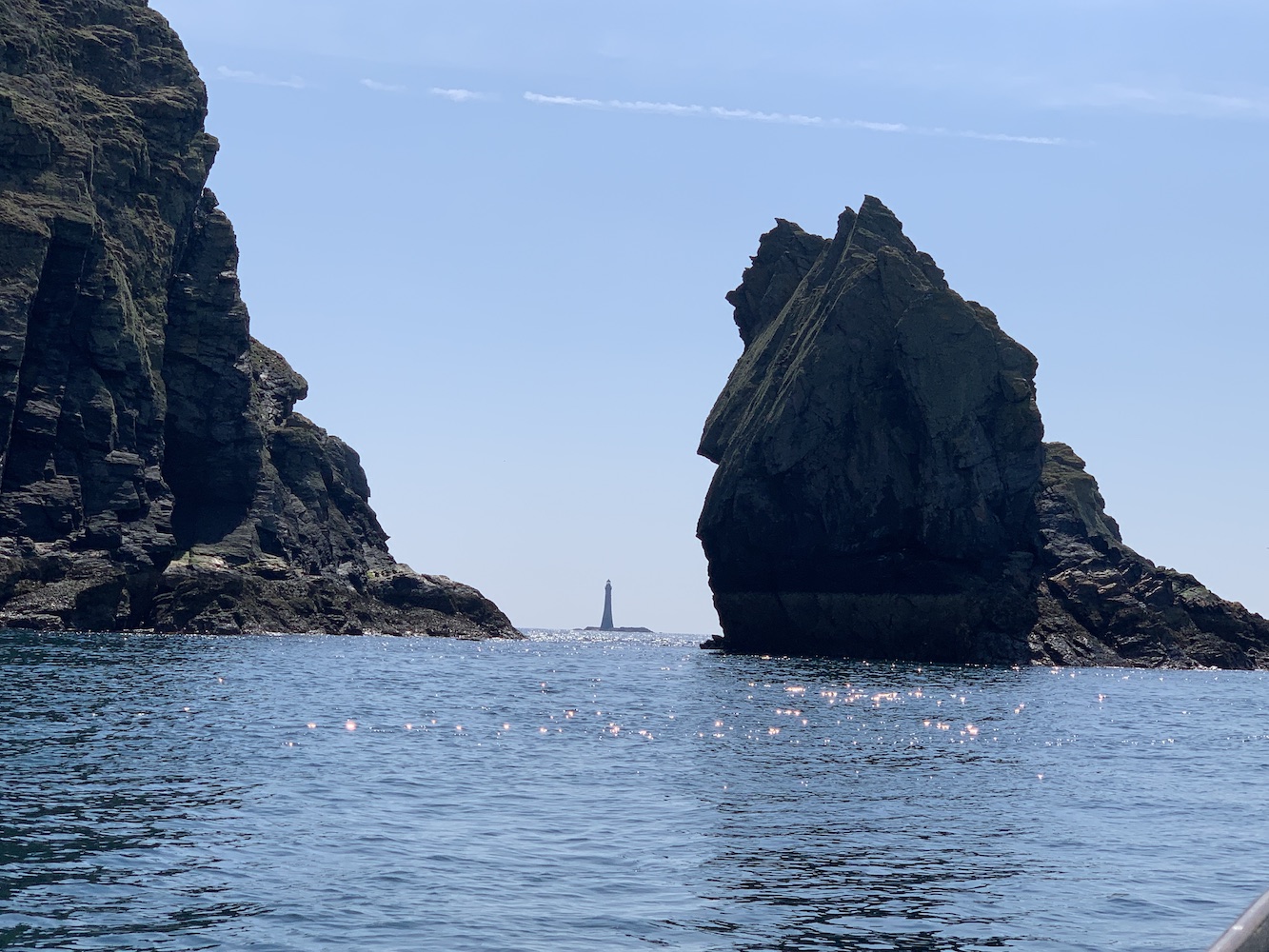
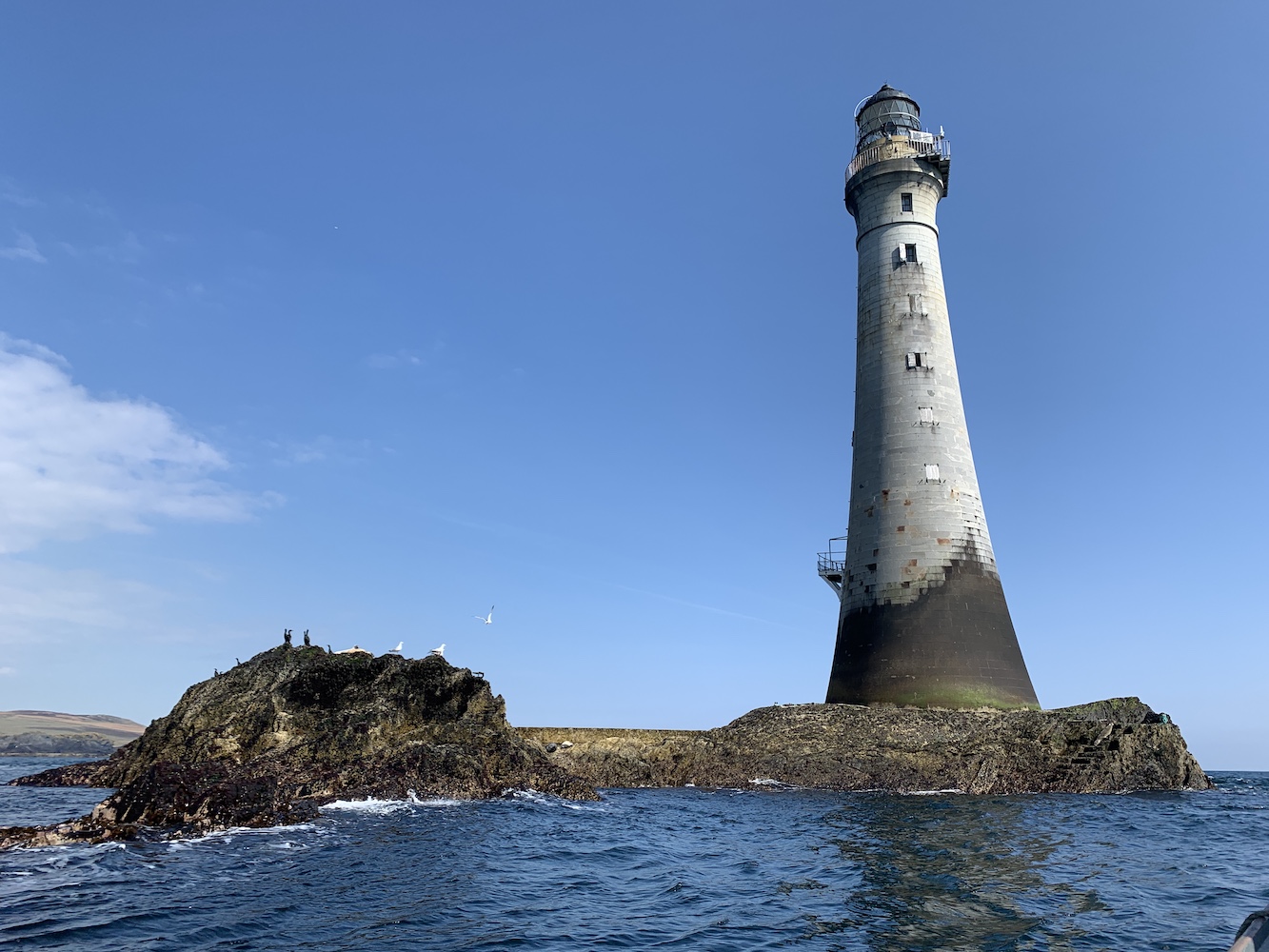
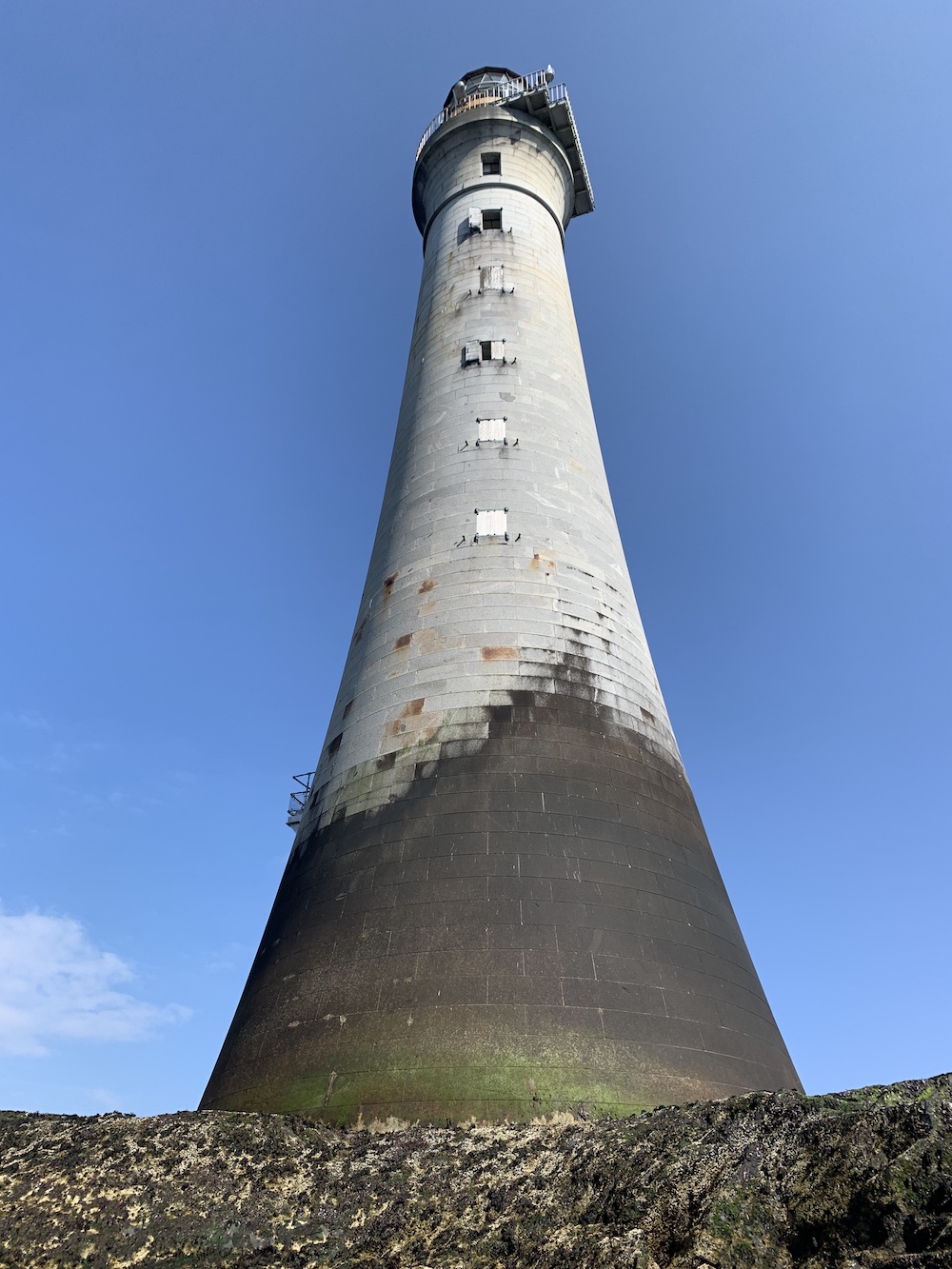
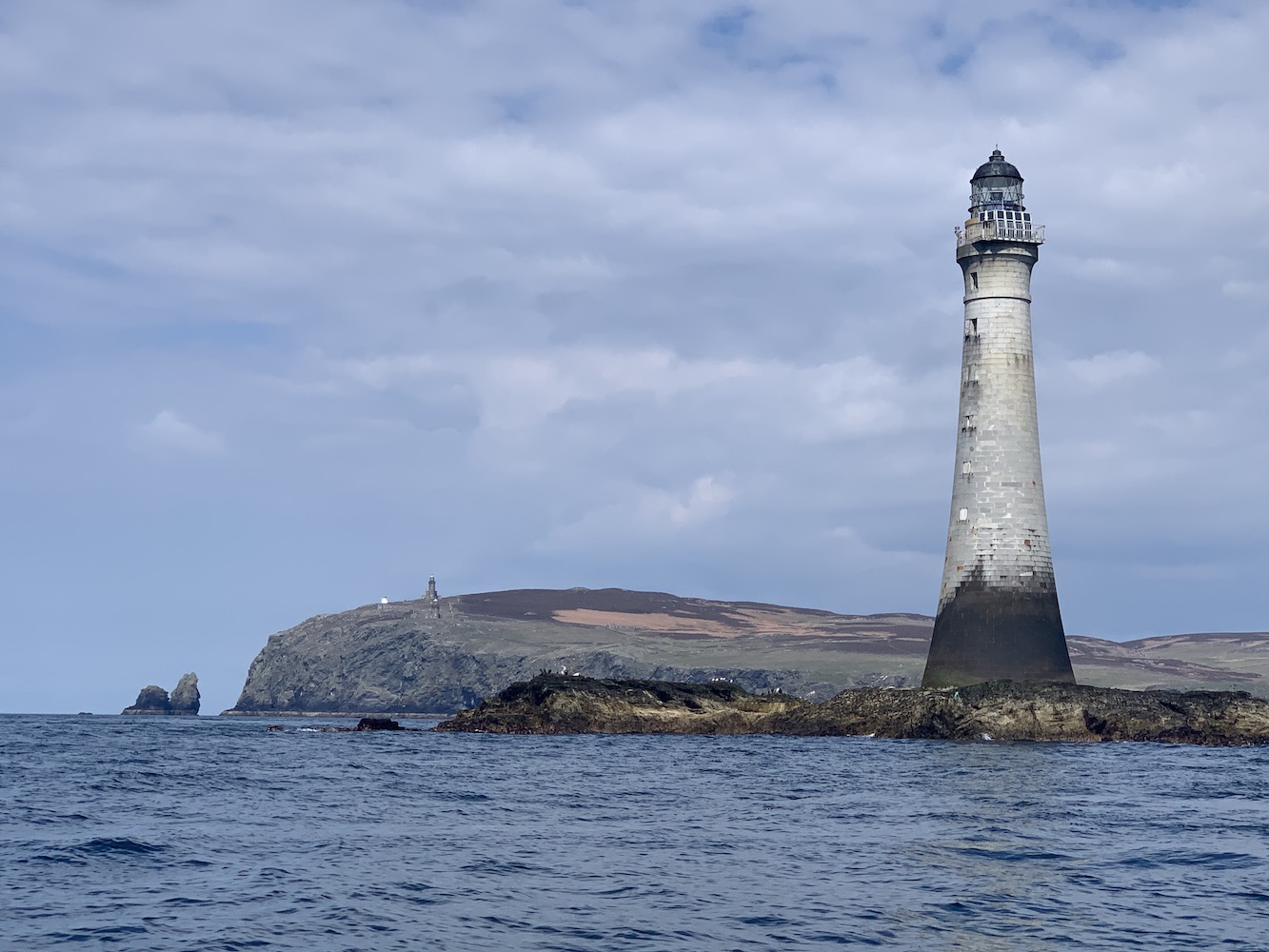
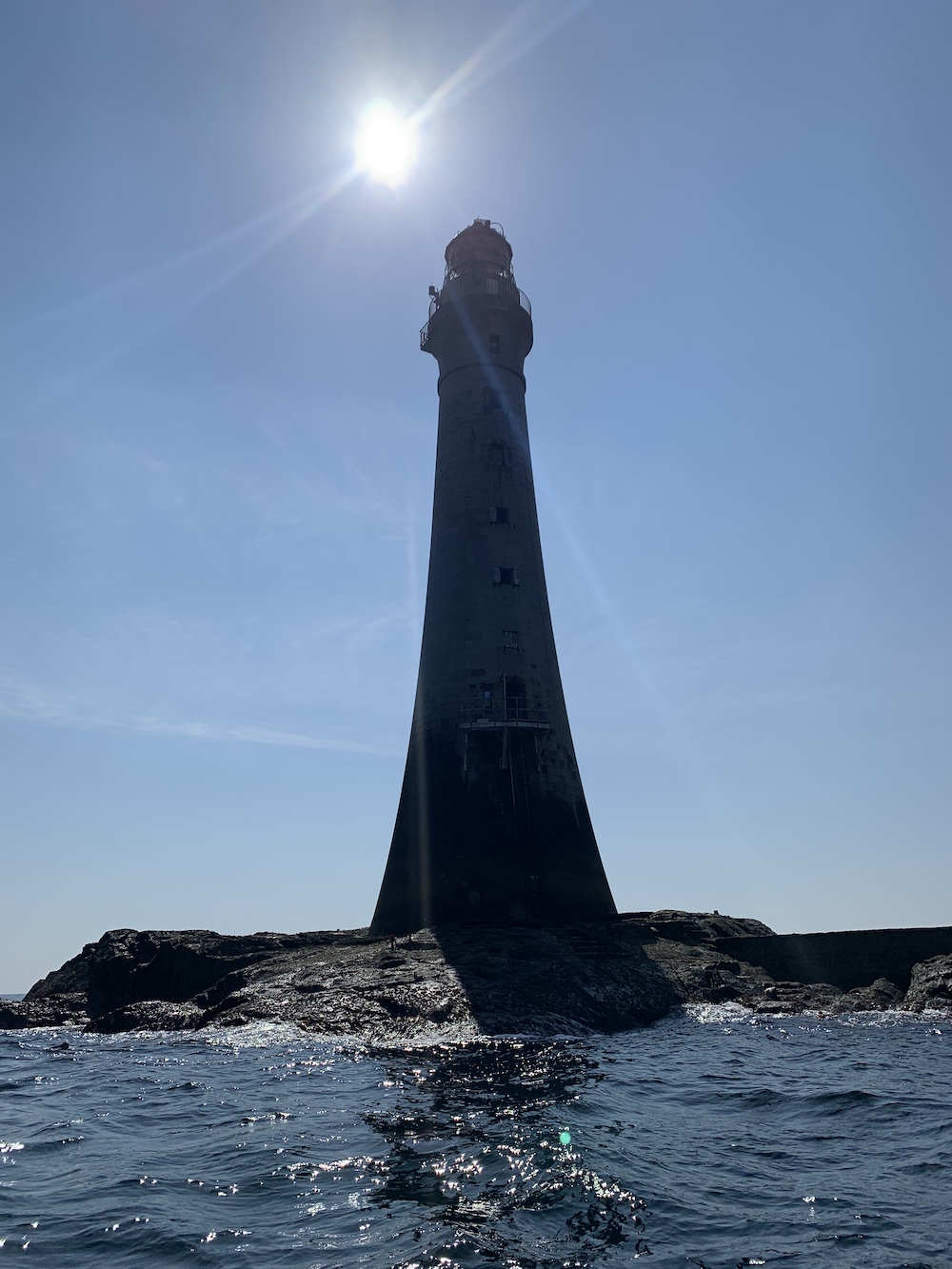
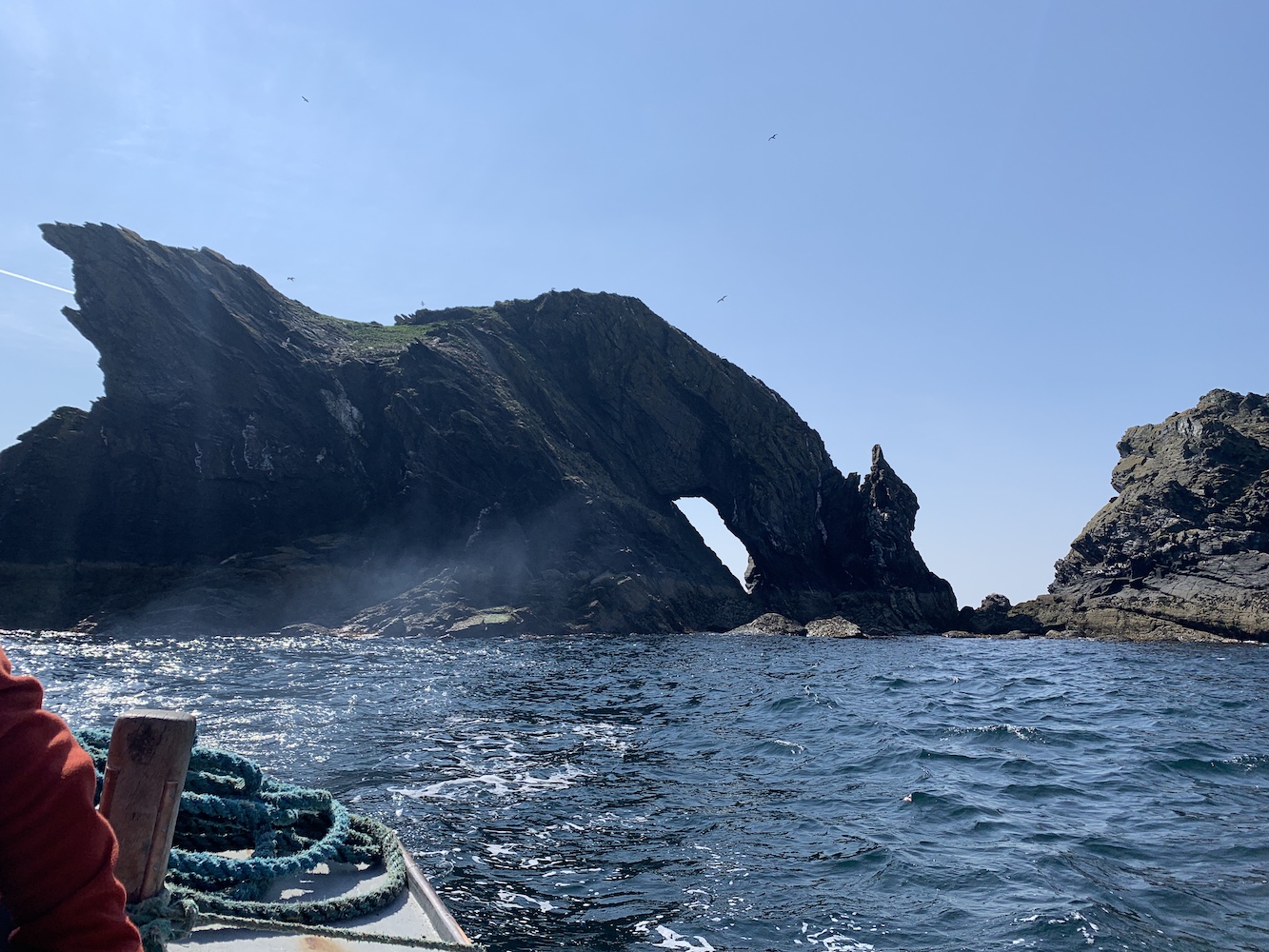
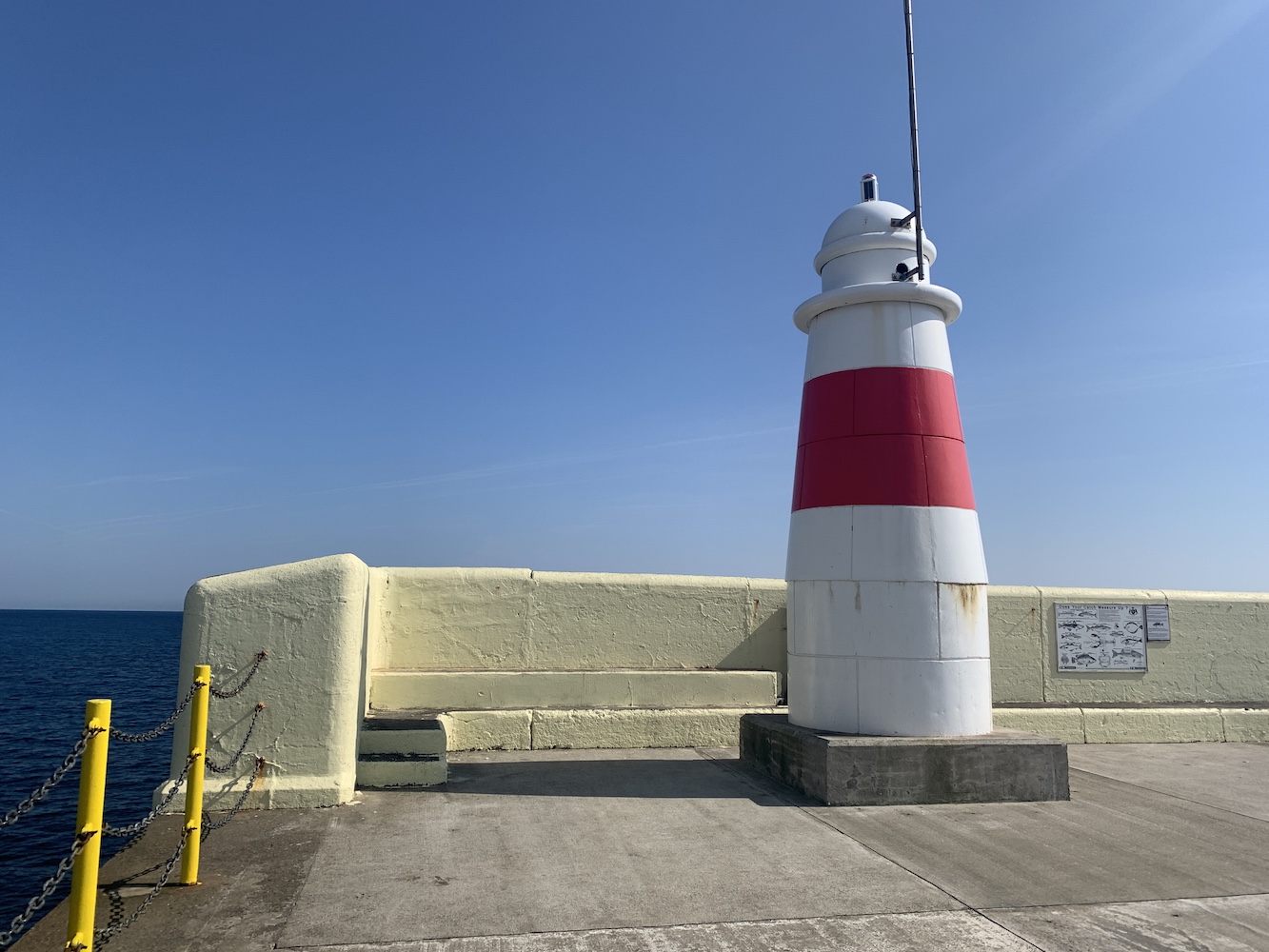
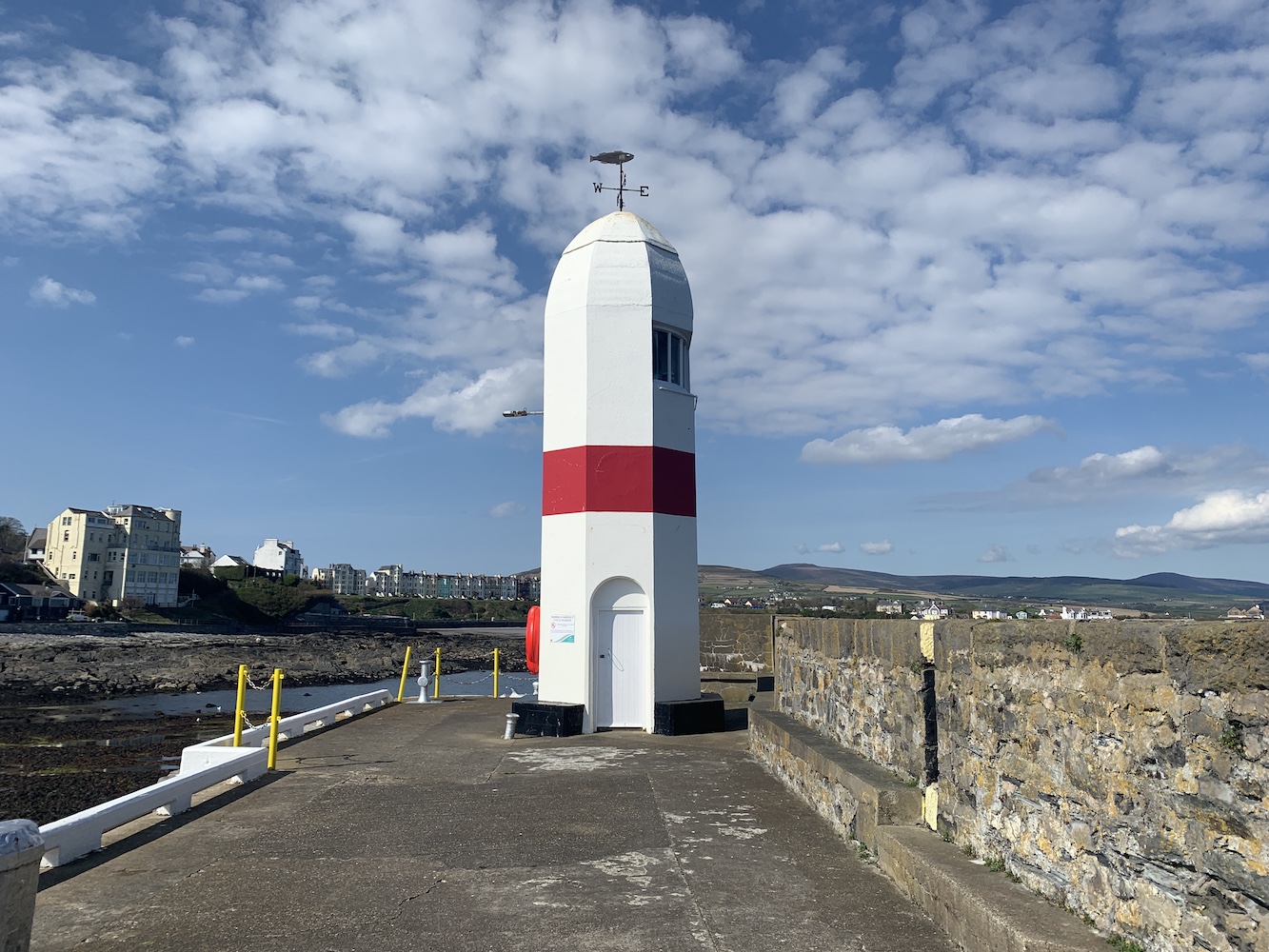
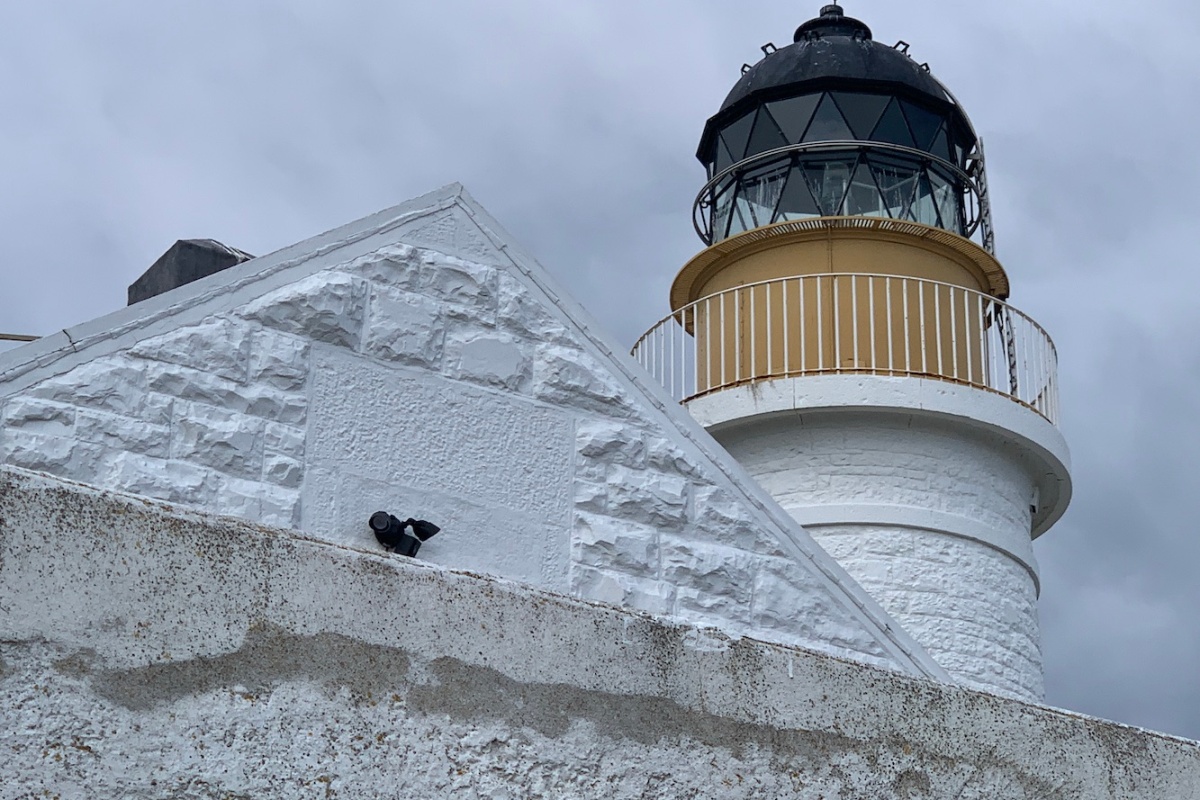
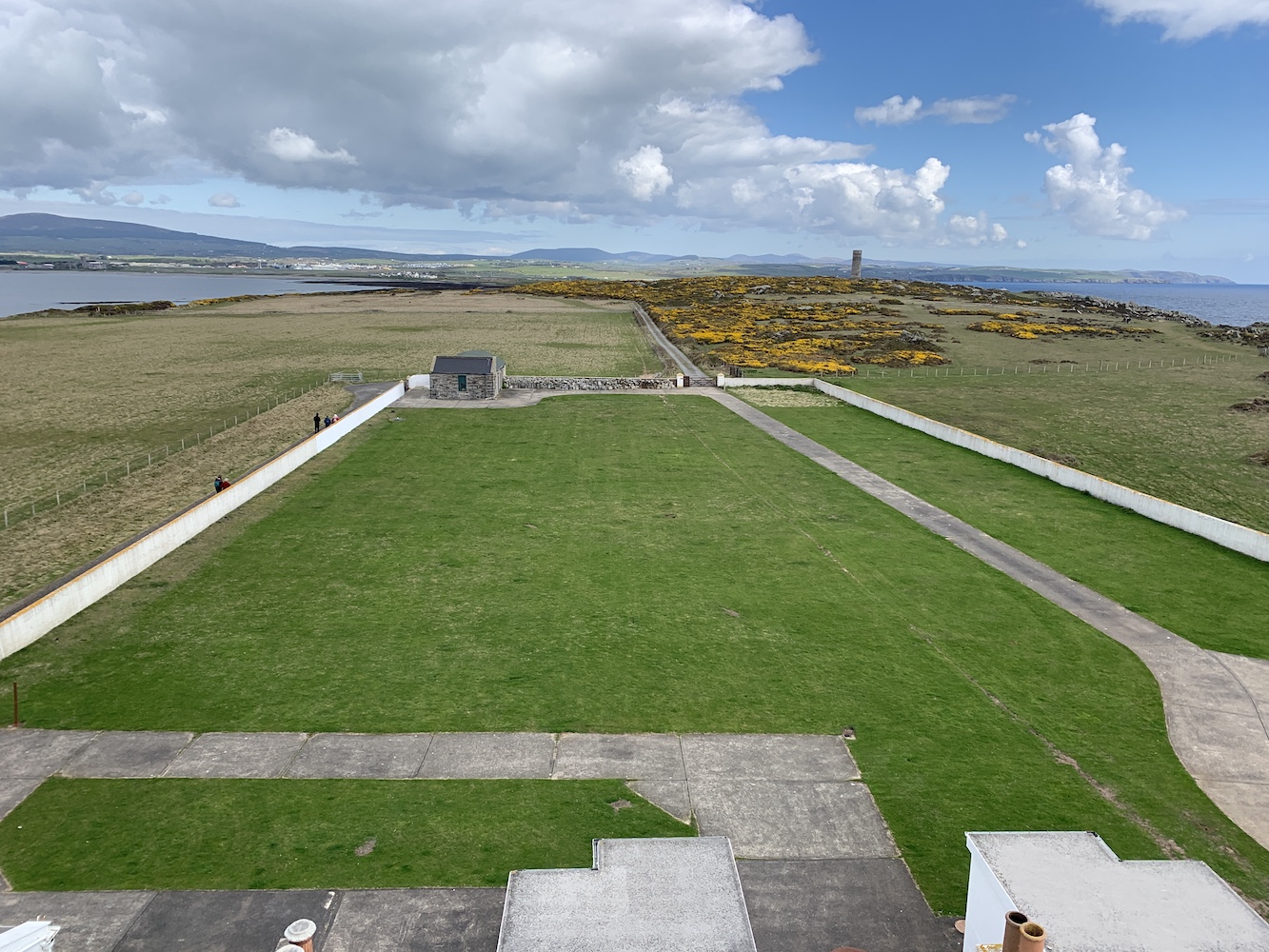
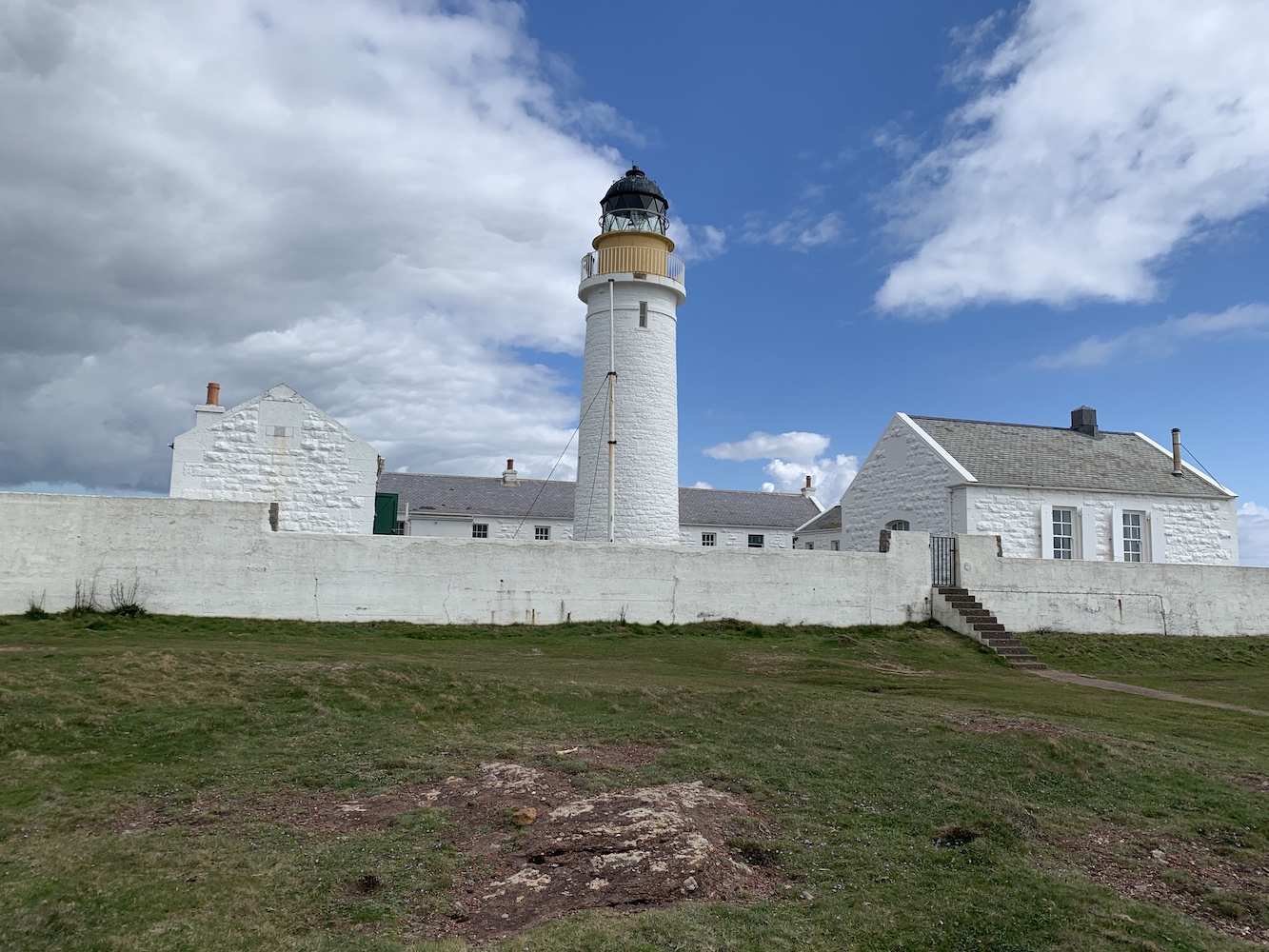
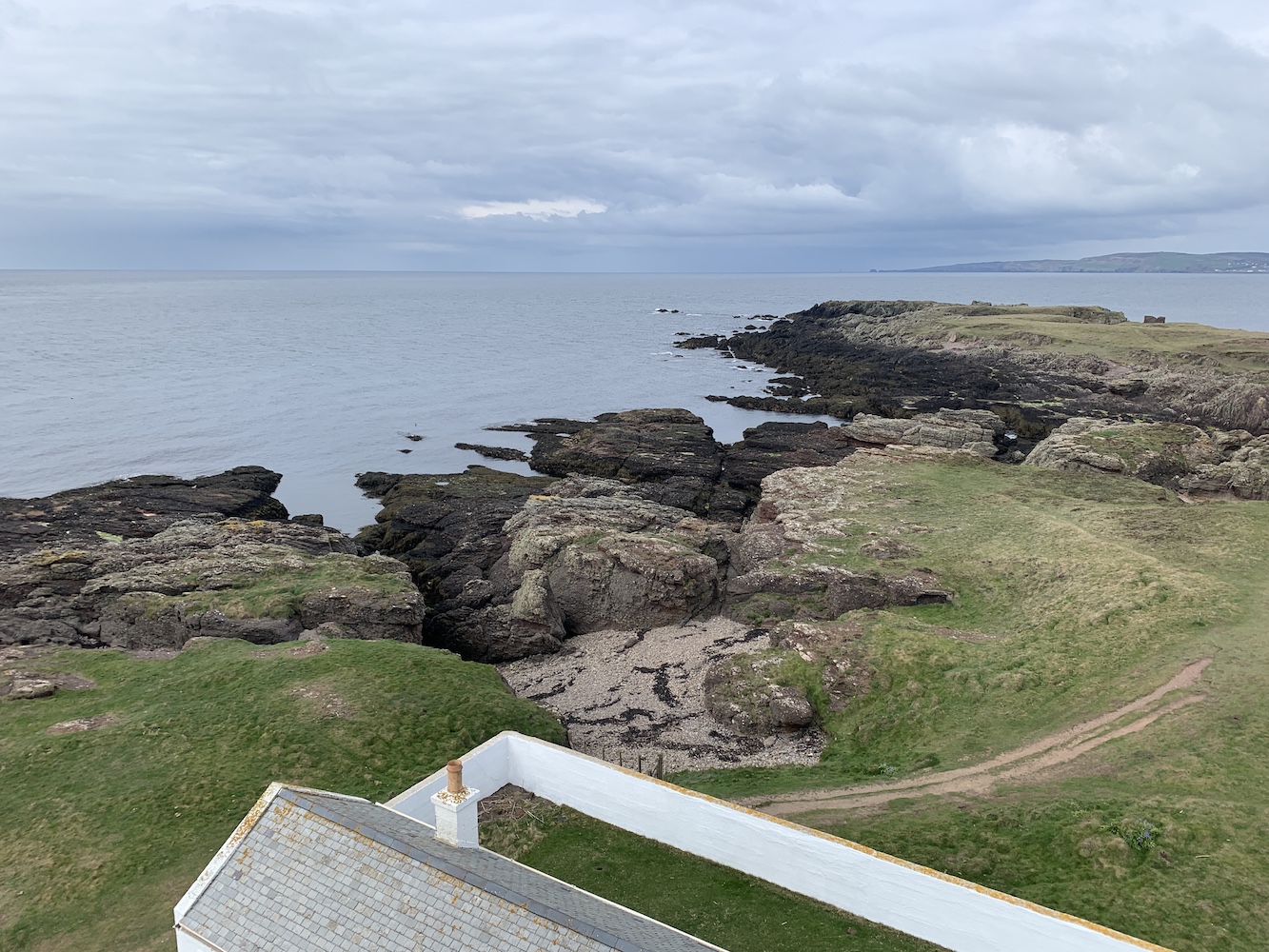
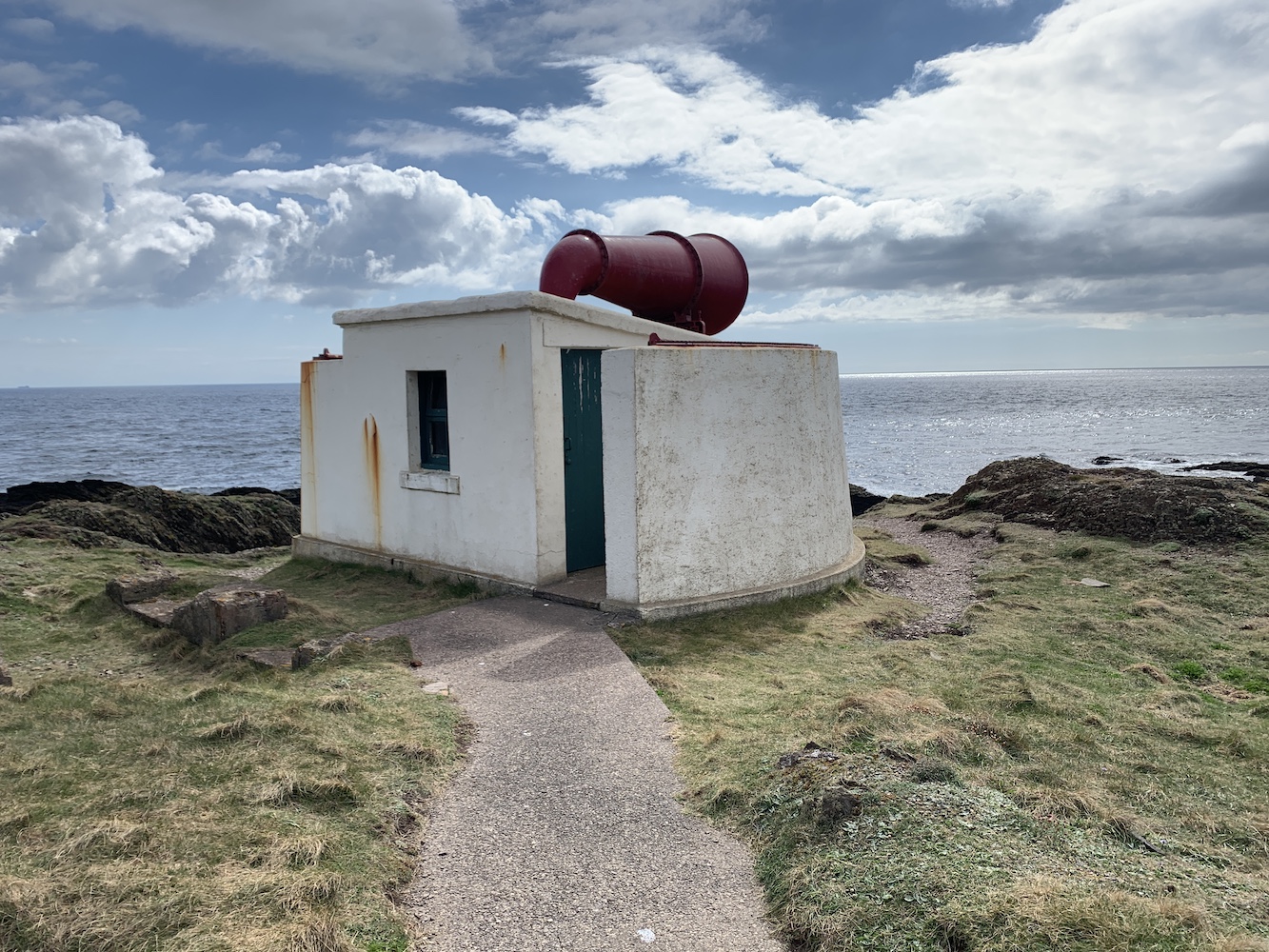
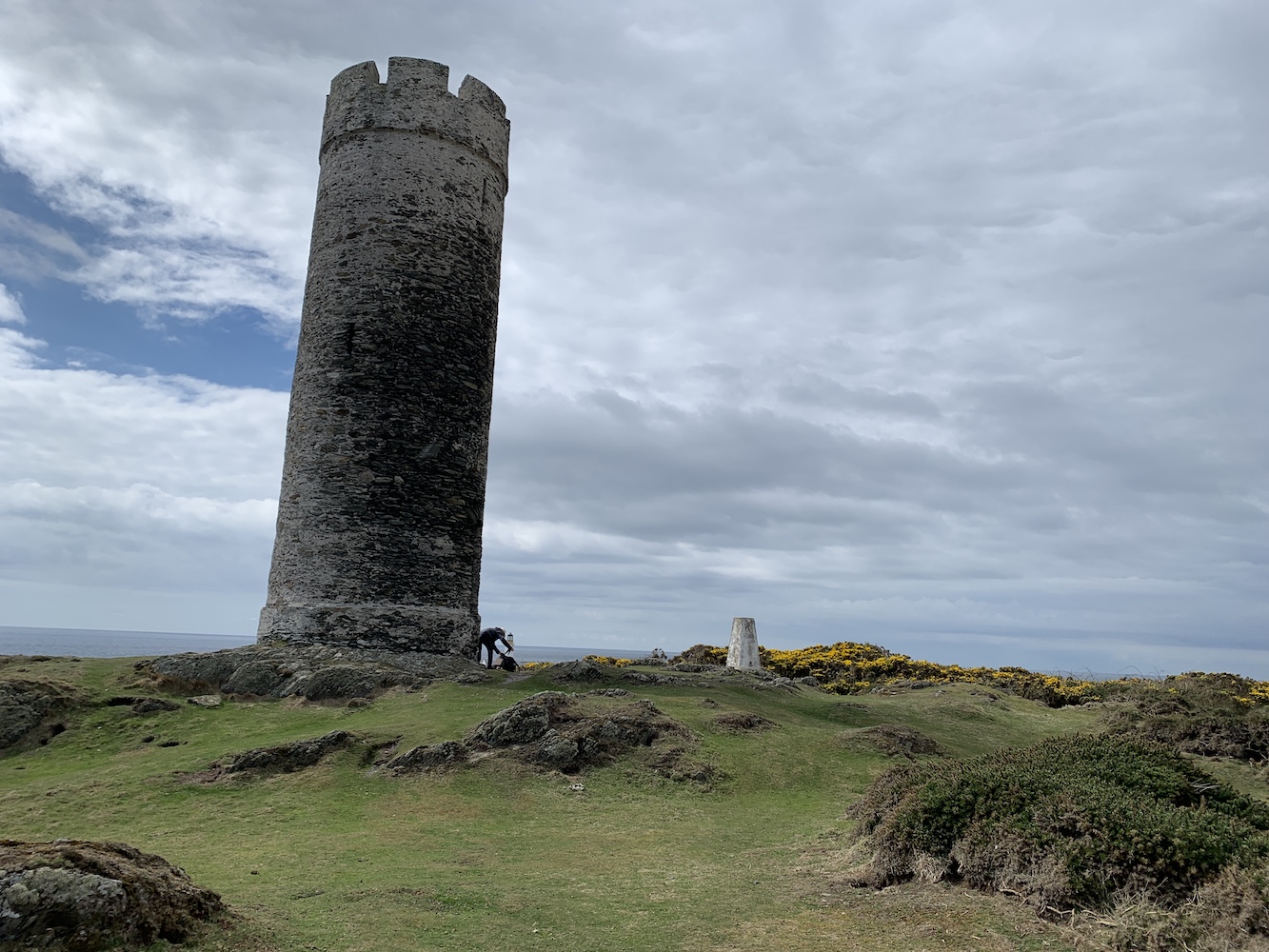
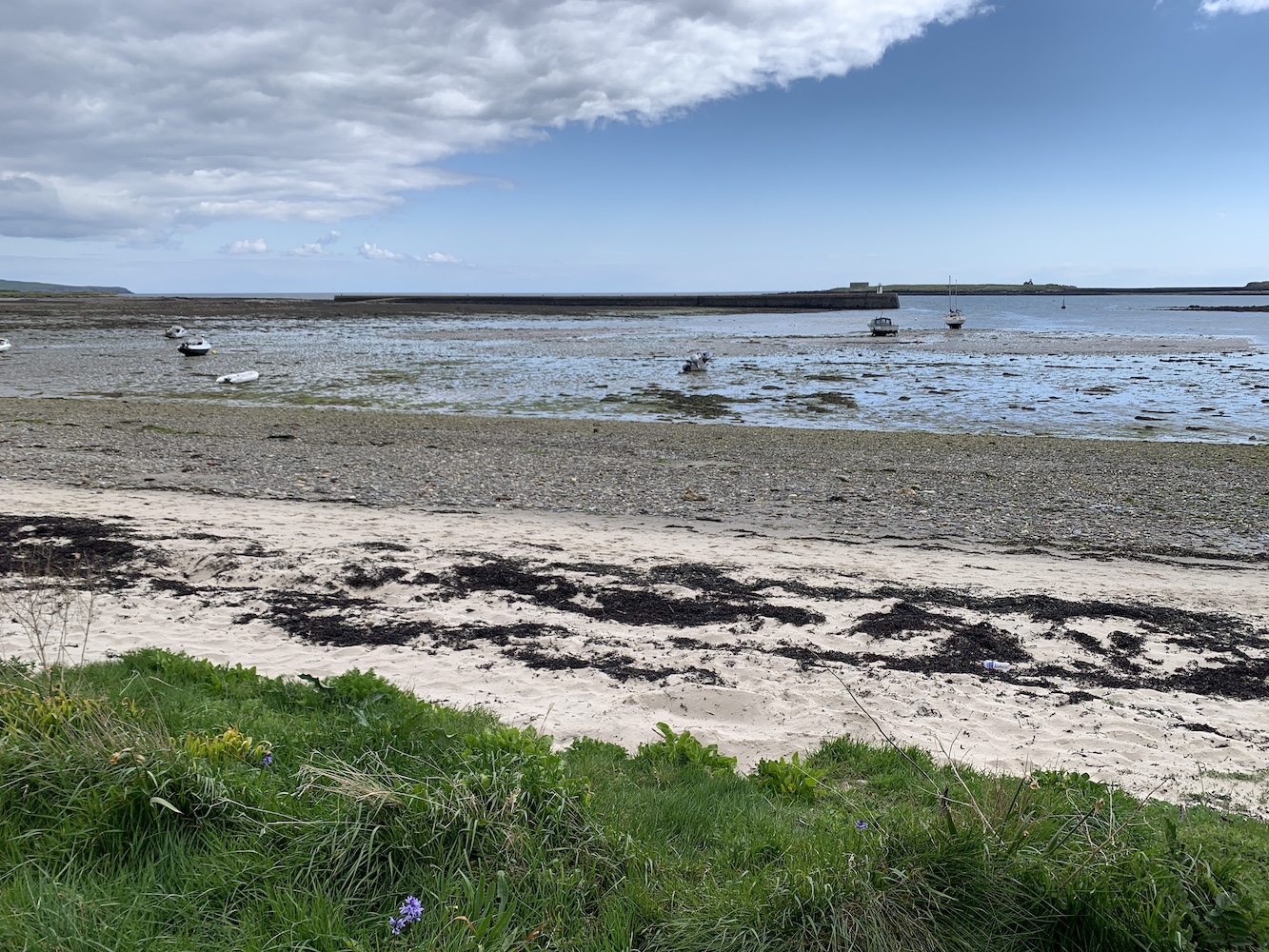
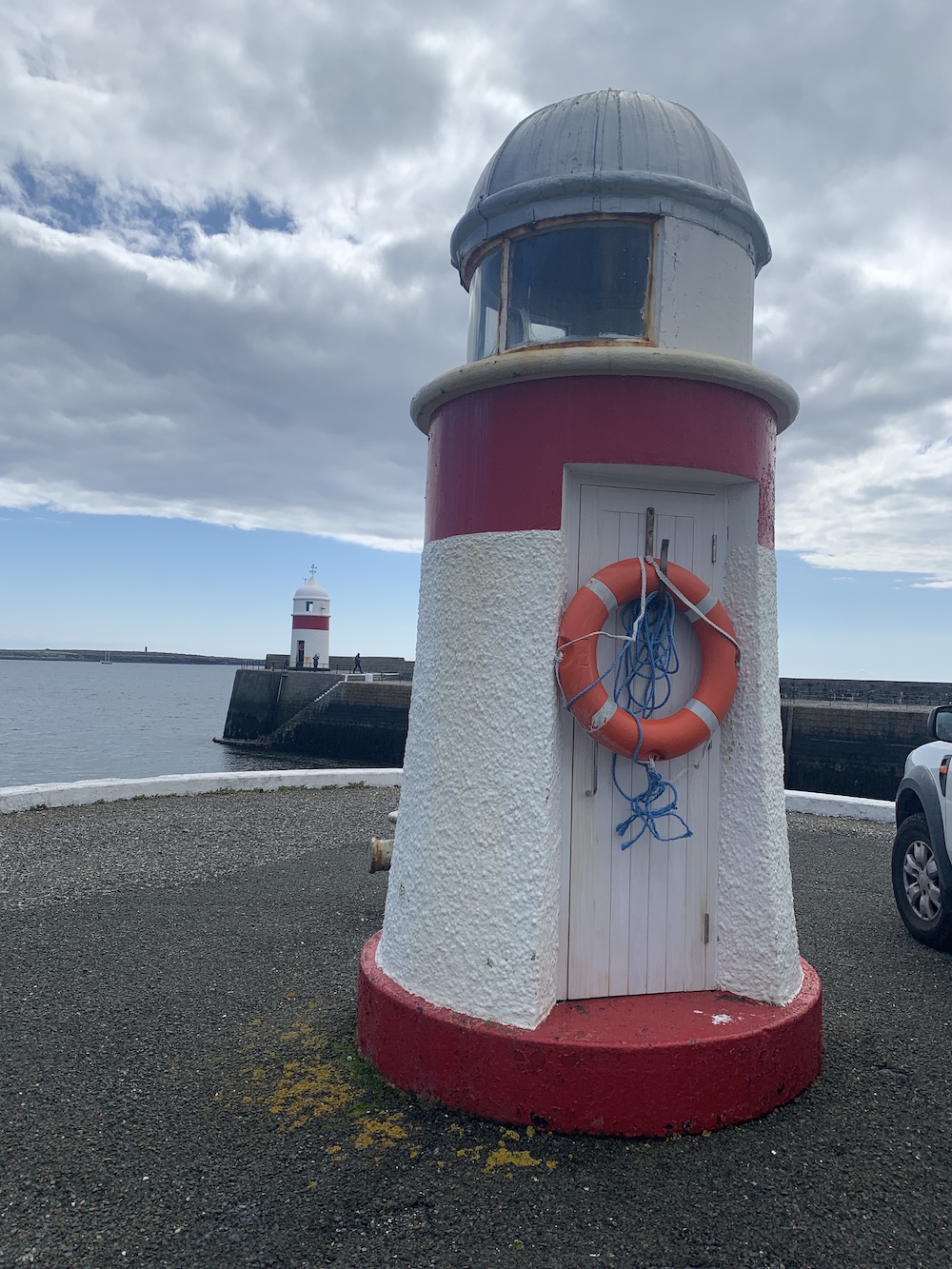
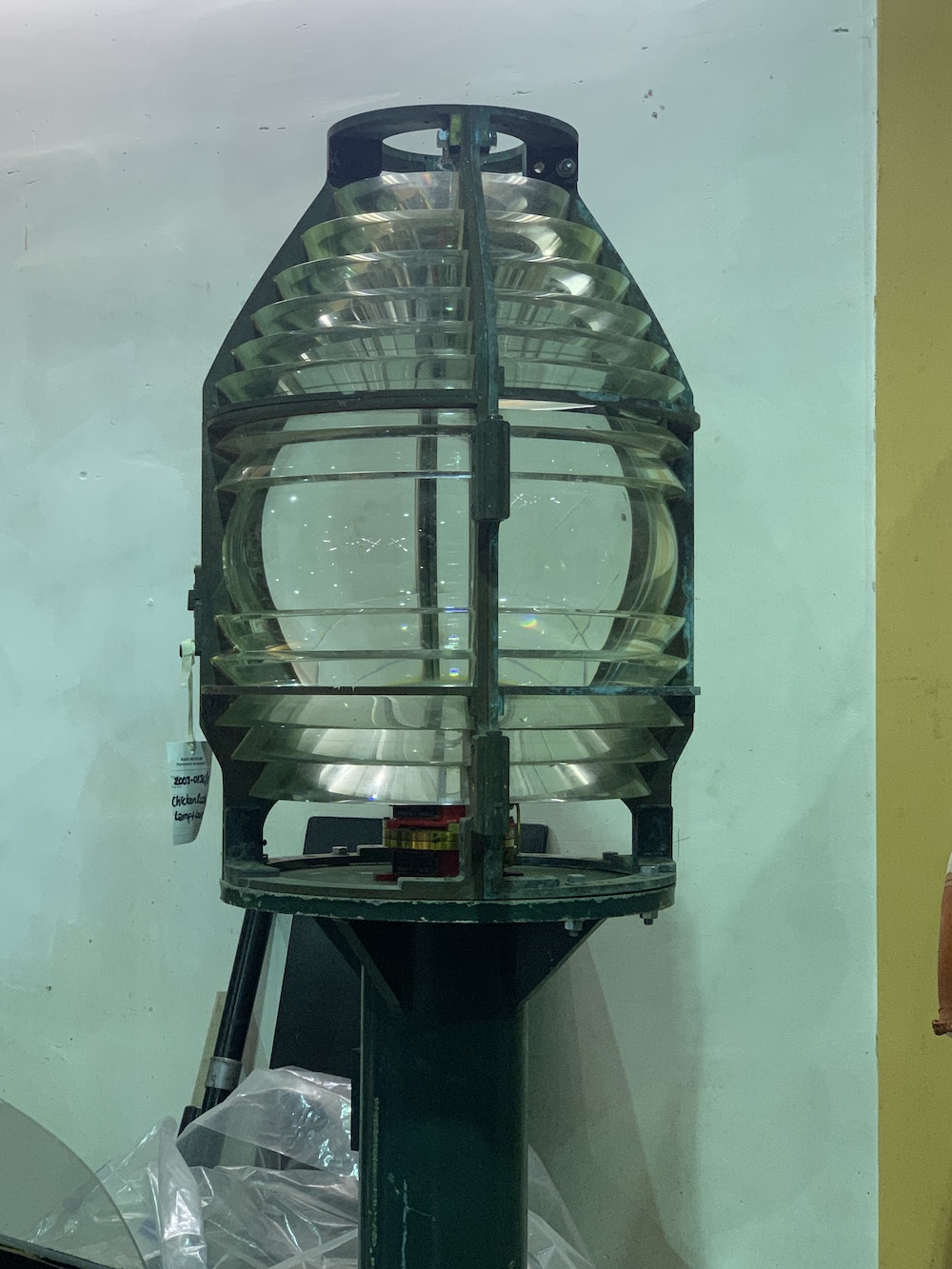
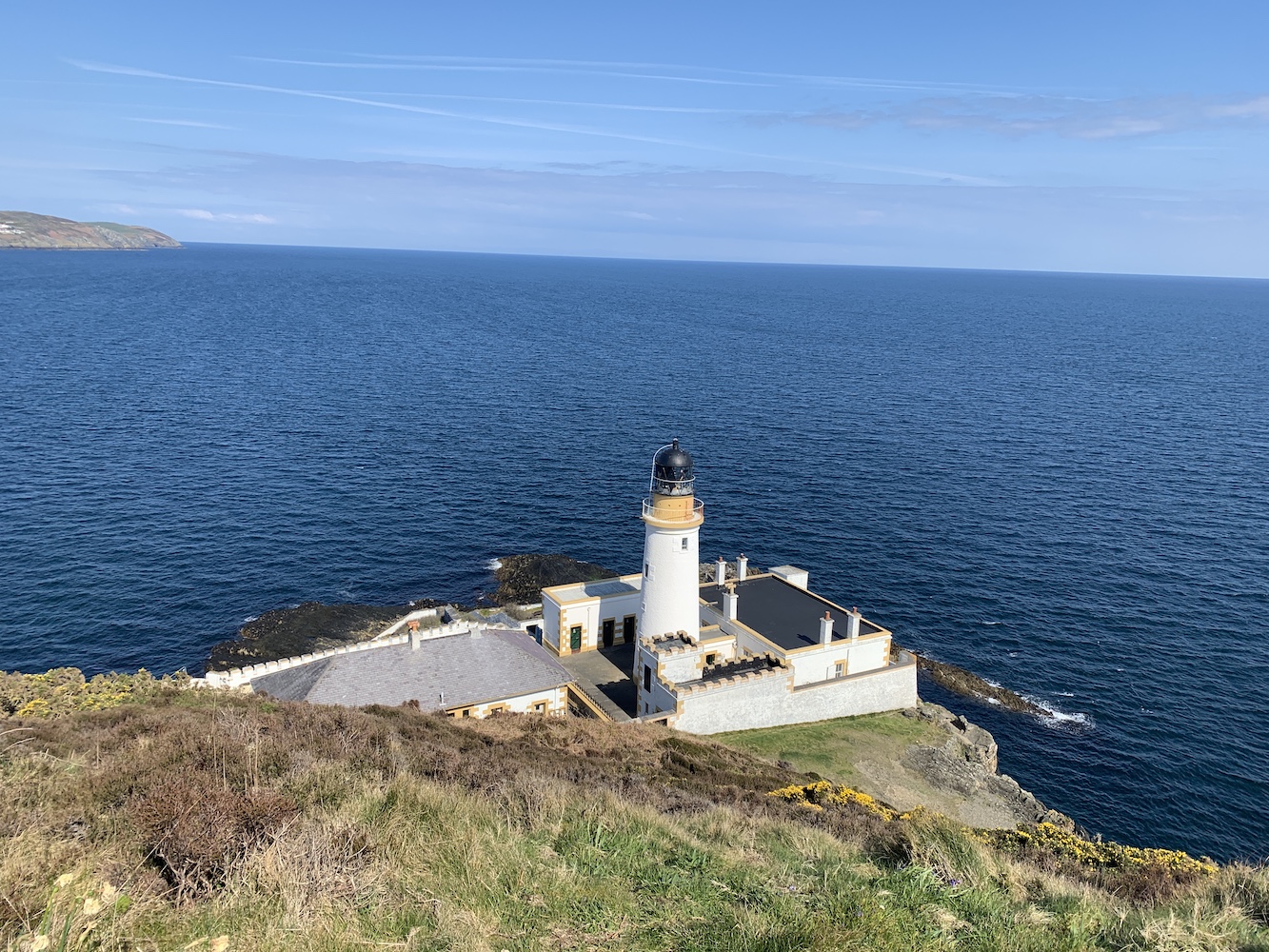
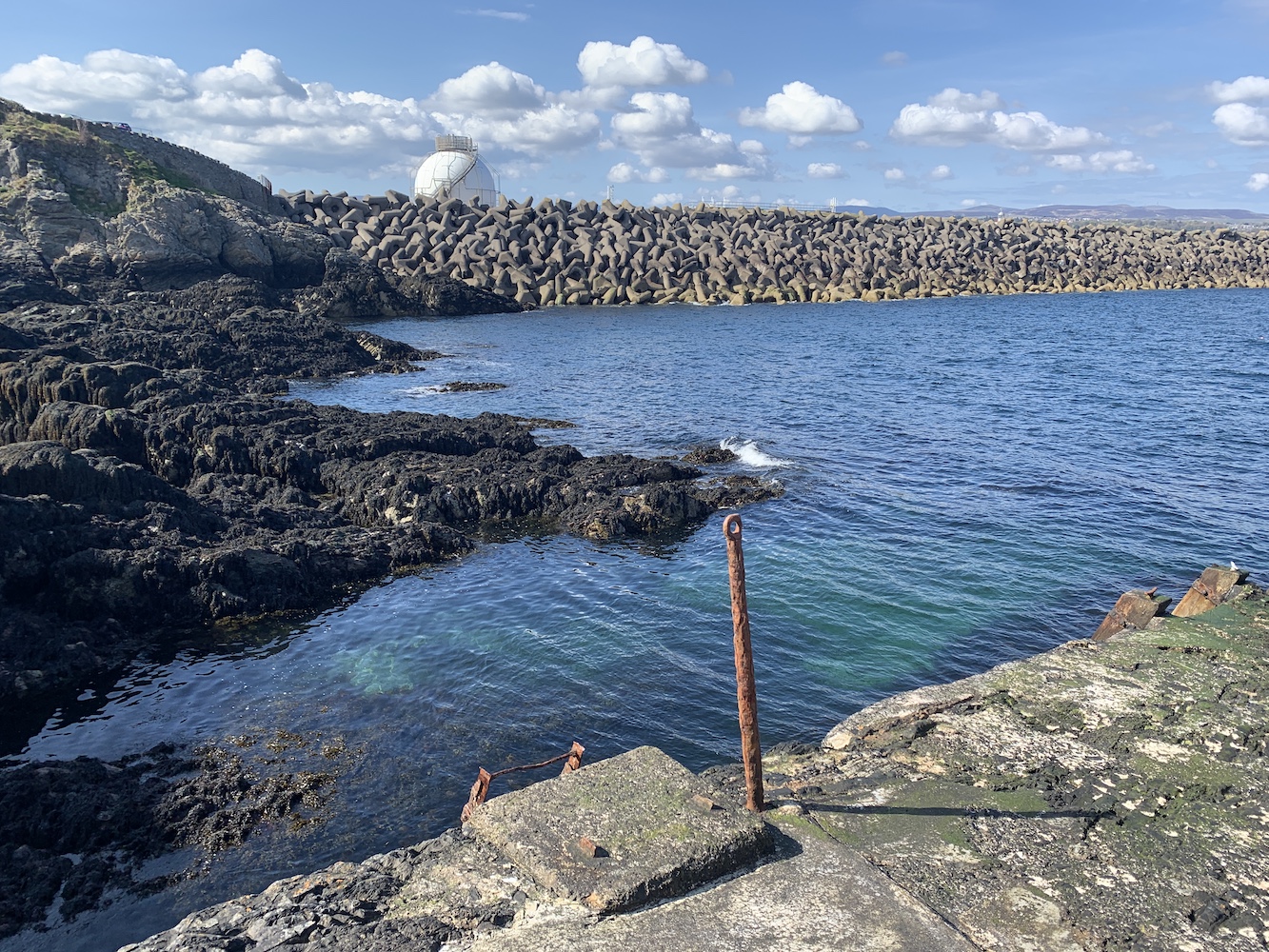
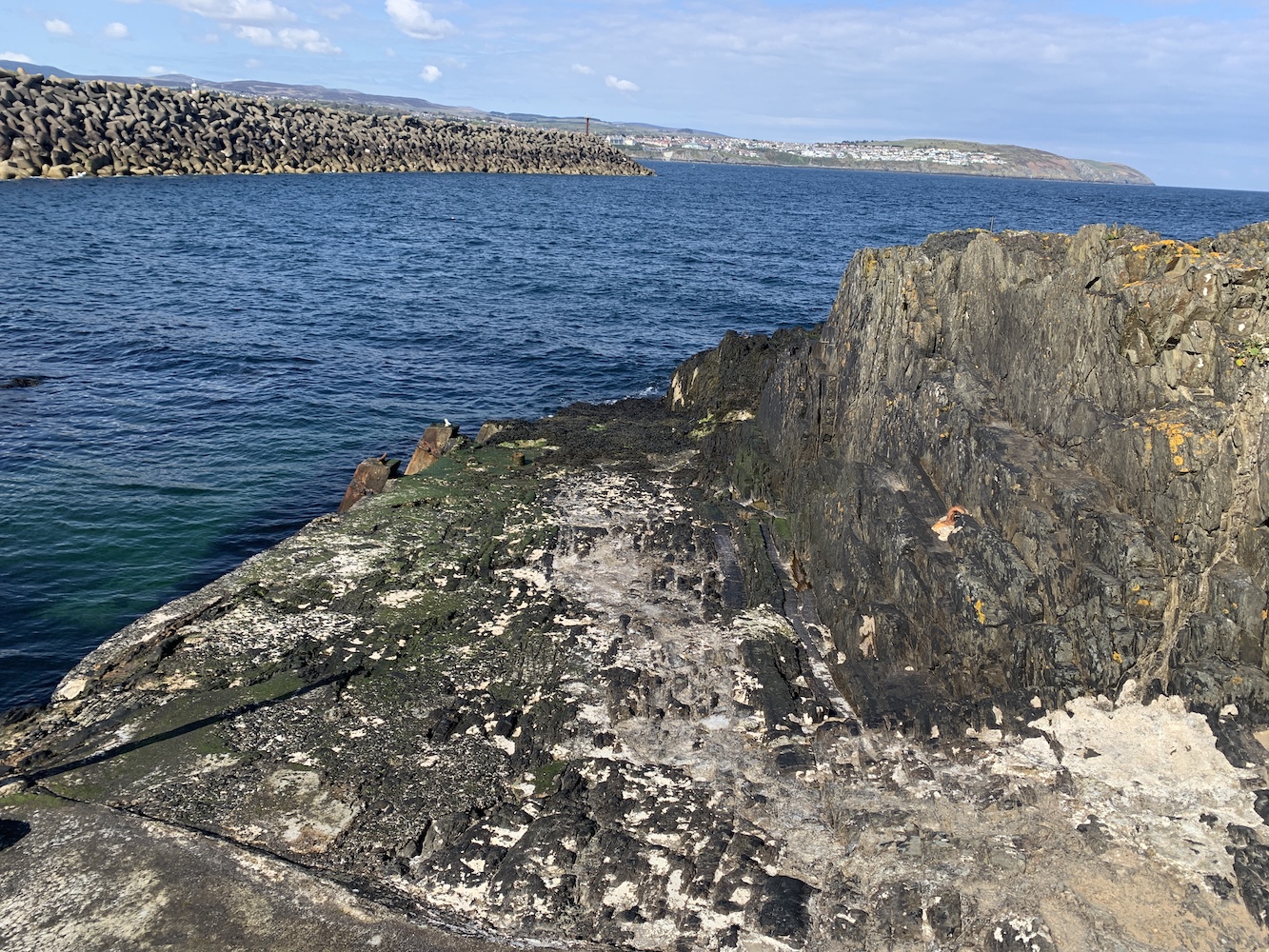
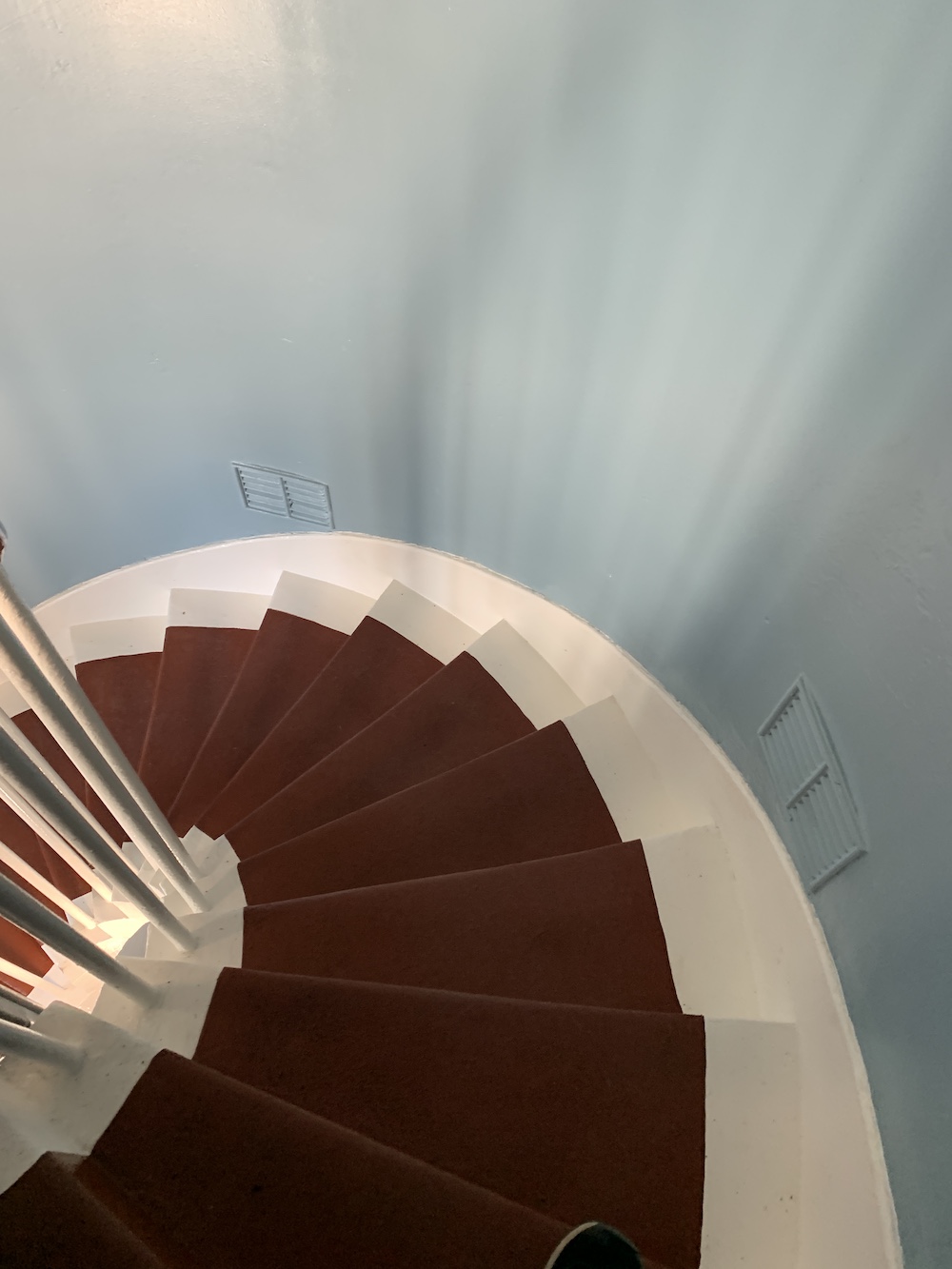
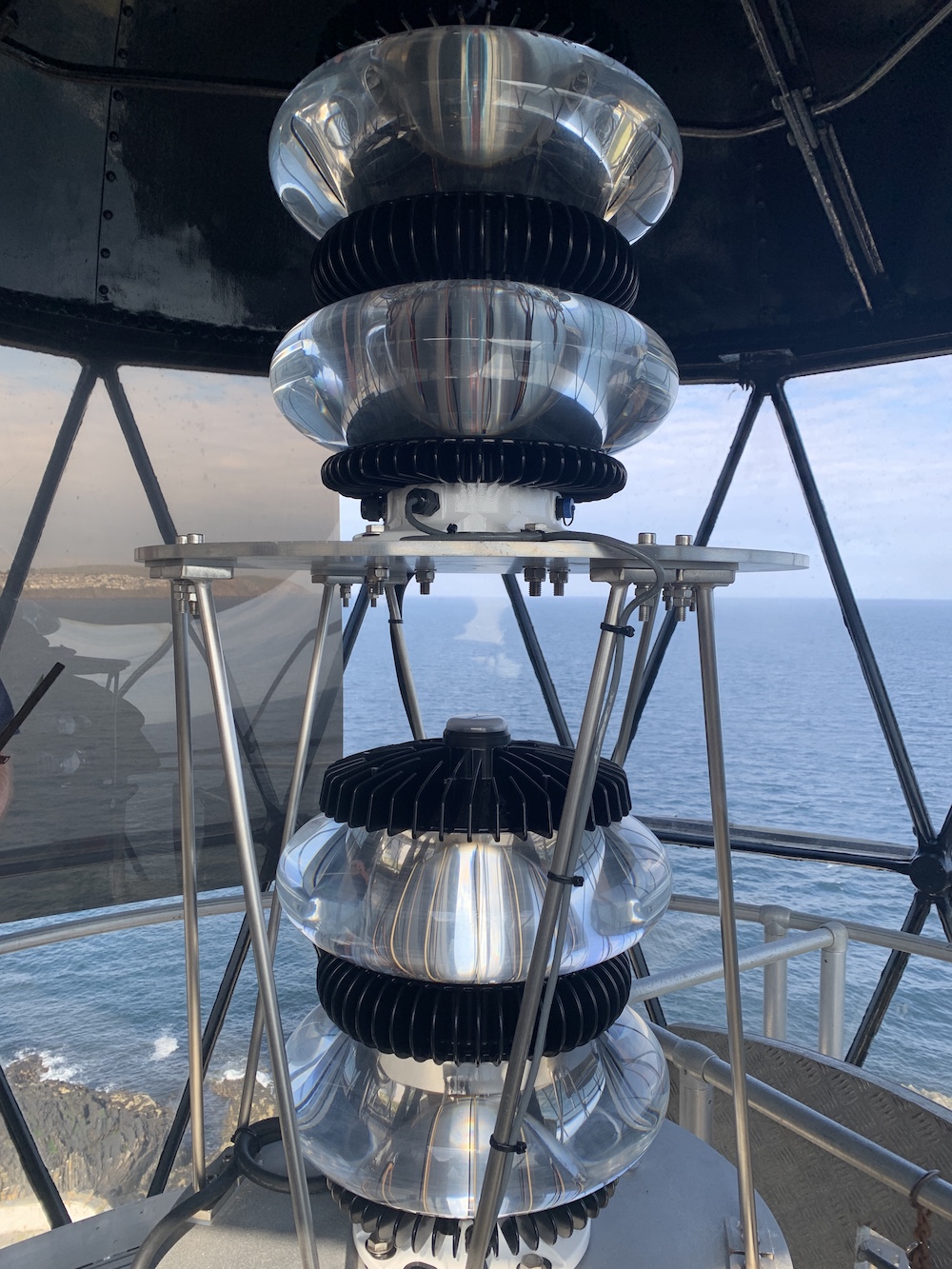
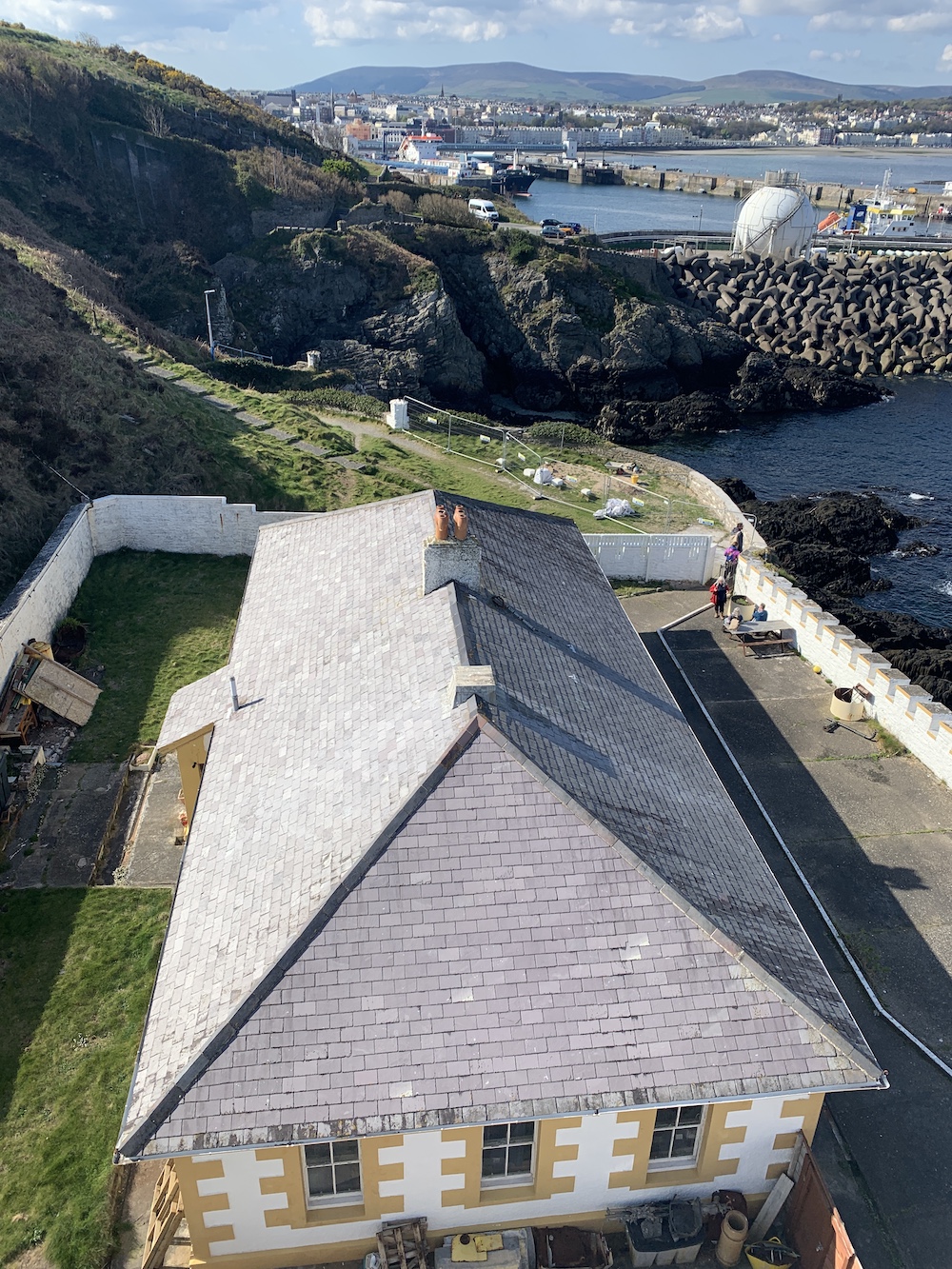
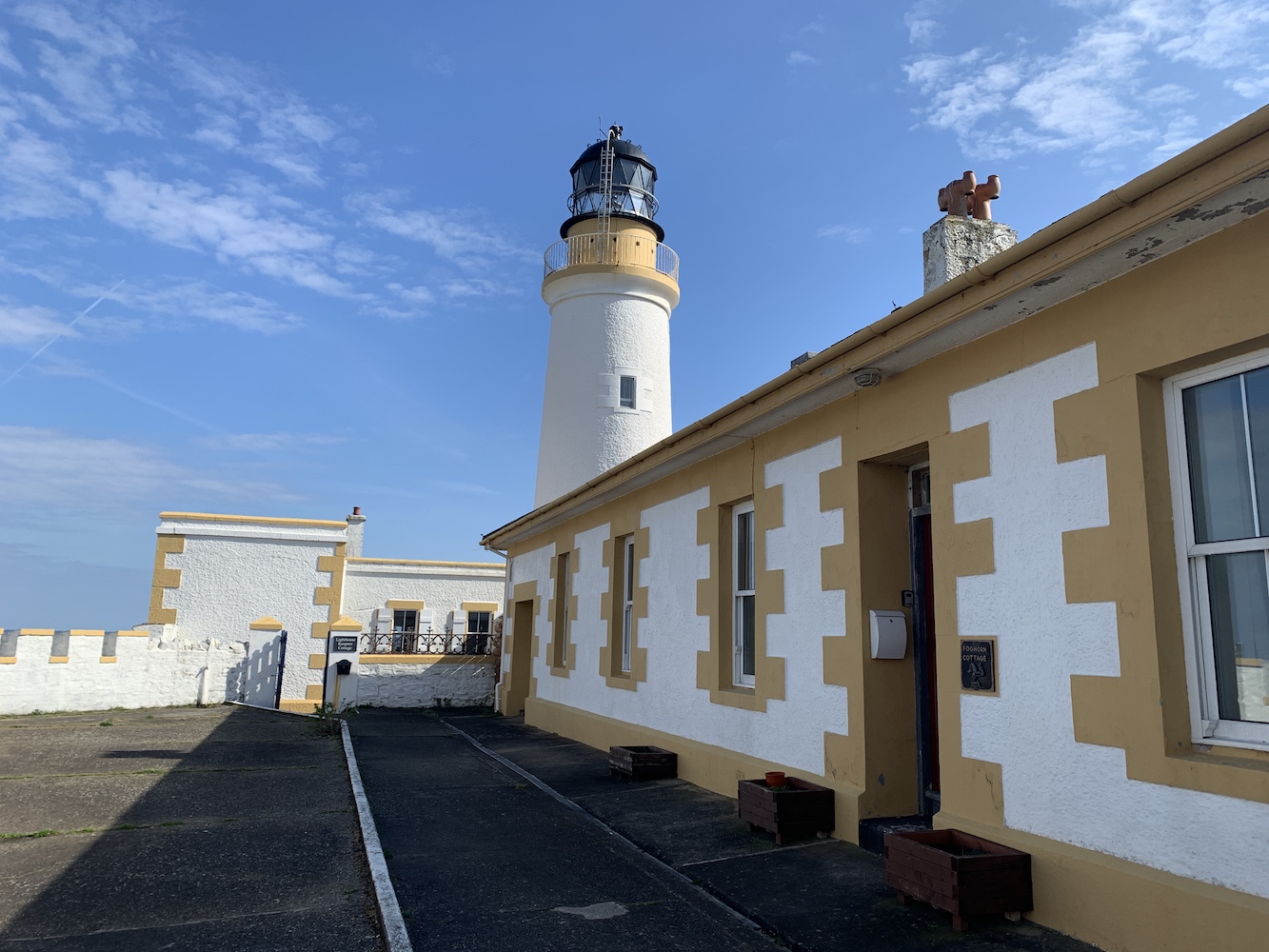
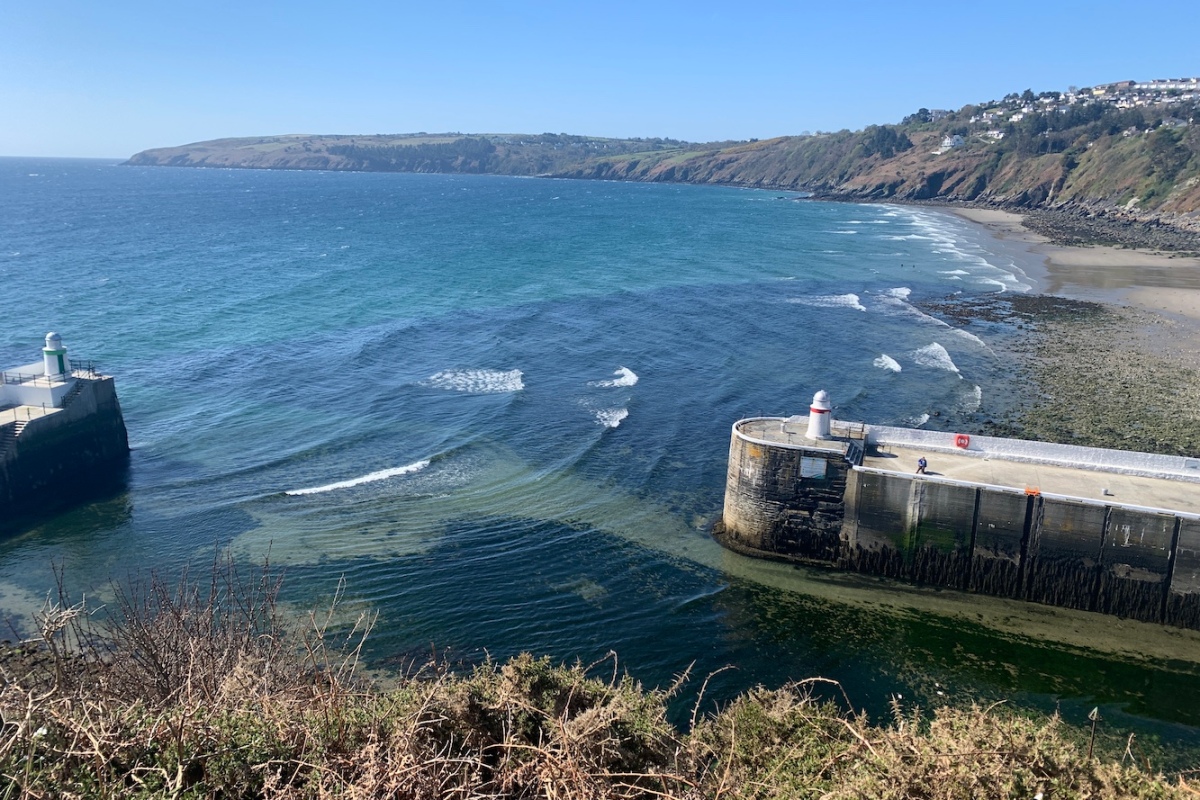
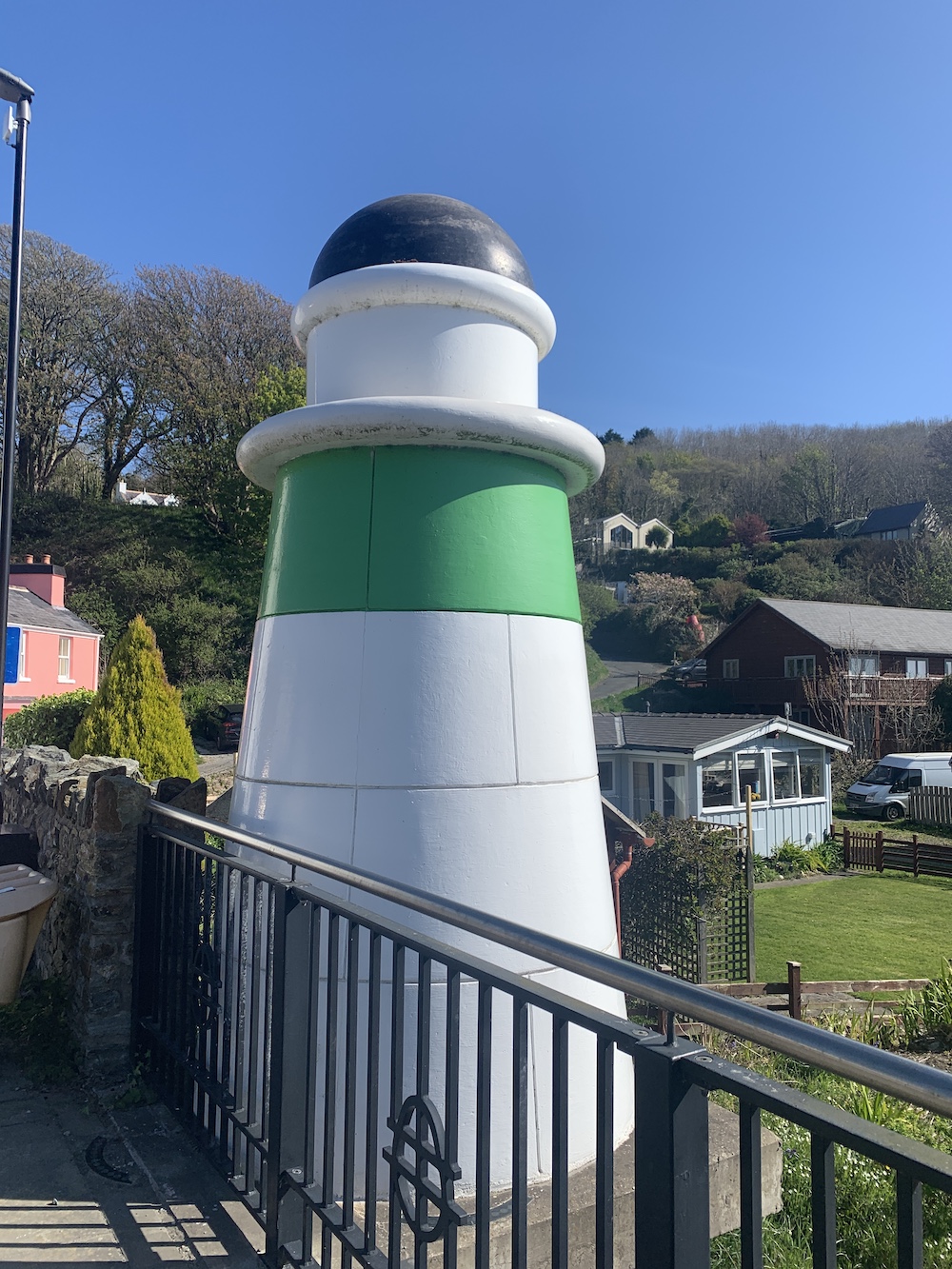
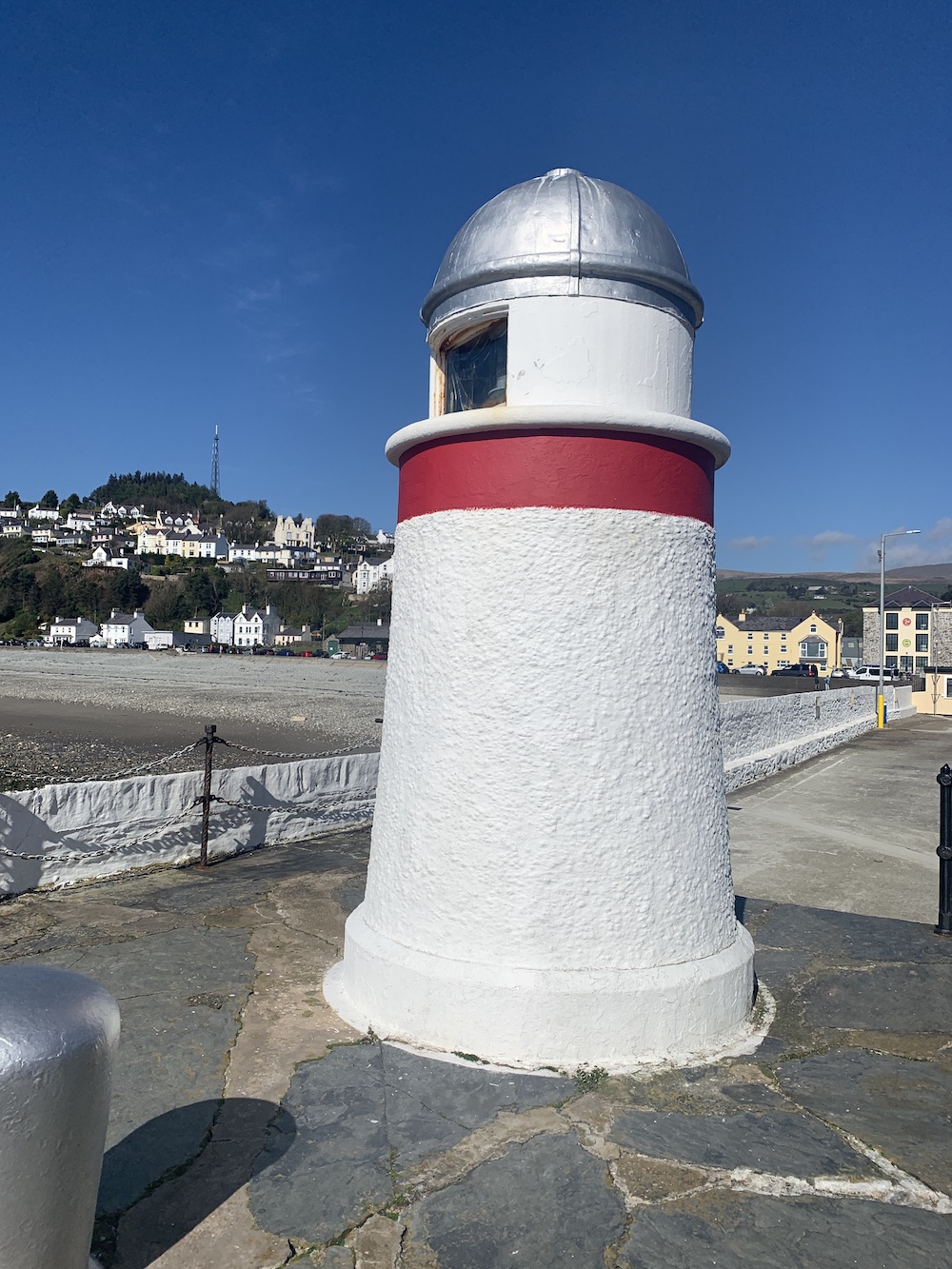
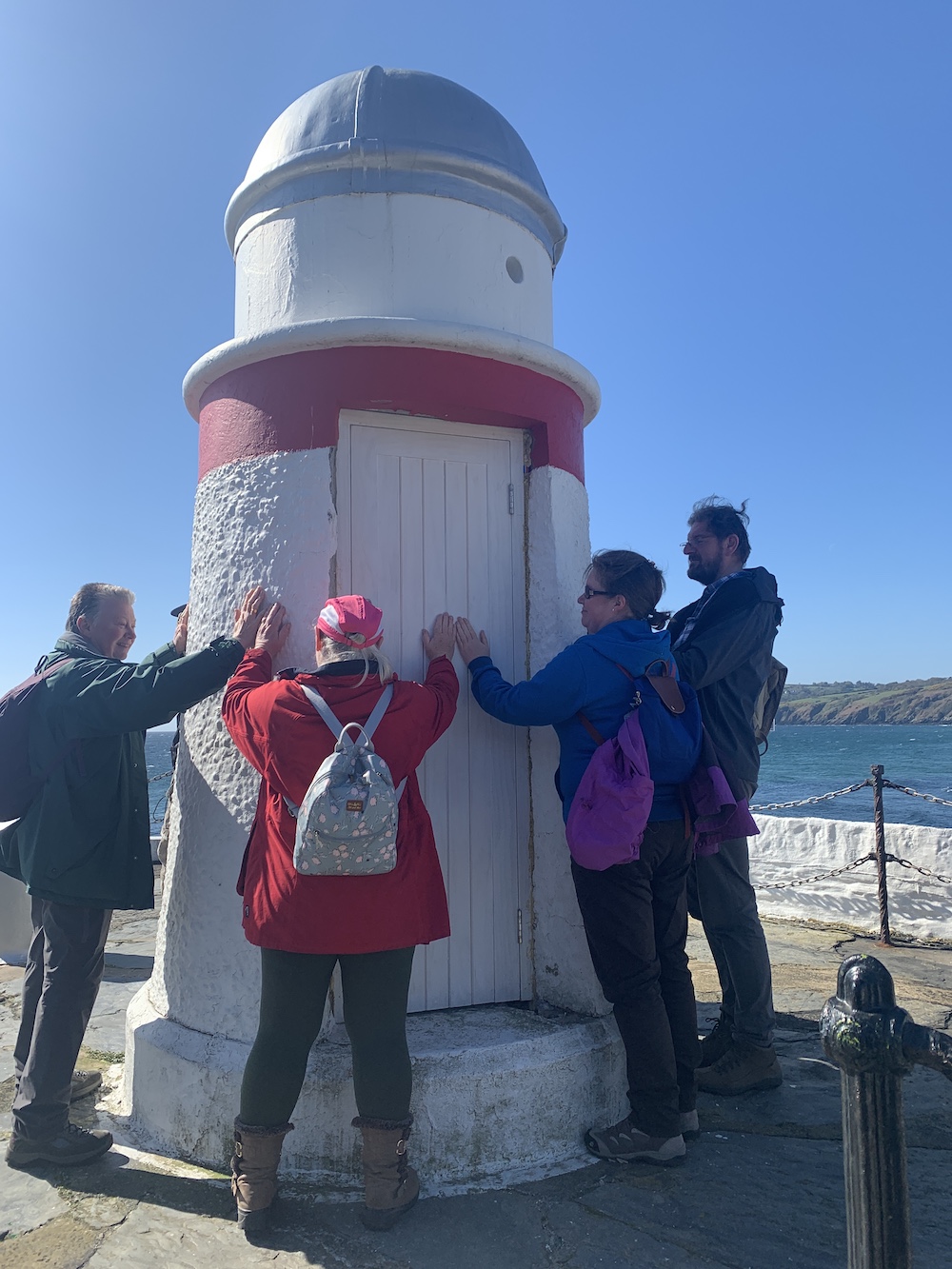
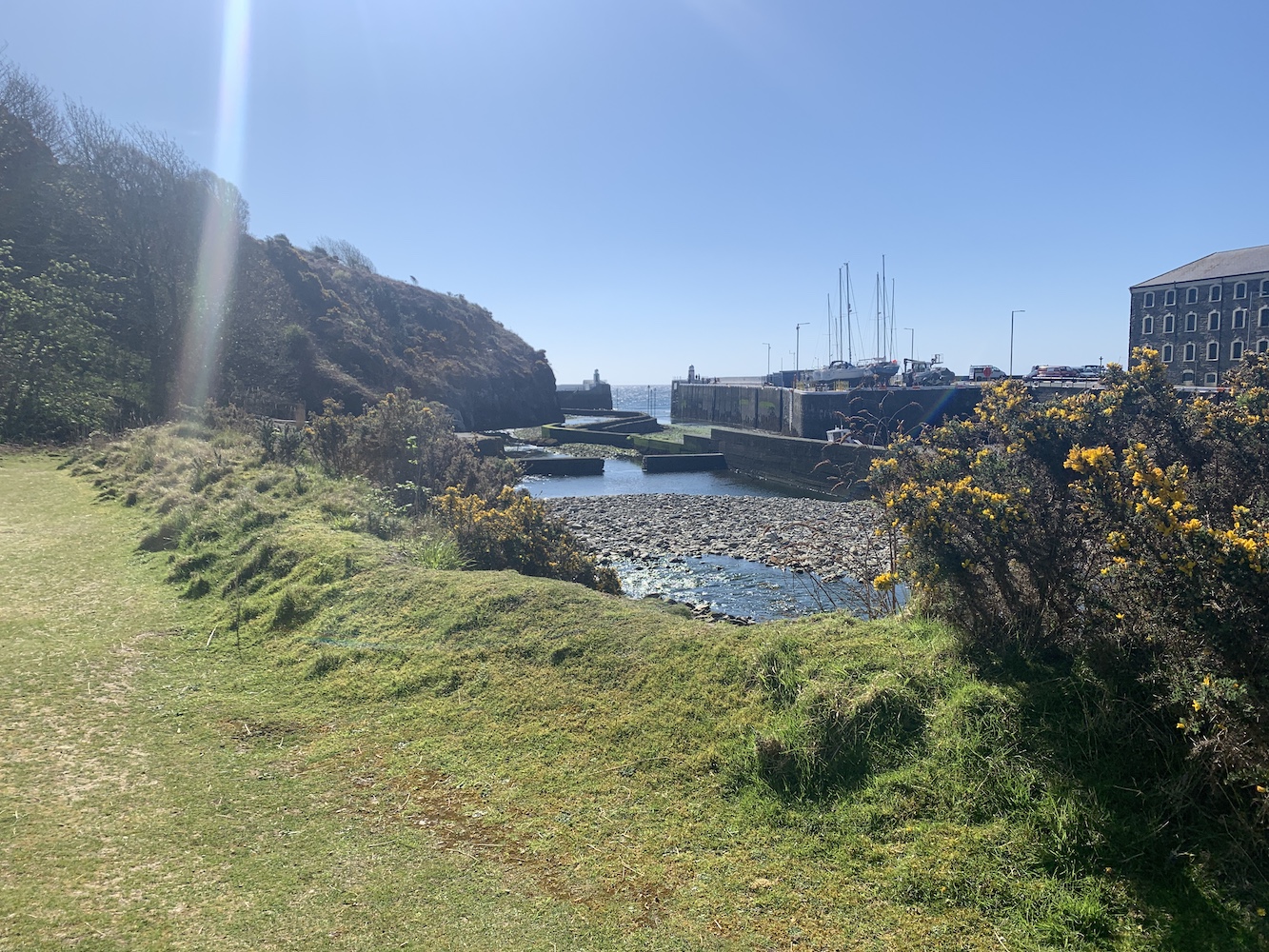
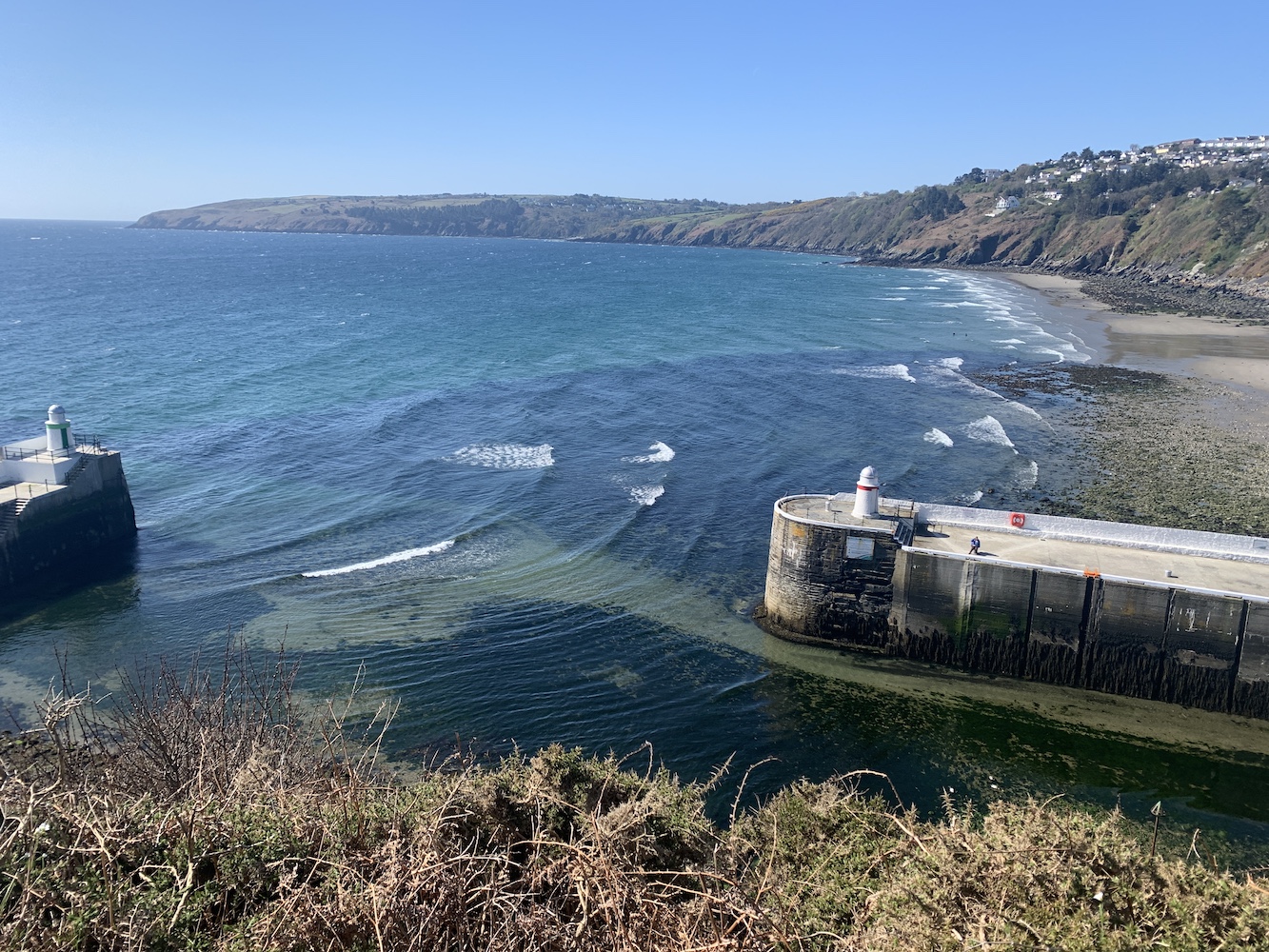
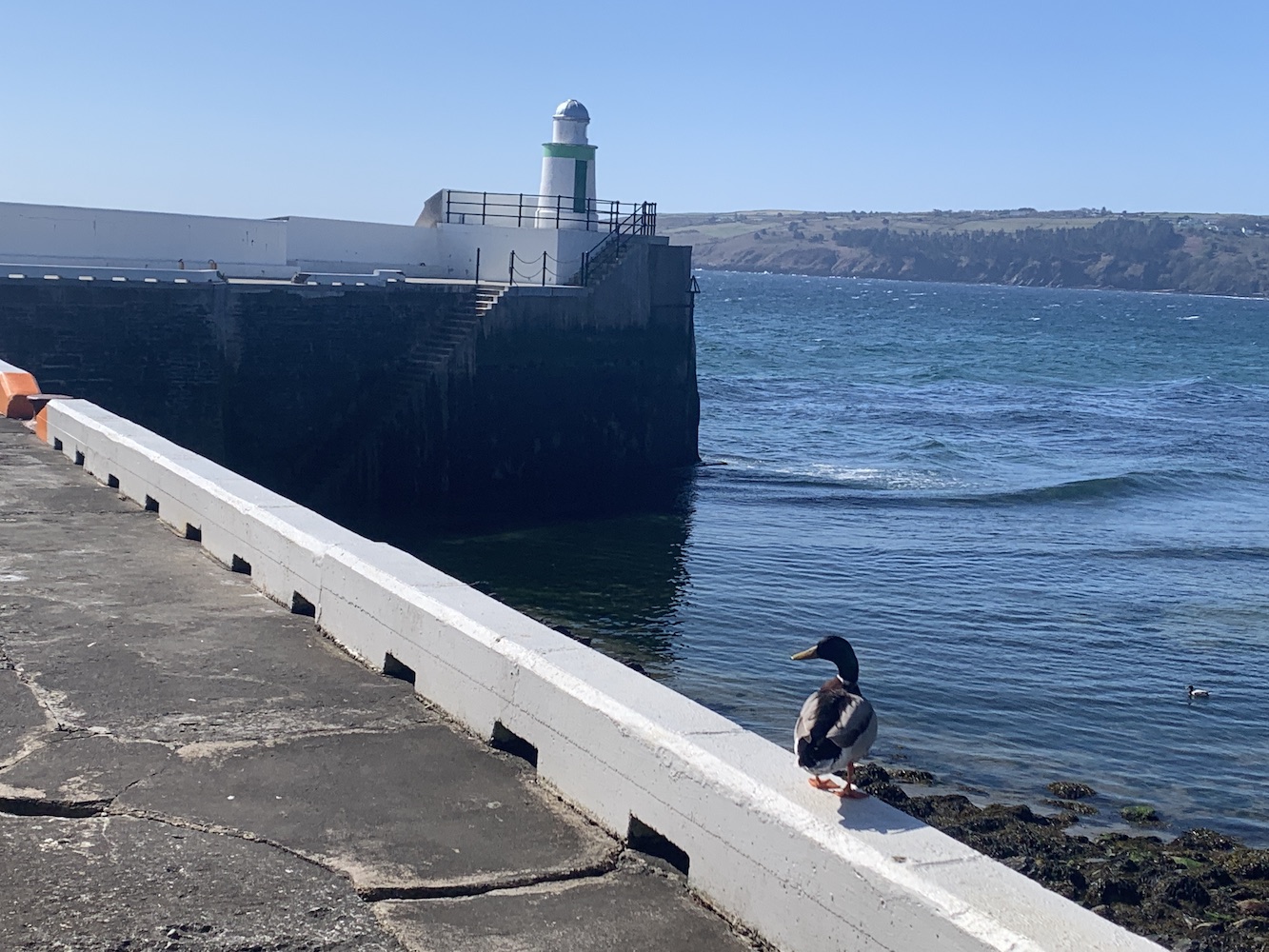
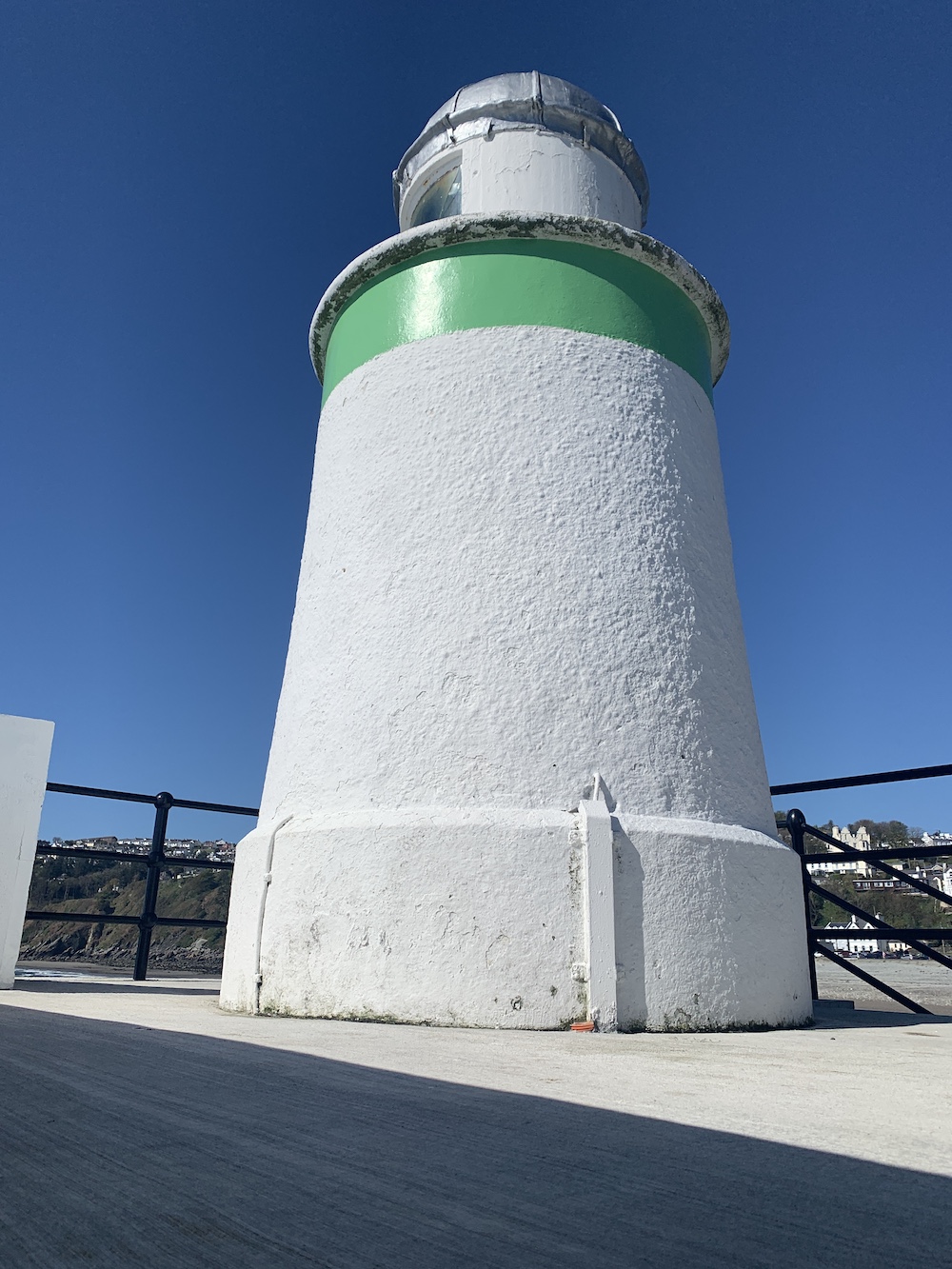
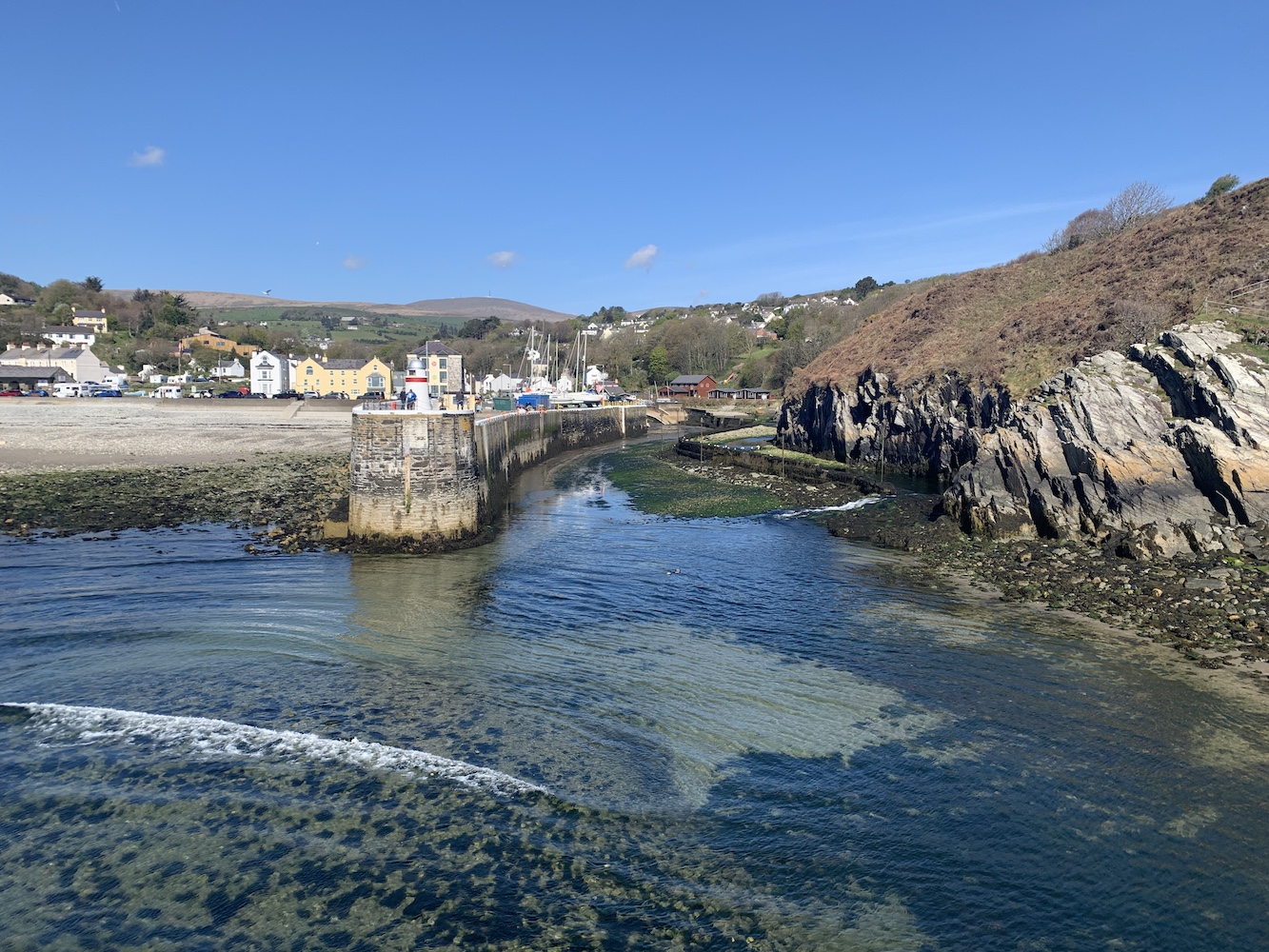
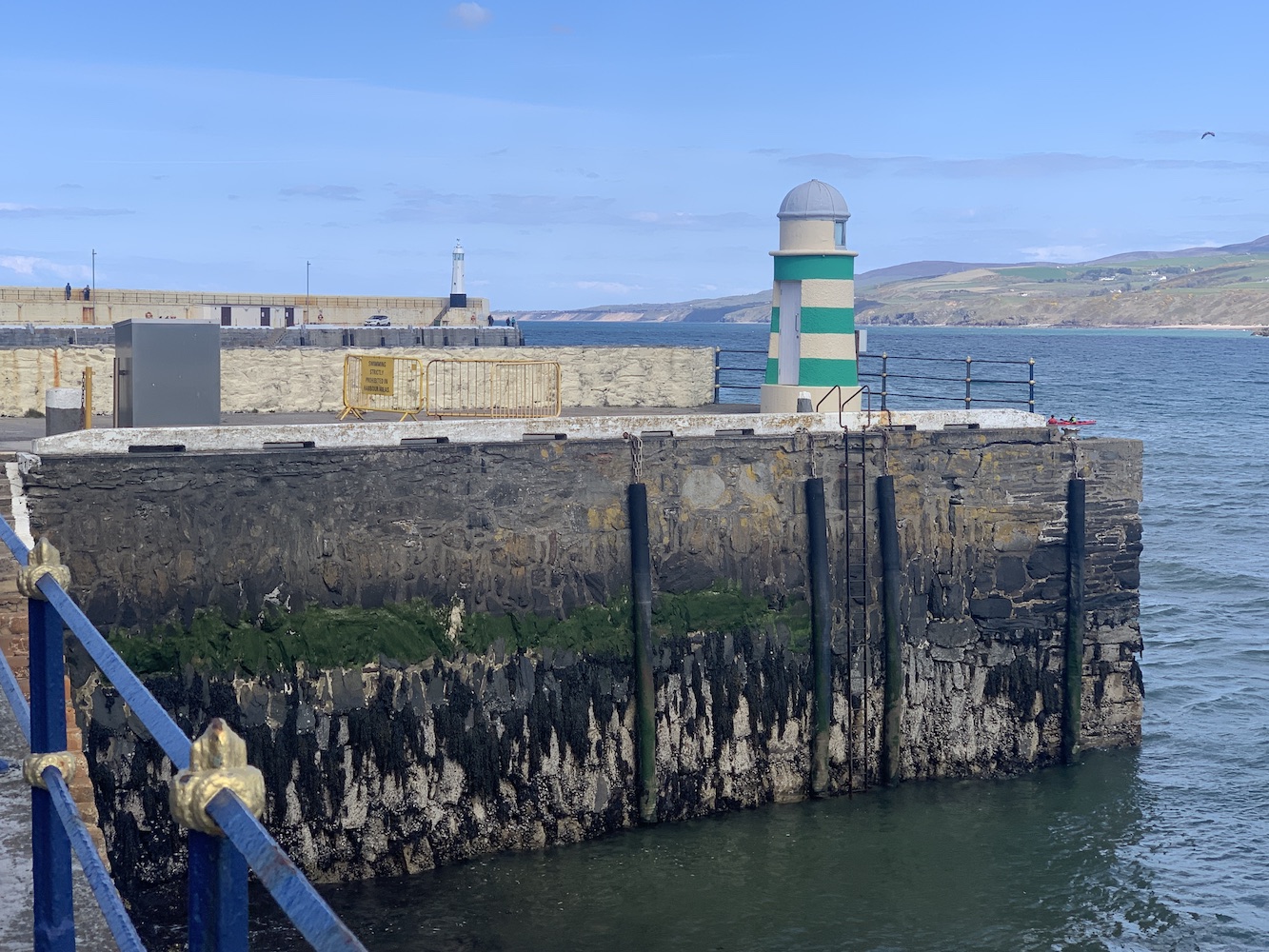
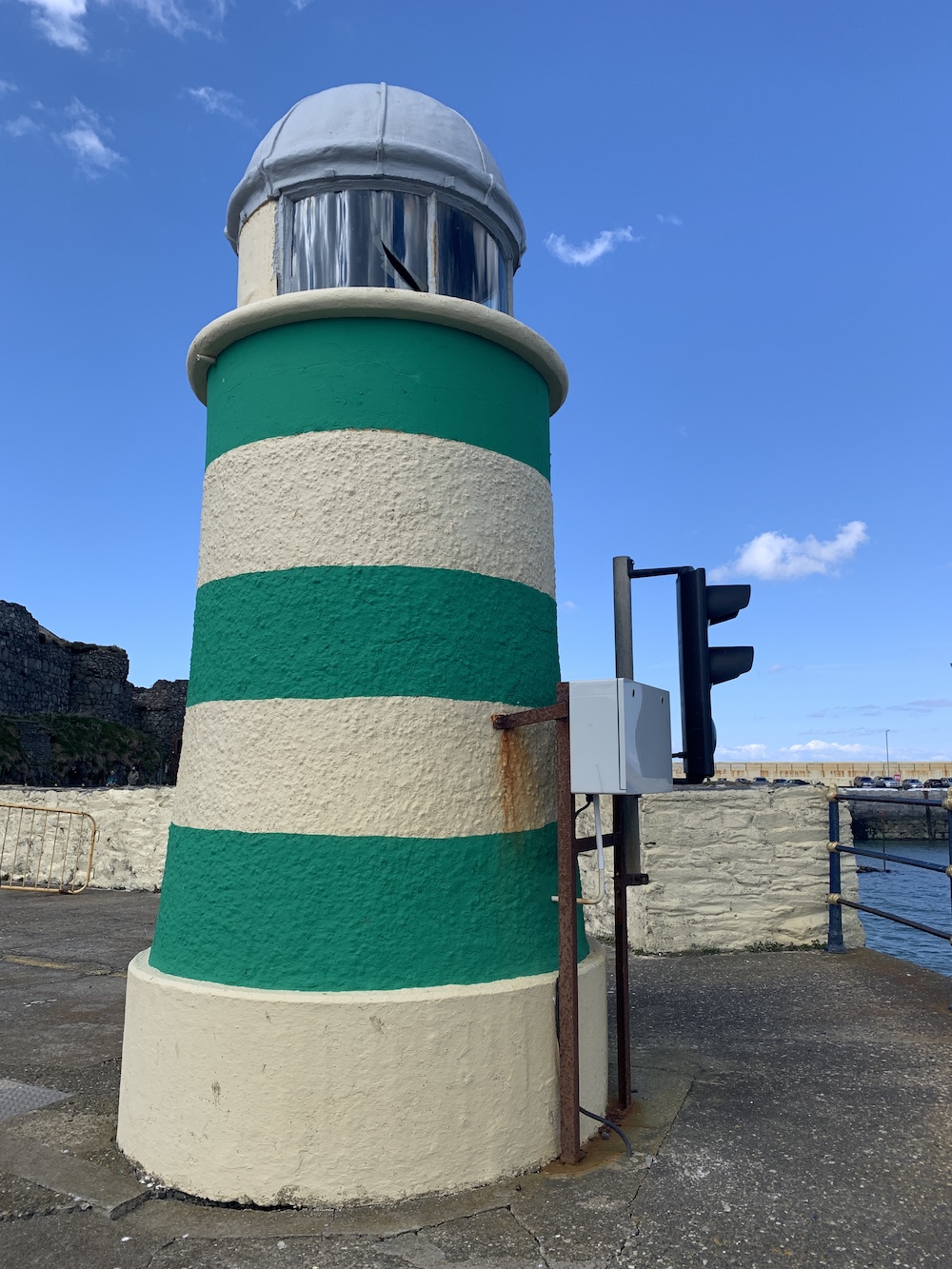
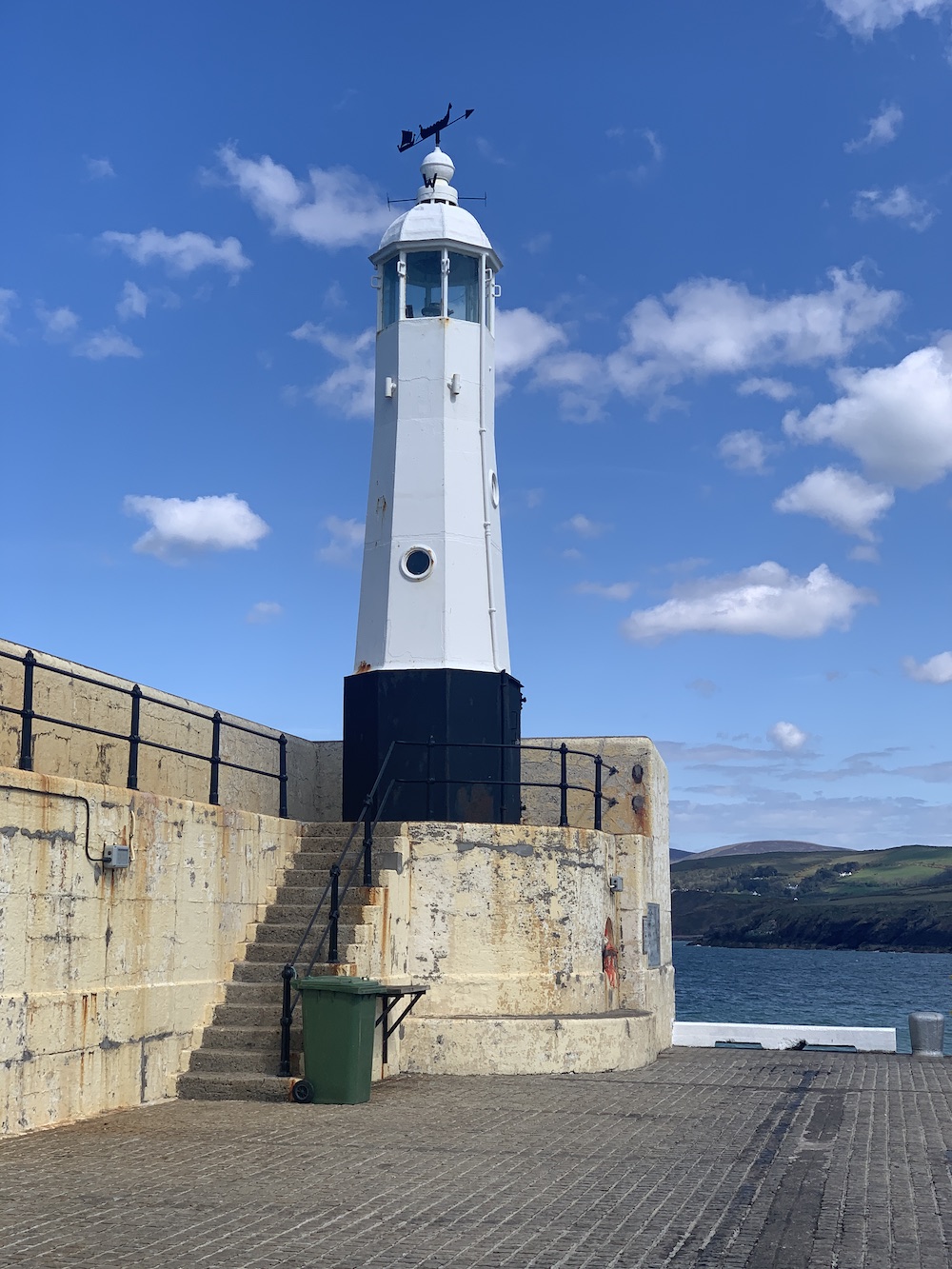
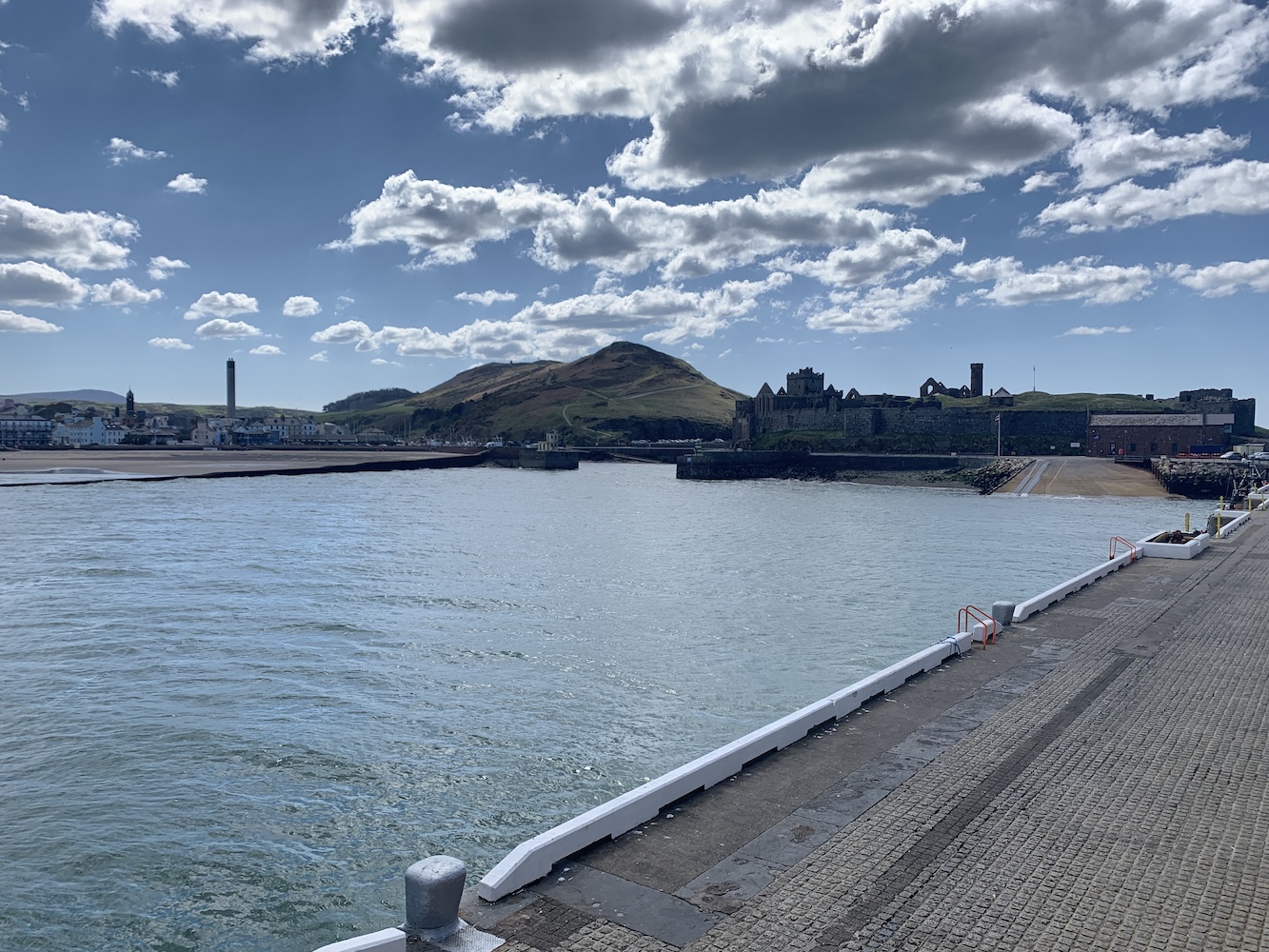
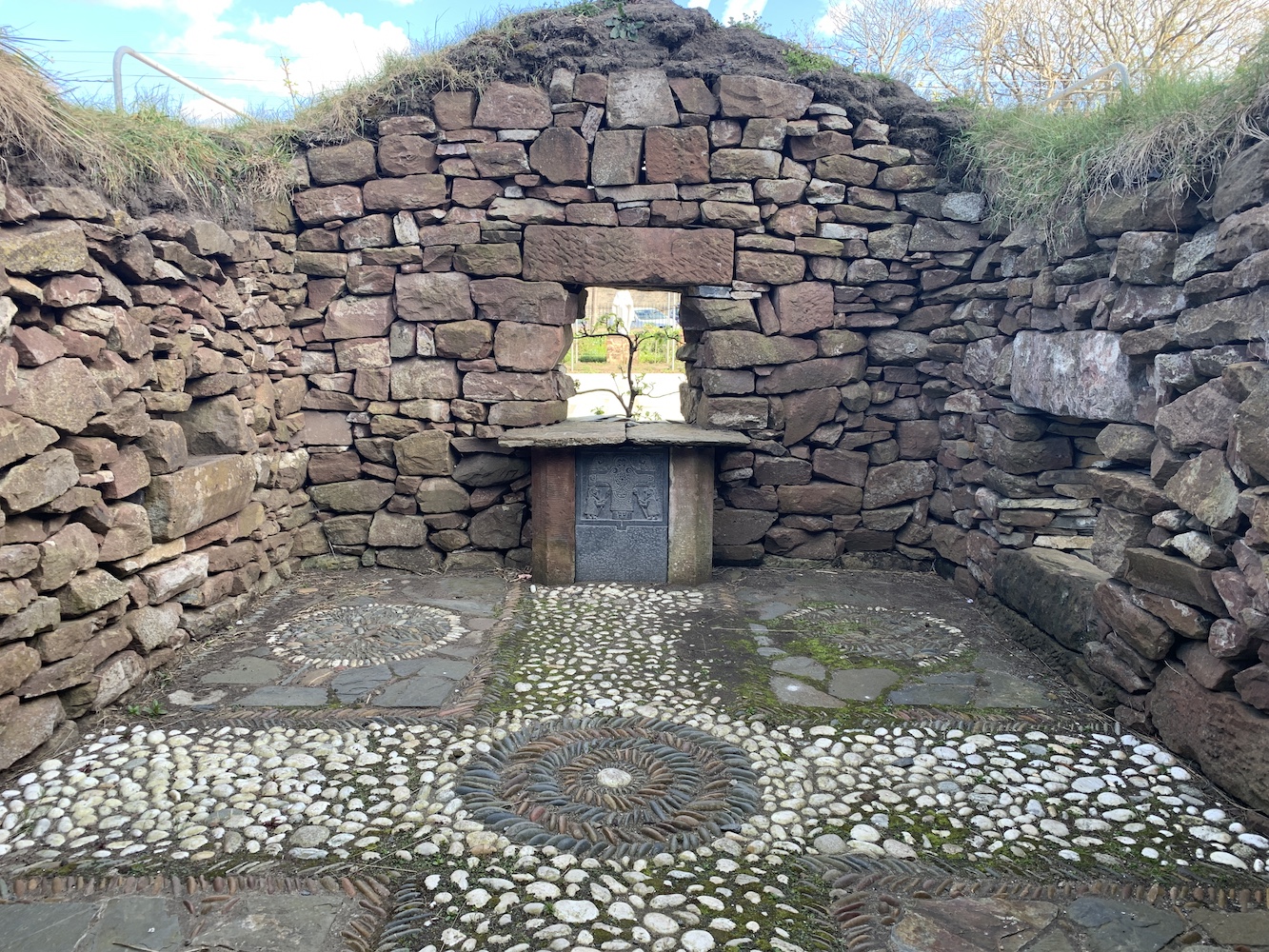
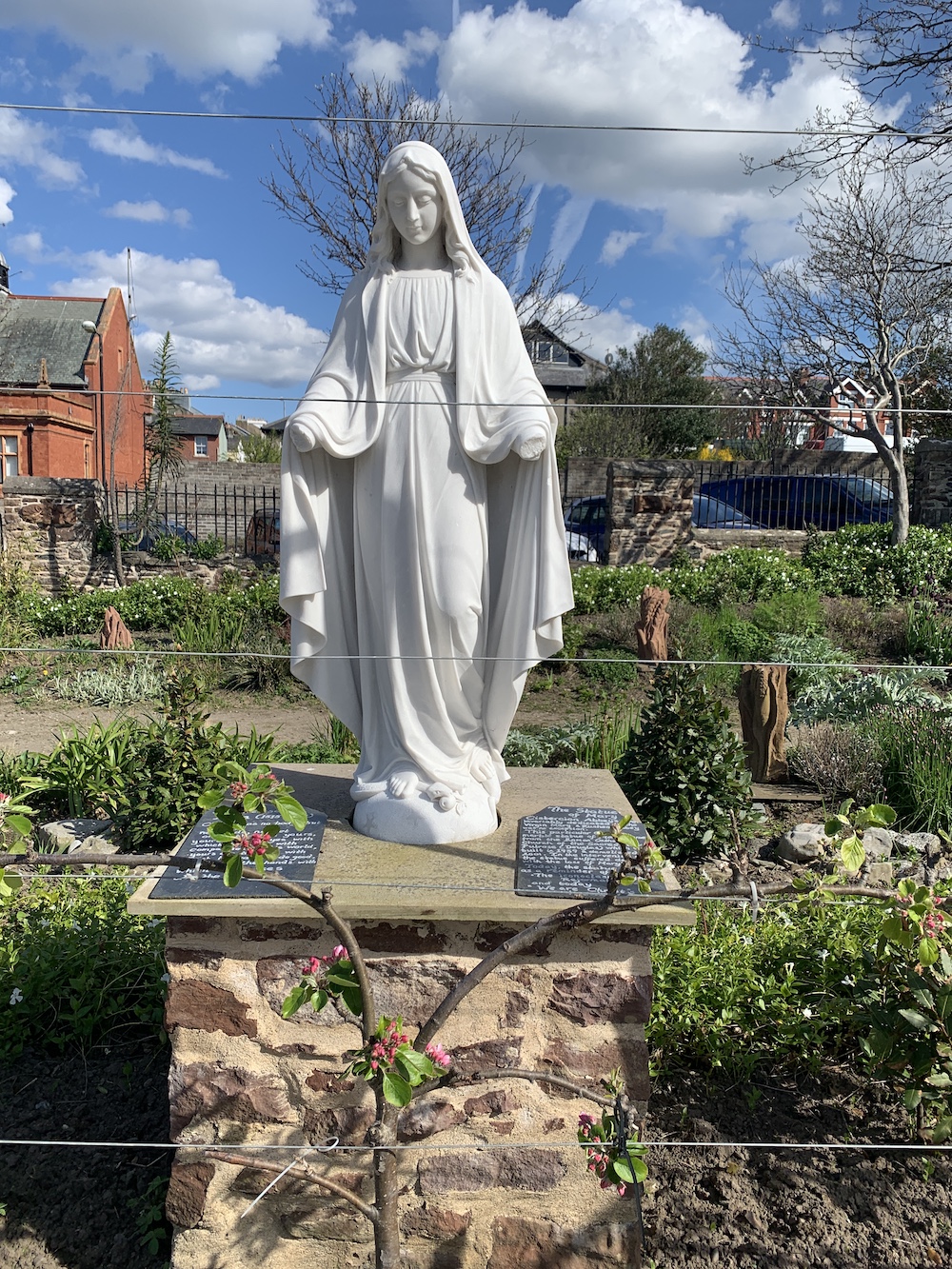
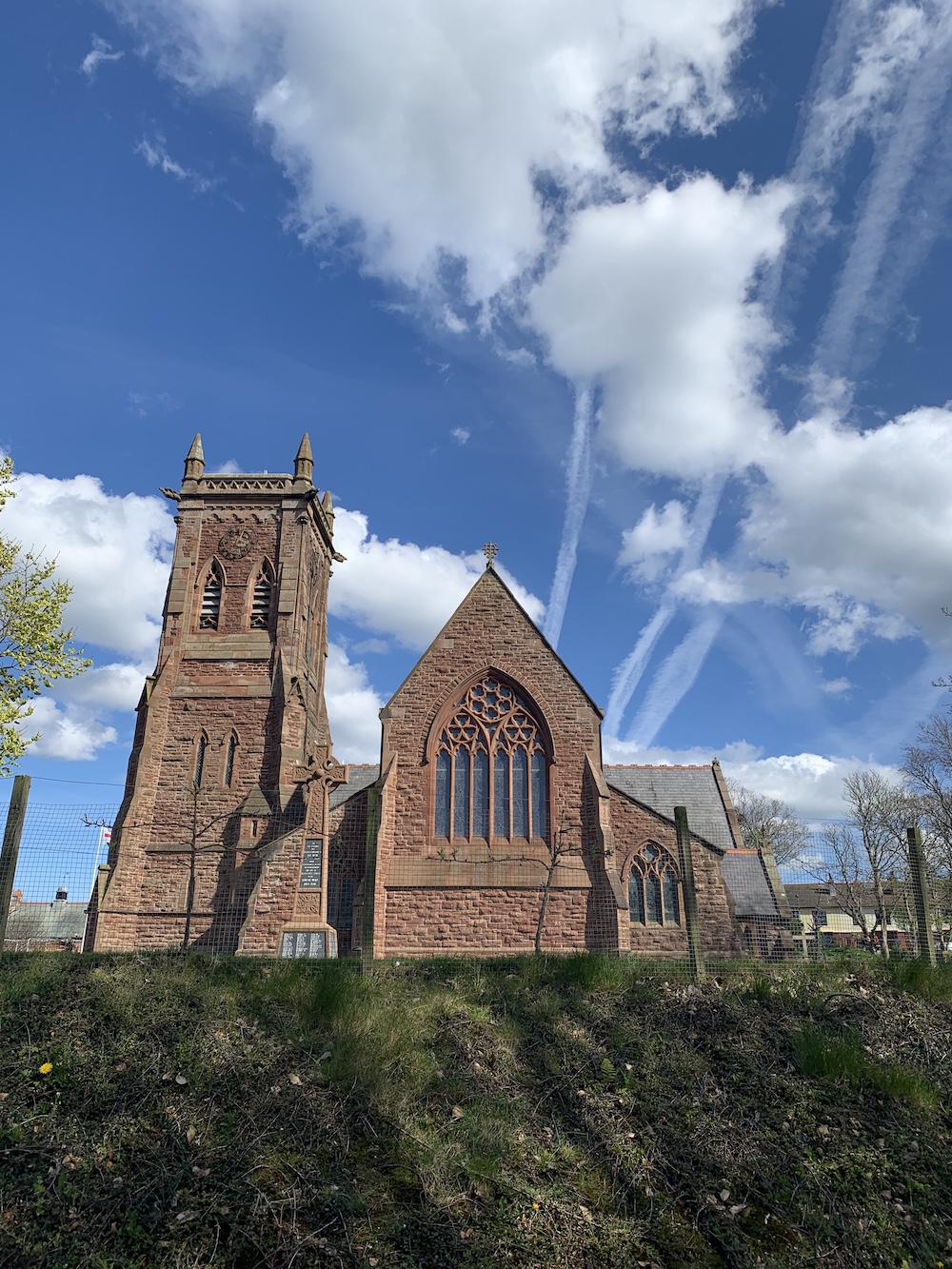
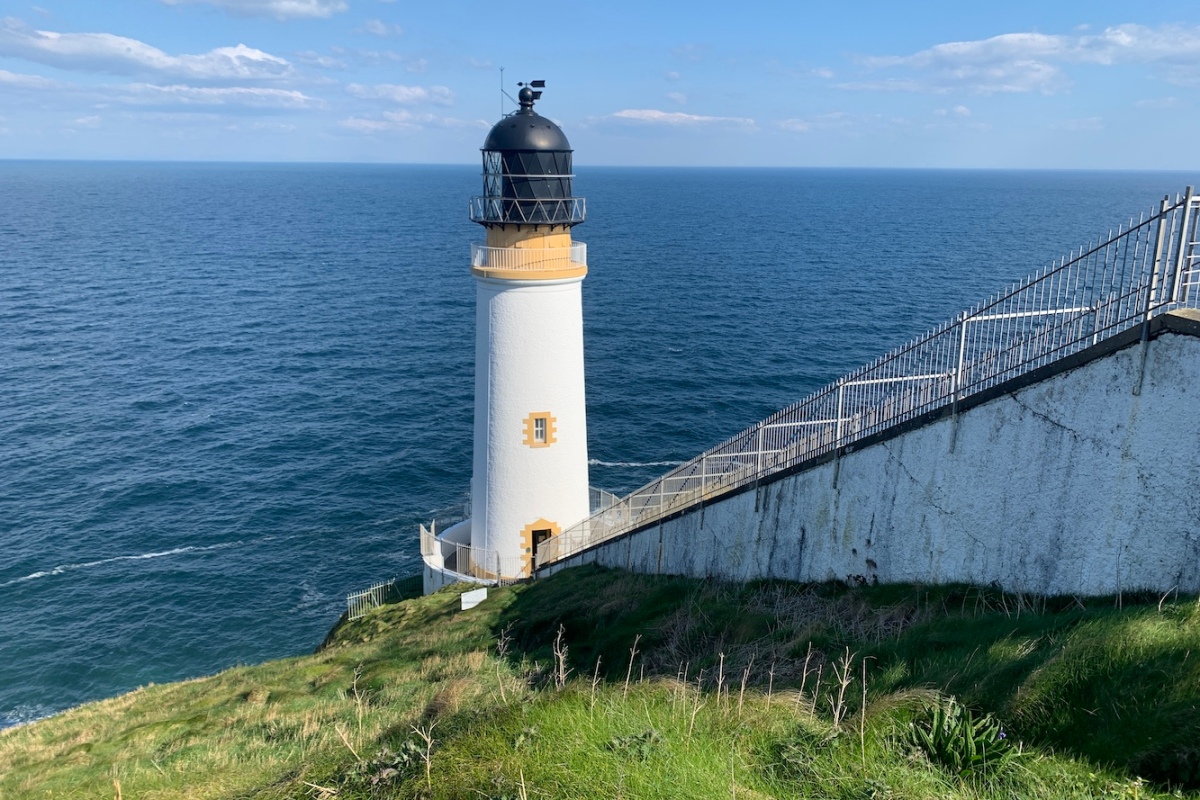
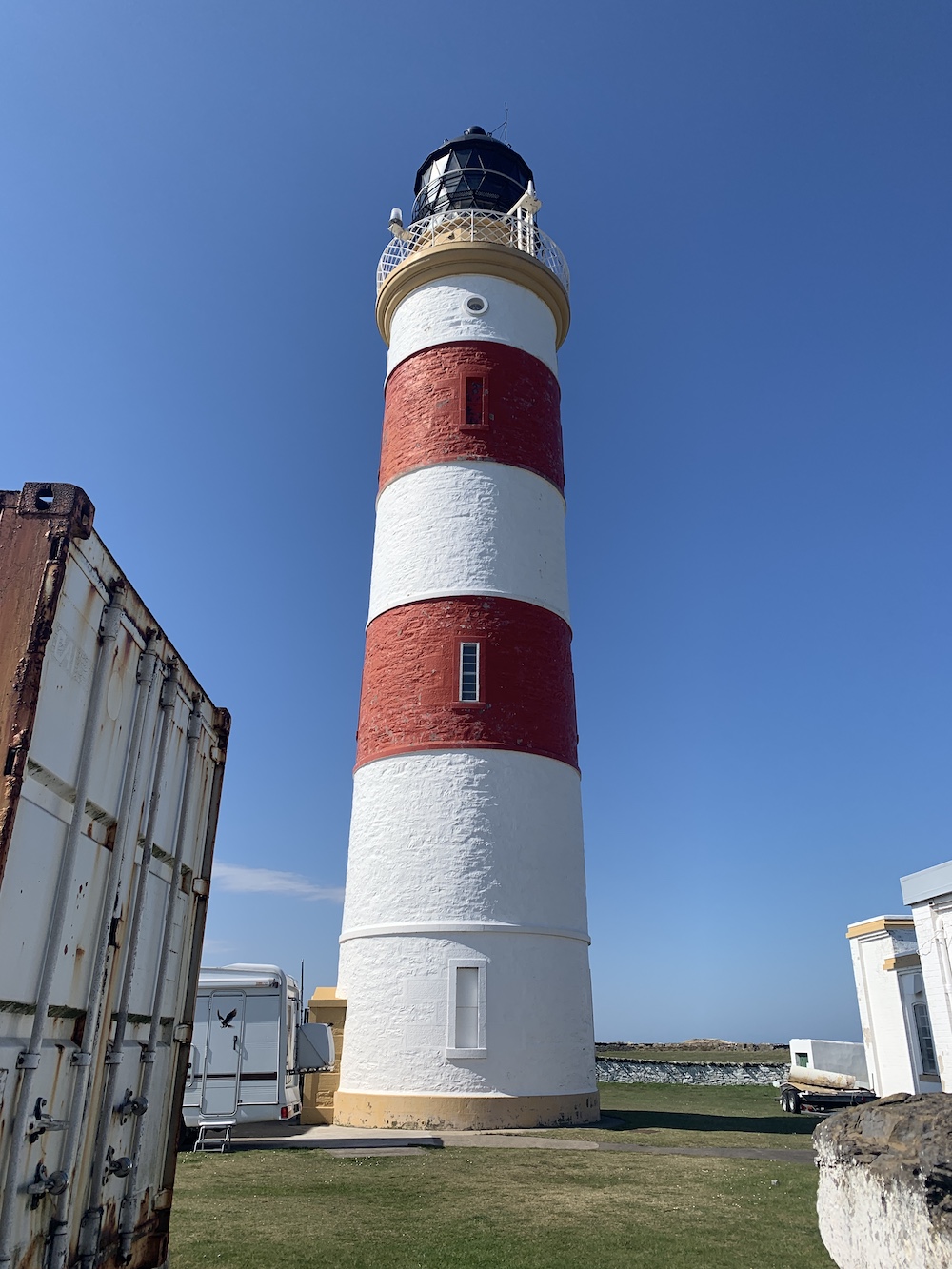
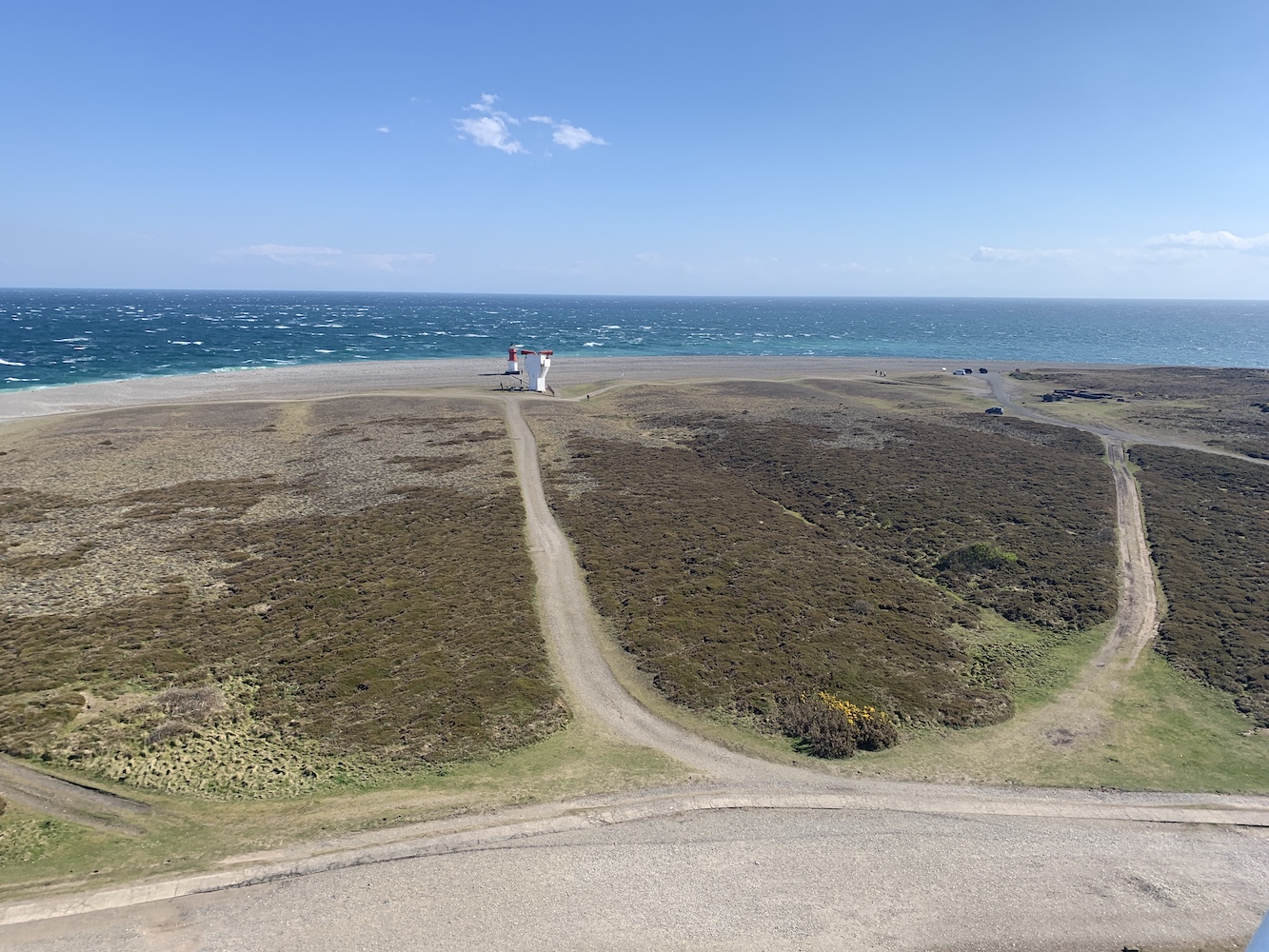
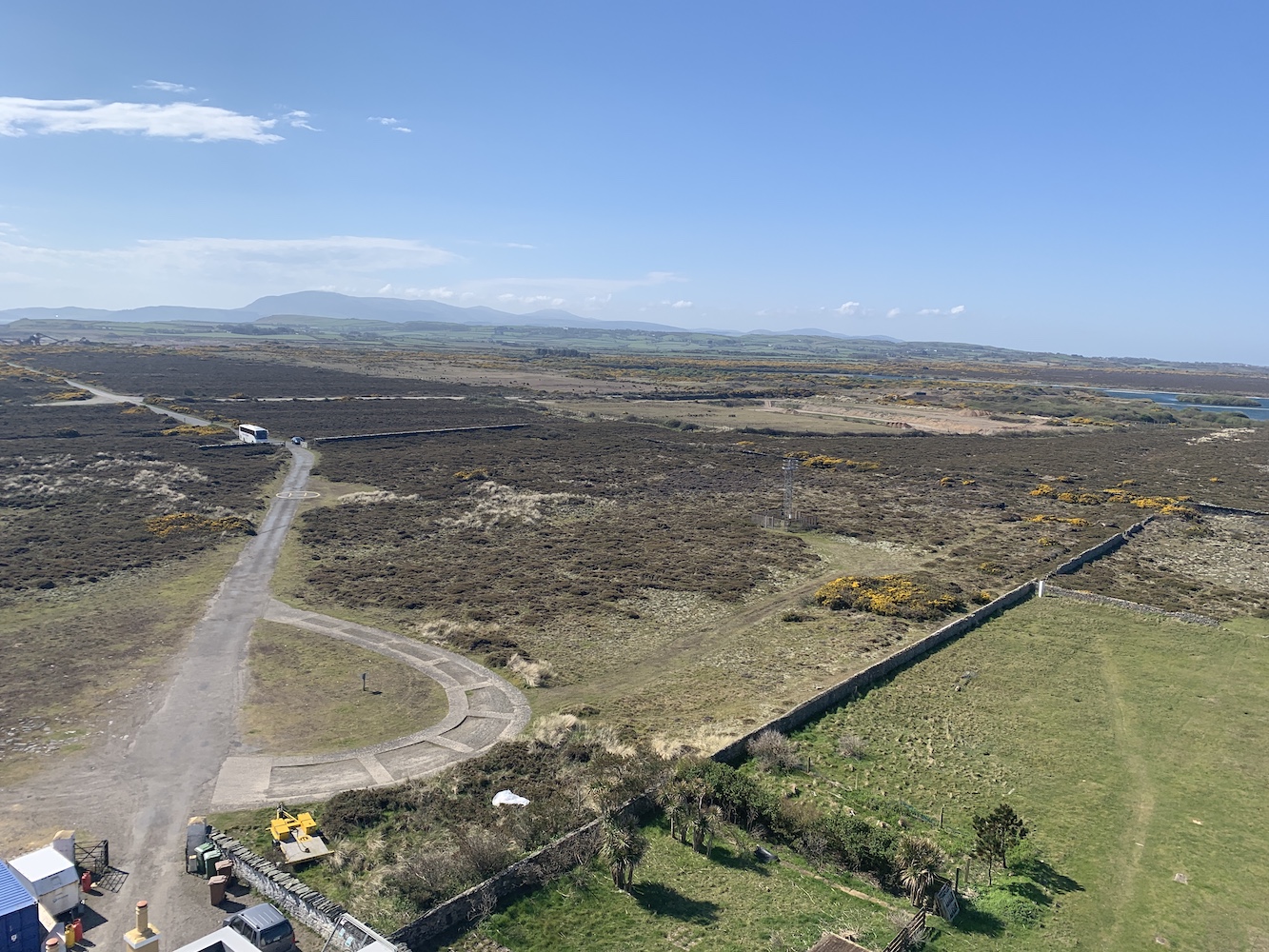
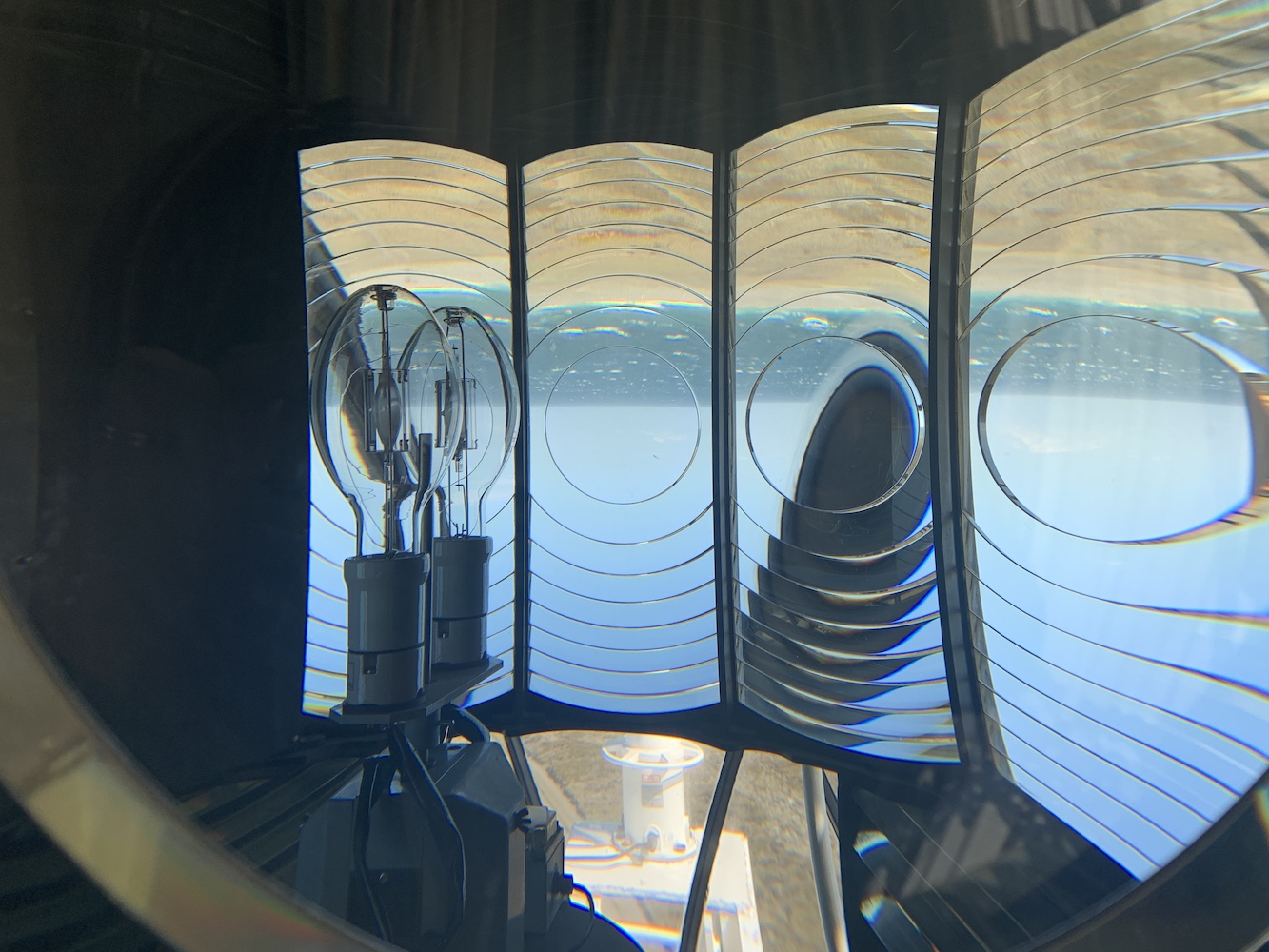
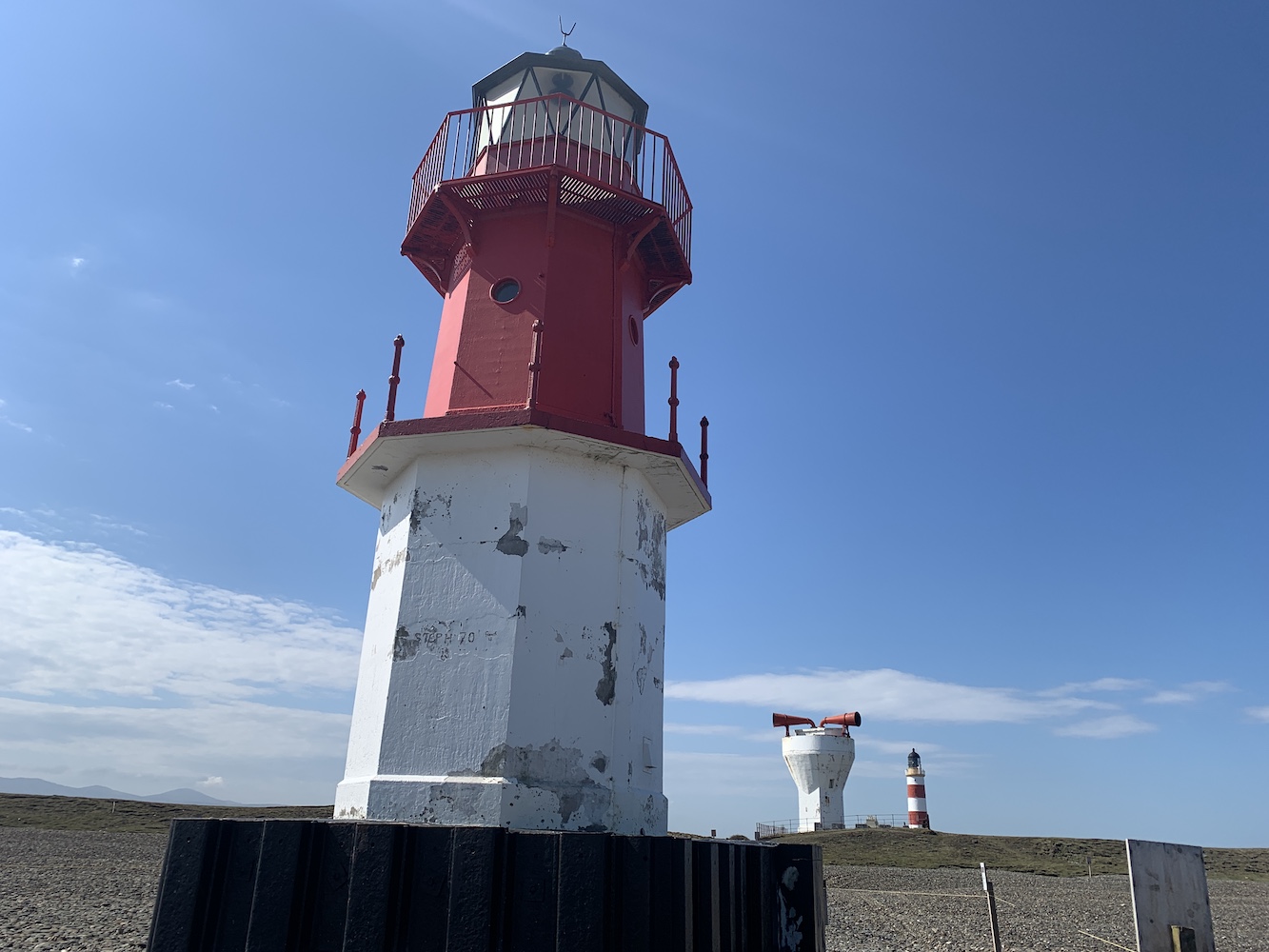
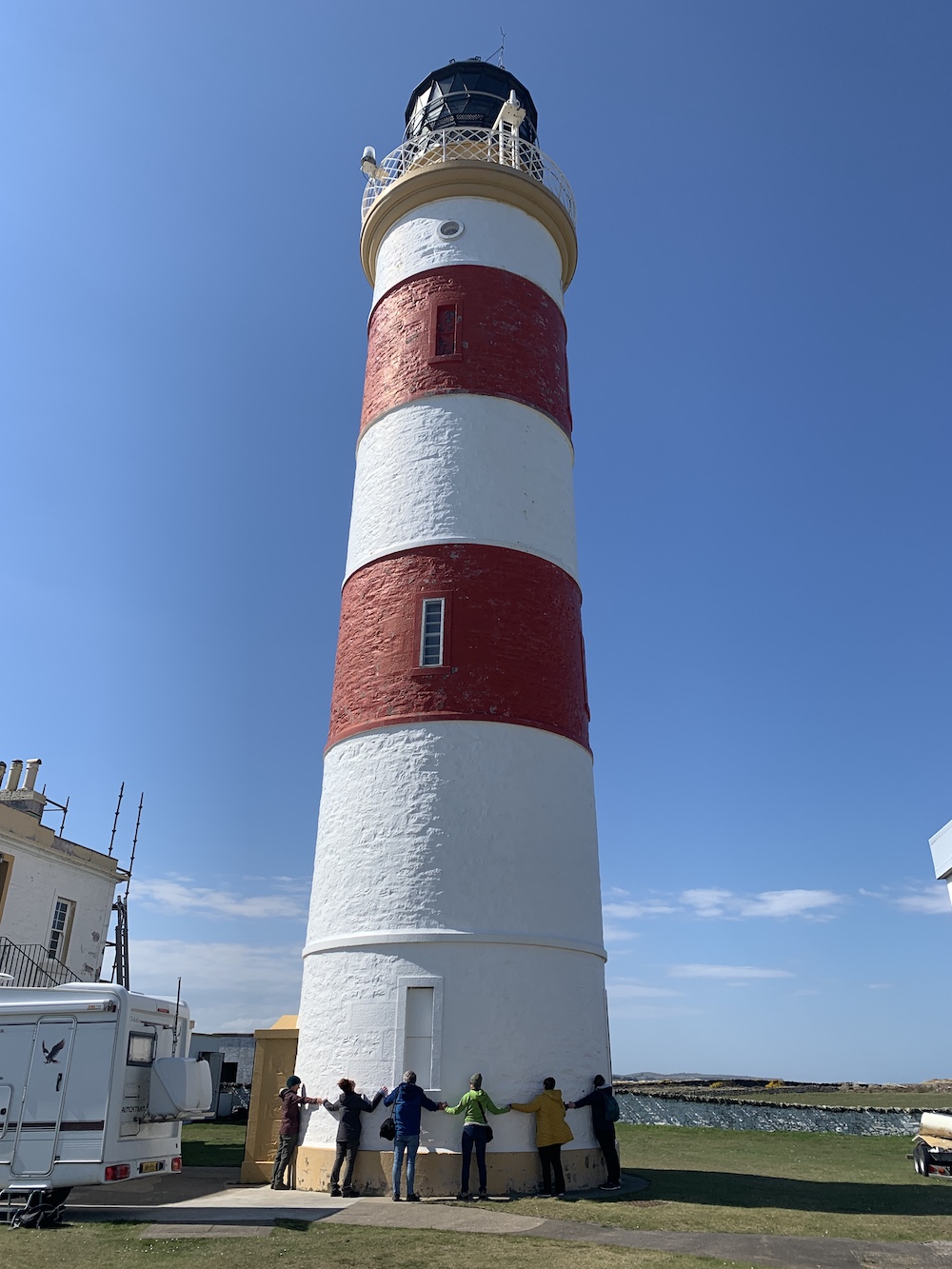
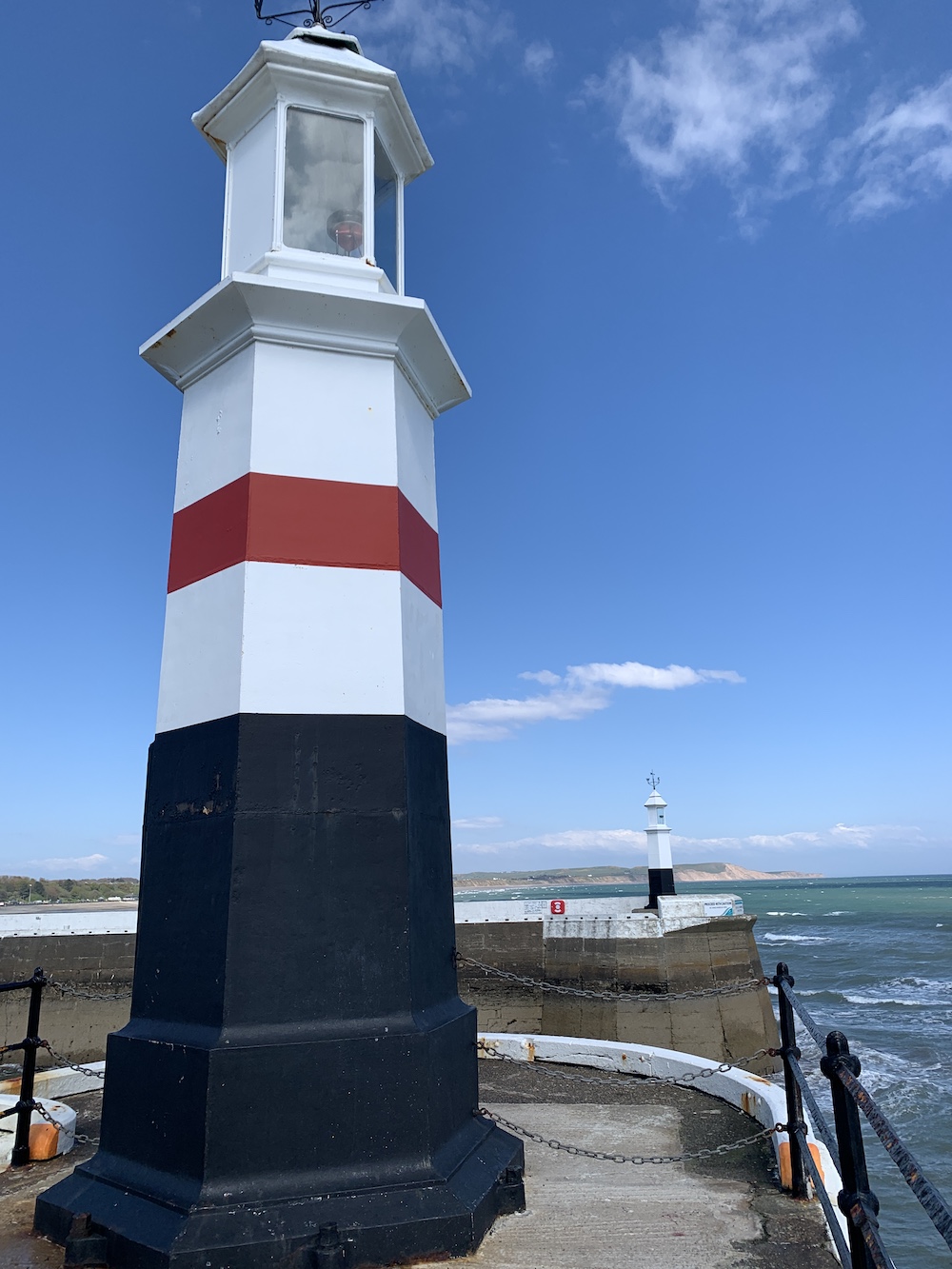
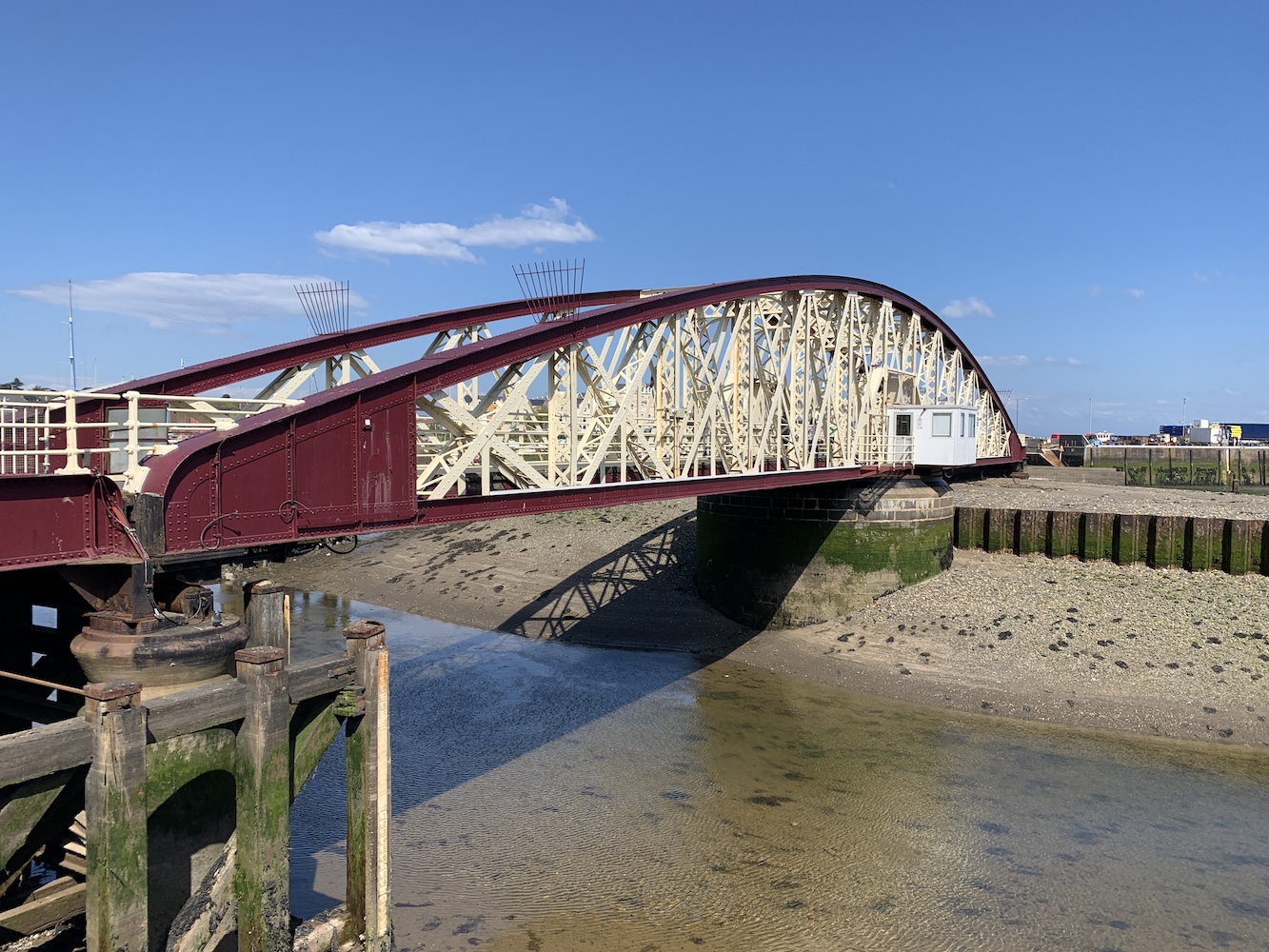
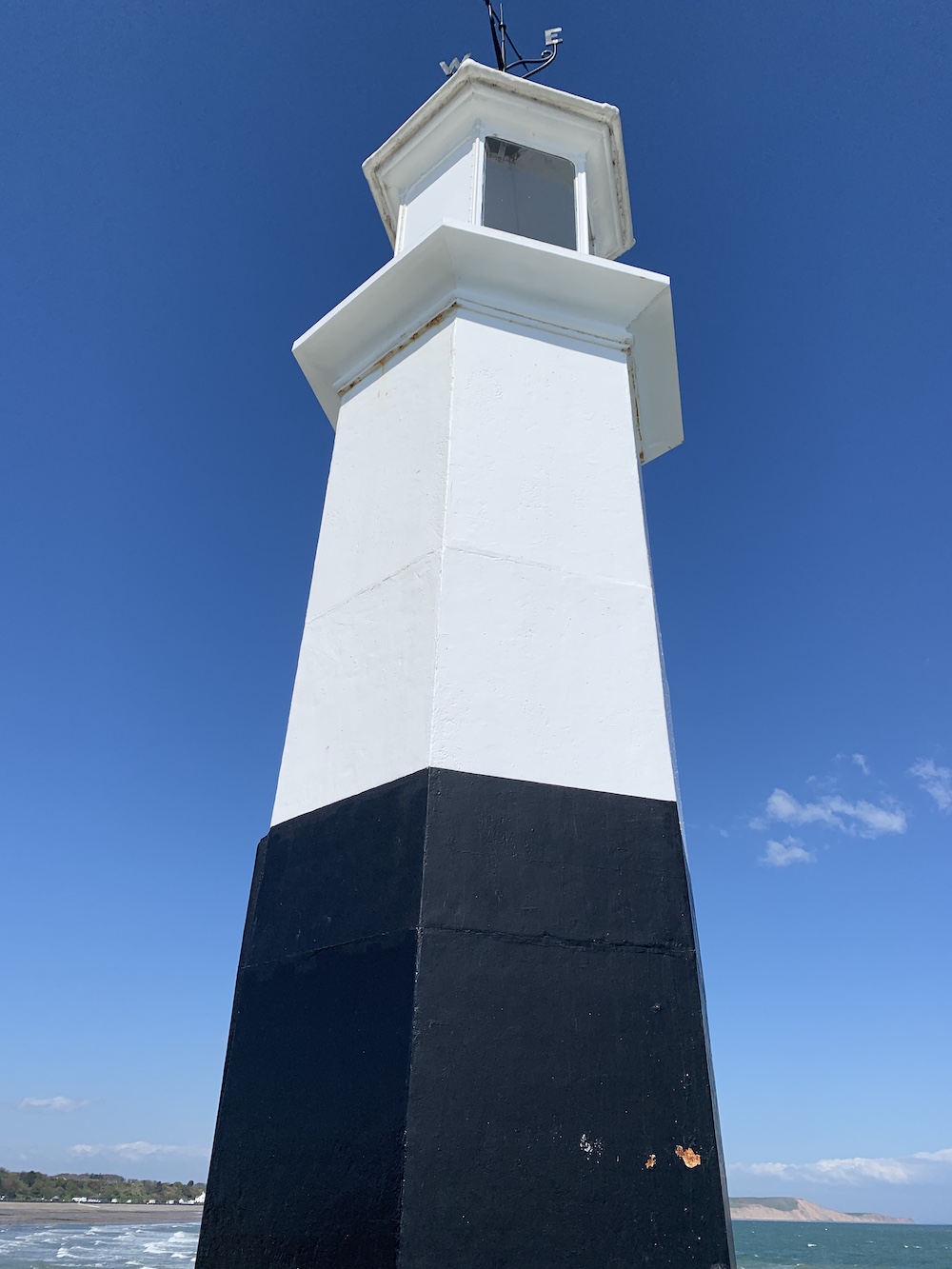
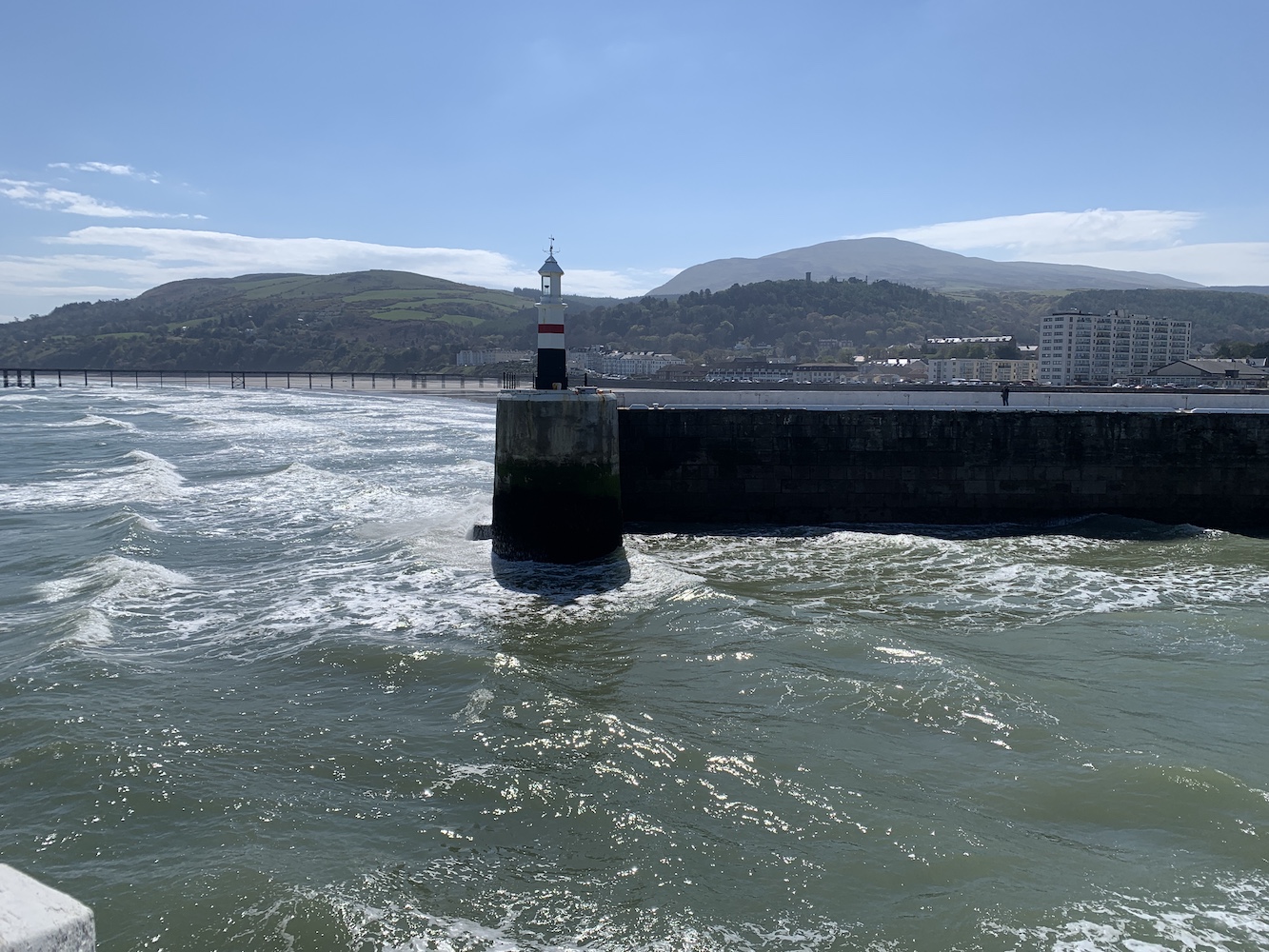
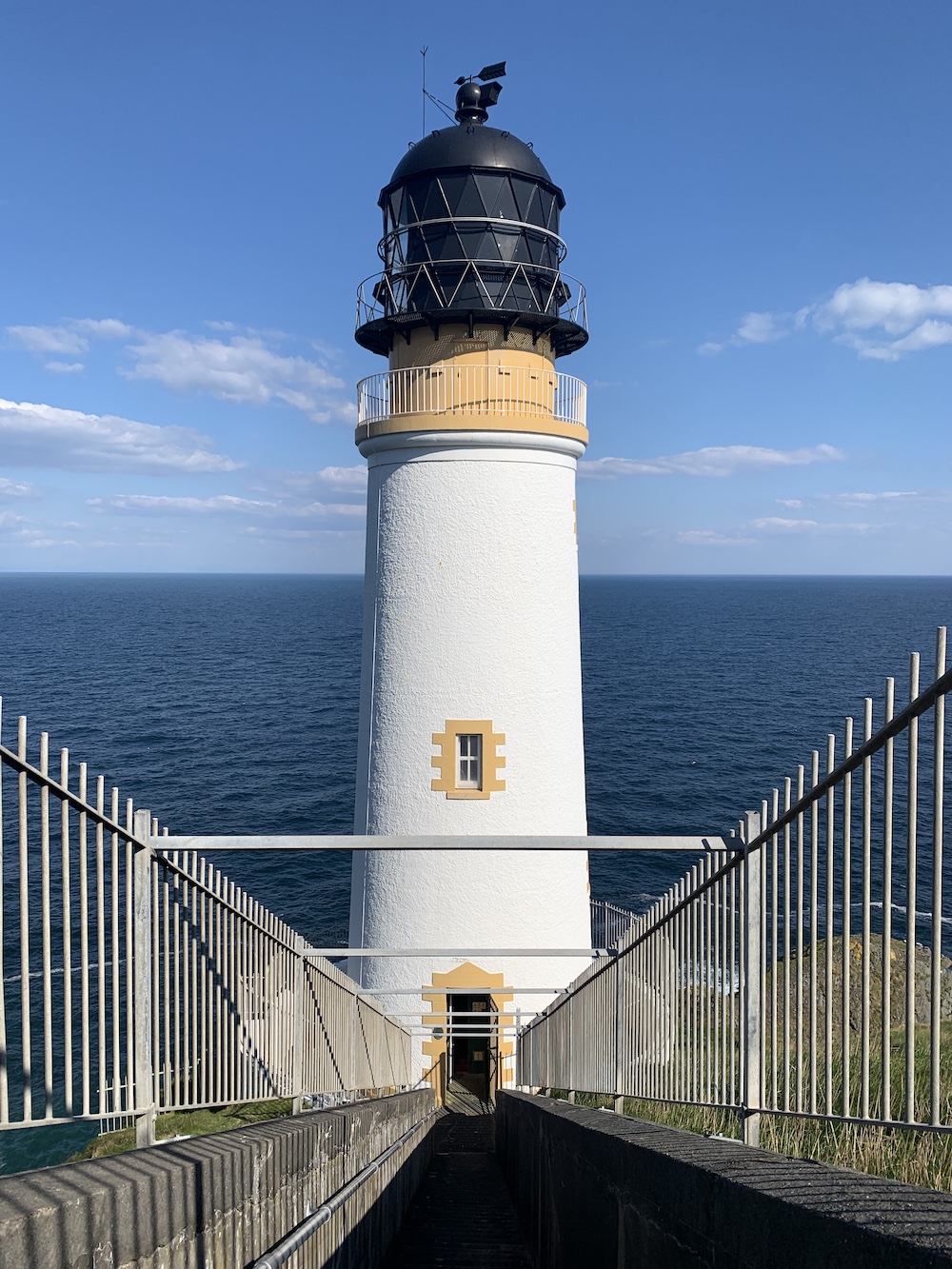
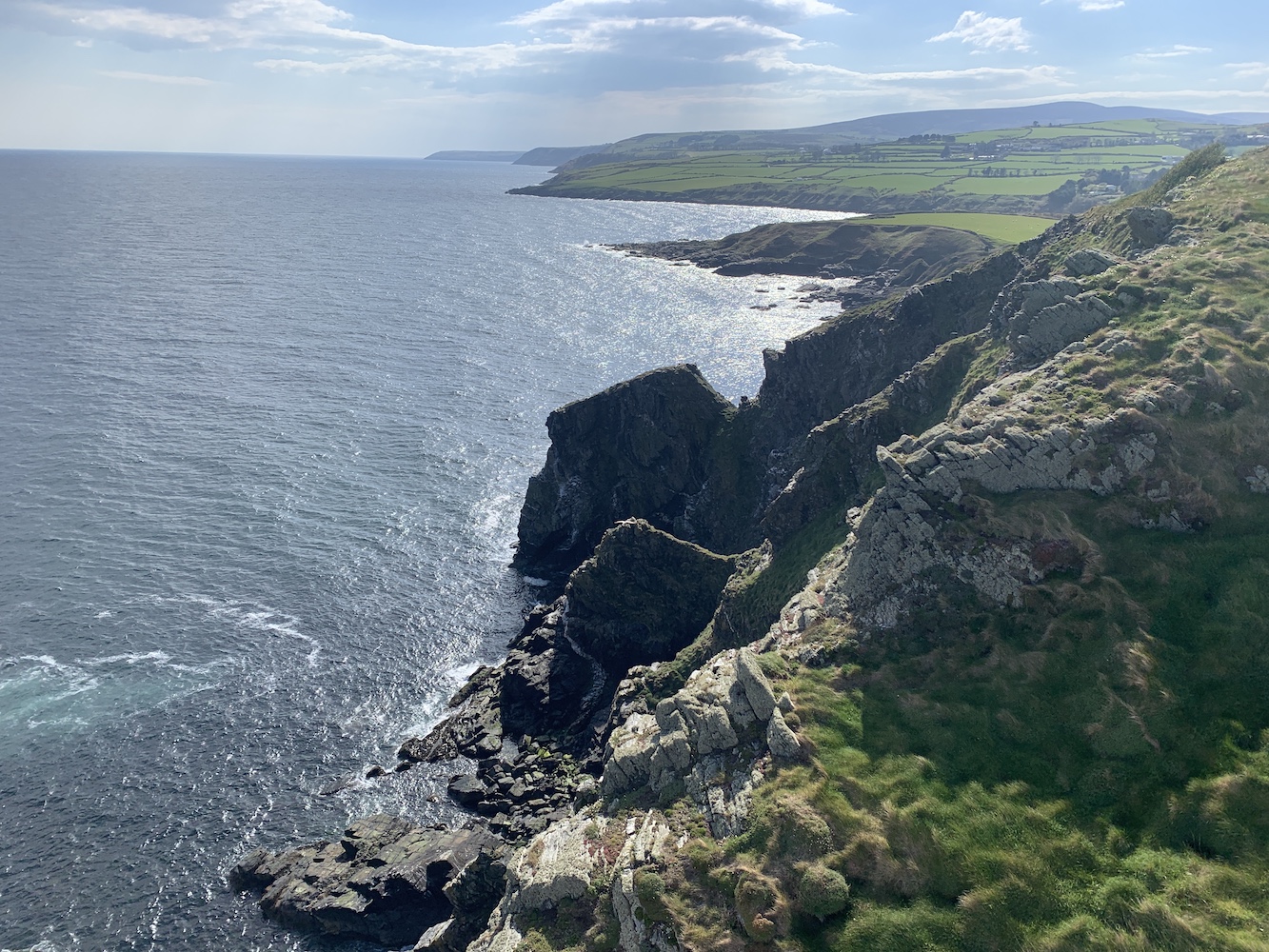
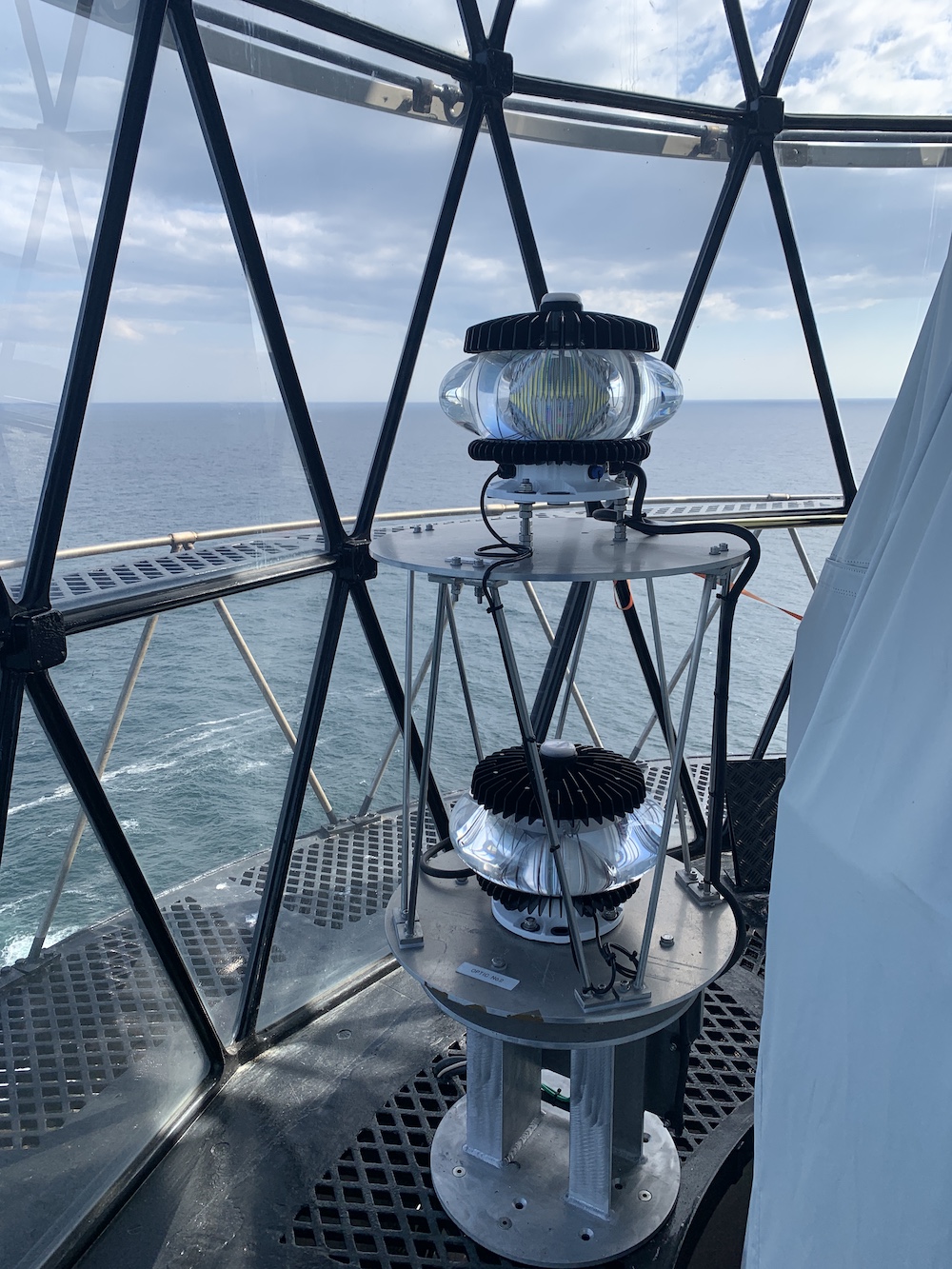
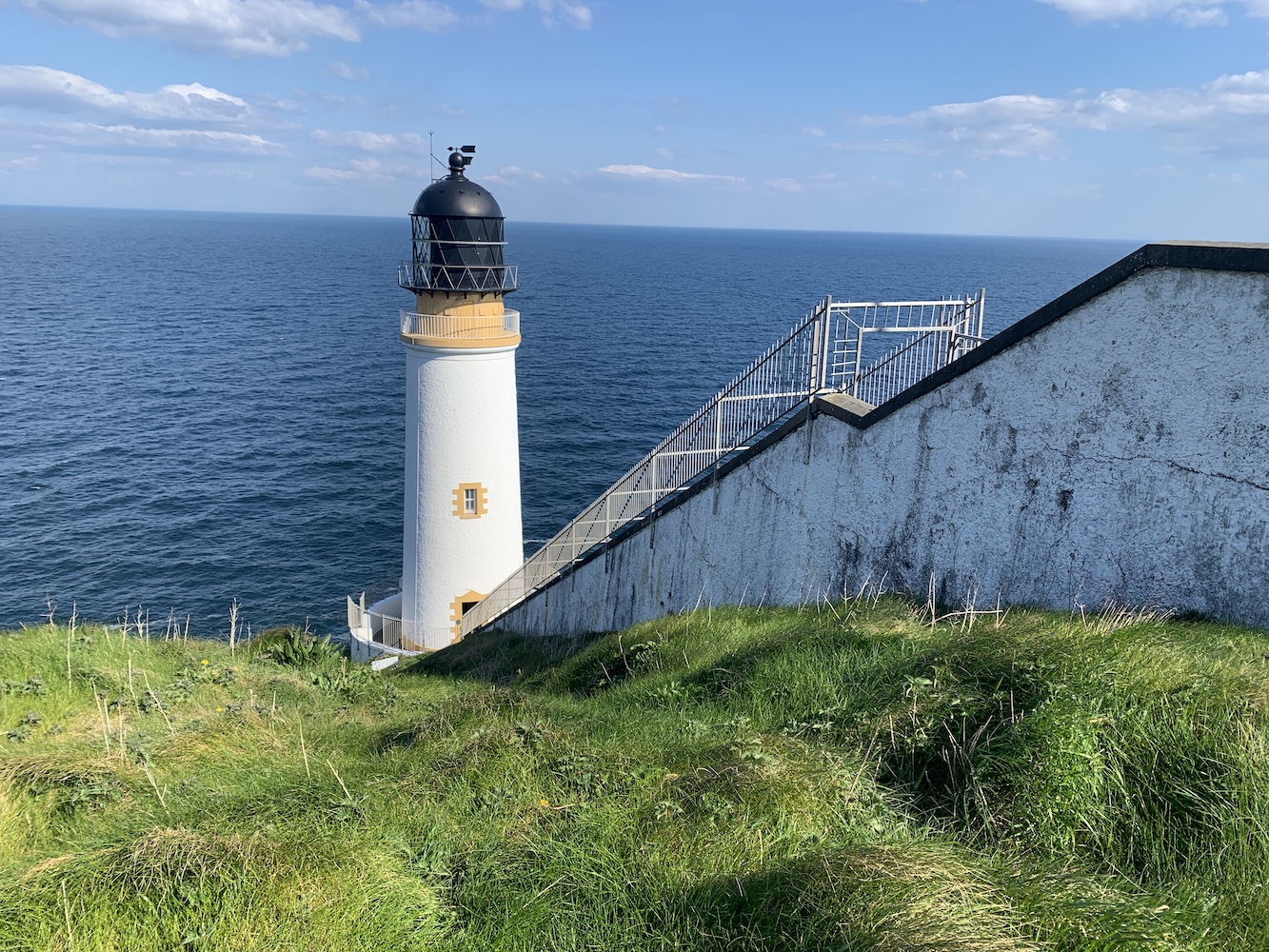
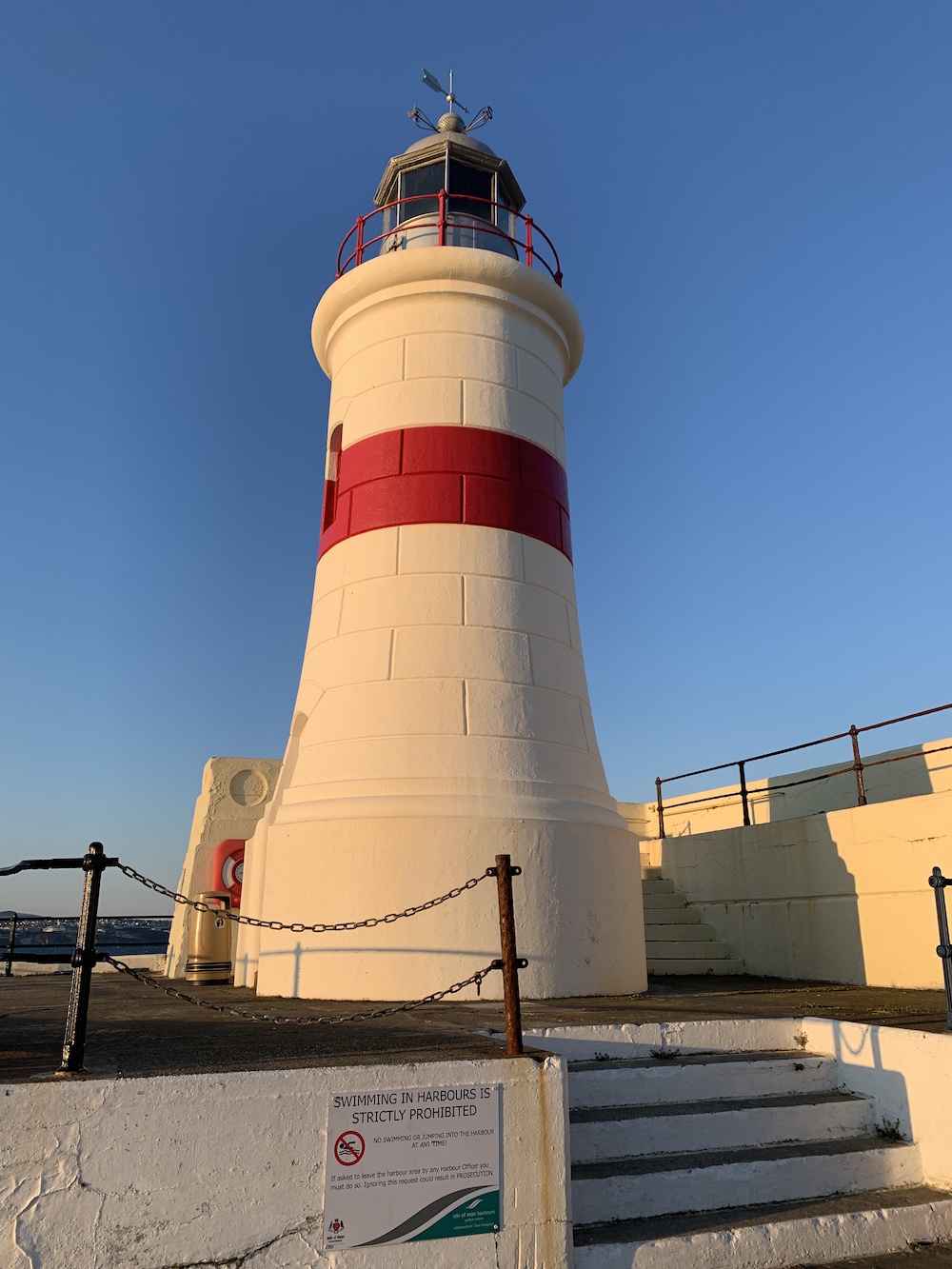
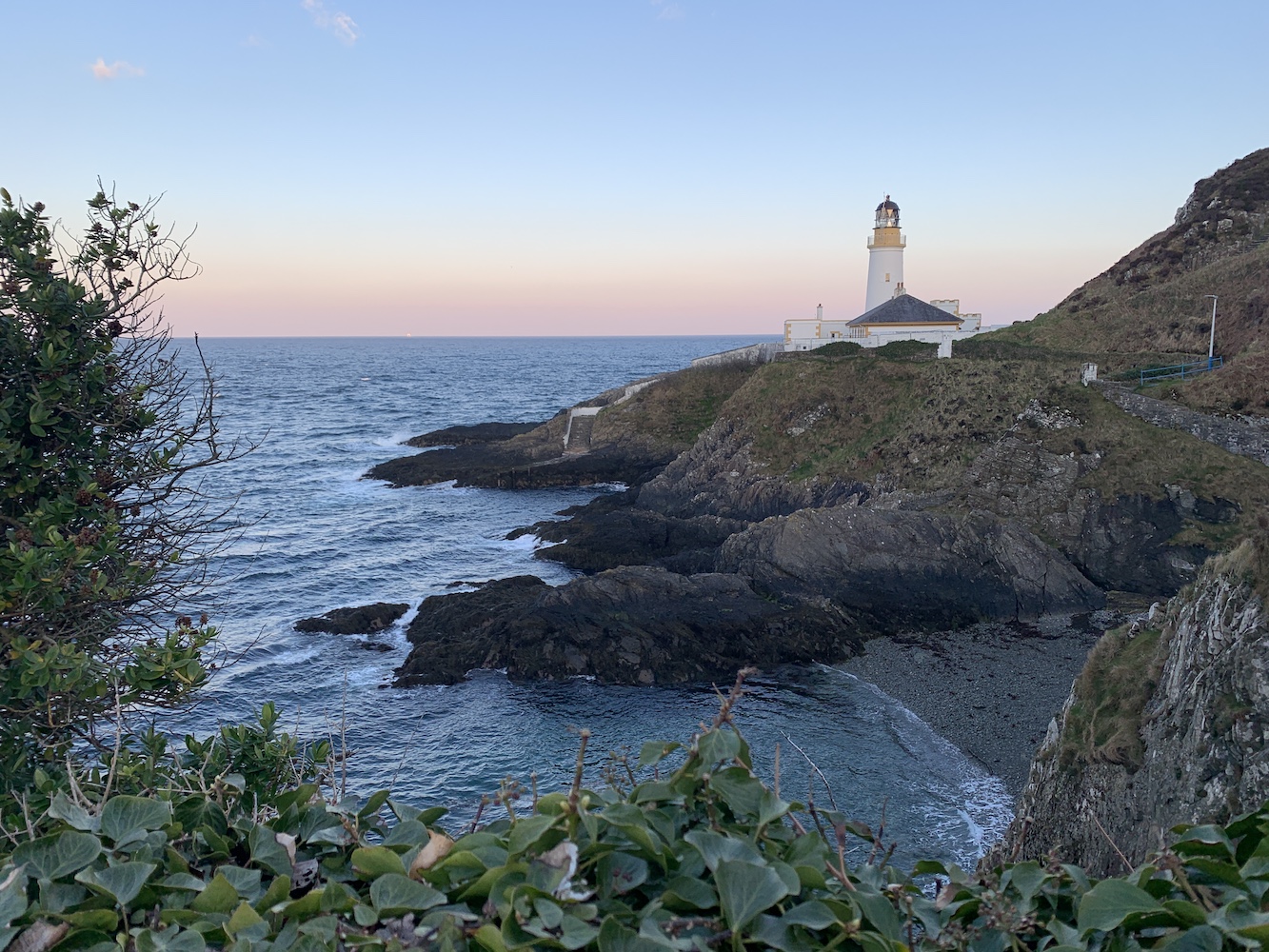
 uklighthousetour