The lights of the Humber Estuary and River Ouse

While in Hull for the Association of Lighthouse Keepers AGM weekend at the end of last month, it was the perfect opportunity to improve upon my previous efforts to visit the lights along the south bank of the Humber Estuary and the River Ouse. I’ll be honest, it wasn’t a day I was excited about, mainly because our first stop was Killingholme and I didn’t enjoy my last visit there.

I did try to approach it with a more positive view that perhaps I had just been tired that day or maybe it was the stress of constantly feeling like I was getting lost at roundabouts that made me enjoy it less. I was willing to give it another try. Almost immediately after arriving in the area I was reminded of the smell and then we encountered the approach road to the lighthouses and the feelings began to return again. Bob had remained positive about it until this point, but he’d not been there before. He was just enjoying all of the industrial scenery around, it seemed. When we reached the end of the road and arrived at the first of the three lighthouses I knew exactly why I didn’t enjoy the place.

Killingholme North Low
Killlingholme North Low lighthouse

The lighthouse next to the road is looking even worse than it did seven years ago and has even more damaged cars surrounding it. I’ve looked into the lighthouses here over the past year and found this website. It is the comments further down the page that tell of happier (and not so happy) times at the lighthouses there. There’s also an interesting explanation as to why the North Low light might be falling into disrepair. It sort of makes me more intrigued by the lights, but I’d read this before I went recently and I couldn’t get past the feeling of the place.

Killingholme High
Killingholme High lighthouse

Not hanging around for too long, off we went and the next priority was for Bob to go up a quick hill, not that there was much “up” involved. I waited in the car as I often do on these occasions.

The next stop was Whitgift, where I’d only seen the lighthouse from the road on my last visit. This time we walked right up to it. It’s quite a nice tower and much better maintained than some of the other smaller lights we’d seen. I don’t have a huge amount to say about it to be honest. I’m glad I’ve been closer to it now.

Whitgift
Whitgift lighthouse

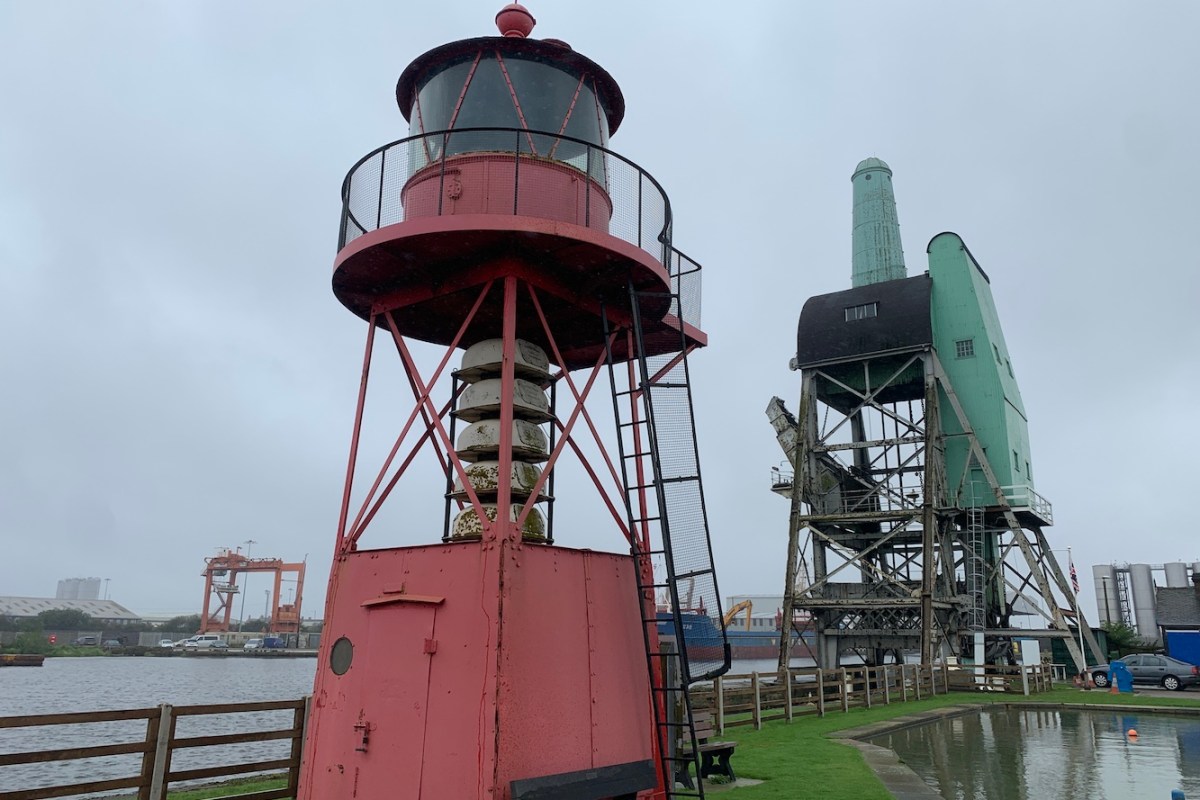
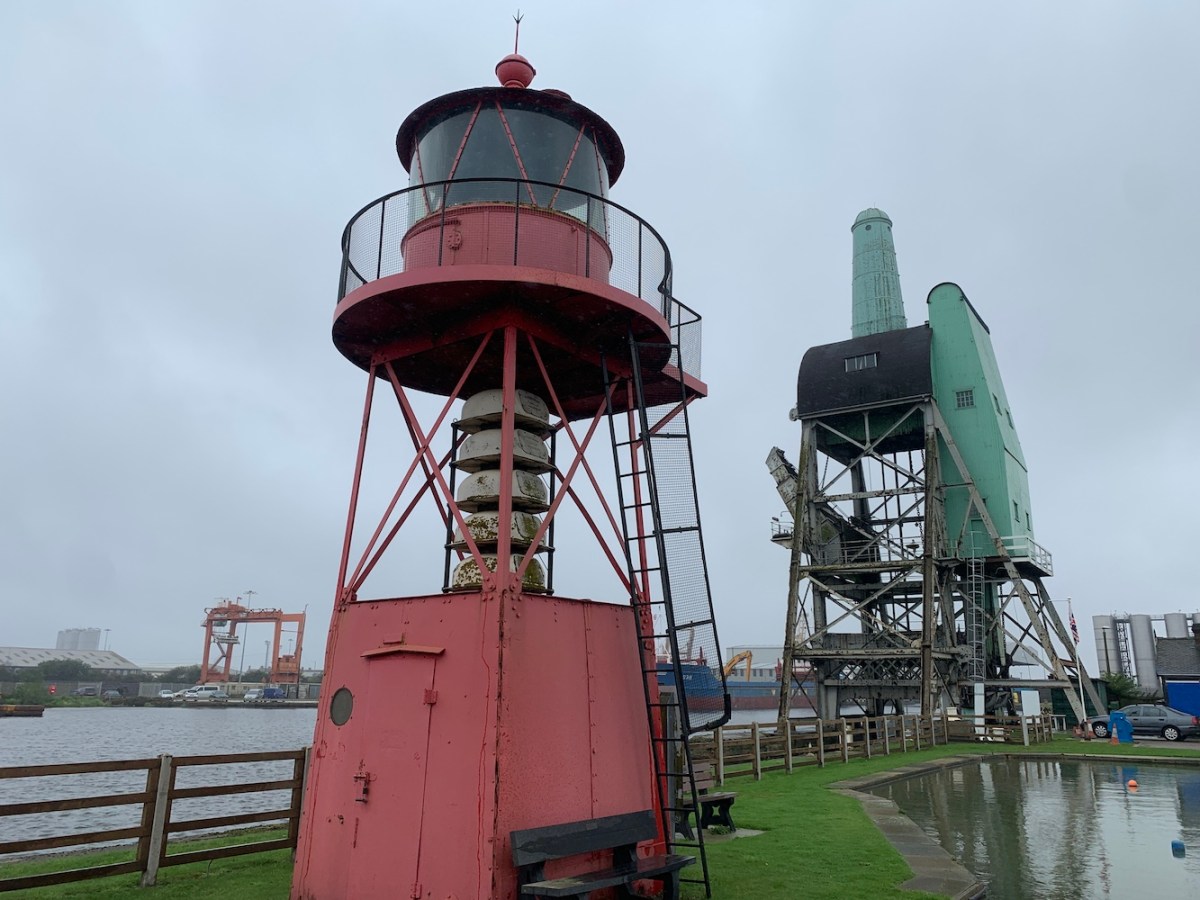
Now the next one I do have a bit more to say about and that’s the old River Ouse Apex light. I had seen this one through the fence back in 2012 and I’d also stopped at the nearby Yorkshire Riverways Museum in Goole, which had a nice cafe. On the way there this time though I discovered that the Museum actually closed earlier this year, which was a shame. We decided to still drive along though so Bob could see it, and I’m so glad we did. When we arrived the gate to the area the lighthouse is in was wide open, and who can resist an open gate when there is a lighthouse on the other side? We went in, but didn’t expect to stay long in case someone turned up and shouted at us.
River Ouse Apex1
The old River Ouse Apex light


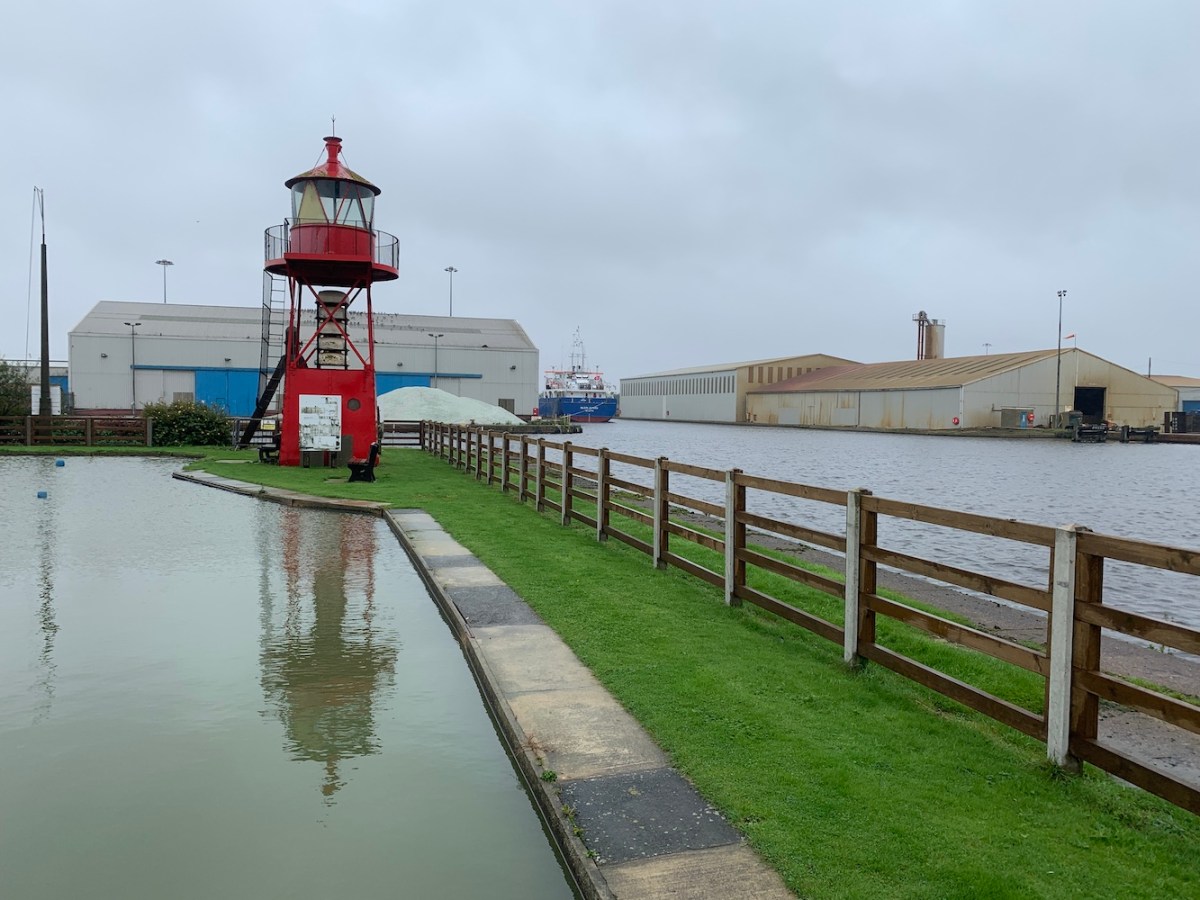
We’d been there a few minutes when a car drove in through the gate, the driver got out and it looked like he was locking the gate behind him. I mean, I love a lighthouse, but I didn’t fancy being locked in a compound with one! We spoke to the man and it turned out he wasn’t locking the gate, he had just closed it and was off to play guitar with a friend in the little building there. Phew, we weren’t in trouble! He said it was fine for us to wander around so we returned to the lighthouse feeling considerably more relaxed and taking a bit more time to check it out. Considering it’s no longer in use and not even in its original location it looks a lot better than some of the other active lights in the area. It’s a really interesting tower and I was so pleased we arrived when we did so we could get a much closer look.
River Ouse Apex2
River Ouse Apex lighthouse

The final stop of the day as we continued our journey north was Teesport. This area is not an easy one to find a lighthouse in as it is rather industrial. Thankfully through the research I carried out for my book, it was simple enough to find. There’s no public access to the tower itself, but we could see it through a fence. It’s a fairly understated and functional tower as you would expect in such an area.

Teesport
Teesport Front Range lighthouse

We spotted the rear light (which is incredibly tall) as we drove along the road on the approach to the lighthouse. It’s a long way back from the front light, hence the need for it to be as tall as it is. We didn’t linger here for too long as we felt that we were probably being watched by a number of security cameras and personnel, so we got some pictures and off we went, noticing the security car hanging around close by as we drove off. Clearly they aren’t used to lighthouse enthusiasts in Teesport!

A good lighthouse day, even if it wasn’t the most inspiring. When you do these things you need to accept that there will be some good days and some not so good days. Although this particular Sunday hadn’t been so enjoyable, the following day was to balance it out perfectly. More on than very soon! 🙂
In Yorkshire with ALK friends – part two

I’ve found myself encountering more and more lighthouses in various states of dereliction recently, and although you don’t necessarily get used to it, it’s no longer shocking in the way it was with, for me, Ailsa Craig. When I saw the state cottages there I found it so sad, but I’ve seen many like that and worse since then. It’s a very rare occurrence to see a vast improvement in the state of lighthouse towers, and often their associated buildings, when the light no longer shines from it. A couple of Saturdays ago I was to witness exactly this though.

I’ve been to Spurn once before, on my original 2012 tour, and I was excited to be going back there as part of the Association of Lighthouse Keepers (ALK) AGM weekend. I knew that it had changed a lot since my first visit and I was excited about going to what felt like an entirely new place. The two key changes that have occurred since my visit are that the tidal causeway leading out to what is essentially an island was washed away in 2013. When I was there before I drove out quite happily (I mean, I did nearly get my car stuck in the sand, but driving out and back was fairly uneventful otherwise), but now the only way to get out other then on foot or by bike is to join the Spurn Safari Unimog – a fantastic vehicle! Secondly, the lighthouse itself, while still recognisable as the same structure, has had the TLC it desperately needed. No more paint flaking off on the outside, and as a member of the public you can get inside it now and climb right to the top. The change is incredible really.

Spurn 2012
Spurn lighthouse in 2012

Yorkshire Wildlife Trust have opened Spurn Discovery Centre on the “mainland” side, and this was where we met that morning. They’d laid out plenty of lighthouse-related items and artefacts for us, they had videos playing and Spurn-related books laid out – and then there was tea and coffee. We knew we were going to be well looked after here!

Spurn Discovery Centre.jpg
Spurn Discovery Centre

Once we were all gathered we set off for the Unimog. It’s a monster of a vehicle, and I know I wondered if we would be going over big old boulders in it and bouncing about all over the place. It was actually good fun and there were a couple of times I thought we might topple over, but the people who drive these things at Spurn certainly know what they are doing. The only thing that made me feel a little uneasy was that one of the volunteers there had said to me the day before that every day there are noticeable changes on the way out there. I suppose it’s impossible to know a “road” fully if it is in a constant state of change. One of the things I found impressive is that there are a number of groins still out there, jutting up out of the sand. They don’t look in particularly good condition, but they are still there, and obviously were able to withstand the conditions in which the road was destroyed six years ago.

Spurn Unimog
Our chariot – the Unimog

We arrived safely at the lighthouse and parked up in the same place I’d parked last time. It was more overgrown than I remember it being with higher sand banks, but it could just be that I don’t recall it correctly.

Spurn lighthouse
Spurn lighthouse now

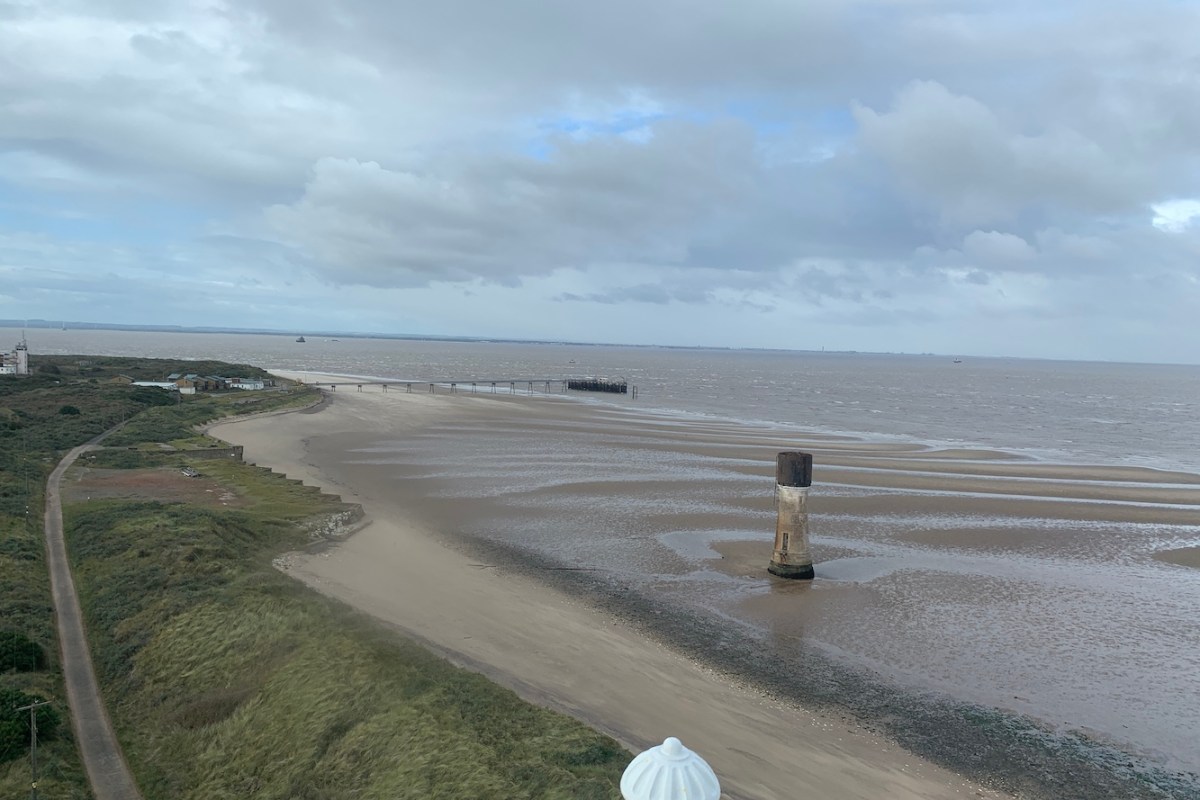
We all went on inside the lighthouse. I could go into great detail about everything in the lighthouse, but (a) I’m sure I would miss a few things, and (b) this post would become far too long. The amount of time and effort the team there must have put in is astounding. It’s all been so well done and each floor has something different to offer, from details of wildlife to be found there, to the geology of the area, and of course the process of restoring the lighthouse. Of course you are then treated to some wonderful panoramic views at the top of the tower. The lens isn’t there anymore, but that wasn’t a problem for me as it meant I could stand on the raised platform in the middle and see out, which I couldn’t have done otherwise. From here I was able to spot the older lighthouse tower on the sand (more on that in a bit).

View from Spurn lighthouse
The view from the top of Spurn lighthouse

There was a lot to fit into our short time out there so, when we left the lighthouse, we were taken over to the most unexpected part of our tour: some military underground tunnels and rooms. These have only very recently been uncovered and there has clearly, yet again, been considerable effort put into discovering what is there and making it safe for the public to go inside. The walls in one room in particular were covered in graffiti and in another was a collection of items found during the excavation work. It was amazing really and added an extra element of wonder and interest to Spurn. What a treat that was!

Spurn tunnels
The military tunnels at Spurn

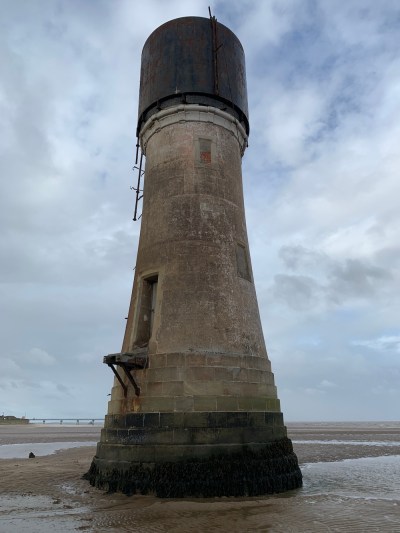
It was time to move on, so we left behind our hard hats and torches and continued along the track towards the RNLI buildings. On the way there, a few of us took a slight detour to go and get a closer look at the old lighthouse tower on the sand. Although it now boasts a not so fetching water tank on top, it is a beautiful tower. It once had the words ‘Explosive Magazine’ on the side and you can still see the remnants of this lettering half way up the tower. I wasn’t really wearing the most appropriate footwear for wandering out to it and my feet got a little wet, but it was so worth it!

Spurn low light
The low light at Spurn

We caught up with the others at the Lifeboat station. The original plan had been to have a tour of the station with the crew, but they were out on a call-out at the time so Andy from the Yorkshire Wildlife Trust gave us a bit of history of their work out there. The Humber Lifeboat crew are the only full time all-weather crew in the UK. There are a number of buildings around the station, which used to be the homes of the crew and their families until the families were moved off of Spurn in 2012, which was by all accounts a very sad occasion as they had formed quite a community there. The work they do out there is amazing. The crew are paid for the time they spend at the station, but as soon as a call-out comes in and they go out they become volunteers. At the ALK dinner that evening the Coxswain, David Steenvorden, gave an incredible talk about his life in the crew, which was a real eye-opener. To hear his stories after being there that morning was wonderful.

Humber RNLI building
The Humber Lifeboat station

We left Spurn in the rain, but with a feeling of having been somewhere really special. Recently I’ve found that returning to places has uncovered new details and points of interest that I missed the first time around. I knew Spurn would do just that, but it went beyond that. It was like being there for the first time as I’d not appreciated it anywhere near as much as I should have done on the first visit. I felt very calm as I left Spurn – so much so that I nearly fell asleep in the Unimog!

That afternoon was the AGM and it was particularly important for me (aside from my events duties) because I had copies of my book there to sell and everyone seemed excited about it. The most important bit though was being able to hand over a copy each to a couple of people who had helped so much with it. The first was Ian, a former keeper on the likes of Skerryvore, Duncansby Head and Sanda. He’s been mentioned a few times in my blog over the last year and was one of the first ALK members I met. He checked over the dates and designers for my book (as well as various other things he picked up on in the final draft). The second was John, my flat-pack partner in crime, who has also had a few mentions on here. John helped to make the book so much better than it would otherwise have been and was the person I called upon to discuss the details of lights of all shapes and sizes. I’ve thanked him countless times, but feel he needs regular reminders of just how grateful I am. Thanks you two!

Books
John and Ian with their copies of the book

Well, that was the end of another ALK AGM and what a great weekend it was. Going to two places that are both fairly accessible was good fun, but the experience of sharing it with others who appreciate lighthouses as much as I do is invaluable. Many of them feel like old friends already because I have communicated with them so much over the past year. All I can say is bring on next year’s event! 🙂

In Yorkshire with ALK friends – part one

Last year I took on the role of Events Coordinator for the Association of Lighthouse Keepers (ALK) as part of their wonderful and newly-formed events team. The key event in the ALK calendar is their AGM, which is a weekend of lighthouse-focussed activities as well as the meeting itself and a dinner. This year’s event took place last weekend and we based ourselves in Hull.

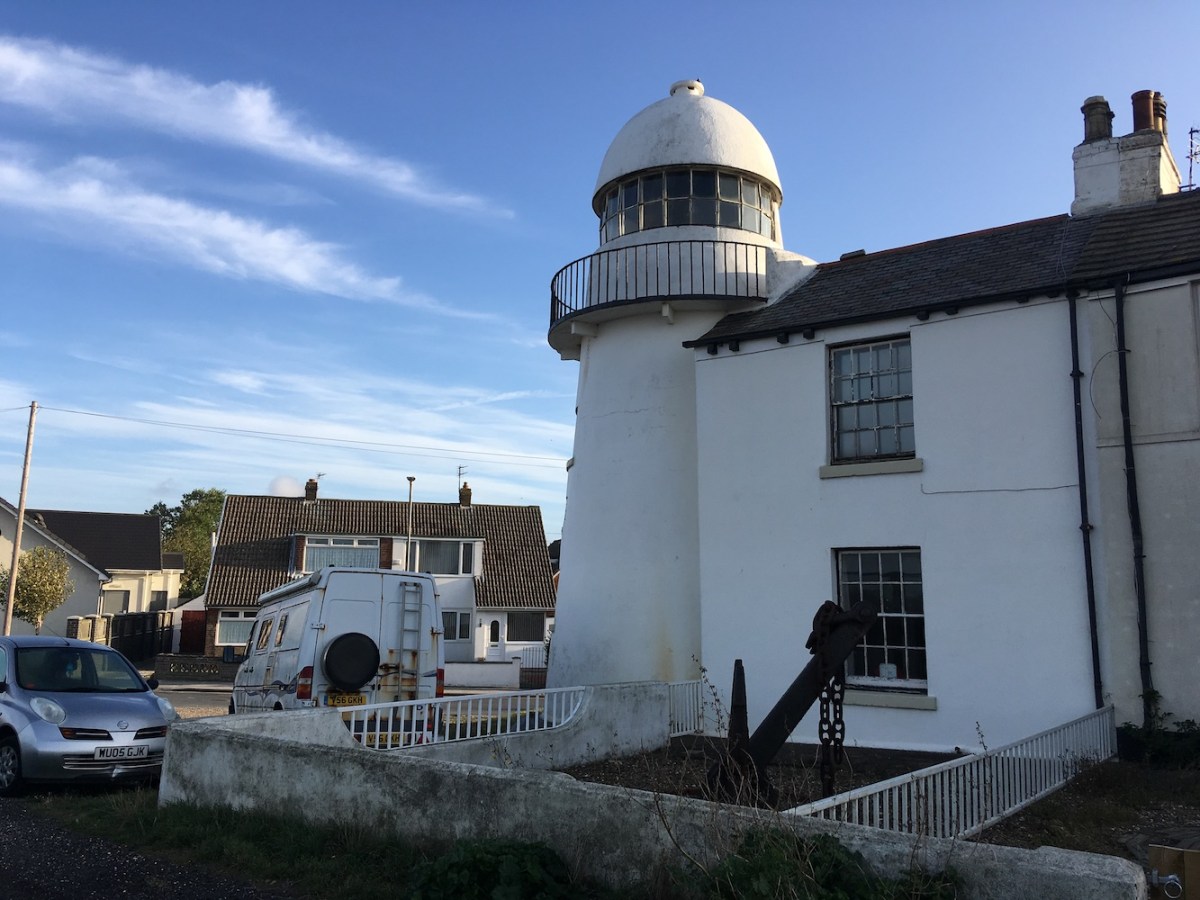
The fun began early for us on the Friday. We were due to be at Withernsea lighthouse that morning, but felt the need to cram in a few lighthouses on the way there. The real reason was that I needed a closer look at the two lights at Thorngumbald after my rather lazy visit last time! Of course we couldn’t pass through Paull without stopping to see the lighthouse there. As far as I could see it’s not changed significantly since my last visit. It’s a private residence now, and a rather nice one too – if you could cope with living in a building that is said to be haunted! This lighthouse was built in 1836, but switched off in 1870 when the sand banks in the area had moved to such an extent that the two lights at Thorngumbald were introduced.

Paull
Paull lighthouse

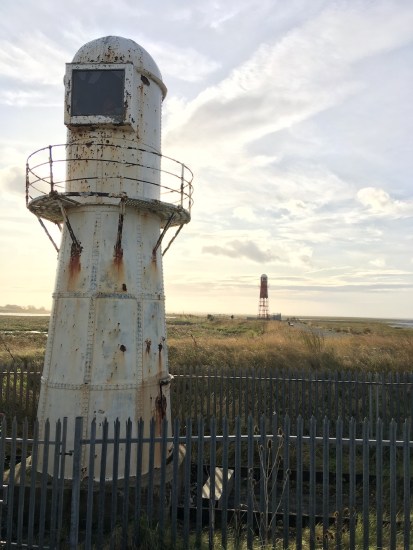
The pictures of the Thorngumbald lights from my first visit to the area I had described as “Where’s Wally” as they were taken from a fair distance away. But I was prepared this time for reaching them. The only hurdle came when the area that you would normally drive along to park was being dug up. So we ended up parking near a gate with a sign that said “No parking” on it. The alternative would have been walking from Fort Paull, but that was closed so we really had no choice. Anyway, it was a nice stroll along to the lighthouses. They are in a pretty bad way.

Thorngumbald low
Thorngumbald Low with the High light in the background

Both lighthouses are listed buildings, but are in desperate need of some love and attention these days. The low light, interestingly, used to be moveable to adjust the line of the leading lights as the sand banks altered. You can still see the remains of the tracks, but it’s not moveable now. The lights are both still operational, but you wouldn’t think it to look at them.

Thorngumbald high
Thorngumbald High lighthouse

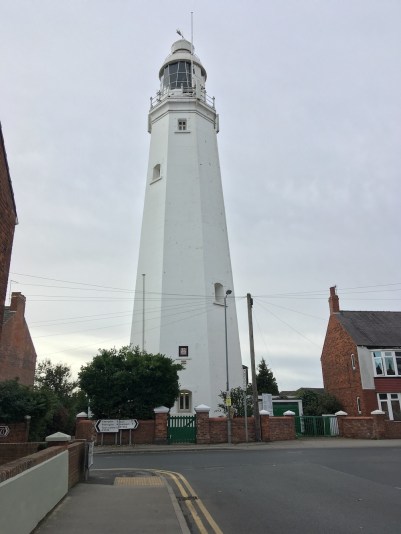
Onwards we went for our first official stop of the day: Withernsea lighthouse. Although Withernsea is open to the public I’d not managed to get inside before so I was looking forward to this one. While we waited for the lighthouse to be opened we popped into the little art gallery at the back, which contains locally produced art work. There’s some great work in there. It’s really interesting seeing the different ways people depict local scenes. The lighthouse building looks quite big from the outside, but when you get inside you realise just how big it is. Once inside, everywhere you look there is something to see. From the entrance area and shop to the local history and Kay Kendall museum to the cafe right at the back… and that’s without even entering the lighthouse tower itself.

Withernsea
Withernsea lighthouse

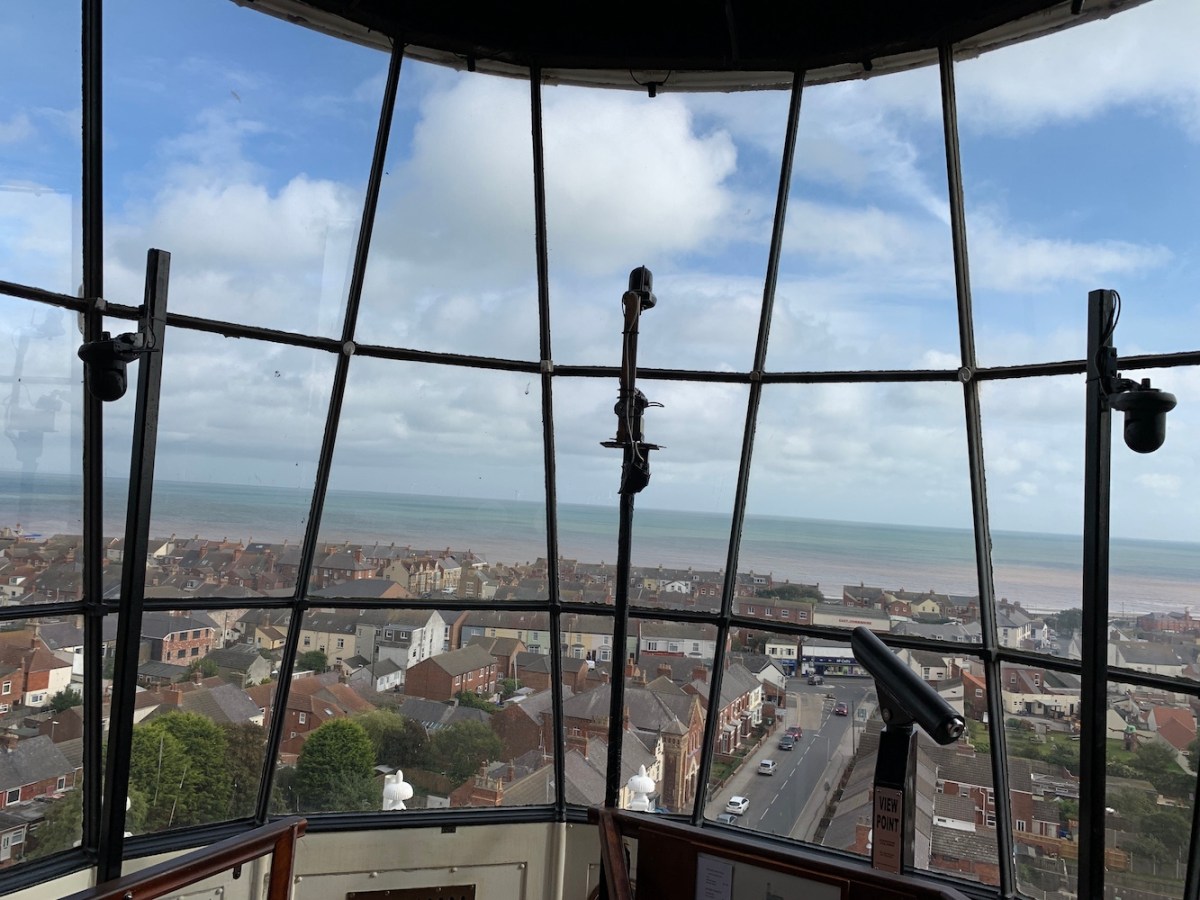
The tower is beautiful with the spiral staircase adorned with various flags. The base of the tower holds RNLI and lighthouse artefacts and as you near the top of the lighthouse there are some display cabinets with more lighthouse-related items. Included here are some exhibits on loan from the Association of Lighthouse Keepers that originated in Withernsea, which was nice to see. The views from the top of the tower are very unusual for lighthouse views, you don’t expect to see houses and cars in every direction, but that’s certainly what you get at Withernsea. It’s a unique place and can probably only really be likened to Southwold in terms of location. The people there are really friendly and speak so fondly of their lighthouse. It’s well worth a visit – especially when it’s so easy to get to!

Withernsea view
The view from the top of Withernsea lighthouse

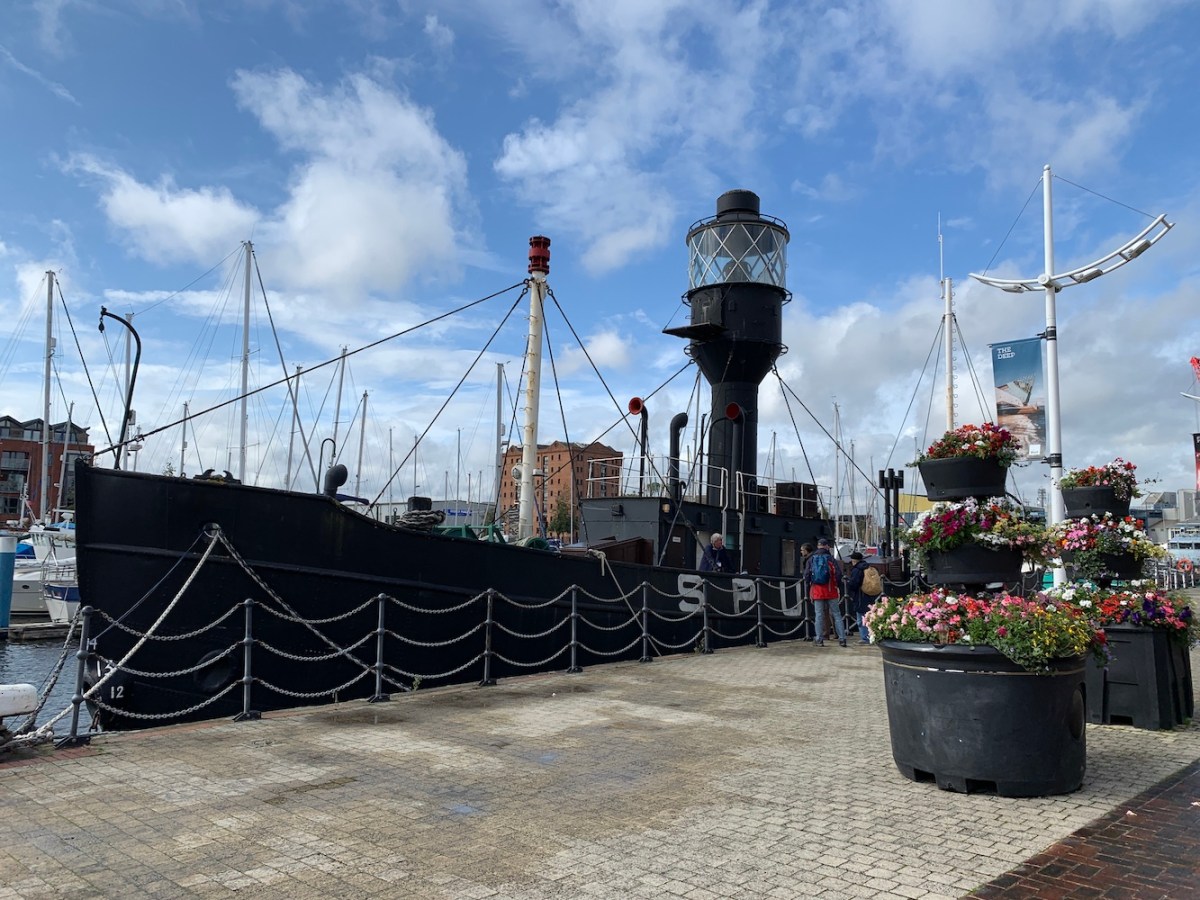
That afternoon tours had been arranged of Spurn Light Vessel, which is currently moored in the Marina in Hull. Although it is currently officially closed to the public my fellow events team member had managed to organise access. I’d seen this one when I passed through Hull on the way to Paull etc. in 2012 – although it was moored in a slightly different place within the Marina then (I recall parking illegally for a short time to take a picture of it). I’d not been on a light vessel before so was quite intrigued to see where the people would have lived while manning it.

Light Vessel
Spurn Light Vessel

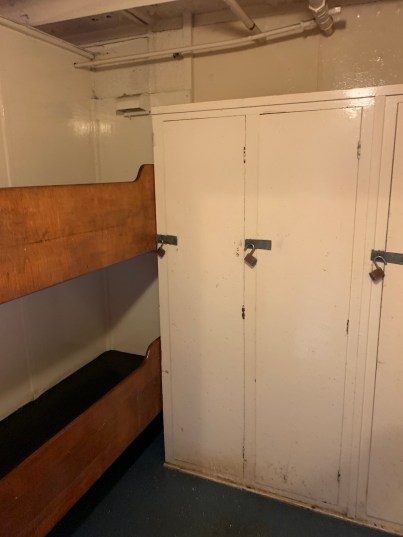
It’s cosy on board to say the least. What a life they must have had! When you take into consideration the limited space and the fact that they would have been rocking and rolling about too, it’s not the sort of life I would have chosen. At least as a lighthouse keeper you were on solid ground. One of the other ALK members there raised a point that I’d not thought about before and that was what it must be like to be out there on a light vessel when the tide changes. Frightening! There are a few rooms including a bathroom with an interesting bath and a fairly cramped bedroom. I admire anyone who could cope in those conditions because I certainly couldn’t.

Light Vessel bedroom
The bedroom on Spurn Light Vessel

It was a real insight into something I’d not given a lot of thought to before, and I certainly have a new-found appreciation for light vessels and, in particular, those who served on them. Hopefully it will be open to the public again very soon and when it is, if you are passing, be sure to stop off and take a look around. 🙂

Exploring in Blyth and North Shields

Last weekend was the Association of Lighthouse Keepers AGM in Hull and it was, of course, essential that we make the most of the journey down by visiting a few lights I still needed to stop off at.

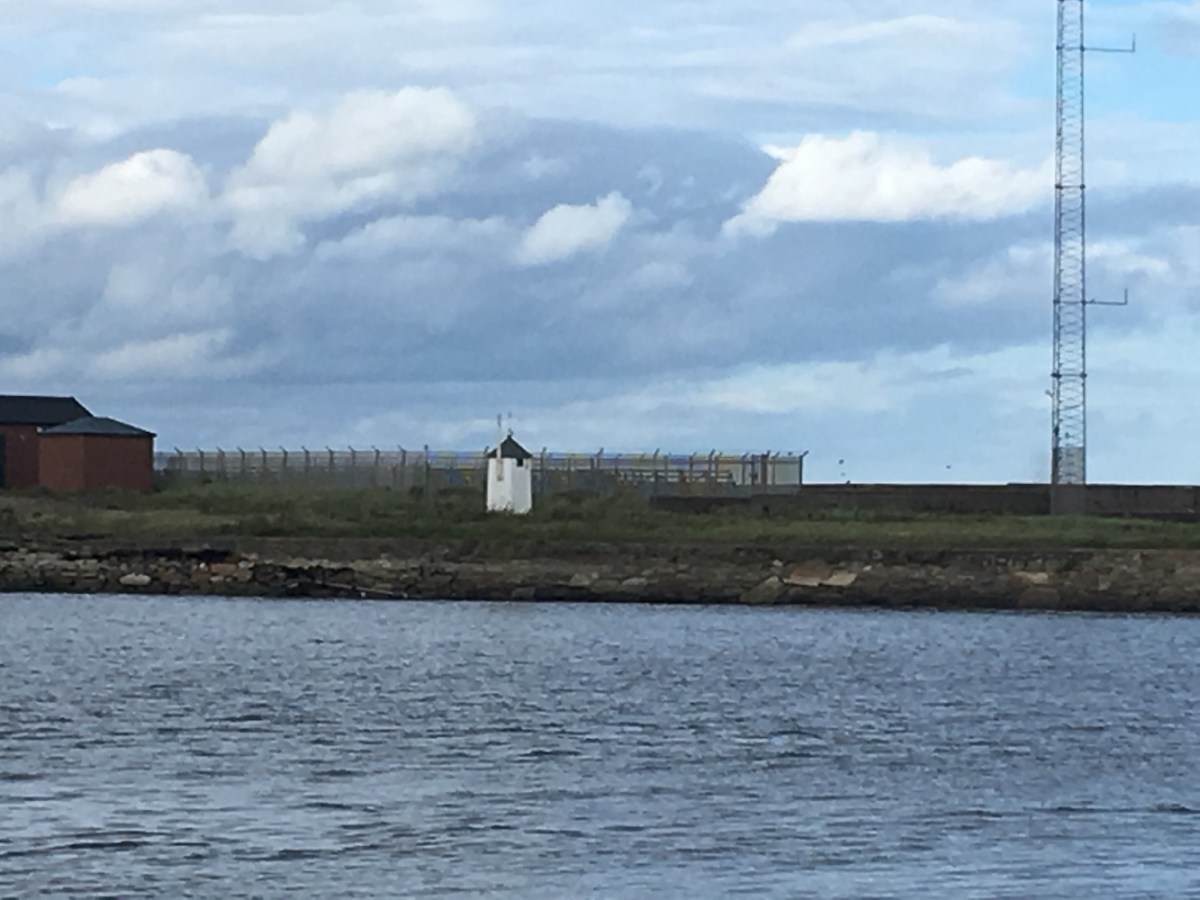
The first of two stops for the day was Blyth. I’d not been back to Blyth since day 8 of my original lighthouse tour back in May 2012 when I’d seen the old high lighthouse and the light on the end of the pier. I’ve actually just found this page, which shows some old images with yet another lighthouse marking the entrance to Blyth harbour, which no longer exists. What I hadn’t realised on my previous trip was that there was in fact a third light in Blyth and that was the reason for this visit. The little white tower can be seen from the opposite side of the harbour on Quayside, which is where we originally saw it from. In fact, I’d not informed Bob of the situation in Blyth and there was me gazing at a tiny white tower while he spotted the lighthouse on the end of the pier and thought I was going mad looking at completely the wrong thing! Bob suggested driving around to the other side of the harbour to see if we could walk along to the lighthouse. It’s looked like there was an industrial area fenced off so I wasn’t sure if there would be access. There was only one way to find out.

Blyth Lower Snook distance
Blyth Lower Snook from a distance

It wasn’t exactly a quick drive to get there as we needed to head back inland, drive north to East Sleekburn and then around. When we got there we still weren’t sure as the fencing was quite high, but it did appear that people had been walking around the outside of the fence. Off we set following that track and it was clear fairly quickly that the area was not out of bounds and we were soon approaching the little light. It’s not the most fantastic of lighthouses, but it does have one thing that makes it stand out a bit (and finally won Bob over) was that it has a fixed blue light shining out of it. There is a tall framework glorified post a little way back from it, which also features a fixed blue light, hence why this little one is called the “Lower” Snook light. It’s a nice little one and I’m pleased we took the time to get to it. Funnily enough, as we walked back to the car, we realised there was a gate in the fence that you could walk through so certainly no restrictions on access by foot.

Blyth Lower Snook
Blyth Lower Snook with the rear range light visible in the background

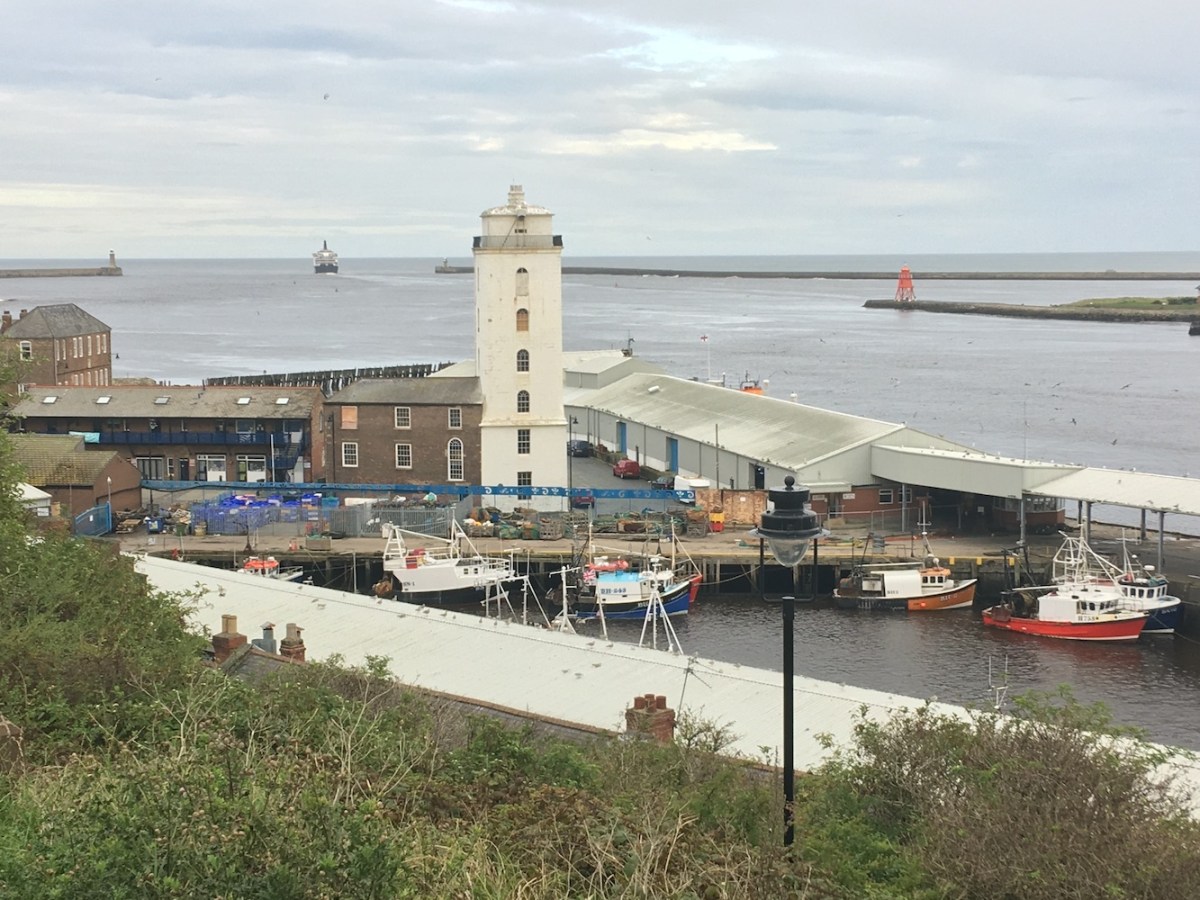
Our second location for the day was North Shields. I’d been rather lazy with the two white towers here before and only seen them from South Shields. I’d also been informed a number of months ago by a good friend that there are actually four lighthouses in North Shields, which somehow had initially escaped my attention. None of the four are operational now so they all have rather confusing names. So there’s the Old High Light, which is now a private residence on the corner of Beacon Street! There is a plaque on the tower that says: “Since 1536 Trinity House, Newcastle has built several leading lights in North Shields. This one was constructed in 1727. Following changes in the river channel it was replaced in 1807 by the New High Light.” It must be a wonderful place to live with views across the harbour and then on to South Shields.

Old High Light
North Shields Old High Light

The people living nearby obviously have a great affection for lighthouses, being able to see so many of them from their location (Tyne Entrance North and South, Herd Groyne and the three other North Shields lights). They have model lighthouses in their gardens and lighthouses on the glass panes in their front doors.

Lots of lights
The many lights of North and South Shields and the entrance to the Tyne

Just along the road from this one is the New High Light. This one is also privately owned now and really well looked after as far as I could see. It has 1808 on the front wall of the tower and a beautiful plaque that explains that it was rebuilt in 1860. Another one with commanding views across the river and out to sea.

New High Light
North Shields New High Light

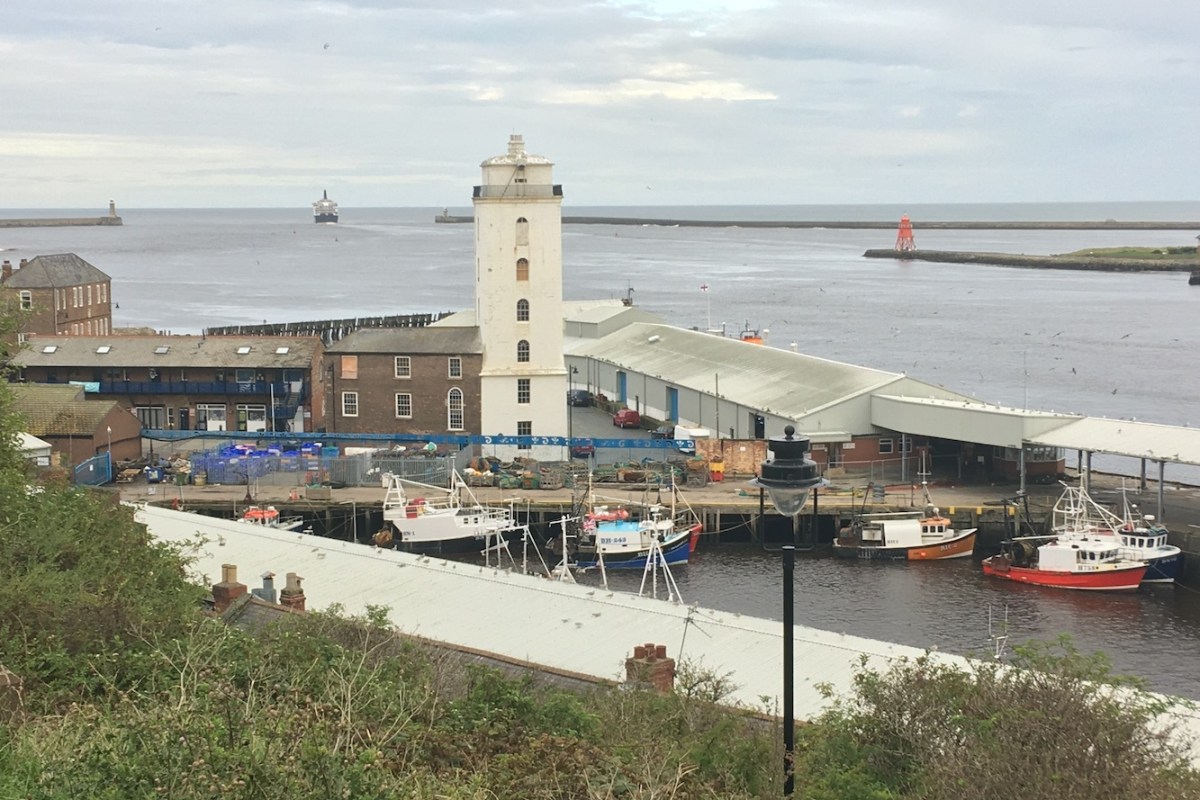
Down in the harbour area is the New Low Light, a twin of the New High Light. This one bears a plaque saying: “The new Lighthouse and Keeper’s house were erected in 1808-10 by the Master and Brethren of Trinity House, Newcastle, to replace the Old Low Light. It still serves as an important navigational aid to vessels entering the river.” That’s not entirely true anymore as it no longer bears a light, but still nice to know the history.

New Low Light
North Shields New Low Light with the Herd Groyne light in the background

Just around the corner from this one is the Old Low Light, which looks the least like a lighthouse of all of them. The plaque on this one says: “Built inside Clifford’s Fort 1727-33 and extended 1775. It’s white gable was painted black and its light window blocked to obscure it as a navigational landmark when converted to Almshouses in 1806-8.” This building is now still known as the Old Low Light and houses a heritage museum and community centre. Unfortunately we were too late to go inside this time.

Old Low Light
North Shields Old Low Light

North Shields (and South Shields for that matter) are really interesting places in terms of lighthouses. Plenty to see there. Before we continued our journey to Hull, we had an amazing dinner at The Staith House close to the Old Low Light, which features plenty of interesting decor including pictures of the nearby lighthouses and nautical maps of the area on the walls. It had been a great day and really interesting to explore a couple of areas I’d previous visited in haste in a bit more detail. 🙂