The Belfast ALK AGM – eventually

Since Autumn 2018 I have been organising trips for the Association of Lighthouse Keepers (ALK). The first year went relatively well, but as you can probably imagine March 2020 did it’s Covid-y thing and put a stop to such events. Prior to that I’d been working away on the ALK’s Annual General Meeting weekend, which always comprises far more than just a meeting. We’d got the go ahead to proceed with Belfast as the location for 2020 and suddenly the brakes went on and rescheduling for 2021 became necessary.

Fast forward a year and we faced another period of uncertainty with on/off restrictions and Covid cases still high. Recognising the importance of keeping everyone safe it was again agreed to postpone for a year.

At the time it meant much less work, that’s for sure, but time passes so fast these days that it wasn’t long before connections needed to be re-established, bookings confirmed and details shared.

To say Belfast was an ambitious location for the AGM would be something of an understatement. With around 70 members signed up and transport and a ferry to be arranged for most there was a lot to do. Establishing some kind of relationship and trust with Irish Lights was important too. As a result, this post will be a bit different and hopefully give an insight into the trials and tribulations of event planning!

The first day was reserved for the formal meeting and dinner, although I did get a quick visit to Greencastle in with Bob, Steve and Lianne to see Haulbowline Lighthouse in Carlingford Lough. It’s always one that’s so close, but still too far away.
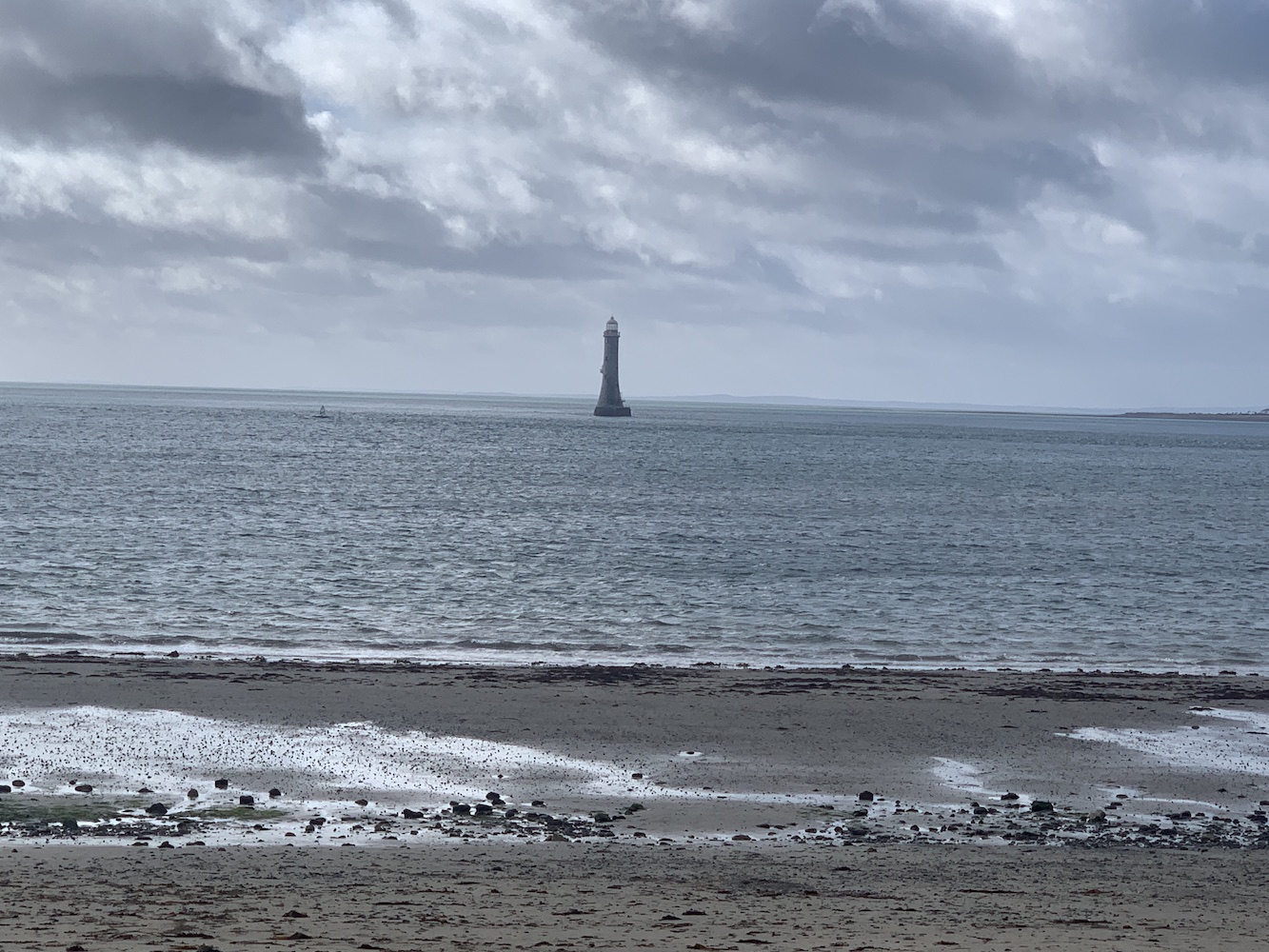
Haulbowline Lighthouse in Carlingford Lough

Between the meeting and dinner I joined other members as we went to take a look at the ‘Great Light’ on the Titanic Walkway. This hyper radial lens was previously located at the top of the Mew Island Lighthouse tower, casting its incredibly powerful light over the sea surrounding the east coast. It’s really very impressive and is surrounded by plenty of lens-related information.
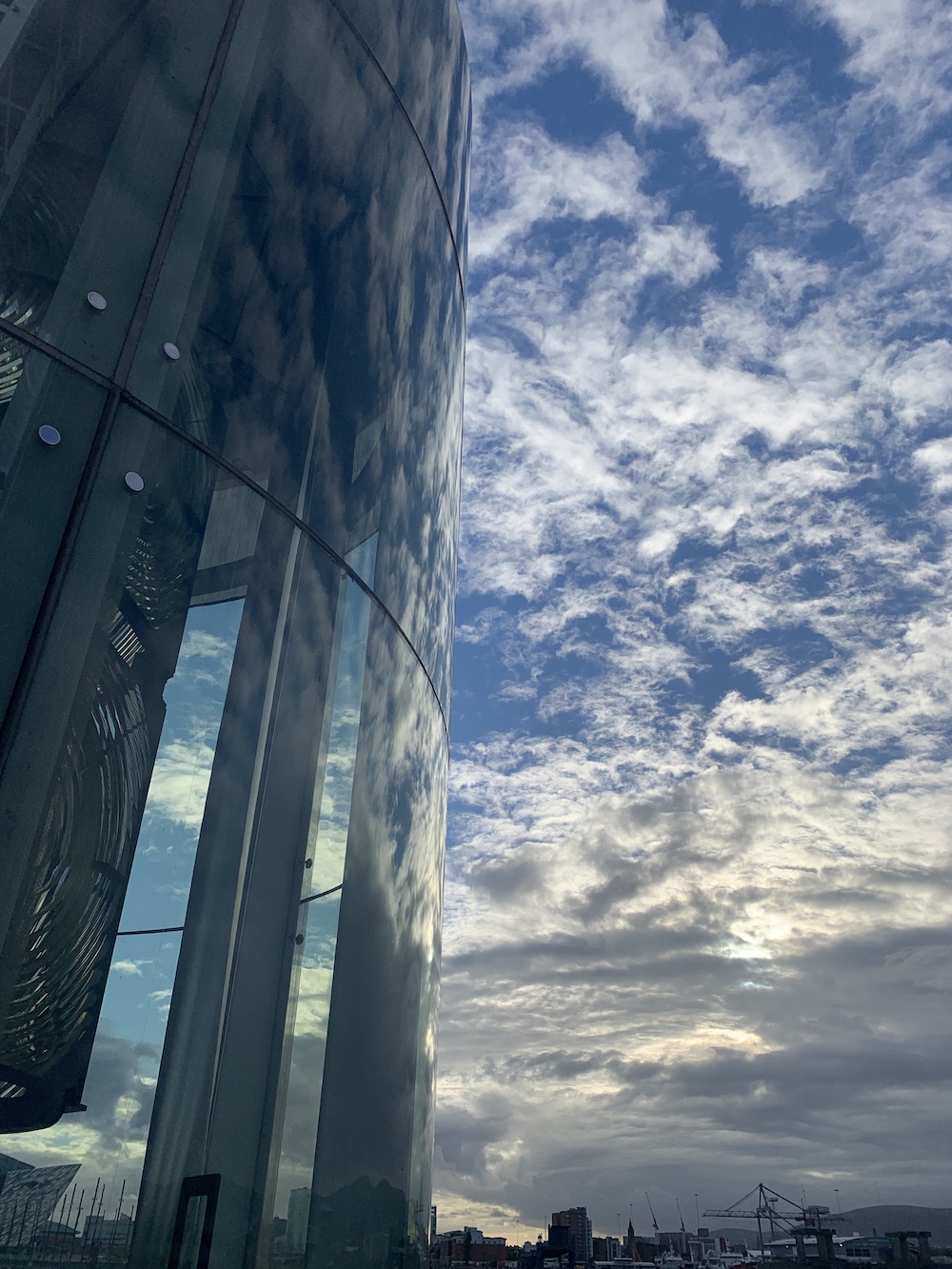
The Great Light in the Titanic Quarter

On the second day we all gathered at the wonderfully picturesque town of Donaghadee, arriving in two separate parties so as not to inundate the place in one big go. I’d organised boat trips for the groups to head out around Mew Island to see the lighthouse there – the former home of the lens seen the previous day. The boat trip also gave some views of the old lighthouse in the Copeland Islands group which is now in ruins.

Mew Island Lighthouse

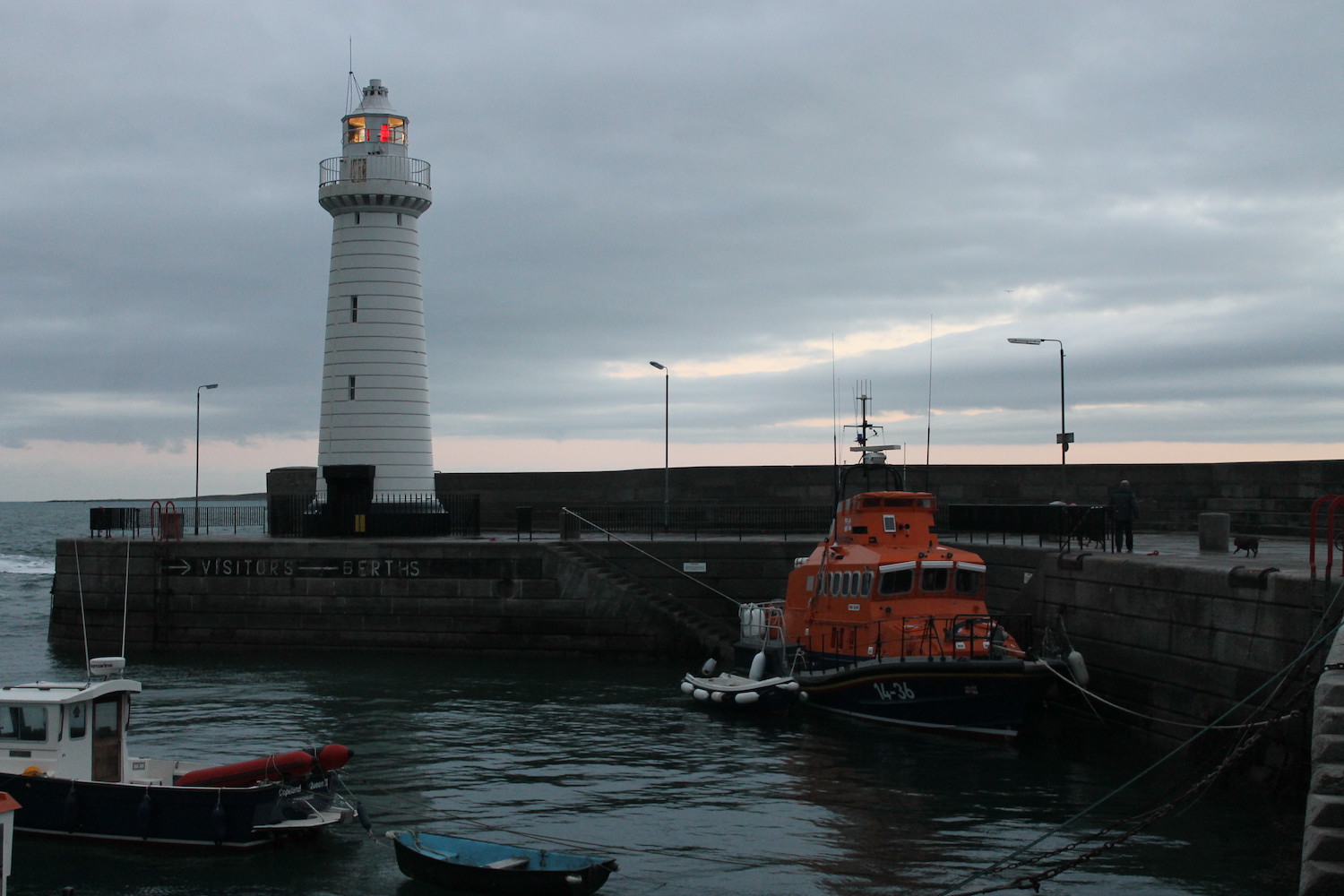
The local attendant along with Irish Lights area manager opened up the harbour lighthouse for us there. Harbour lights are generally pretty small, but Donaghadee is an exception. It’s bright white exterior and horizontal band detailing gives it a really unique look. Being the organiser I was the last to go up the lighthouse and managed a private tour of my own when all the others had disappeared off to explore Donaghadee a bit more.
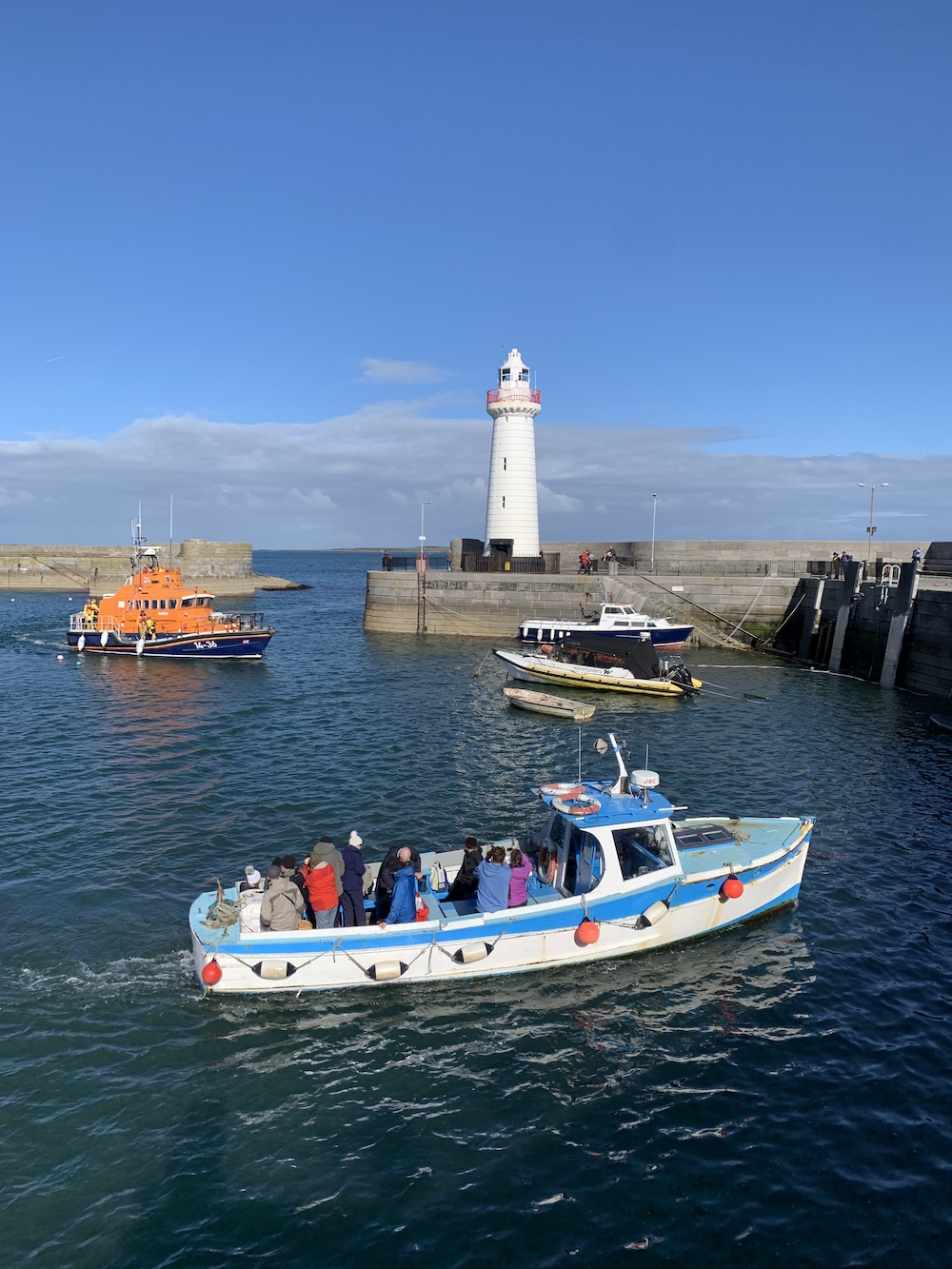
The lifeboat, our Mew Island boat and the lighthouse in Donaghadee
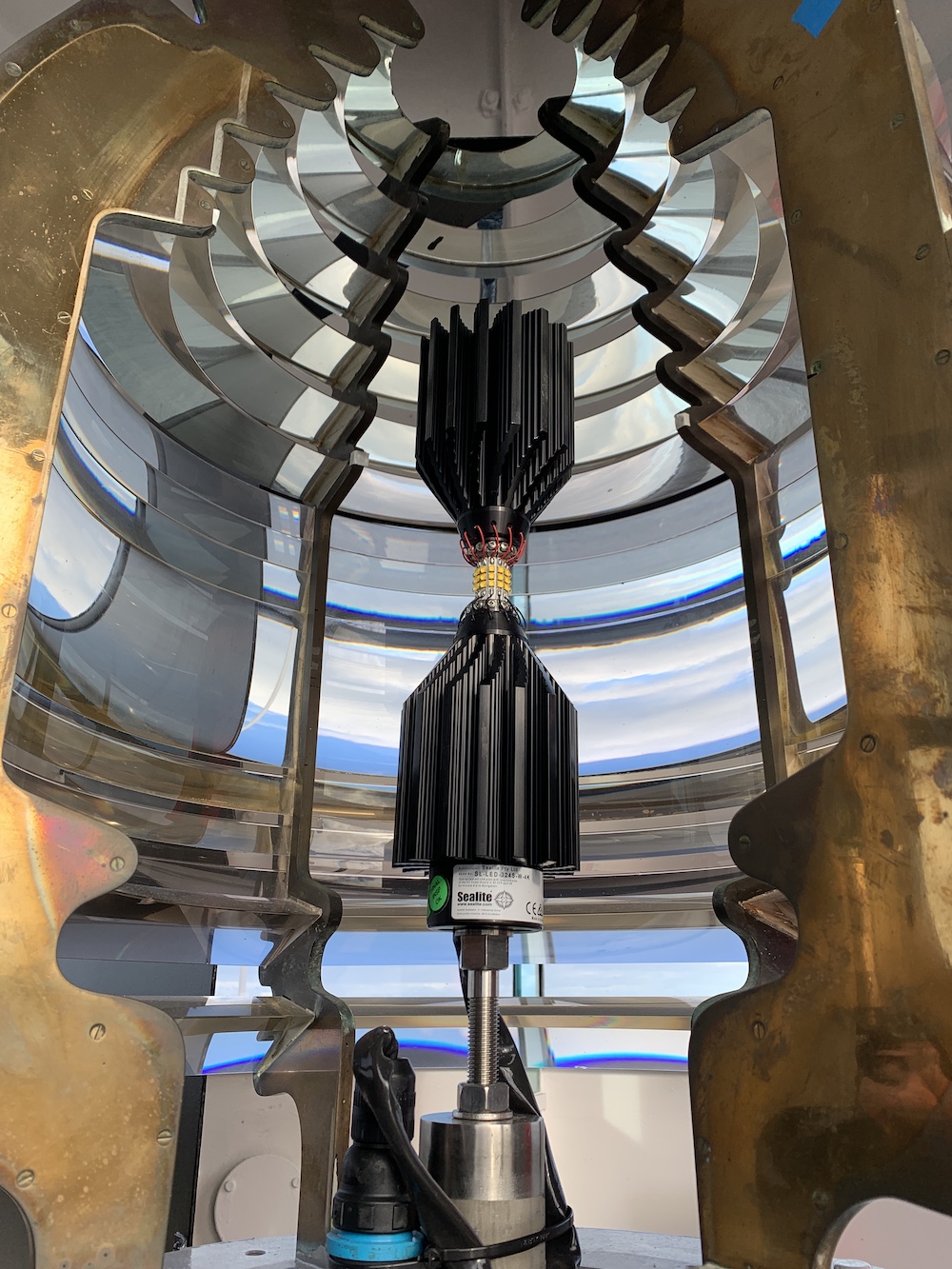
The LED and lens inside Donaghadee Lighthouse
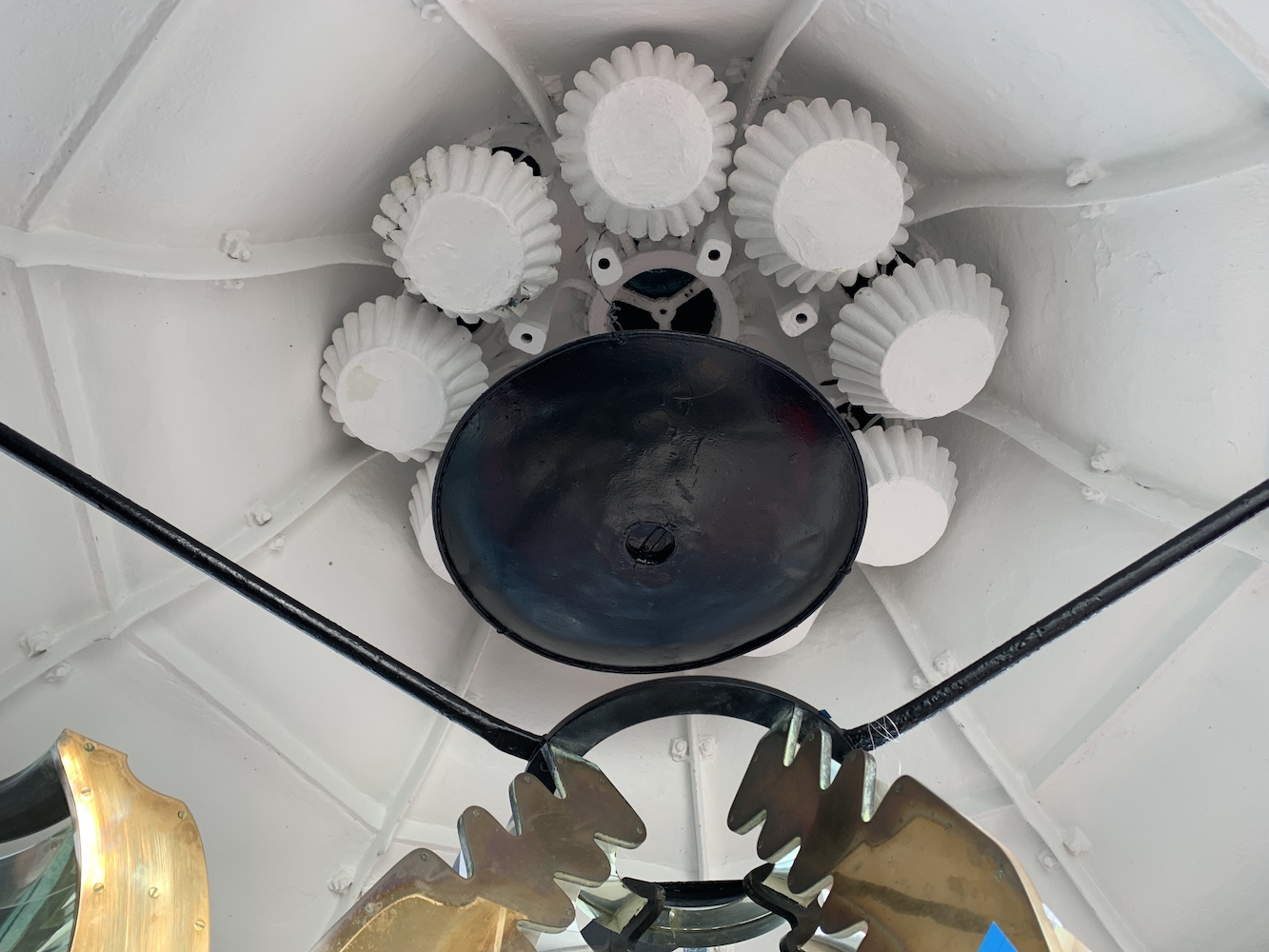
The interesting ‘cupcake cases’ at the top of Donaghadee Lighthouse

The RNLI team in Donaghadee had very kindly opened up their station for us to look around and also provided tea and coffee. Among the ALK membership there are also a number of Lifeboat enthusiasts so this went down rather well. They were great hosts too.
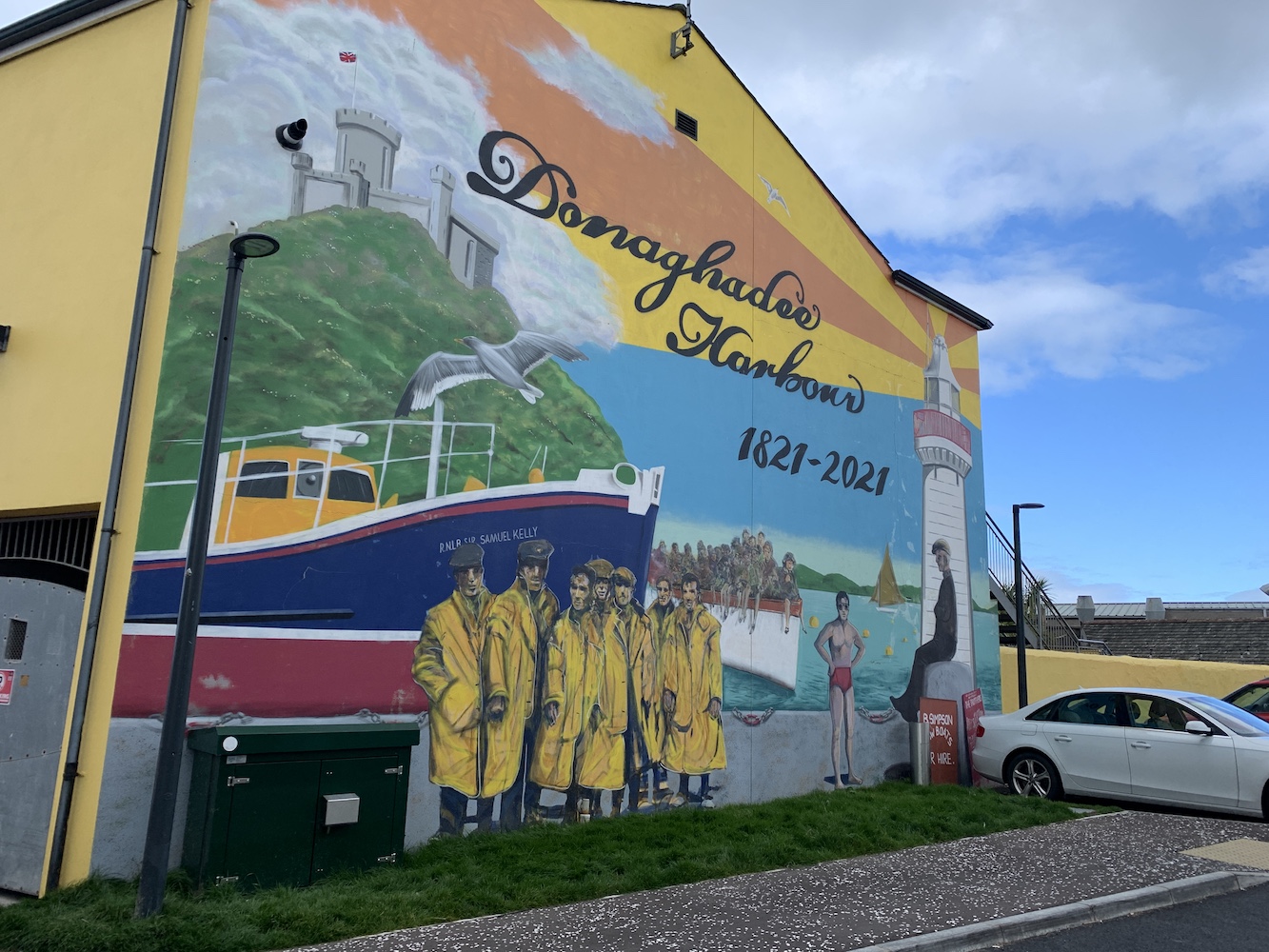
An excellent mural close to the Donaghadee Lifeboat station

It became clear quite early on that the boat trips around Mew Island were running late so it wasn’t a surprise when the boatman announced he wouldn’t be able to take the last group out due to the fading light. After a moment of panic I worked out a solution with the boatman which meant the final handful of ALK members went out the following morning instead. Just one of perils of event organising!

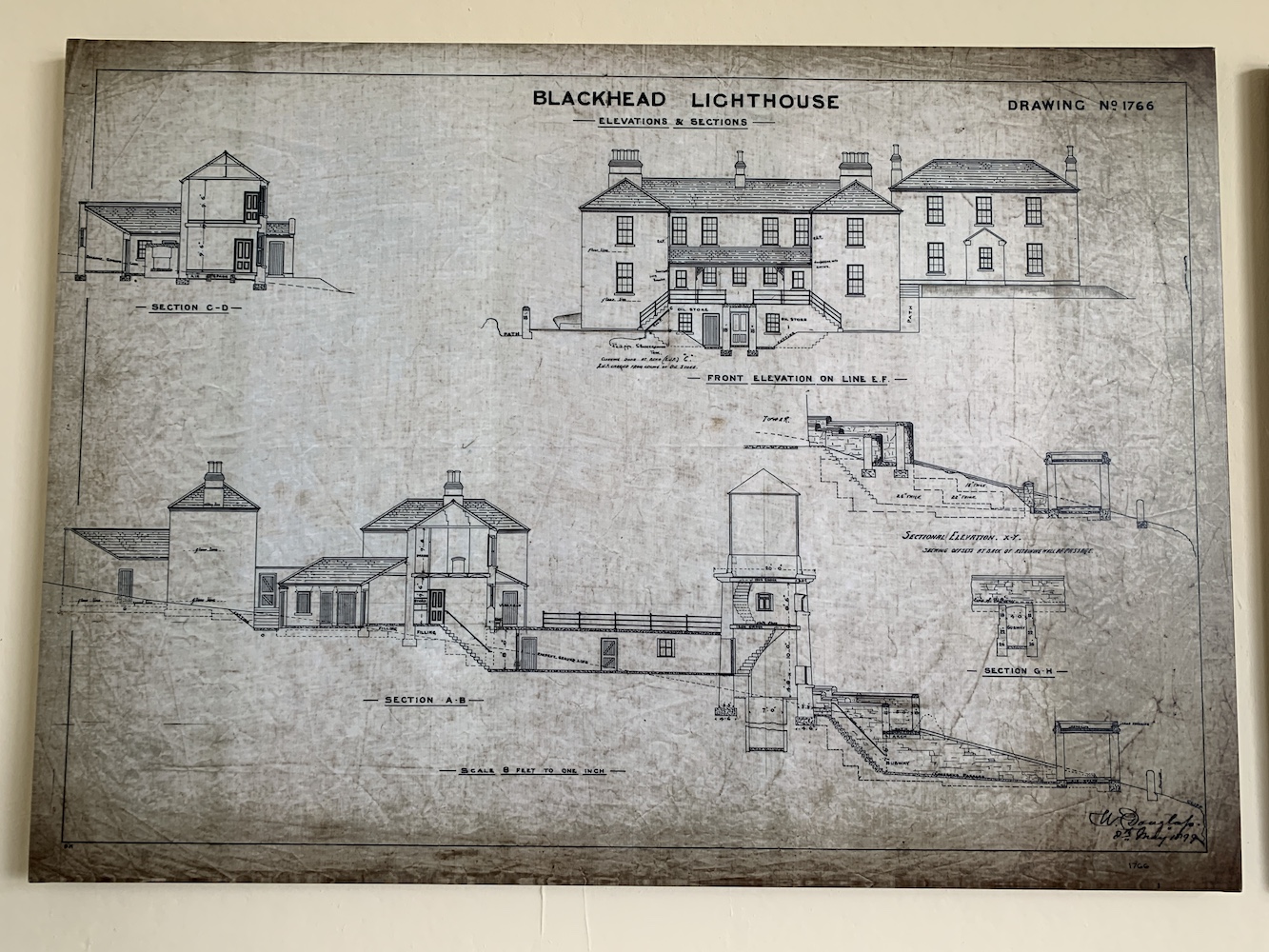
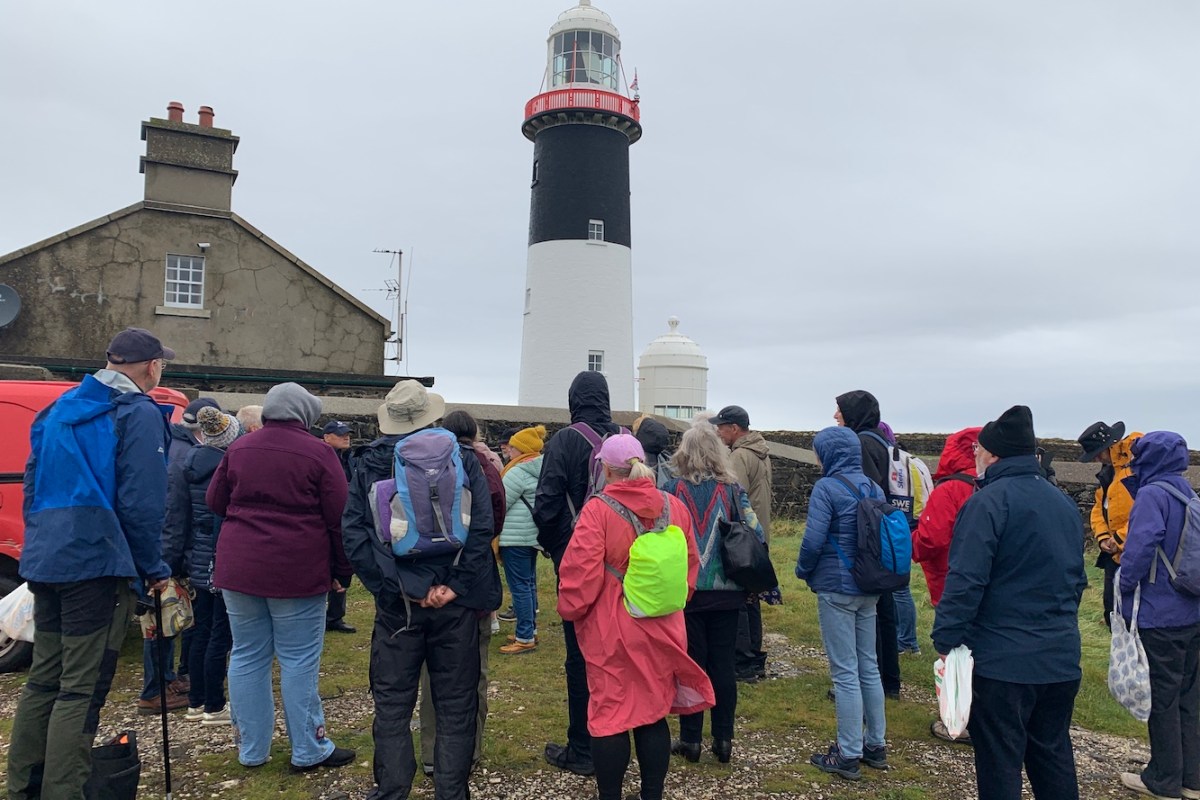
On the Monday we set off for Blackhead Lighthouse. When the coach company announced they wouldn’t be able to get along the access road to the lighthouse I was delighted personally as it meant we’d get to walk along the coast from Whitehead. Obviously, with my event organiser head on though I was concerned about those who weren’t able to manage the walk, but thankfully we got them sorted with lifts on cars and all turned out well in the end.
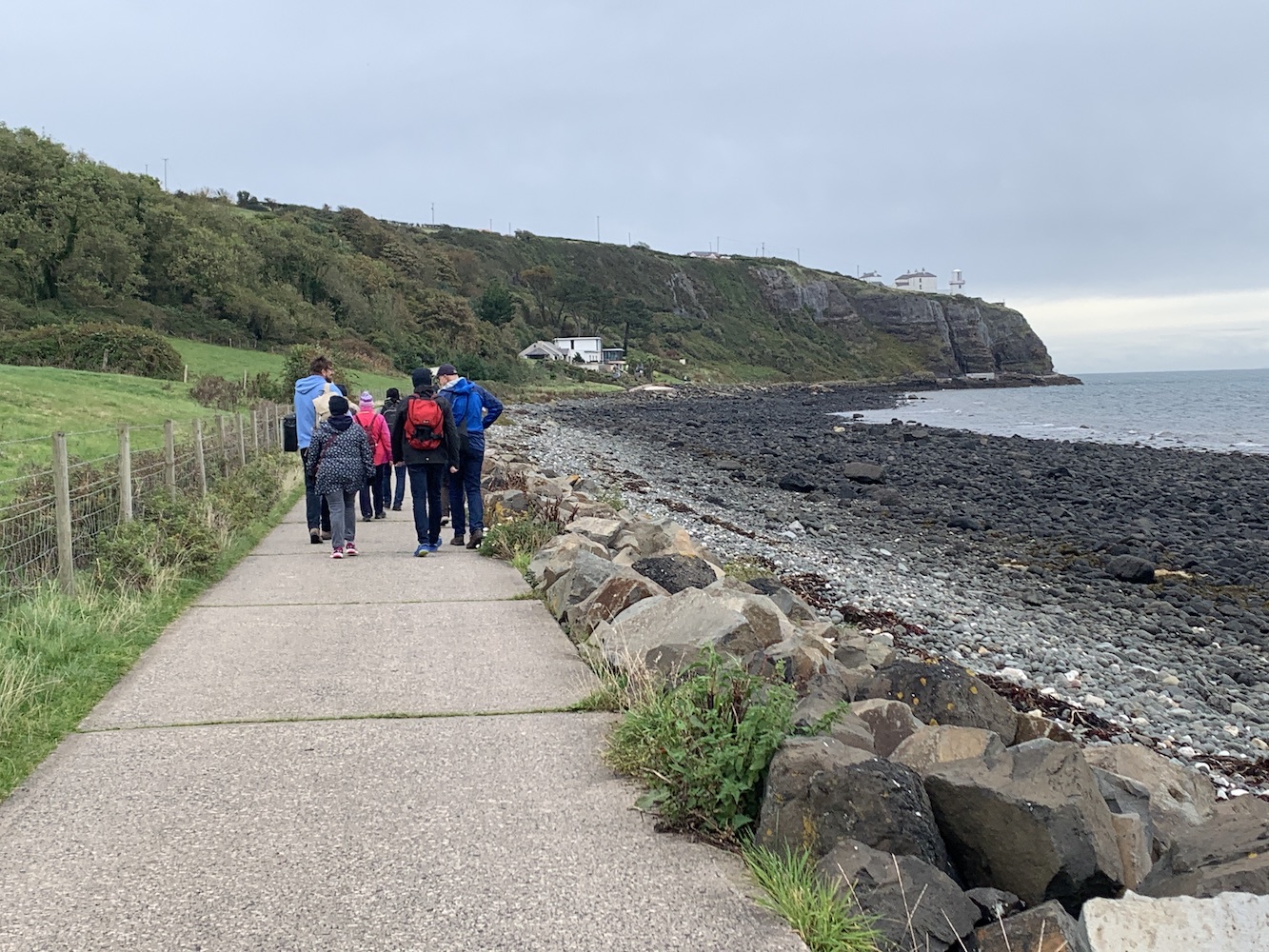
Heading for Blackhead Lighthouse
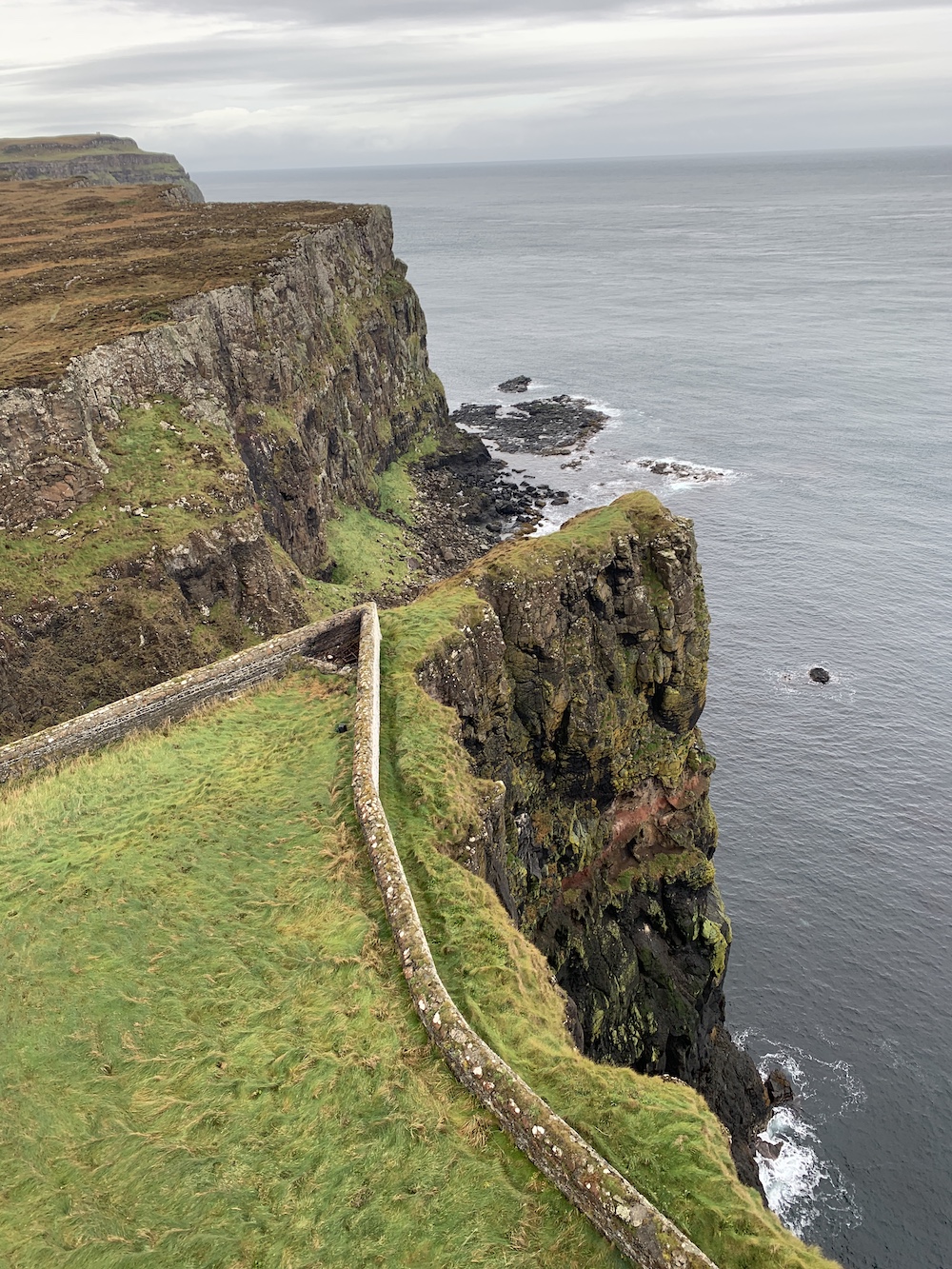
The great view looking south towards Whitehead

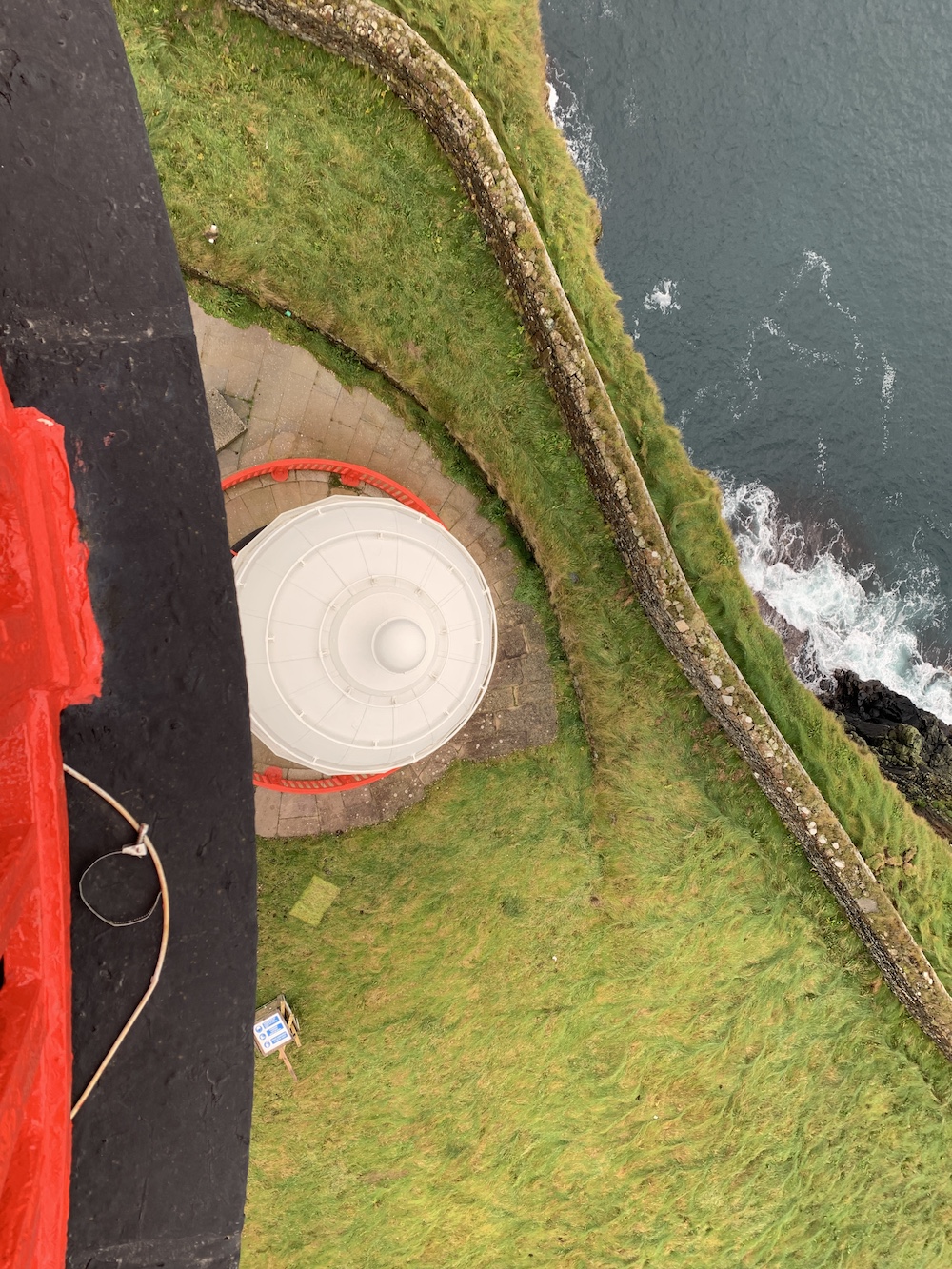
Blackhead is a great place to hang out and even standing around at the bottom of the short tower making sure everyone got a chance to go up offered plenty of opportunities to catch up with the members as they came and went. Joy and Patrick Tubby who were staying in one of the cottages along with others were excellent hosts with food and drink on offer once people had taken a look around the lighthouse.

Arriving at Blackhead Lighthouse

Once again, I was the last to go up and it had all got very chilled out by that point so I was able to amble around up the tower with Patrick and John before heading up to the cottage.

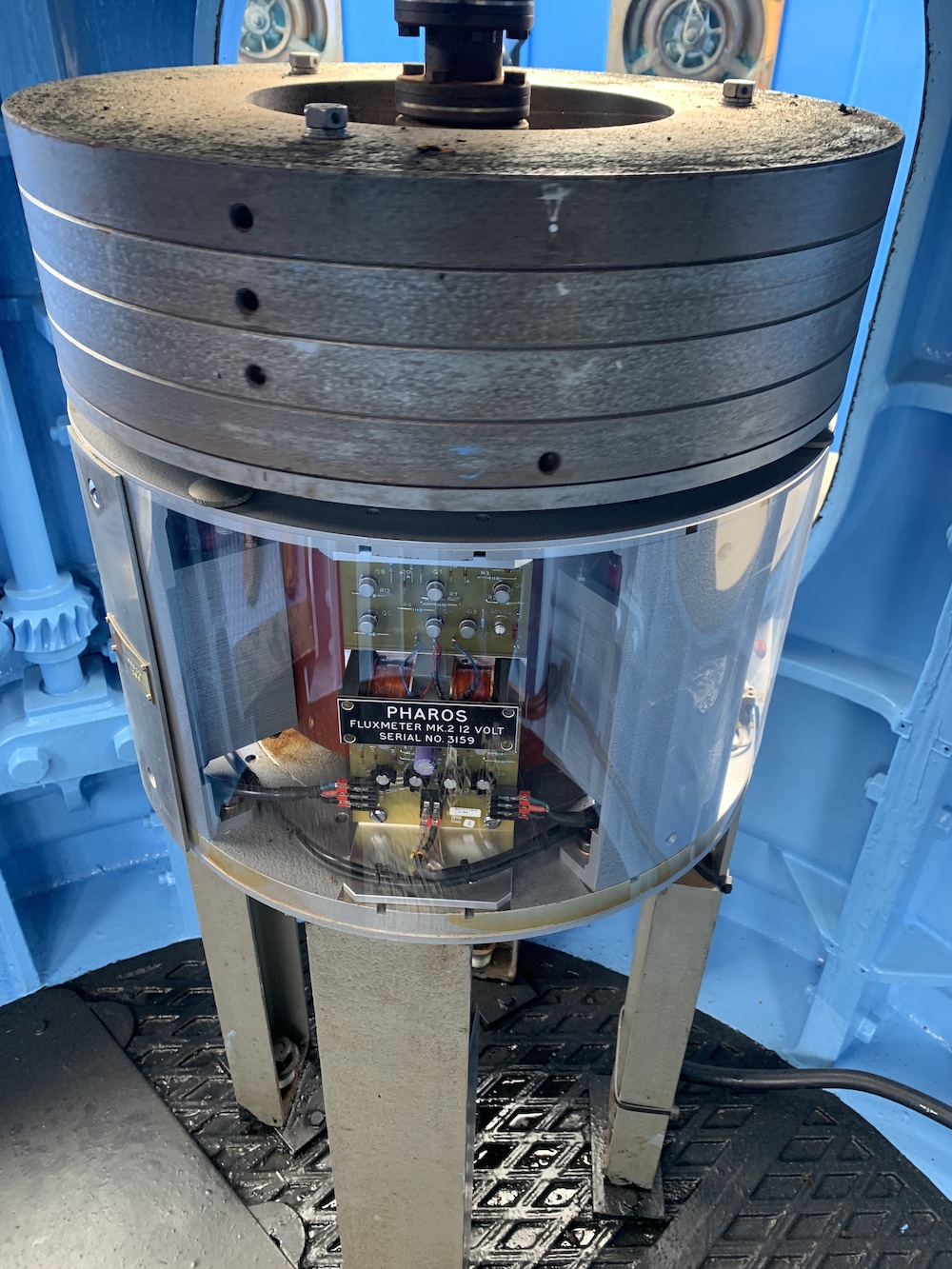
The lens at Blackhead
The light mechanism at Blackhead
We also got the chance to see inside one of the old lighthouse buildings which contains information boards about the area

After bidding farewell to the final members as they made their way back along the coast to the coach, the rest of that day was reserved for drinking wine with friends at Blackhead. Probably not wise given that the following day was the biggest of all, but also good fun.

The final day arrived and the members gathered for the journey up to Ballycastle to catch the ferry over to Rathlin Island. Taking a group of around 50 people over was no mean feat, but thankfully everyone behaved and the herding of the cats was straightforward enough. The only problem was a couple of our former lighthouse keeper members were caught in traffic, but thankfully the ferry crew knew them well and so it was no trouble at all to leave a bit late to make sure they got on board. Gerald Butler who lives at Galley Head Lighthouse was among the latecomers and his ability to charm the socks off anyone once again worked its magic!

My detailed transport plan, developed in partnership with Bert’s Puffin Bus, for getting two groups around with just one bus worked very well indeed and the first group set off for Rathlin West Lighthouse. When the bus returned I joined the second group for the journey to the East Lighthouse. For me this was an exciting one to get inside. It’s an absolute beauty from the outside and the light operates 24 hours a day, although at the time of our visit it was operating on the emergency light outside as maintenance work was in progress.

Rathlin East Lighthouse, including its old low lantern

Once again I timed my visit to the top, among the last lot again having had the job of being that annoying person at the door who had to tell the general public they couldn’t come in as it was a private visit.

The view of the cottages from a lighthouse window
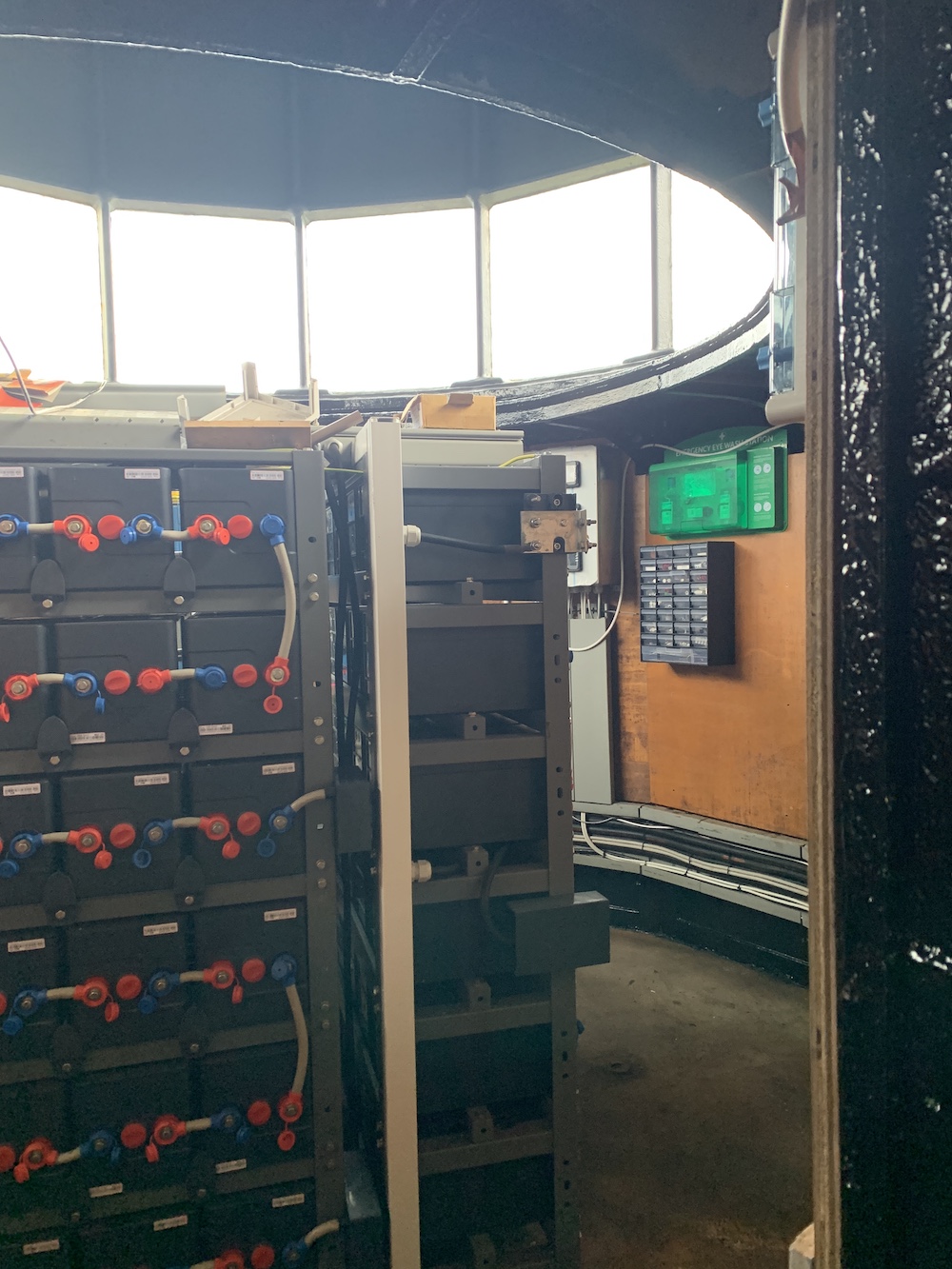
The emergency light in operation on the gallery at Rathlin East Lighthouse
The view from the top of Rathlin East Lighthouse
Looking west from the top of Rathlin East Lighthouse
The glorious view to the south from the top of Rathlin East Lighthouse
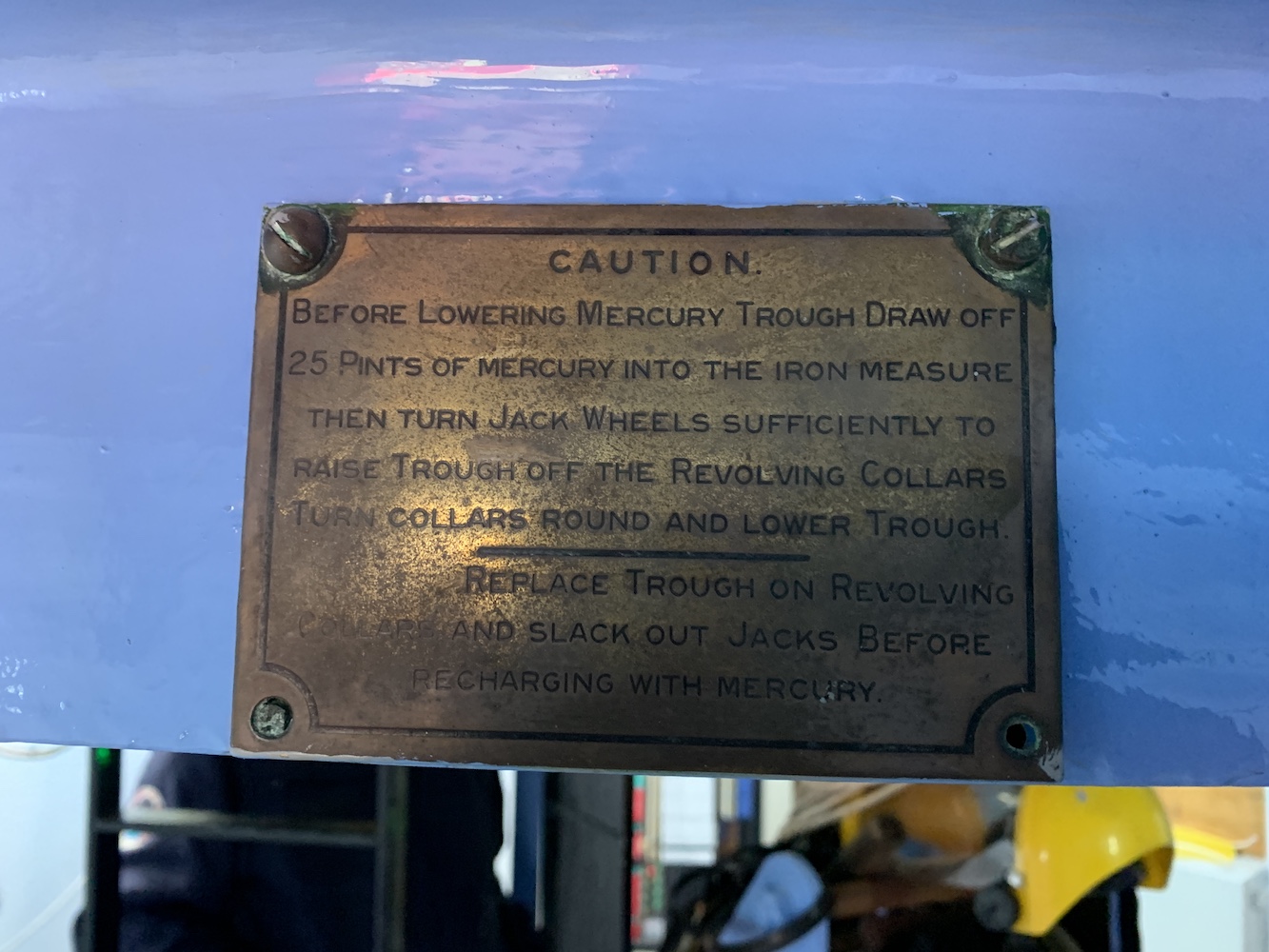
Instructions at Rathlin East Lighthouse
Inside the old low lantern at Rathlin East

When you get former keepers together the conversation just flows and flows so I had the pleasure of listening to Gerald and Eddie chatting to Noel, the attendant keeper for Rathlin. The fondness with which they speak is always a joy to hear.

Gerald and Noel having a catch up

When the bus returned it was time to head for the West Lighthouse – the upside down light. This is such a special place to visit and not only for the lighthouse, which involves going down copious amounts of staircases to get to the lantern.
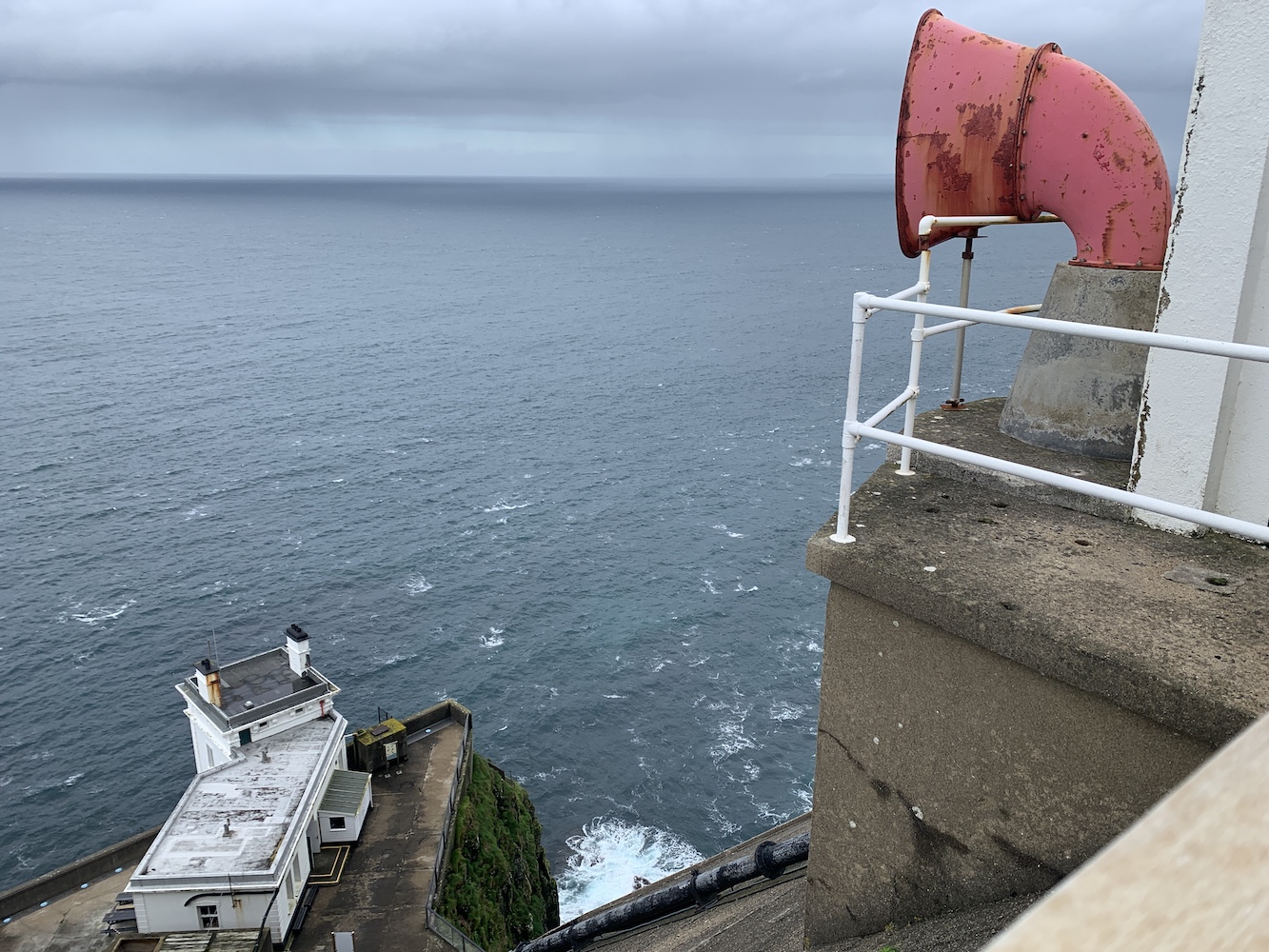
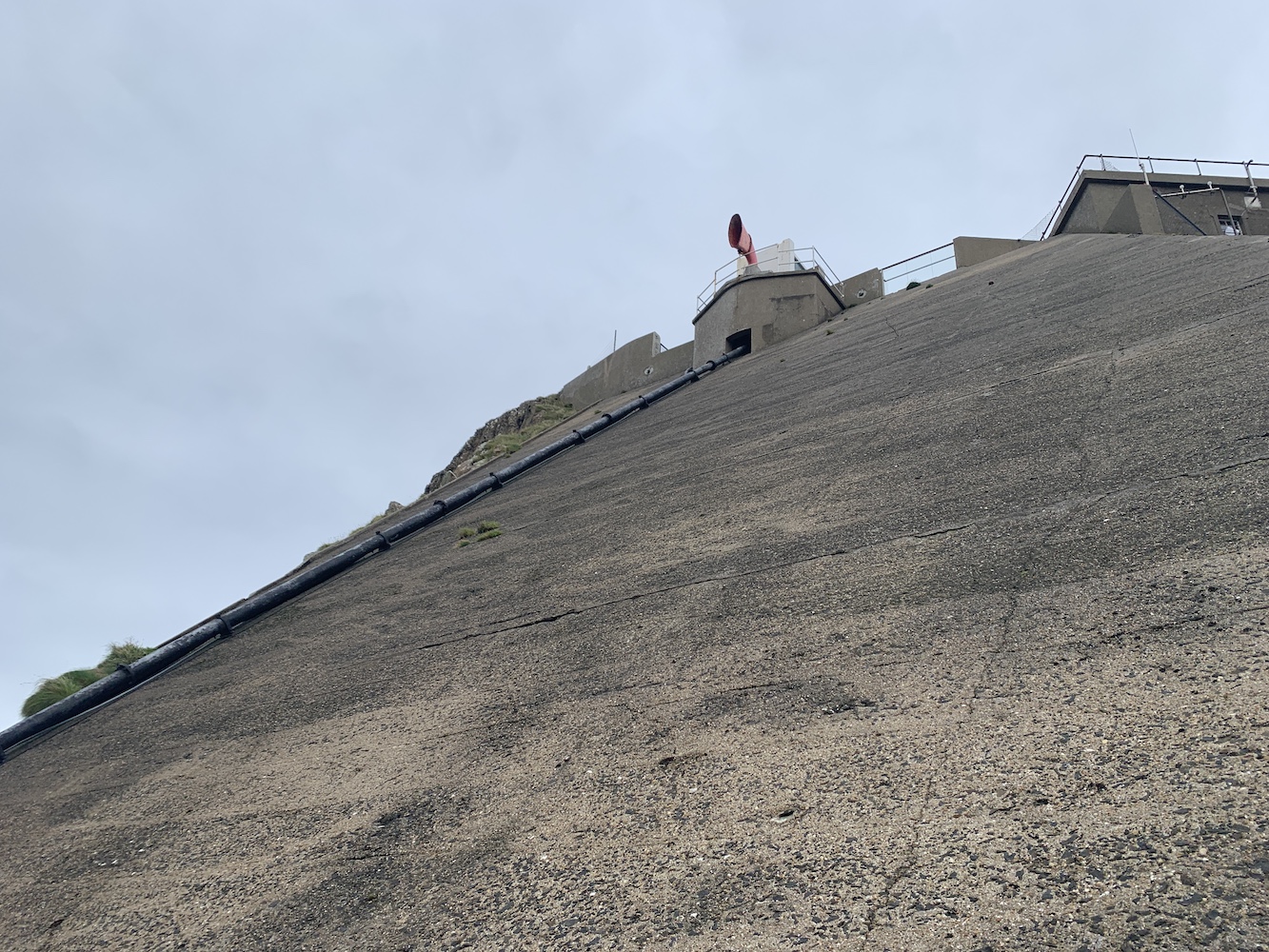
Rathlin West foghorn and the top of the lighthouse tower
Rathlin West Lighthouse
The view to the south at Rathlin West
Plenty of concrete at Rathlin West

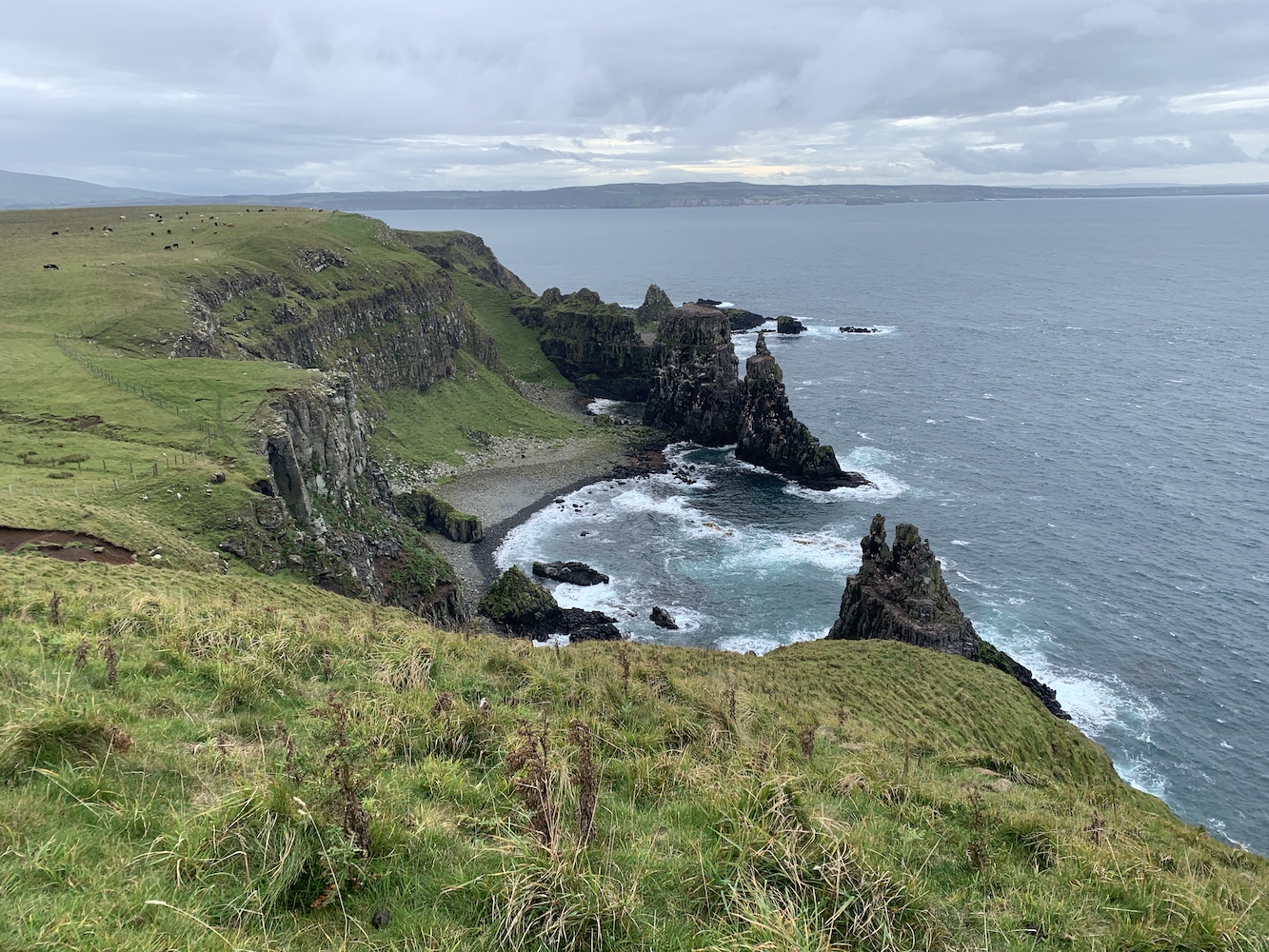
Perhaps my favourite bit at Rathlin West though are the incredible views looking north from the grounds of the lighthouse. The cliffs are fantastic and I could easily have spent an extended period of time gazing at that view had time allowed.

My favourite view, looking north

Once everyone had enjoyed the tea and coffee provided by the RSPB team there and been coaxed back up the lighthouse we set off back for the ferry terminal where we got a great group photo, minus the few who decided to go to the pub!
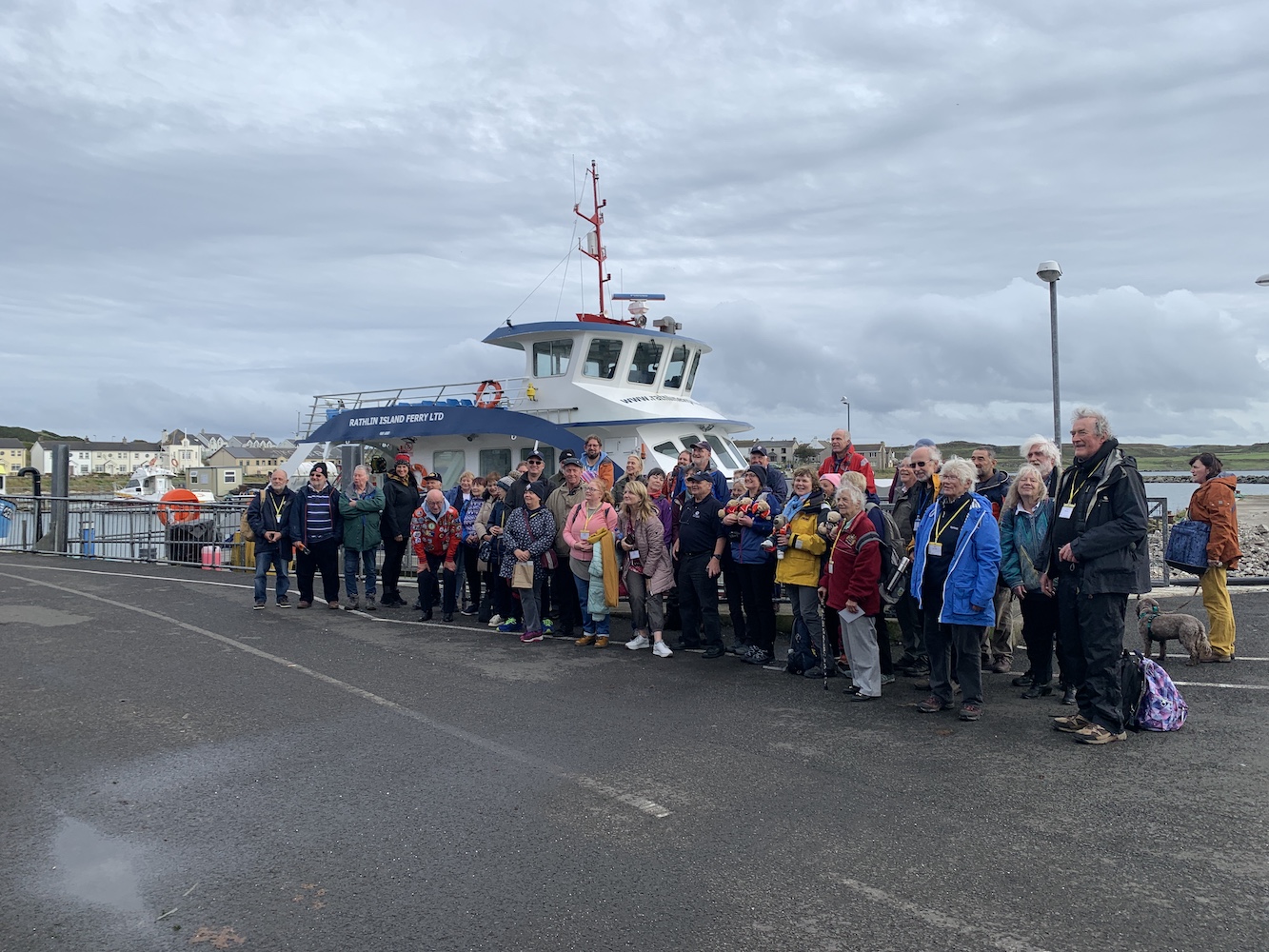
The merry band almost ready to head back to Ballycastle

After the return ferry and coach journey it was time to bid farewell to everyone. It had been a busy few days, but luckily with no major problems. For many of the ALK members attending, this was one of the first times they had visited lighthouses in Ireland and I’m pleased to say the wonderful Irish hospitality and charm worked a treat! There was plenty of appetite among the members to spend more time exploring lighthouses in other parts of Ireland too.

Although it was a relief when the event was over, it was also a massively rewarding experience and I was receiving gifts through the post for weeks afterwards, paid for by contributions from all of those who attended the event. It was a pleasure and a really excellent way of getting better engaged with the ALK’s Irish members as well as Irish Lights 🙂

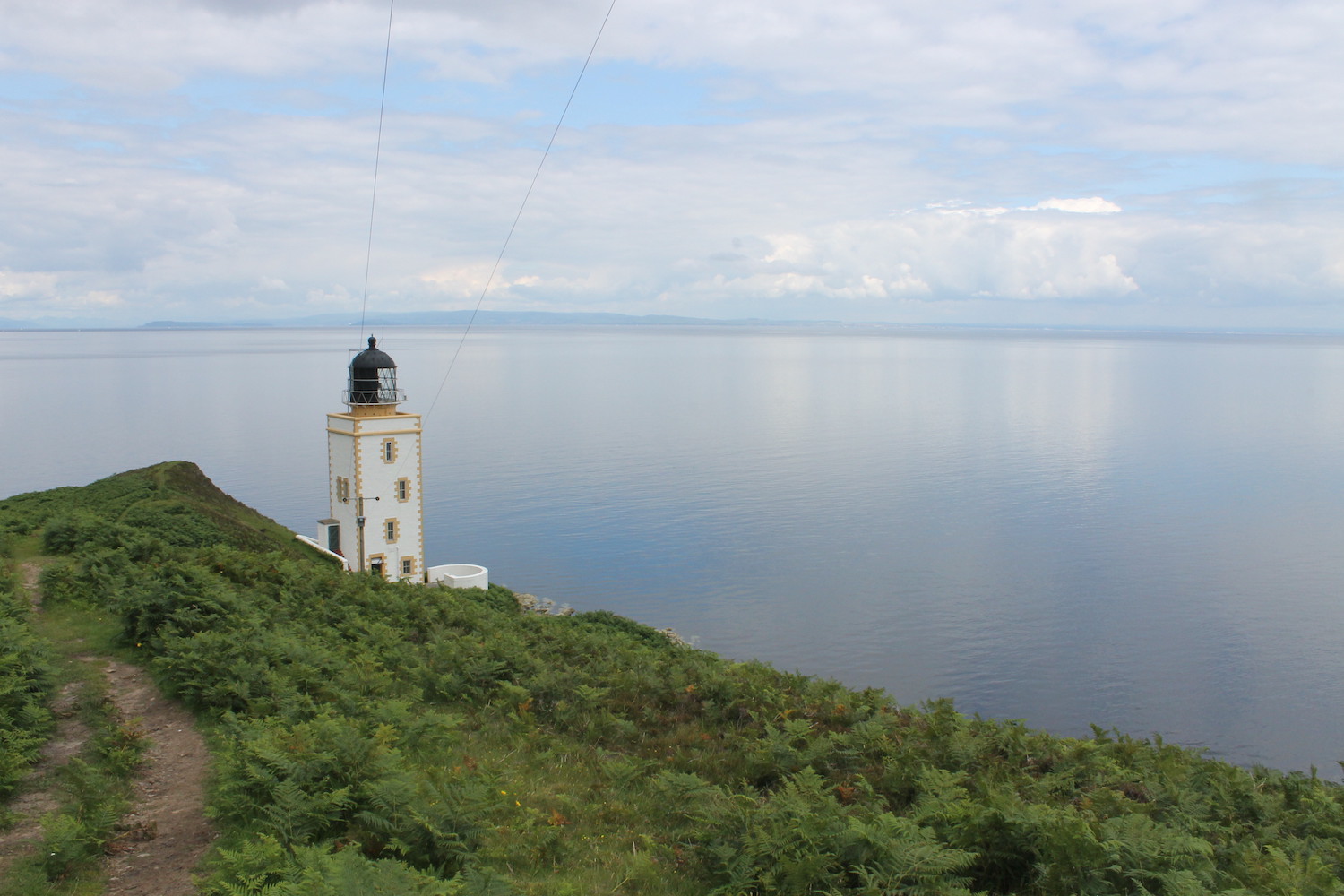
Reflections of a lighthouse fanatic: an introduction to the islands

In this third part of my series of posts about my lighthouse journey I will be covering the period from mid-2012 to mid-2014 when I began to visit places I never imagined I would get to.

When I first planned this Reflections series, I’d not considered this rather important couple of years as separate from the years that followed, but it very much is. As a result, this will now become a five-part series.

Holy Isle Outer, or Pillar Rock, lighthouse on the small island of Holy Isle just off Arran

As mentioned at the end of my previous post, I returned from my lighthouse tour with no plans for future lighthouse visits. That changed completely with the introduction of Bob. Many of my longer-term followers, friends and family will know the story of how we met, but for those who don’t, the best way to catch up on that is by reading this post. It’s quite an interesting one to read back for myself. It reminds me that 9 years ago I was filled with excitement and enthusiasm for visiting these places; the kind of feelings you get when you have discovered a new pastime that you enjoy so much. That’s not to say, of course, that I no longer have the same feelings, but it was a more innocent, carefree enjoyment then. I will say more on how that has changed in the final post of this series.

On my first visit to Loch Eriboll lighthouse in 2012

Those two years were a time of massive change – the biggest of my life so far. Within that period I’d gone from living in London and having no plans at all to settle down, to then moving to the north coast of Scotland, getting married and getting pregnant. Looking back now it was a whirlwind and I don’t think I even had time to take it in as it was happening. During the first year I would work full time during the week and spend weekends away visiting amazing places. While Bob was away for over two months for his attempt to climb Everest from March to May 2013, I filled my spare time with wedding planning and packing ready for my move. Once I’d moved it was only two months until we were married and then another couple of months before I fell pregnant. Life then was very much ‘don’t think, just do’ and I enjoyed the ride as all of these life-changing events were taking place.

The lighthouse on the stunning tidal island of Davaar

There were two very important changes that happened during this time in relation to my appreciation of lighthouses. Firstly, lighthouses on islands suddenly went from being in the ‘not likely to ever reach’ domain to ‘I could actually go there’. I’d recognised the need for more time and money being required for visiting islands, both of which were not something I had been able to afford previously, hence my focus on the mainland with the original tour. However, when you have a successful first date on Arran, as described in the post linked to above, you know islands are likely to become a more regular occurrence.

Lundy North lighthouse, one of three on the idyllic Lundy Island

Secondly, I gained access to a range of new resources that gave me a much clearer picture of where lighthouses were. It was from looking at mapping software that I became aware of many more lights that I wasn’t aware of. One of these was Loch Eriboll lighthouse, which I wrote about recently after a revisit. Since discovering this one I’ve grown more and more fond of these very modern structures. A short time after visiting the first at Loch Eriboll I encountered the second at Hoxa Head in Orkney, which is the same standard flat-pack type tower. Even in those early days I recognised the glorious surroundings you witnessed when visiting these small, and often overlooked, towers as well as the more challenging off piste walking required to reach them. The discovery of these was the start of being propelled onto a new level of fanaticism. It turned out I wasn’t just your average lighthouse bagger (if there is such a thing) who is only interested in a tall tower with a lantern, gallery and coloured bands as a bonus. My lighthouse adventures started to become more about going to new places and not solely about just getting to see the lights.

Sorry about the wonky picture – it was taken from a boat and, I think, adds character. This was my first encounter with both Bell Rock lighthouse and the Northern Lighthouse Board’s maintenance vessel Pharos

It was sometime during the second half of 2012 that I came across the book The Relative Hills of Britain by Alan Dawson. Bob’s well-thumbed copy had set up home in his car’s passenger side pocket so it was only natural that I would take a closer look at some point. I was fascinated by it as only a list person could be. It featured, among other chapters, maps of the U.K. split into sections followed by a listing of all hills with a prominence of at least 150 metres within that section. I knew my lighthouse list at that time was not comprehensive and I longed for a lighthouse equivalent list of Alan Dawson’s hill listing. Bob, the bright spark, suggested I should do it myself and this was the first ever mention of the idea behind my book The British Lighthouse Trail: A Regional Guide. Rather optimistically Bob’s suggestion was to get it published in my maiden name before we got married. That turned out to be an unrealistic timescale as it rather quickly became apparent that there would be more to it than just scouring maps and making a list. Key to the development of a list was having a definition and it took me quite some time to finalise that, based on what I already knew of the lighthouses I’d visited and those I had yet to see. It turned out I needed a few more years’ bagging experience before I felt able to establish a definition I was happy with.

Europa Point lighthouse in Gibraltar

In the meantime there were plenty of trips to be had. While I was still in London many long weekends were spent away in such places as Cornwall, Gibraltar (for the romantics among you who don’t know this bit, here’s the post from that trip), Orkney, South Wales, Davaar and the Mull of Kintyre, North Wales, the Isle of May and Bell Rock lighthouse. After moving north there were further destinations across the country including Pentland Skerries, Northern Ireland (another link for those romantically-inclined) and Colonsay. There are so many memories packed into those sentences and looking back now it feels like it all happened a long time ago. I very quickly went from doing a lot of my adventures alone to sharing the experience with someone else and along with that came more challenging walks to lighthouses, more access issues, and more pushing the boundaries in order to reach a goal. I suppose to summarise the change that occurred in my outlook during that period was the development of the bagging mentality – and it turned out I was going to need that very thing in the coming years.

My first Northern Irish light, Donaghadee

Up until this point any boat trips to islands or offshore lights were undertaken using scheduled ferries or on routine tourist boat trips – but boy, was that about to change… 🙂